






Executive Overview
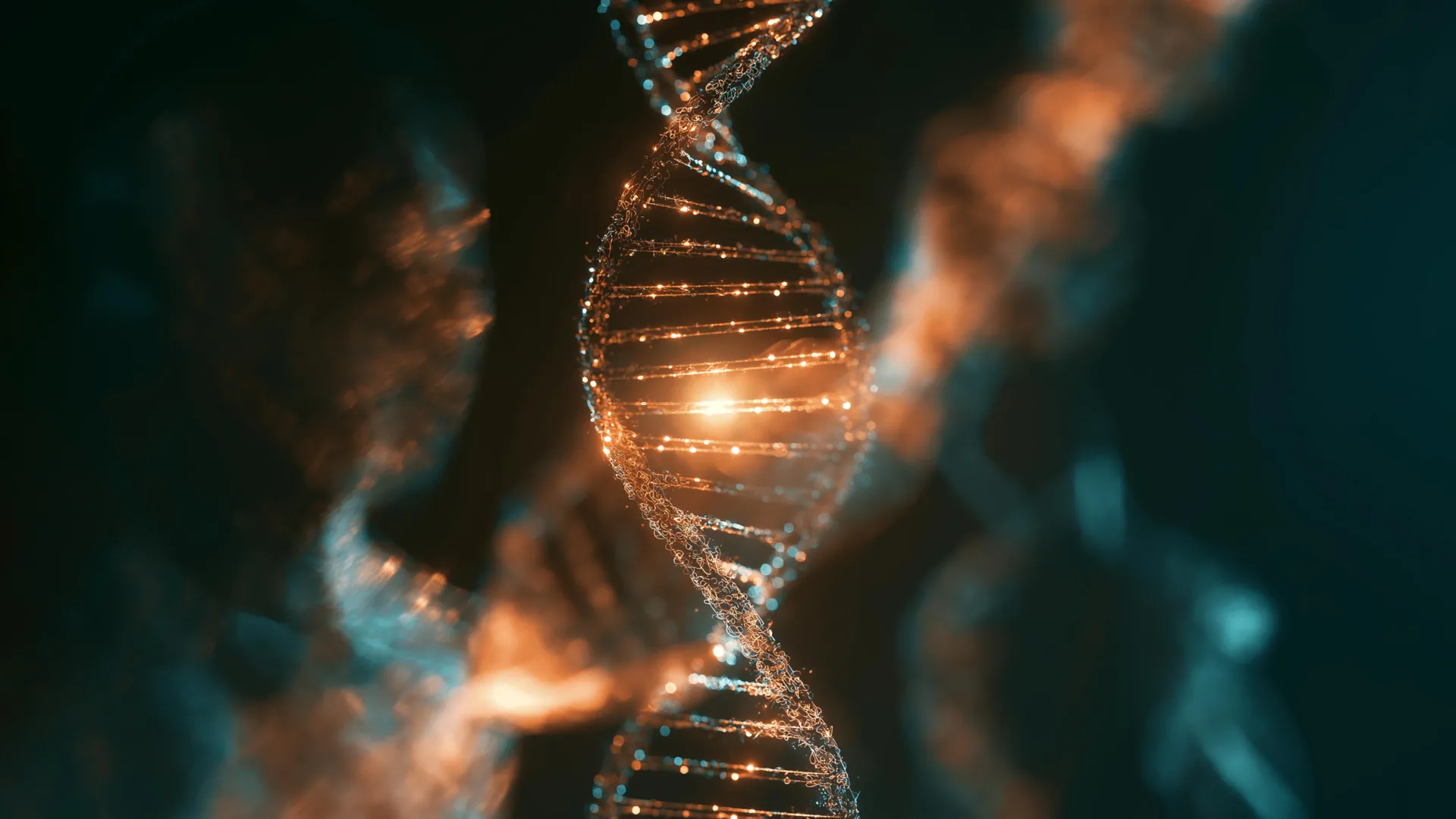
Inside the microscopic nucleus of every human cell lies a vast, six-billion-letter instruction manual. Written in the four-letter chemical alphabet of DNA (adenine, cytosine, guanine, and thymine), this manual dictates every facet of human biology—from the formation of complex tissues during embryonic development to the daily maintenance of metabolic health. Yet, having the instructions is only half the battle; knowing when, where, and to what extent to read them is the true orchestrator of life.
Healthy growth and development depend entirely on tens of thousands of genes being switched on at precise times and in exact spatial coordinates within the body. Specific regulatory regions of DNA coordinate this complex logistical choreography, guiding the production of vital enzymes, hormones, structural proteins, and regulatory molecules that cells require to function properly. When this delicate system of gene activation goes awry, cellular malfunction follows. This breakdown is a primary driver behind a myriad of human pathologies, including hereditary disorders, metabolic syndromes, and cancer.
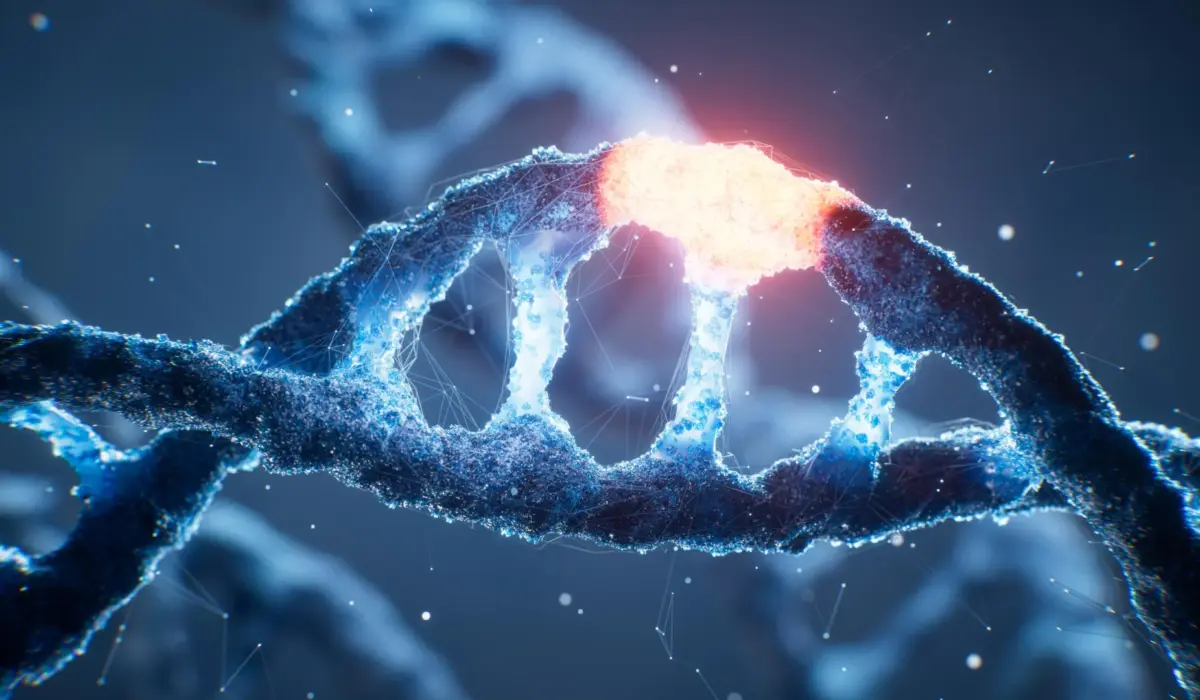
To demystify this biological command-and-control system, a team of researchers at the University of California San Diego (UC San Diego) has achieved a major milestone in molecular biology. Operating in the laboratory of distinguished Professor James T. Kadonaga, the research team focused on a fundamental yet enigmatic DNA element known as the "initiator." Acting as a molecular landing pad and directional beacon, the initiator marks the precise location where the information encoded within a gene begins to be transcribed and converted into a functional product.
By combining high-throughput experimental biology with advanced machine learning, the UC San Diego team—led by graduate student researcher Torrey Rhyne-Carrigg—has successfully decoded the structural signature of the initiator. Through the analysis of approximately 500,000 different engineered versions of the initiator sequence, the researchers trained an artificial intelligence model capable of identifying these critical regulatory sites with unprecedented precision.
The findings revealed a stunning biological reality: roughly 60% of all human genes contain this specific initiator sequence. This breakthrough not only sheds light on the fundamental architecture of the human genome but also opens new vistas for predicting how genetic mutations cause disease and how synthetic biology might one day engineer custom gene-control systems for therapeutic interventions.
Detailed Chronology: Unlocking the Code of the Initiator
The journey toward decoding the human initiator sequence represents a masterclass in modern interdisciplinary research, fusing classical biochemistry with cutting-edge computational data science.
Phase I: Targeting the Initiator
For decades, molecular biologists have understood that genes do not operate in a vacuum. Transcription—the foundational step in gene expression where DNA is copied into messenger RNA (mRNA)—requires specialized machinery to locate the start of a gene. While scientists have long recognized the existence of core promoter elements like the TATA box, other vital regions remained stubbornly difficult to characterize globally due to sequence diversity and contextual variations.
Among these, the initiator element stands out as a critical core promoter sequence that spans the RNA polymerase start site. Despite its importance in directing accurate and efficient transcription initiation, the sequence variations tolerated by the human cellular machinery were poorly understood. Traditional methods of studying promoters typically involved examining a handful of natural variants at a time—a process far too slow to capture the massive combinatorial complexity of the human genome.
Recognizing this bottleneck, Professor James T. Kadonaga’s laboratory at the UC San Diego Department of Molecular Biology (School of Biological Sciences) set out to map the functional landscape of the initiator on a massive scale. Spearheaded by graduate student researcher Torrey Rhyne-Carrigg, the team designed a high-throughput experimental framework to test how thousands of sequence permutations affect initiator function.
Phase II: High-Throughput Mapping and Data Generation
To understand the rules governing the initiator, the researchers did not limit themselves to studying naturally occurring sequences. Instead, they synthesized an expansive library containing roughly 500,000 different versions of the initiator. This library captured myriad single-letter mutations, insertions, and contextual shifts around the transcription start site.
Using high-throughput DNA sequencing methodologies, the team measured the gene expression activity associated with each of the half-million variants. This generated a massive, high-resolution dataset mapping out which DNA sequences successfully drove transcription and which failed.
The sheer scale of the data transformed a traditional biochemical inquiry into a computational challenge. With half a million data points detailing the functional output of diverse sequence combinations, the human eye—and conventional analytical techniques—could no longer discern the underlying grammatical rules of the initiator.
Phase III: Training the Artificial Intelligence Model
To parse this deluge of biological data, the researchers turned to artificial intelligence. They utilized the experimental results from the 500,000 initiator variants to train a machine learning system designed to recognize subtle patterns and relationships within DNA base sequences.
Unlike rigid mathematical formulas, machine learning models excel at finding complex, non-linear correlations in large datasets. The AI system was trained to analyze the sequence variations and associate them directly with their corresponding transcriptional activity levels. Through iterative learning, the model developed a sophisticated "understanding" of what constitutes a functional human initiator. It mapped out the sequence grammar—the specific combinations of nucleotides that allow the cellular machinery to recognize the start site and initiate gene expression efficiently.
Phase IV: Genome-Wide Discovery and Validation
Once the AI model successfully decoded the initiator’s structural signature, the researchers deployed the tool across the entire human genome. They scanned human genes to determine how widespread the sequence truly is.
The results were revealing: the AI model determined that approximately 60% of human genes contain an initiator matching its decoded signature. This confirmed that the initiator is not a rare genomic anomaly, but rather a central, pervasive feature governing the majority of human gene expression. Furthermore, the model provided robust, highly accurate predictions regarding the presence or absence of functional initiators in genes where their regulatory mechanisms were previously ambiguous.
Supporting Context & Metrics: The Scale of the Breakthrough
To appreciate the significance of the UC San Diego study, one must understand the sheer scale of the human genome and the intricate mechanics of gene expression regulation.
+--------------------------------------------------------------------------+
|                        THE GENOMIC ARCHITECTURE                          |
+--------------------------------------------------------------------------+
|  Total Human DNA: ~6 Billion Base Pairs (per diploid cell)               |
|  Sequences Tested: ~500,000 Initiator Variants in High-Throughput Assay    |
|  Genomic Prevalence: ~60% of Human Genes Contain the Decoded Initiator   |
+--------------------------------------------------------------------------+
The Mathematics of Gene Expression
Every human cell contains roughly six billion base pairs of DNA packed tightly into its nucleus. Within this colossal library, only a fraction of genes are active in any given cell type at any given time. This selective activation is what allows a skin cell to look and behave entirely differently from a neuron or a hepatocyte, despite both sharing the exact same genetic code.
Core promoters, including the initiator, act as the primary interface between the cell’s DNA and the transcriptional machinery (such as RNA polymerase II and its associated transcription factors). If the initiator sequence is mutated or structurally compromised, the transcription machinery may fail to bind, leading to diminished gene expression, or conversely, it may bind at incorrect sites, leading to aberrant transcripts that disrupt cellular homeostasis.
The Power of High-Throughput Biochemistry Paired with AI
Traditional molecular biology has historically relied on reductionist approaches—studying one gene, one promoter, or one mutation at a time. While immensely valuable, this approach is painfully slow when applied to a genome containing approximately 20,000 protein-coding genes and countless regulatory elements.
By synthesizing 500,000 distinct variants, the UC San Diego team bypassed the limitations of natural evolutionary sampling. They tested sequences that nature may never have produced, thereby mapping the boundaries of what is biochemically permissible for the initiator. Feeding this massive empirical dataset into a machine learning algorithm allowed the AI to interpolate between data points, recognizing hidden sequence motifs and structural dependencies that standard statistical analyses would overlook.
Official Statements and Expert Insights
The implications of this research extend far beyond academic curiosity, offering new paradigms for both fundamental biology and applied medical science.
Reflecting on the capabilities of the newly developed technology, Professor James T. Kadonaga emphasized the groundbreaking nature of the computational models:
"These AI models were found to provide, for the first time, strong predictions of the presence or absence of the initiator in human genes, and were thus able to decode the DNA base sequence pattern of the initiator," said Kadonaga, a professor in the UC San Diego Department of Molecular Biology, School of Biological Sciences.
Kadonaga places this achievement within a much larger intellectual framework—one that envisions a day when the entirety of human gene regulation can be modeled and predicted computationally:
"More globally, this work is a step forward in the combined use of laboratory experiments and AI to decipher the information that is embedded in the sequence of the DNA bases in humans. Ultimately, within the six billion bases of DNA in each of our cells, there is a gene expression code that specifies when, where and to what extent each of our genes should be turned on or off."
Looking toward the horizon of genomics and personalized medicine, Kadonaga expressed profound optimism regarding the trajectory of computational genomics:
"If we had an AI model for the entire gene expression code, we would be able to predict the activity of each of the different variants of genes in different people. The new AI model for the initiator is a small but important part of this gene expression code, and I am optimistic that we will expand our AI models of the human gene expression code in the not-too-distant future."
Lead author and graduate student researcher Torrey Rhyne-Carrigg, who spearheaded the experimental and computational workflows, noted how the fusion of high-throughput assays and machine learning allows researchers to ask increasingly sophisticated questions about genomic architecture. By bridging empirical biochemistry with algorithmic modeling, the team has established a robust template for future investigations into other core promoter elements and regulatory sequences.
Future Outlook: Implications for Medicine and Synthetic Biology
The successful decoding of the human initiator sequence marks the closing of one chapter in genomics and the opening of another. The implications of this research span several major scientific and clinical domains:
1. Anticipating the Effects of DNA Mutations and Genetic Disorders
Every human carries millions of genetic variants across their genome. While many of these single-nucleotide polymorphisms (SNPs) are benign, others occur in regulatory regions like promoters and can profoundly alter gene expression. Mutations within or adjacent to the initiator sequence can disrupt transcription initiation, leading to over-expression or deficiency of vital proteins.
With the new AI models, researchers and clinical geneticists are now better equipped to anticipate how specific mutations affecting the initiator may alter gene activity. This capability could significantly enhance our understanding of diverse genetic disorders, congenital anomalies, and complex polygenic diseases where transcriptional dysregulation plays a central role. By analyzing a patient’s specific genomic sequence, future diagnostic tools could predict whether a variant in an initiator region will impair normal gene function.
2. Advancing Precision Oncology
Cancer is, at its core, a disease of gene expression gone wrong. Tumor cells frequently hijack normal regulatory pathways, upregulating oncogenes that drive rapid proliferation while silencing tumor suppressor genes through epigenetic and structural modifications.
Understanding the exact grammatical rules of the initiator provides oncologists and cancer biologists with a sharper lens to examine how cancer cells manipulate transcription initiation. By identifying aberrant promoter usage and initiator mutations in tumor genomes, researchers may uncover novel vulnerabilities that can be targeted with precision therapeutics.
3. Engineering Synthetic Promoters for Biotechnology and Gene Therapy
Beyond understanding natural biology, this research holds immense promise for the burgeoning field of synthetic biology. Gene therapy and biotechnology often require the introduction of therapeutic genes into human cells using viral vectors or synthetic constructs. To control these introduced genes effectively, scientists rely on "synthetic promoters"—engineered DNA sequences designed to switch genes on or off under specific cellular conditions.
The data and machine learning models generated by the UC San Diego team provide a sophisticated blueprint for designing custom synthetic promoters. By knowing precisely how sequence variations influence initiator strength and specificity, bioengineers can tailor promoters to operate with extreme precision, activating therapeutic genes only in specific cell types or in response to particular biochemical cues. This minimizes off-target effects and maximizes the safety and efficacy of gene-based medicines.
4. Toward a Universal Gene Expression Code
Perhaps the most profound takeaway from the UC San Diego study is its proof-of-concept for decoding the global human gene expression code. The initiator is just one piece of a vastly complex regulatory puzzle that includes enhancers, silencers, insulators, TATA boxes, and thousands of transcription factor binding sites.
As laboratories around the world begin pairing high-throughput multiplex assays with advanced artificial intelligence, researchers are steadily building the foundational infrastructure needed to model entire regulatory networks. In the not-too-distant future, science may possess a comprehensive computational simulation of human gene expression—a digital twin of our genomic regulatory architecture. Such a tool would revolutionize pharmacology, toxicology, and personalized medicine, allowing scientists to simulate the effects of drugs, genetic mutations, and gene therapies in silico before ever touching a living cell.
Through the collaborative synergy of experimental biochemistry and artificial intelligence, the UC San Diego research team has illuminated one of the foundational building blocks of human life, bringing humanity one step closer to reading, understanding, and ultimately mastering the language of the genome.