












Executive Overview
In the high-stakes arena of modern oncology, time is the ultimate currency. For brain cancer patients navigating the grim prognostic curves of high-grade and low-grade gliomas, access to experimental therapeutics is often the difference between life and death. Yet, for elite athletes and everyday citizens alike, the United Kingdom’s clinical research landscape is increasingly failing to keep pace with global innovation.
This systemic vulnerability was thrust into the national spotlight on August 4, 2026, when Scottish 50m breaststroke record holder and Team GB swimmer Archie Goodburn delivered a tearful, unvarnished plea live on BBC News. Diagnosed two years prior at the age of 22 with three large, inoperable low-grade oligodendrogliomas, Goodburn looked past the cameras and directly addressed the heart of British political leadership. He urged UK Prime Minister Andy Burnham to radically overhaul the country’s appeal to international pharmaceutical sponsors, dismantle bureaucratic silos, and establish a dedicated national brain cancer lead.
Goodburn’s impassioned intervention was not merely an individual cry for help; it has become a watershed moment for British neuro-oncology. Pointing to nations like the United States, Australia, and China—which routinely serve as epicentres for cutting-edge neuro-oncological trials—Goodburn challenged the government to "give us a chance to fight for our lives."
In response to the broadcast, Prime Minister Burnham has agreed to a direct, face-to-face meeting with the Olympian. However, this high-profile encounter unfolds against a sobering statistical backdrop. According to intelligence from GlobalData, out of 77 planned and active clinical trials globally for oligodendroglioma, a staggering minority—just six studies—maintain active trial sites within the UK.
This in-depth investigative report examines the structural deficits plaguing the UK’s clinical trials ecosystem, analyzes the regulatory and legislative landscapes following the passage of the Rare Cancers Bill, maps the current therapeutic pipeline, and evaluates whether Goodburn’s advocacy can force systemic reform before it is too late for a generation of brain cancer patients.
Detailed Chronology: From the Pool to the Parapets of Parliament
The Diagnosis That Shocked British Swimming
The timeline of Archie Goodburn’s battle against neuro-oncology began in 2024. As a premier athlete, Goodburn’s life was defined by fractions of a second, biomechanical precision, and physical resilience. However, his world shifted fundamentally when he was diagnosed with three large, inoperable low-grade oligodendrogliomas at just 22 years old.
Oligodendrogliomas are rare types of primary brain tumors that originate from oligodendrocytes—cells that provide support and insulation to nerve fibers in the central nervous system. While traditionally categorized as slower-growing (low-grade) compared to glioblastomas, Goodburn’s case involved multiple, inoperable lesions, rendering standard surgical resection impossible and shifting his long-term prognosis into precarious territory.
Despite the physical and psychological toll of managing a progressive neurological malignancy while maintaining ties to high-performance sport, Goodburn chose to channel his platform into advocacy. Recognizing that his access to specialized care, personal resources, and public visibility shielded him from the absolute isolation experienced by many rare cancer patients, he resolved to use his voice to challenge systemic apathy.
The Live Broadcast That Shook Westminster
On August 4, 2026, Goodburn appeared on BBC News for an interview that quickly transcended standard sports or health reporting. Speaking with raw vulnerability, the Scottish swimming record holder articulated the acute injustice felt by thousands of British families affected by neuro-oncology:
"Please establish a national brain cancer lead and give us a chance to fight for our lives because the things that patients are going through out there are unbelievable and so unjust. There are clinical trials around the world, in the US, in Australia, in China, that could change lives. We are not seeing them in the UK, and it is unfair and unjust."
The visual and emotional resonance of a peak-condition Team GB athlete, visibly altered by his illness yet fighting for systemic change, created an immediate political imperative. Within hours, the clip circulated widely across digital platforms, drawing statements of solidarity from medical professionals, patient advocacy groups, and parliamentarians.
The Political Response and the Prime Ministerial Commitment
Recognizing the moral weight and public resonance of Goodburn’s appeal, UK Prime Minister Andy Burnham moved swiftly. Downing Street confirmed that the Prime Minister had agreed to meet personally with Goodburn to discuss how the government can incentivize pharmaceutical investment, streamline trial site activation, and make the UK a more competitive destination for global neuro-oncological research.
This high-level engagement sets the stage for a critical policy reckoning. While political gestures are essential for setting national agendas, patient advocates and clinical trial operators are demanding concrete, measurable structural reforms that go beyond standard ministerial roundtables.
Supporting Context & Metrics: The Anatomy of a Clinical Trial Drought
To understand the urgency behind Goodburn’s plea, one must examine the hard metrics governing rare cancer research in the UK. The disparities between the UK and other major research hubs are not accidental; they are the result of compounding regulatory inertia, funding fragmentation, and commercial disincentives.
GlobalData Insights: The Oligodendroglioma Landscape
Data compiled by GlobalData’s Pharmaceutical Intelligence Center reveals a stark geographic imbalance in neuro-oncological research. Across the globe, there are currently 77 planned and ongoing clinical trials investigating novel therapeutics for oligodendroglioma. These trials range from early-phase safety evaluations of targeted small-molecule inhibitors to late-phase combination immunotherapy studies.

However, of those 77 global initiatives, only six trials maintain active study sites within the United Kingdom. This means that British patients with oligodendroglioma are effectively locked out of roughly 92% of the world’s investigative pipelines unless they possess the personal financial means to travel abroad for care.
Global Oligodendroglioma Clinical Trials (Total: 77)
├── Active Trials Outside the UK: 71 (92.2%)
└── Active Trials Hosted in the UK: 6 (7.8%)
This deficit stems from several systemic challenges:
- Lengthy Regulatory Approvals: Navigating the dual approval pathway of the Medicines and Healthcare products Regulatory Agency (MHRA) and the Health Research Authority (HRA), alongside individual NHS Trust research and development (R&D) sign-offs, frequently makes the UK slower to open trials than the US or Australia.
- Patient Recruitment Bottlenecks: NHS Trusts are often constrained by staffing shortages and administrative overhead, making it difficult to identify, screen, and enroll rare cancer patients within sponsor-mandated timelines.
- Commercial Attractiveness: Global pharmaceutical sponsors frequently prioritize countries where reimbursement mechanisms are predictable and where centralized health systems offer streamlined data collection.
The Legislative Landscape: The Rare Cancers Bill
Goodburn’s crusade arrives at a pivotal moment in UK health legislation. Earlier this year, the Rare Cancers Bill—spearheaded by Scott Arthur MP—officially became law.
The legislation is designed to fundamentally alter how the UK incentivizes research, development, and commercial investment into rare and less survivable cancers. Under the statutory framework of the bill, cancers are designated as "rare" if they affect no more than 1 in 2,000 people. Brain tumors, particularly low-grade and high-grade gliomas, fall squarely within this legislative definition.
The Rare Cancers Bill aims to:
- Accelerate Regulatory Pathways: Create expedited review frameworks within the MHRA for therapies targeting rare oncological indications.
- Enhance Financial Incentives: Offer tax credits and grants for biotechnology firms willing to anchor early-phase clinical trial units in British hospitals.
- Mandate Strategic Focus: Require integrated care systems (ICSs) to prioritize pathways for rare cancer diagnostics and clinical trial referrals.
Despite the passage of the bill, advocates argue that legislative intent has yet to translate into bedside reality. Without proactive enforcement and targeted funding from the Department of Health and Social Care (DHSC), the structural barriers that prevented global trials from establishing UK sites will remain intact.
Therapeutic Horizon: Current Standards vs. Experimental Frontiers
For patients diagnosed with oligodendroglioma, the therapeutic armamentarium has historically been limited. Understanding the current medical baseline highlights why trial access is so vital for long-term survival.
Current Approved Regimens
Until recently, medical management for oligodendroglioma relied heavily on traditional cytotoxic chemotherapy and radiation therapy.
- PCV Regimen: A combination of procarbazine, lomustine (CCNU), and vincristine has long been a cornerstone adjuvant chemotherapy protocol following surgery for grade 2 and grade 3 oligodendrogliomas.
- Temozolomide: An oral alkylating agent frequently utilized as a single-agent alternative due to its more manageable toxicity profile compared to PCV.
- Voranigo (vorasidenib): Manufactured by Servier Pharmaceuticals, vorasidenib represents a major therapeutic milestone. It is currently the only drug specifically approved in the UK for grade 2 oligodendroglioma harboring an IDH1 or IDH2 mutation in patients aged 12 and older following surgery. As a targeted IDH inhibitor, vorasidenib works by suppressing mutant IDH enzymes, thereby reducing the production of the oncometabolite 2-hydroxyglutarate (2-HG) and delaying tumor growth.
The Promise of Global Clinical Trials
While agents like vorasidenib represent vital progress, they target specific molecular profiles and are not curative. The 77 global clinical trials tracked by GlobalData are exploring next-generation therapeutic modalities that remain largely inaccessible to British patients without overseas travel:
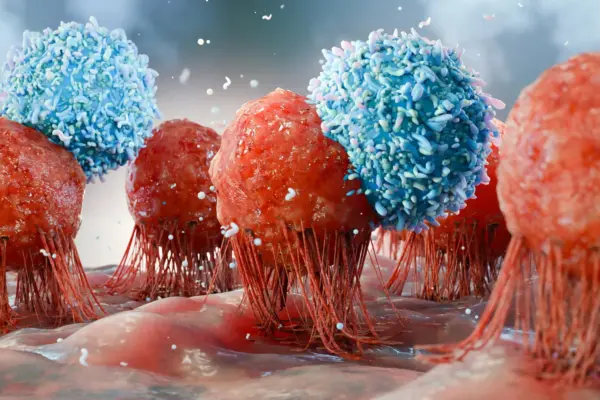
- CAR-T Cell Therapy: Engineering a patient’s own immune cells to target tumor-specific antigens unique to glial cells.
- Oncolytic Viral Therapies: Utilizing genetically modified viruses that selectively replicate within and destroy cancer cells while stimulating an anti-tumor immune response.
- Advanced Precision Oncology Combinations: Pairing targeted molecular inhibitors with immune checkpoint inhibitors to overcome the immunosuppressive microenvironment of the brain.
Without clinical trial sites in the UK, British patients cannot access these experimental pathways locally, forcing them to watch from afar as breakthroughs unfold in American, Australian, and Chinese medical centers.
Future Outlook: Can Advocacy Drive Systemic Reform?
Archie Goodburn’s meeting with Prime Minister Andy Burnham represents a crucial test of political will. The intersection of elite sports advocacy and rare disease lobbying has historically proven effective at capturing public attention; however, turning emotional resonance into institutional change requires a sustained, multi-pronged strategy.
Key Policy Recommendations for the UK Government
To address the criticisms leveled by Goodburn and reverse the clinical trial deficit highlighted by GlobalData, healthcare analysts and patient advocacy groups recommend four immediate policy interventions:
- Establish a National Neuro-Oncology Lead: Appointing a dedicated national clinical champion with direct budgetary and regulatory authority to streamline brain cancer research, oversee cross-NHS trial integration, and eliminate regional disparities in patient access.
- Streamline NHS Trust R&D Approvals: Implementing a centralized, streamlined approval process for clinical trials across all NHS Trusts to eliminate redundant local bureaucracy that currently delays trial activation by months or even years.
- Leverage the Rare Cancers Bill: Fully funding and enforcing the provisions of the Rare Cancers Bill to create aggressive tax incentives and fast-track pathways for international pharmaceutical companies wishing to open trial sites in the UK.
- Expand Decentralized Trial Frameworks: Investing in decentralized clinical trial (DCT) infrastructure, enabling patients outside major urban centers like London, Edinburgh, and Manchester to participate in complex trials without relocating.
Conclusion: A Race Against Time
For Archie Goodburn, the fight is deeply personal. Every month spent navigating administrative roadblocks is a month lost in the global race against an inoperable malignancy. Yet, his willingness to step onto a national broadcasting platform and demand accountability has fundamentally shifted the discourse surrounding British brain cancer care.
As Prime Minister Burnham prepares to sit down with the Team GB swimming star, the eyes of the UK neuro-oncological community are fixed on Downing Street. The central question is no longer whether the British public cares about brain cancer—Goodburn has proven unequivocally that they do. The question is whether the machinery of government possesses the agility, empathy, and urgency required to transform political promises into life-saving clinical trials.