





Executive Overview
For decades, the standard paradigm of modern immunology has operated on a reactive framework: administer a vaccine, wait for the physiological calendar to turn, and subsequently measure the generated antibody titers to determine efficacy. While this population-wide strategy has successfully eradicated historical scourges and mitigated countless modern pathogens, it harbors a glaring blind spot. Vaccines prevent serious illness for millions, yet the immune protection they produce can differ substantially from one person to another. Why does one individual develop robust, long-lasting immunity from a standard dose while another—often of the same age and general health status—mounts a sluggish, insufficient defense?
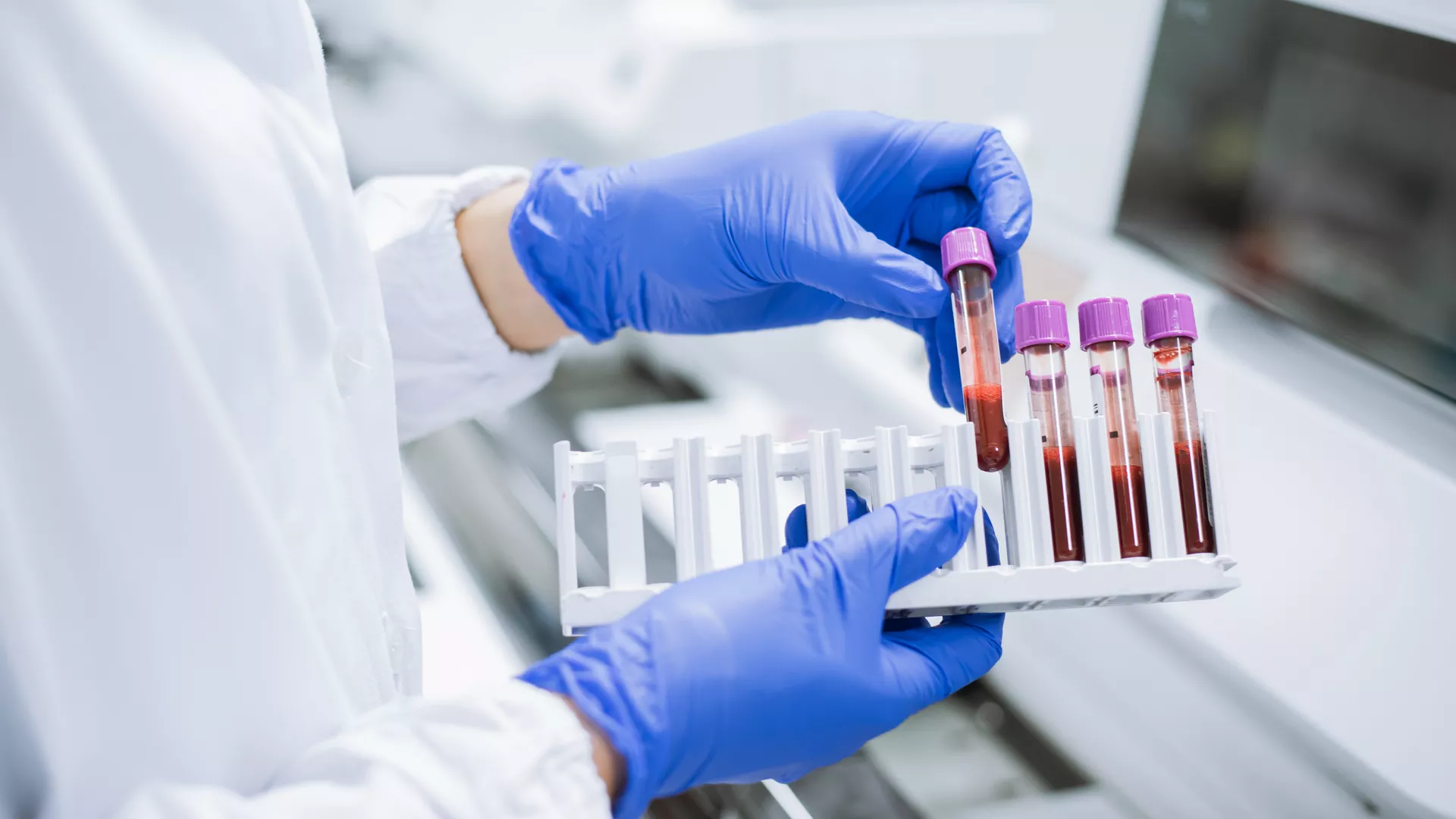
Groundbreaking new research led by Arizona State University (ASU) offers a paradigm-shifting clue about what lies behind these enduring immunological mysteries. Published in the current issue of Cell Press Blue, a comprehensive study reveals that the human immune system may broadcast clear signs of how strongly it will react even before a single dose of a vaccine is administered. By analyzing pre-vaccination blood samples from over 4,000 individuals and deploying advanced artificial intelligence to parse millions of biological data points, researchers have identified distinct "antibody signatures" and "sentinel" biomarkers.
These discoveries challenge the long-held medical assumption that broad health categorizations—such as "healthy" or "immunosuppressed"—are sufficient to predict vaccine outcomes. Instead, the ASU-led team demonstrates that a person’s immunological history, captured through a broad-spectrum antibody "fingerprint," can forecast their vaccine readiness with remarkable precision. This investigative leap points toward a future where preventative medicine is truly individualized, tailoring vaccination schedules, dosages, and protective strategies to the unique, pre-existing preparedness of a patient’s immune ecosystem.
Detailed Chronology and Investigative Methodology
To unravel the complex variables governing vaccine efficacy, the research coalition embarked on a massive, methodical investigation that bridged high-throughput laboratory screening with cutting-edge computational biology.
The project was spearheaded by Dr. Joshua LaBaer, executive director of the Biodesign Institute at ASU and director of the Virginia G. Piper Center for Personalized Diagnostics. Recognizing that traditional, single-target assays were insufficient for capturing the holistic state of the human immune system, LaBaer’s team devised a multi-institutional framework spanning medical and research facilities across the United States.
Step One: Capturing the Baseline Immune Landscape
Rather than merely evaluating post-vaccination blood work, the researchers inverted the traditional scientific approach. They sought to determine whether immune patterns already circulating in the bloodstream could reveal how someone would respond before receiving the COVID-19 vaccine.
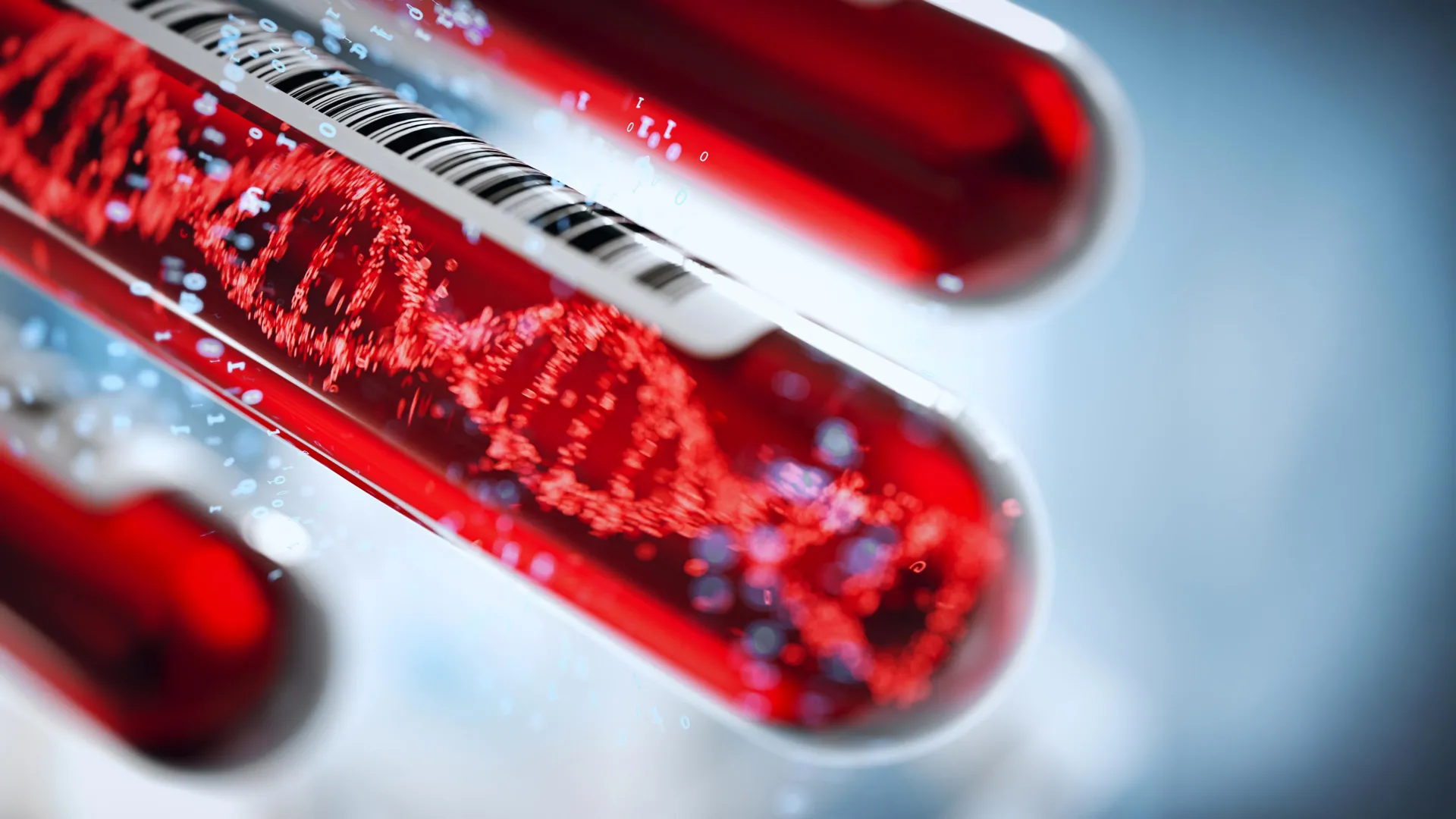
To accomplish this, the team examined an expansive biorepository of blood samples. In total, they analyzed 8,687 samples gathered from 4,089 individual participants. This diverse cohort was deliberately designed to capture a wide spectrum of human health, including healthy volunteers alongside patients managing various diseases or undergoing medical treatments associated with immune suppression. The inclusion criteria featured individuals living with HIV, multiple myeloma, solid organ malignancies, autoimmune disorders, inflammatory bowel disease (IBD), and those who had undergone solid organ transplantation.
Step Two: Multiplex Screening Across 185 Antigens
Using sophisticated high-throughput screening technologies capable of measuring many antibody responses simultaneously, the investigators probed each blood sample against a panel of 185 distinct antigens.
This comprehensive panel went far beyond the immediate target of the COVID-19 vaccine (SARS-CoV-2). It included targets connected to a wide array of widespread viruses, common bacteria, and proteins associated with autoimmune conditions. By mapping this broader immunological tapestry—essentially charting the body’s historical exposures and baseline circulating antibodies—the researchers generated a rich, multi-dimensional profile or "fingerprint" for every participant.
Step Three: Unleashing Artificial Intelligence on Biological Big Data
With thousands of participants and 185 antigen measurements per sample, the resulting dataset spanned millions of individual biological signals. Human analysis alone could never hope to untangle the intricate, non-linear relationships hidden within such a massive volume of data.
To overcome this analytical bottleneck, the research team deployed advanced artificial intelligence and deep learning models. Machine learning algorithms were trained to search for patterns in blood samples taken both before and after COVID-19 vaccination. By processing these millions of data points, the AI systems successfully uncovered subtle antibody signatures capable of cleanly separating individuals who produced robust, powerful vaccine responses from those whose biological reactions were significantly weaker.
Supporting Context & Metrics: Challenging the Limits of Conventional Medical Categories
The implications of the ASU-led study become even more profound when examining the granular data and metrics generated by the cohort analysis. For years, clinicians have relied on broad categorical classifications to assess risk and predict medical outcomes. When it comes to vaccination, conventional wisdom dictates that individuals with compromised immune systems—whether due to underlying illness, biological therapies, or advanced age—will experience diminished vaccine responses.
While the study confirmed that several immunosuppressed groups were indeed more likely to show reduced responses to COVID-19 vaccination, it also shattered the predictive reliability of broad health categories standing alone.
The Statistical Paradox of Immune Response
The metrics uncovered by the research team highlight significant deviations from clinical expectations:
- The Resilient Compromised: A notable subset of participants with clinically suppressed immune systems defied expectations, successfully developing strong, protective responses to the vaccine despite their medical vulnerabilities.
- The Vulnerable Healthy: Conversely, approximately 5% to 6% of healthy participants—individuals with no known history of immune compromise, underlying chronic illnesses, or immunosuppressive treatments—demonstrated unexpectedly weak vaccine responses.
These discrepancies prove that health status alone cannot reliably predict a patient’s immunological destiny. Factors such as age, sex, genetics, previous illnesses, and underlying health conditions unquestionably influence vaccine performance, but they do not tell the whole story. The missing link lies within the pre-existing immunological history written into the blood’s antibody repertoire.
The Power of "Sentinel" Antibodies
Diving deeper into the predictive patterns, the AI analysis highlighted specific antibodies that stood out prominently before vaccination even occurred. Higher baseline levels of antibodies targeting common microbes—such as Staphylococcus aureus, respiratory syncytial virus (RSV), and human respirovirus 3—were consistently associated with stronger, more effective responses to subsequent COVID-19 vaccines.
Crucially, the research team identified these markers as "sentinel" antibodies. These proteins are not necessarily acting directly to neutralize the vaccine target itself. Instead, their elevated presence serves as an indicator of a person’s underlying immune readiness.
Just as a barometer measures atmospheric pressure to forecast upcoming weather, the presence and concentration of these sentinel antibodies provide critical intelligence regarding how prepared the antibody-producing factories of the immune system are to mobilize, proliferate, and mount a coordinated defense when confronted with a novel immunogen.
Furthermore, the deep learning model demonstrated that examining the complete antibody fingerprint yielded vastly superior predictive information compared to evaluating a small number of isolated biomarkers. By combining numerous measurements across the entire panel, the AI constructed a holistic, interconnected picture of each participant’s systemic immune state, proving that understanding vaccine readiness requires viewing the immune system as an integrated, whole network rather than isolated components.
Official Statements and Expert Perspectives
The pioneering nature of this research has drawn praise and commentary from leaders across the biomedical and academic communities. At the center of the investigation, Dr. Joshua LaBaer emphasized the paradigm-shifting nature of utilizing artificial intelligence to read biological preparedness.
"What our study found is that certain biomarkers, when analyzed with AI, can predict who is likely to respond well to a vaccine, even before they receive it. This suggests that some people may be more immune-ready than others," noted Dr. Joshua LaBaer, executive director of the Biodesign Institute at ASU and director of the Virginia G. Piper Center for Personalized Diagnostics.
LaBaer’s comments underscore the transition from reactive medicine to proactive immunological profiling. By recognizing that some patients are intrinsically more "immune-ready," medical practitioners can move away from the "one-size-fits-all" vaccination schedules that have dominated public health policy for generations.
Other experts involved in the collaborative effort have pointed out the distinct advantage of this approach over existing predictive technologies. While certain alternative strategies rely heavily on complex genetic sequencing to forecast immune reactions, the ASU-led methodology focuses on circulating antibody patterns in routine blood samples. This strategic pivot significantly lowers logistical hurdles, paving a smoother, more cost-effective pathway for clinical translation and adoption in everyday medical practice.
Future Outlook: Toward Personalized Vaccination and Tailored Care
As the scientific community digests the findings published in Cell Press Blue, the horizon for preventative medicine is rapidly expanding. While the initial study focused on COVID-19 vaccination, the underlying methodology possesses profound implications that extend far beyond a single pathogen.
Beyond COVID-19: A Universal Immunological Tool
If these groundbreaking findings are successfully confirmed in subsequent, larger-scale clinical trials and extended to additional vaccines—such as those targeting influenza, shingles, pneumococcal disease, and childhood immunizations—the profiling of sentinel antibodies could revolutionize vaccine research, drug development, and clinical care.
For vulnerable populations, including the elderly, immunocompromised patients, and individuals undergoing cancer treatments, this technology could prove life-saving. Doctors could potentially utilize pre-vaccination antibody profiling to identify patients at high risk of mounting a weak defense. Armed with this foresight, clinicians could deploy targeted interventions designed to maximize protection:
- Tailored Dosages: Administering booster doses or optimized formulations to patients identified as having low baseline immune readiness.
- Alternative Protection Strategies: Utilizing monoclonal antibodies or passive immunization for individuals whose baseline biomarker profiles suggest they cannot safely or effectively mount an active response.
- Optimized Scheduling: Adjusting the timing of vaccinations around immunosuppressive therapies to catch the patient’s immune system at its most receptive window.
Redefining Public Health and Clinical Practice
Ultimately, this research points toward a near-future in which vaccination decisions are no longer dictated purely by chronological age or generalized risk groups. Instead, they will be informed by an individual’s own precise, measurable level of immune readiness.
By marrying the vast pattern-recognition capabilities of artificial intelligence with the rich biological history encoded within human blood, science is taking a monumental step away from generalized assumptions and moving firmly into the era of true personalized medicine. As researchers continue to refine these AI-driven biomarker panels, the day when every patient receives a customized immunological roadmap before receiving a single jab is drawing closer than ever before.