






Executive Overview
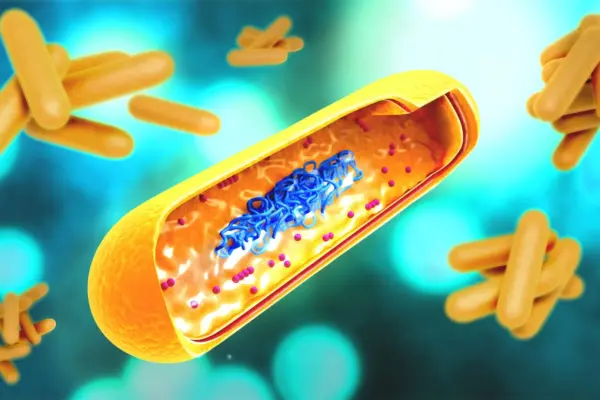
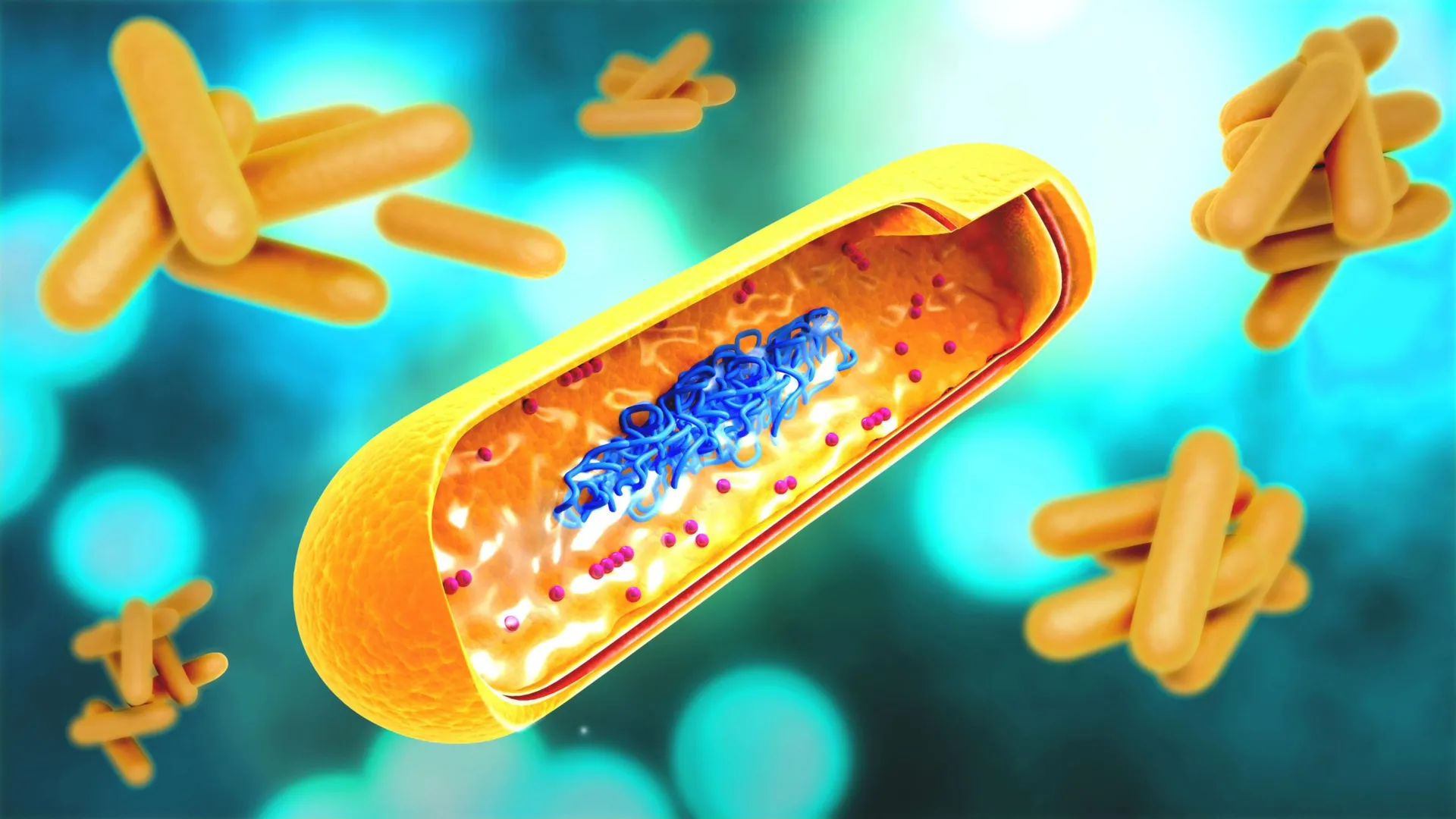
Tuberculosis (TB)—a devastating airborne contagion that has stalked humanity for over six millennia—remains one of the world’s most formidable public health threats. Caused by the bacterium Mycobacterium tuberculosis, the disease continues to claim millions of lives annually, defying modern medicine through a sophisticated survival mechanism: drug-tolerant "persister" cells. These resilient bacteria can lie dormant inside the human body, enduring grueling multi-month antibiotic regimens only to reawaken and trigger a devastating disease relapse.
In a major breakthrough published in the Journal of Clinical Investigation, an interdisciplinary team of researchers at Johns Hopkins Medicine and the Johns Hopkins Bloomberg School of Public Health has unveiled a novel experimental therapeutic DNA vaccine designed to address this exact vulnerability. Delivered directly through the nose, this innovative immunotherapy trains the immune system to actively identify and destroy hidden TB persisters.
When administered alongside first-line antibiotic therapies or potent drug combinations like bedaquiline, pretomanid, and linezolid, the experimental vaccine accelerated bacterial clearance, reduced destructive lung inflammation, and successfully prevented disease relapse in preclinical models. By targeting the respiratory mucosa where infections take root, this nasal DNA vaccine represents a paradigm shift: moving away from an exclusive reliance on aggressive, prolonged antibiotic regimens toward a combined strategy of antimicrobial treatment and targeted immunotherapy. As global health organizations urgently call for new tools to combat drug-resistant strains, this Johns Hopkins innovation offers a promising pathway toward shorter, more effective tuberculosis treatments.
Detailed Chronology
The development of the Mip3α/relMtb intranasal DNA vaccine is the culmination of years of meticulous investigation into bacterial persistence, immunology, and targeted drug delivery at the Johns Hopkins Center for Tuberculosis Research.
Phase I: Identifying the Mechanism of Persistence
For decades, researchers understood that standard anti-tuberculosis regimens often failed not because the drugs were inherently weak against actively dividing bacteria, but because a subset of Mycobacterium tuberculosis pathogens could enter a specialized state of dormancy. These "persisters" survive hostile microenvironments—characterized by low oxygen, nutrient deprivation, and heavy antibiotic pressure—by altering their metabolic state.
The Johns Hopkins team focused on a specific bacterial gene known as relMtb, which produces the RelMtb protein. This protein acts as a master regulator, enabling the microbes to withstand stress and enter their drug-tolerant persistent state. The realization that shutting down or attacking this survival pathway could weaken the pathogen laid the theoretical foundation for the new vaccine.
Phase II: Constructing the Fusion Vaccine
To turn the pathogen’s own survival strategy against it, the researchers engineered a novel genetic construct. They fused the relMtb gene with the Mip3α gene.
- The Mip3α Component: Serves as a molecular homing signal, actively attracting immature dendritic cells. Dendritic cells are critical orchestrators of the adaptive immune system; they capture pathogen-specific proteins and present them to T cells to coordinate a targeted attack.
- The relMtb Component: Provides the specific target antigens derived from the persistence machinery of the bacteria.
By packaging these two genes into a stable DNA vaccine platform, the researchers created a construct capable of priming the immune system specifically against hard-to-reach, dormant bacteria.
Phase III: Preclinical Validation in Murine Models
With the vaccine formulated, the team initiated rigorous testing in murine (mouse) models of tuberculosis. The results demonstrated clear therapeutic synergy. When administered alongside standard first-line anti-TB drugs, the intranasal vaccine:
- Helped infected mice clear the bacteria significantly faster than antibiotics alone.
- Substantially reduced pathological lung inflammation, preventing long-term tissue damage.
- Completely prevented disease relapse after all treatment courses were concluded.
Furthermore, when tested in conjunction with a modern, powerful drug combination comprising bedaquiline, pretomanid, and linezolid, the vaccine enhanced overall treatment efficacy. This finding suggested that the immunotherapy could prove vital in treating drug-resistant forms of tuberculosis, where standard drug options are severely limited.
Phase IV: Bridging to Nonhuman Primates
Seeking to evaluate whether these robust immune dynamics could translate to higher-order organisms, the researchers advanced the candidate to a nonhuman primate study involving rhesus macaques.
While the primate trial was designed to evaluate immunological activation rather than an active challenge with live TB infection, the findings were profoundly encouraging. The nose-delivered DNA vaccine generated measurable, TB-specific immune responses in both the systemic bloodstream and the local airways of the macaques. Crucially, these immune profiles closely mirrored the protective responses observed in the lungs of vaccinated mice, and the immune activation persisted for at least six months. This longevity suggests that a single or periodically boosted immunization regimen could confer durable, long-term protection against relapse.
Supporting Context & Metrics
To understand the urgency and significance of this scientific advancement, one must examine the staggering global metrics surrounding tuberculosis, as well as the unique immunological principles underlying the Johns Hopkins vaccine.
The Global Burden of Tuberculosis
According to the World Health Organization (WHO), tuberculosis remains one of the world’s deadliest infectious pathogens, second only to COVID-19 during peak pandemic years and routinely surpassing HIV/AIDS as a single-pathogen killer:
- Ancient Scourge: TB has afflicted human populations for at least 6,000 years, adapting alongside human civilization.
- Latent Reservoir: Approximately one-quarter of the global population—roughly 2 billion people—carry latent tuberculosis infections. While asymptomatic and non-contagious, individuals with latent TB face a lifetime risk of the disease reactivating.
- Active Cases and Mortality: In 2024 alone, more than 10 million people developed active, symptomatic tuberculosis, and 1.2 million individuals lost their lives to the disease.
- The Resistance Crisis: The spread of multidrug-resistant (MDR-TB) and extensively drug-resistant (XDR-TB) strains threatens global health security. These strains require toxic, highly expensive, and exceptionally lengthy treatment regimens that carry severe side effects and low completion rates.
Immunological Mechanics: Why the Respiratory Mucosa Matters
Traditional vaccines—such as the century-old Bacille Calmette-Guérin (BCG) vaccine—are typically administered via intradermal injection. While BCG provides reasonable protection against severe forms of childhood TB, its efficacy wanes in adolescents and adults, and it fails to reliably prevent pulmonary tuberculosis or eliminate persistent bacteria in the lungs.
The Johns Hopkins vaccine utilizes an intranasal delivery route to exploit the respiratory mucosa—the exact tissue where airborne Mycobacterium tuberculosis bacteria first land and establish infection. By focusing the immune response directly in the airways and lungs, the vaccine achieves several critical advantages:
- Localized T-Cell Generation: It stimulates long-lived tissue-resident memory T cells (both CD4 helper T cells and CD8 killer T cells) directly at the site of potential exposure.
- Enhanced Cellular Coordination: The vaccine increases the recruitment, activation, and structural organization of dendritic cells and T cells within lung granulomas and surrounding tissue.
- Systemic and Mucosal Dual Protection: Alongside localized airway immunity, it maintains robust systemic immune readiness throughout the bloodstream.
Official Statements
The implications of this research have drawn praise from the scientific community, highlighting the collaborative nature of the study and the rigorous path ahead toward human clinical trials.
Lead author Dr. Styliani Karanika, assistant professor of medicine at the Johns Hopkins University School of Medicine and faculty member at the Johns Hopkins Center for Tuberculosis Research, emphasized the transformative potential of combining immunotherapy with chemotherapy:
"Administered together with first-line TB drug therapy, our intranasal DNA fusion vaccine helped infected mice clear the disease bacteria faster, reduced lung inflammation and prevented relapse after treatment ended. The vaccine also helped the powerful TB drug combination of bedaquiline, pretomanid and linezolid work better, suggesting it could be used with treatments against drug-resistant TB to help the body fight the disease, even hard-to-treat cases."
Explaining the precise immunological strategy behind the dual-gene design, Dr. Karanika noted:
"First, TB bacteria possess a gene, relMtb, that produces a protein, RelMtb, to help microbes survive hostile conditions such as antibiotic exposure, low oxygen and nutrient limitation by entering a drug-tolerant persistent state. Fusing relMtb with the Mip3α gene produces a signal that attracts immature dendritic cells—key cells that pick up TB proteins and ‘present’ them to T cells, the immune cells that help coordinate a targeted attack on the TB bacteria."
Highlighting the importance of the nonhuman primate data as a crucial stepping stone, Dr. Karanika added:
"These nonhuman primate data are encouraging because they show that the Mip3α/relMtb vaccine can generate durable, antigen-stimulated immune responses in an animal model whose immune system more closely resembles that of humans. That gives us an important translational bridge between the mouse efficacy studies and the additional preclinical work needed before human trials."
Future Outlook
While the preclinical results published in the Journal of Clinical Investigation represent a major milestone, the journey toward a clinically approved therapeutic vaccine requires careful, methodical progression.
Immediate Next Steps and Preclinical Milestones
Before the Mip3α/relMtb vaccine can advance to human clinical trials, several critical research phases must be completed:
- Primate Challenge Studies: While the rhesus macaque study successfully demonstrated durable, six-month immune activation, future studies must evaluate how vaccinated primates respond when actively challenged with a pathogenic strain of Mycobacterium tuberculosis.
- Safety and Toxicology Profiling: Extensive evaluations of mucosal tolerance, potential local inflammation, and systemic safety profiles must be finalized to satisfy regulatory bodies such as the U.S. Food and Drug Administration (FDA) and international health authorities.
- Optimizing Delivery Devices: Refining intranasal delivery mechanisms to ensure consistent, repeatable dosing in humans will be essential for large-scale clinical deployment.
Broader Implications for Global Health
If subsequent trials mirror the success seen in murine models, this therapeutic DNA vaccine could fundamentally reshape the management of tuberculosis worldwide:
- Shortened Treatment Regimens: By enlisting the immune system to actively clear drug-tolerant persisters, physicians could potentially reduce standard six-month (or longer) treatment windows down to significantly shorter durations.
- Combatting Drug Resistance: With MDR-TB and XDR-TB cases rising globally, adjunctive immunotherapies that boost the efficacy of drugs like bedaquiline, pretomanid, and linezolid could save countless lives where standard regimens fail.
- Manufacturing and Stability Advantages: DNA vaccines are inherently stable compared to live-attenuated or protein-subunit vaccines, often requiring less stringent cold-chain storage and offering cost-effective, scalable production capabilities—vital attributes for resource-limited settings where TB burden is highest.
Ultimately, the Johns Hopkins research team’s innovative pivot toward targeting persisters through mucosal immunotherapy marks a vital evolution in infectious disease control. By turning the weapon back on the bacterium’s own survival machinery, modern medicine inches closer to finally dismantling a 6,000-year-old global health crisis.