









Executive Overview
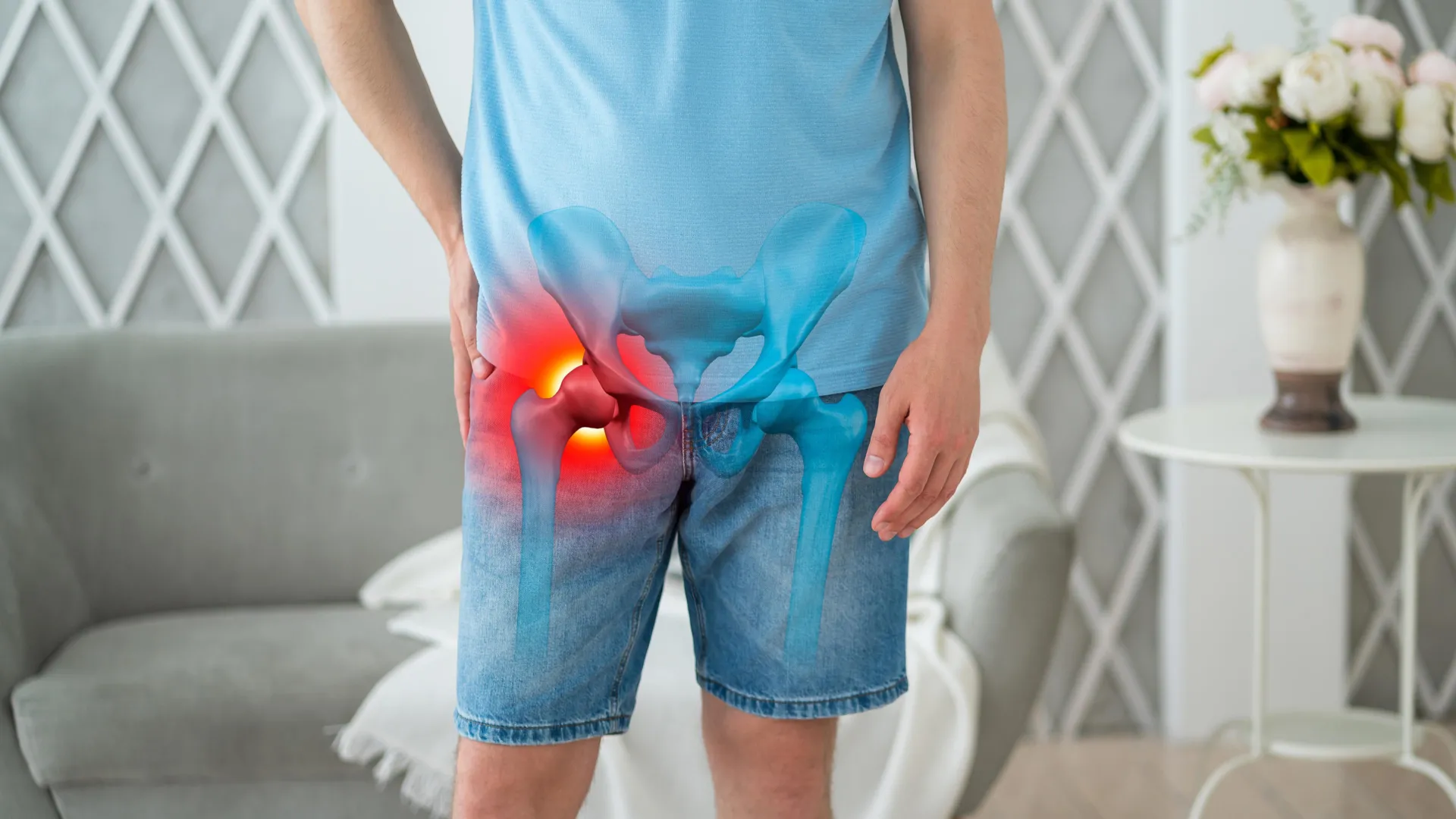
For millions of individuals worldwide suffering from the debilitating aches and stiffness of hip osteoarthritis, physical activity has long been prescribed as a cornerstone of medical management. It is often touted as the primary line of defense—a non-pharmacological, accessible, and low-cost intervention meant to stave off disability, preserve joint mobility, and restore a sense of normalcy to daily routines. However, a comprehensive new Cochrane systematic review challenges these longstanding assumptions, suggesting that while exercise does offer some physiological benefits, the actual relief it provides may be too subtle for many patients to perceive in their day-to-day lives.
Analyzing data from 18 clinical trials encompassing 1,368 participants, researchers from the University of Sydney and the University of Melbourne discovered that structured exercise yields only modest average improvements in pain and physical function for those with hip osteoarthritis. Most critically, the degree of pain reduction often falls short of the threshold required to create a clinically meaningful difference in a patient’s routine existence. Furthermore, the review found little to no discernible improvement in overall quality of life attributable to exercise routines.
Despite these sobering findings, the study’s authors and leading health experts emphasize that exercise should not be abandoned. Physical activity remains vital for overall cardiovascular and metabolic health, carries minimal financial cost, and is remarkably safe when practiced correctly. Rather than signaling an end to physical therapy recommendations, the Cochrane review serves as an urgent call for greater transparency in clinical communication, a re-evaluation of current osteoarthritis guidelines, and significantly more rigorous, large-scale scientific research to tailor interventions to individual patient needs.
Detailed Chronology: How the Research Unfolded
To fully understand the gravity of the new findings, it is helpful to trace the evolution of osteoarthritis research and the specific trajectory that led to this landmark Cochrane review.
The Historical Consensus on Joint Care
For decades, clinical guidelines issued by global rheumatology and orthopedic organizations have universally prescribed exercise as a foundational therapy for osteoarthritis, regardless of whether the affected joint was the knee, hip, or hand. Physicians observed that strengthening the musculature surrounding a degrading joint could help absorb shock, stabilize the skeletal structure, and delay the eventual need for surgical interventions like total hip replacements.
While knee osteoarthritis has historically dominated clinical trials due to its higher prevalence and accessibility for study, hip osteoarthritis was often lumped into broader therapeutic categories. Over time, clinicians assumed that the positive outcomes seen in knee studies would seamlessly translate to the hip joint.
Conception of the Cochrane Review
Recognizing a critical gap in localized evidence—and noting that hip osteoarthritis presents unique biomechanical challenges compared to the knee—an independent team of researchers from the University of Sydney and the University of Melbourne set out to systematically evaluate the true efficacy of exercise specifically targeted at hip osteoarthritis.
The investigative team conducted a rigorous search of global medical databases, adhering to the stringent methodological standards maintained by Cochrane, an independent global network of researchers and health professionals dedicated to synthesizing healthcare research. Their goal was to isolate randomized controlled trials comparing exercise programs against usual care, placebo interventions, or no treatment specifically in populations diagnosed with hip osteoarthritis.
Screening and Selection of Clinical Trials
Through exhaustive screening, the researchers identified 18 eligible clinical trials that met their strict inclusion criteria. These studies collectively involved 1,368 participants, providing a robust, albeit constrained, dataset for meta-analysis.
As the data was aggregated and analyzed, a complex picture began to emerge. The trials varied wildly in their design, duration, and execution. Some programs lasted a mere two weeks, while others spanned an entire year. The interventions themselves were equally heterogeneous, encompassing everything from high-resistance strength training and aerobic conditioning to mind-body practices like yoga and tai chi.
When the researchers pooled the data to measure outcomes on standardized pain and physical function scales, the results painted a much more modest picture of exercise efficacy than previous consensus guidelines had suggested. The findings were subsequently prepared for publication, igniting a broader conversation within the medical community about how physical therapy is prescribed, measured, and communicated to patients.
Supporting Context & Metrics: Breaking Down the Data
To appreciate why researchers are urging caution, one must examine the specific metrics and clinical benchmarks used to evaluate pain management and functional recovery in osteoarthritis trials.
The 100-Point Pain Scale: Expectation Versus Reality
In clinical research, pain is frequently measured using validated quantitative tools, such as a 100-point visual analog scale or numerical rating scale, where higher numbers indicate greater agony. In the Cochrane review, when researchers compared exercise groups against control groups receiving usual care or no treatment, exercise was found to lower pain scores by an average of about 7 points on a 100-point scale.
At first glance, a numerical reduction may sound encouraging. However, pain researchers and clinical experts generally agree that for a patient to experience a noticeable, meaningful improvement in their daily life—such as being able to walk to the grocery store without wincing or climb a flight of stairs comfortably—pain must be reduced by at least 12 points on that same 100-point scale.
Consequently, a 7-point drop, while statistically detectable in a laboratory setting, often falls below the threshold of human perception during the chaotic, varied demands of everyday living. A patient whose pain drops by 7 points may still wake up with the exact same functional limitations and stiffness that characterize chronic hip osteoarthritis.
Physical Function and Quality of Life Metrics
Physical function followed a remarkably similar trajectory. While participants in exercise programs demonstrated slight, measurable gains in their ability to perform daily tasks, these improvements were largely modest.
Moreover, a methodological limitation surfaced during the analysis: the standardized thresholds used to define "meaningful improvement" in osteoarthritis trials have historically been developed primarily from studies involving knee osteoarthritis or heterogeneous groups combining both knee and hip patients. Because the biomechanics of the hip ball-and-socket joint differ significantly from the hinge mechanics of the knee, these borrowed thresholds may overestimate or inaccurately reflect the genuine lived experiences of people suffering specifically from hip osteoarthritis.
Most concerningly, the review revealed that exercise produced little to no discernible improvement in overall quality of life, regardless of whether the control group received standard medical management, placebo attention, or no intervention at all. This disconnect between joint-specific mechanical changes and holistic well-being highlights the psychological and emotional toll of living with chronic, degenerative pain that simple exercise regimens fail to fully resolve.
Participant Demographics and Study Limitations
A closer look at the 1368 participants across the 18 trials reveals important demographic boundaries that must be considered when interpreting the data:
- Gender Distribution: Approximately 63% of the participants were women, reflecting the higher prevalence of osteoarthritis in post-menopausal populations.
- Age Range: The vast majority of participants fell between the ages of 53 and 74. As a result, these findings cannot be automatically extrapolated to younger adults—such as athletes or individuals with early-onset post-traumatic hip osteoarthritis.
- Methodological Flaws: The vast majority of the included studies were relatively small and unblinded. In clinical research, blinding participants to whether they are receiving an active treatment (like exercise) versus a control is notoriously difficult. Because participants were fully aware they were exercising and subsequently self-reported their own pain and functional levels, psychological bias may have inadvertently inflated the perceived benefits of exercise in the original trials.
Official Statements and Expert Perspectives
The release of the Cochrane review has prompted nuanced commentary from the lead researchers and broader public health authorities, emphasizing a balanced perspective that avoids dismissing physical therapy while demanding greater scientific rigor.
Navigating Patient Expectations
Dr. Michelle Hall, co-lead author of the review from the University of Sydney, stressed the importance of honest, transparent communication between healthcare providers and patients living with chronic joint pain.
"Exercise is recommended as a primary treatment for hip osteoarthritis, and this review doesn’t overturn that," Dr. Hall noted. "Pero it does suggest we should be honest with patients that the average benefit may be modest, and that we need better-designed trials to understand who benefits most and from which type of exercise."
Dr. Hall’s comments address a common pitfall in clinical practice: over-promising the curative powers of physical activity. When patients are told that exercise will "fix" their hip pain, and they subsequently experience only marginal relief, they may feel a sense of personal failure or frustration, potentially abandoning physical activity altogether or seeking out costly, unverified alternative treatments.
Avoiding False Hope While Fostering Hope
Echoing these sentiments, co-lead author Dr. Belinda Lawford from the University of Melbourne highlighted the delicate psychological tightrope clinicians must walk when treating vulnerable populations.
"There just isn’t a huge body of evidence out there," Dr. Lawford explained. "For some people struggling with hip pain, exercise can really be their only hope, but I also don’t want to give patients false hope. It’s important future research is done with larger, better-quality trials, examining what types of exercise work specifically for different people."
For individuals facing the prospect of invasive joint replacement surgery, exercise represents a non-surgical lifeline. Dr. Lawford’s remarks underscore the urgency of moving away from a generalized "one-size-fits-all" exercise prescription and moving toward personalized medicine, where specific physical regimens are matched to specific patient phenotypes.
The Broader Medical Consensus
Outside the immediate research team, orthopedic surgeons, physical therapists, and general practitioners have begun discussing the implications of the review. The prevailing consensus is clear: exercise remains a cornerstone of preventative health and joint management, but it must be reframed. It should be presented to patients not as a miraculous cure that will eradicate hip osteoarthritis, but as an essential maintenance tool designed to preserve overall health, manage systemic inflammation, and support general mobility while patients navigate their condition alongside other medical therapies.
Future Outlook: The Path Forward for Hip Osteoarthritis Research
As the medical community digests the findings of the Cochrane review, attention is rapidly shifting toward what must be done next to bridge the evidentiary gaps and improve patient outcomes.
The Demand for Rigorous, Large-Scale Trials
The primary takeaway for the scientific community is the urgent necessity for higher-quality evidence. Future clinical trials investigating hip osteoarthritis must move beyond small, unblinded pilot studies. Researchers are calling for large-scale, multi-center randomized controlled trials that incorporate rigorous blinding methods wherever possible, utilize objective measures of physical function alongside subjective patient-reported outcomes, and track participants over extended periods—ranging from several years to decades.
Personalization and Phenotyping
Not all hip osteoarthritis is created equal. Factors such as patient age, body mass index (BMI), genetic predispositions, muscle mass distribution, severity of cartilage degradation, and underlying inflammatory profiles can dramatically alter how an individual responds to physical stress.
Future research must focus on patient phenotyping—identifying distinct subgroups within the broader osteoarthritis population to determine:
- Which individuals are most likely to achieve clinically meaningful pain relief from high-resistance strength training versus low-impact aerobic activity?
- Which patients require supplementary interventions, such as pharmacological agents, weight management programs, or psychological support, to achieve a tangible improvement in quality of life?
- At what stage of joint degeneration does exercise cease to be beneficial, signaling that surgical intervention is the appropriate next step?
Redefining Clinical Guidelines
Ultimately, health agencies and professional bodies responsible for drafting clinical practice guidelines will need to revisit their recommendations. While physical activity will undoubtedly remain a primary recommendation due to its overarching systemic health benefits, guidelines must incorporate nuanced qualifiers. Clinicians will need to be equipped with better tools to set realistic expectations, ensuring that patients understand exercise as a valuable component of comprehensive chronic disease management rather than a guaranteed ticket to a pain-free life.
In conclusion, while the Cochrane review may temper our enthusiasm for exercise as a standalone remedy for hip osteoarthritis, it does not diminish its overall value. Instead, it acts as a much-needed catalyst for scientific maturity—pushing researchers, clinicians, and patients alike toward a more honest, precise, and personalized approach to joint health in the 21st century.