









Executive Overview
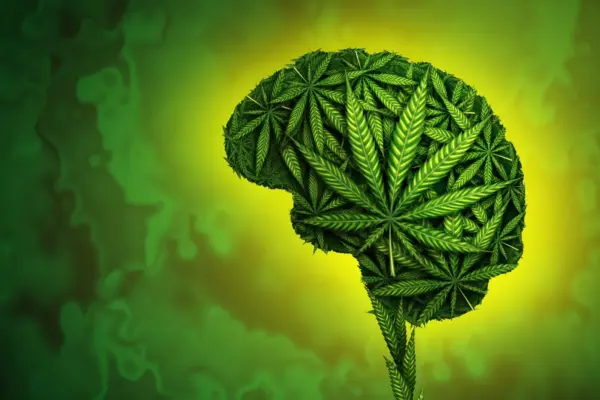
As the cultural and legal landscape surrounding cannabis continues to shift dramatically across the United States, scientific inquiry is racing to keep pace with changing consumption patterns. A pioneering study conducted by researchers at Oregon State University (OSU) has shed new light on the physiological impacts of regular cannabis consumption, specifically regarding the human body’s primary neuroendocrine stress-response system. Published in the peer-reviewed journal Cannabis, the research reveals that individuals who use cannabis frequently may begin their days with significantly higher baseline levels of cortisol—often referred to as the body’s chief "stress hormone"—compared to non-users.
Led by Dr. Anita Cservenka of the OSU College of Liberal Arts, alongside colleagues Julia Donner and Alexia Obrochta, the investigation focused on the hypothalamic-pituitary-adrenal (HPA) axis. While millions of Americans turn to cannabis for immediate relief from anxiety and daily stressors, this study suggests a more complex, long-term physiological interaction. Rather than simply soothing the nervous system, frequent cannabis use over time may interfere with the body’s delicate biological rhythms that regulate how we process and react to stress.
The findings arrive at a critical juncture in public health. Over the past decade and a half, cannabis use among young adults has surged to unprecedented heights, driven by widespread legalization, shifting social norms, and commercialization. With nearly a third of young adults reporting recent use and a notable increase in high-frequency consumption, understanding the long-term neurobiological consequences has never been more pressing.
While the study does not definitively prove a direct causal relationship—acknowledging that elevated morning cortisol does not necessarily cause increased cannabis use, nor vice versa—it provides an essential launching pad for future longitudinal research. Ultimately, the researchers propose that morning cortisol concentrations could potentially serve as a vital neurobiological marker for problematic cannabis use, opening up new avenues for clinical diagnosis, intervention, and public health awareness.
Detailed Chronology and Methodology of the Study
To understand how frequent cannabis consumption interacts with the human endocrine system, the research team at Oregon State University designed a rigorous protocol centered around the physiological marker known as the cortisol awakening response (CAR).
Investigating the Cortisol Awakening Response (CAR)
The study, funded by the OSU Center for the Humanities, the OSU College of Liberal Arts, and internal university grants, sought to explore an area of neuroendocrinology that has remained remarkably under-researched: how heavy, frequent cannabis use relates to the HPA axis.
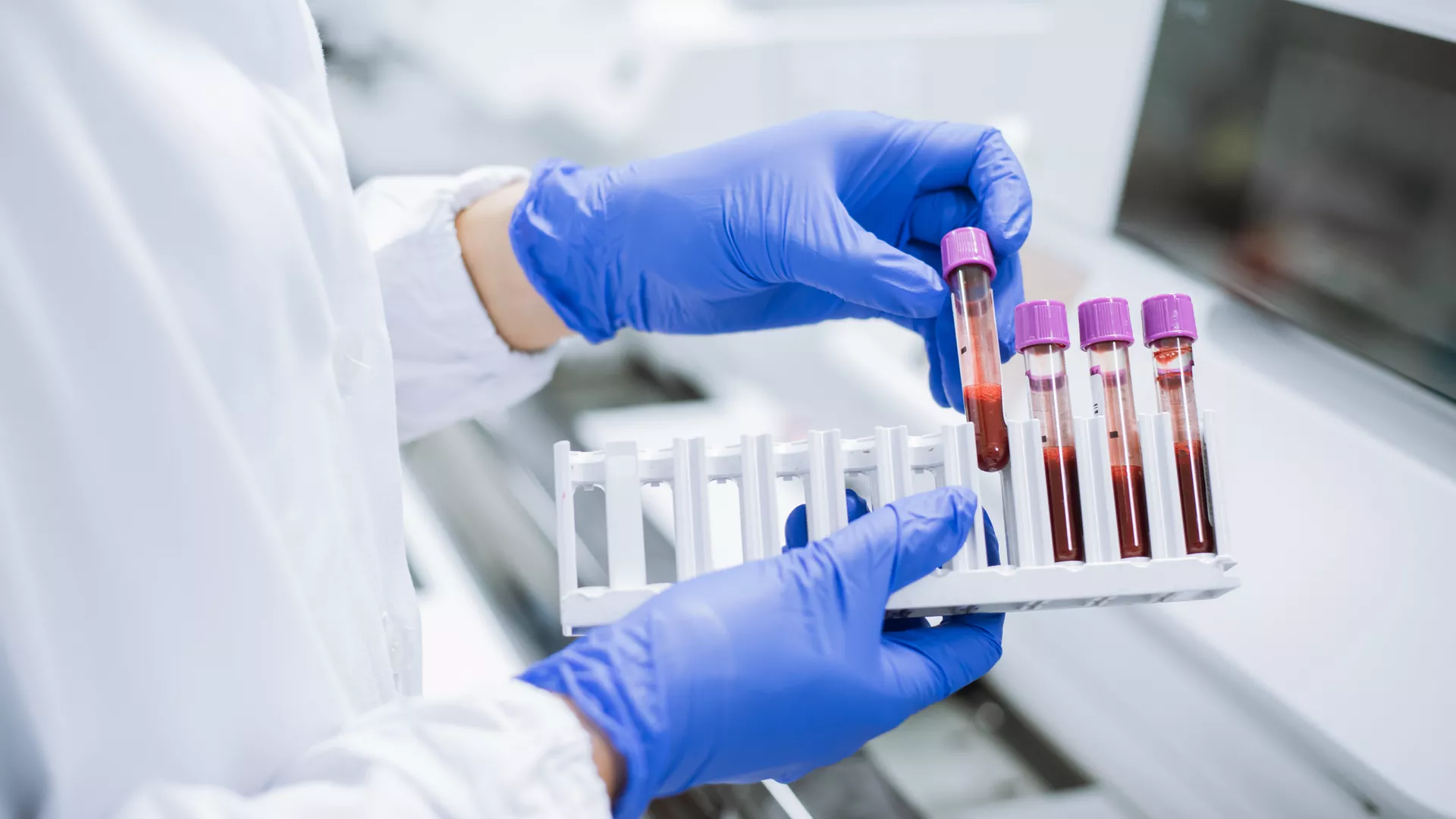
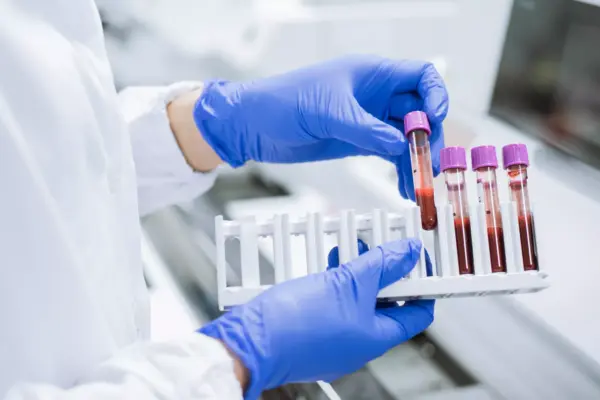
At the heart of the investigation was CAR, a well-documented physiological phenomenon. As Dr. Cservenka explains, CAR represents the natural, sharp surge of cortisol that nearly all human beings experience immediately after waking up, typically peaking roughly 30 minutes post-wakeup. To calculate CAR, researchers must capture precise biological samples at exact time intervals. In practice, this requires measuring cortisol immediately upon waking and taking a second measurement precisely 30 minutes later. By subtracting the initial baseline measurement from the second peak measurement, scientists arrive at a numerical value that reflects how dynamically the body is preparing itself to face the forthcoming demands, pressures, and stressors of the day.
Uncovering the Divergence in Morning Stress Rhythms
When Cservenka and her team analyzed the biological data gathered from study participants, they discovered a nuanced and unexpected pattern. Contrary to some historical hypotheses, the overall size of the morning cortisol increase—the magnitude of the CAR itself—was remarkably similar between frequent cannabis users and non-users. Both groups experienced a post-wakeup surge in the hormone.
However, a profound and critical difference emerged at the very starting line. Individuals who classified as frequent cannabis users did not start from the same baseline as non-users. Instead, they already had significantly higher concentrations of cortisol circulating in their biological systems the moment they opened their eyes in the morning.
This elevated baseline fundamentally shifts how scientists view the morning neuroendocrine profile of heavy cannabis consumers. Rather than experiencing a standard, low-baseline surge, these individuals initiate their daily biological functioning under an already heightened state of hormonal readiness or physiological strain. This discovery challenges prior assumptions about how exogenous cannabinoids interact with endogenous stress-regulation pathways over extended periods.
Navigating Scientific Nuance and Contradictory Prior Findings
Science rarely moves in a straight line, and the OSU study’s findings complicate the broader body of academic literature surrounding cannabis and cortisol. Earlier independent studies conducted by other research groups had frequently reported a "blunted" CAR in frequent cannabis users—meaning their morning cortisol spike was noticeably flatter or lower than normal.
Cservenka and her colleagues did not replicate this blunted response in their cohort. Instead, they observed the elevated awakening baseline while the magnitude of the response remained comparable. According to the researchers, these discrepancies highlight the intense complexity of the human stress system and the myriad variables that can influence neuroendocrine studies. Differences in analytical strategies, participant demographics, frequency thresholds, and sample characteristics can all yield disparate results, underscoring the urgent need for standardized, large-scale studies in the future.
Supporting Context and Metrics: The Surge in Young Adult Cannabis Use
The release of the Oregon State University study coincides with a dramatic transformation in American substance use demographics. Over the past fifteen years, the social acceptability, legal status, and market availability of cannabis have undergone a seismic shift, resulting in soaring consumption rates, particularly among young adults.
Statistical Realities of Modern Consumption
According to comprehensive national health data referenced in the wake of the study, cannabis use among young adults aged 19 to 30 has nearly doubled over the last 15 years. Today, an astonishing 29% of adults within this age bracket report having used cannabis during the preceding 30-day window.
Even more striking is the escalation in high-frequency use. More than 10% of individuals in the 19-to-30 age demographic now report using cannabis at least 20 times within a standard 30-day period. This high-frequency usage rate is more than double what it was a decade and a half ago, signaling that a substantial portion of the population is engaging in chronic, heavy consumption.
[15-Year Trend Analysis: Young Adult Cannabis Use (Ages 19-30)]
------------------------------------------------------------------
Metric                          15 Years Ago        Present Day
------------------------------------------------------------------
Past 30-Day Prevalence          ~14.5%              29.0% (Nearly Doubled)
High-Frequency Use (20+ days)   < 5.0%              > 10.0% (More than Doubled)
------------------------------------------------------------------
Why Cortisol Matters: The Dual Nature of the "Stress Hormone"
To grasp the potential implications of elevated morning cortisol, one must understand the multifaceted biological role that cortisol plays in human health. Produced by the adrenal glands—two small, pyramid-shaped organs sitting atop the kidneys—cortisol is a vital glucocorticoid hormone that acts as a chemical messenger regulating a vast array of physiological processes.
While colloquial media often paints cortisol purely as a villain responsible for stress, belly fat, and burnout, it is fundamentally essential for survival. In the short term, cortisol orchestrates the "fight or flight" response, mobilizing energy reserves, sharpening focus, maintaining blood pressure, regulating metabolism, and helping the body fight off acute infections or inflammation.
However, the human body is designed for acute, short-lived stress responses, not chronic activation. When external pressures—or, as the OSU study suggests, neurobiological alterations linked to substances like cannabis—cause cortisol levels to remain chronically elevated over extended periods, the consequences can become detrimental. Long-term exposure to excess cortisol has been strongly linked in medical literature to an increased risk of clinical anxiety, major depressive disorders, cardiovascular disease, immune dysregulation, and cognitive impairment.
Official Statements and Methodological Caveats
In science, the integrity of a study is measured just as much by what the researchers admit it cannot prove as by what it discovers. Lead researcher Dr. Anita Cservenka was careful to contextualize the findings during media briefings, offering a balanced and scientifically conservative interpretation of the data.
Addressing Causation Versus Correlation
Crucially, Cservenka cautioned that the OSU study does not establish a definitive causal link. The research does not prove that frequent cannabis use directly causes higher cortisol levels upon waking, nor does it demonstrate that individuals with naturally elevated morning cortisol are driven to use cannabis more frequently to self-medicate.
"We would need to study the same groups of people over a longer period of time to understand any cause-and-effect relationship, but we think this provides an important starting point," stated Dr. Anita Cservenka of the OSU College of Liberal Arts.
This distinction is vital for public consumption. Cross-sectional studies provide a snapshot in time—a correlation between two variables—but cannot track the chronological trajectory of an individual’s biology. It remains entirely plausible, for example, that pre-existing high stress levels or atypical HPA axis functioning leads individuals to seek out cannabis for relief in the first place, which in turn correlates with heavier use patterns.
A Potential Biological Marker for Problematic Use
Despite the limitations regarding causality, Cservenka remains optimistic about the clinical utility of the findings. By identifying a tangible physiological correlate to heavy cannabis consumption, researchers are one step closer to developing objective diagnostic tools.
"Our research suggests cortisol levels upon awakening may serve as a neurobiological marker of problematic cannabis use, and that connection needs to be investigated further," Cservenka noted.
By framing awakening cortisol as a potential biological signal, the research opens doors for addiction medicine and mental health professionals. If confirmed by subsequent longitudinal studies, measuring CAR or awakening cortisol baselines could eventually help clinicians identify patients whose cannabis use has transitioned from casual recreational behavior to a problematic pattern that actively disrupts neuroendocrine homeostasis.
Future Outlook: Where Research and Public Health Go From Here
The Oregon State University study marks an important milestone, but it also sounds the starting gun for a broader wave of scientific investigation into cannabis neuroendocrinology. As cannabis legalization spreads globally, understanding its long-term physiological footprints is an urgent public health imperative.
The Need for Longitudinal and Controlled Trials
To move past the limitations of cross-sectional correlation, future research must implement longitudinal designs—tracking cohorts of individuals over months and years as they either initiate, maintain, or cease cannabis use. Furthermore, controlling for variables such as potency, consumption methods (smoking versus edibles versus concentrates), cannabinoid ratios (THC versus CBD), and individual lifestyle factors (sleep hygiene, diet, and chronic baseline life stress) will be paramount.
Disentangling the Feedback Loop
Ultimately, the OSU team hypothesizes that chronic cannabis use may instigate a complex feedback loop. If frequent consumption disrupts normal daily stress rhythms, leading to altered baseline cortisol dynamics, individuals may experience heightened subjective stress or emotional dysregulation during periods of sobriety. This internal discomfort could, in turn, drive further cannabis use to achieve temporary relief, reinforcing a cycle of dependency.
As researchers continue to unravel these intricate biological pathways, public health agencies, clinicians, and consumers alike will benefit from a more transparent, scientifically grounded understanding of how cannabis interacts with the human body’s most fundamental stress-regulation systems.