




Executive Overview
In the ongoing war against oncology’s most elusive adversaries, researchers have unmasked a previously unknown mechanism by which tumors evade the human body’s natural defenses. Published in the prestigious journal Nature, a landmark study led by Dr. André Veillette—a distinguished medical professor at the Université de Montréal and director of the Molecular Oncology Research Unit at the Montreal Clinical Research Institute (IRCM)—has identified a critical vulnerability in how cancers manipulate the immune system.
At the center of this discovery is SLAMF6, a surface molecule natively expressed on immune cells. While the body relies on complex feedback loops to prevent runaway inflammation and autoimmune disease, tumors frequently hijack these regulatory systems to disarm incoming T cells. However, unlike traditional immune checkpoints that require direct, cross-cell communication with tumor cells to trigger suppression, SLAMF6 operates through an autonomous mechanism. It can activate itself directly on the surface of T cells, acting as an internal biological "brake" that grinds the immune response to a halt.
Recognizing the immense therapeutic implications of this discovery, Dr. Veillette’s team engineered a novel class of monoclonal antibodies specifically designed to block SLAMF6 activity. In preclinical trials involving murine (mouse) models, these newly developed antibodies demonstrated a remarkable ability to reinvigorate exhausted T cells, driving robust anti-tumor immunity.
This breakthrough arrives at a critical juncture in oncology. While current checkpoint inhibitors—such as PD-1 and PD-L1 blockers—have revolutionized cancer treatment, a substantial cohort of patients either fail to respond initially or eventually develop therapeutic resistance. By targeting the self-activating SLAMF6 pathway, these pioneering antibodies offer a promising new therapeutic axis. As the IRCM prepares to transition these findings into early-stage human clinical trials, the medical community stands on the precipice of a new generation of precision cancer immunotherapy designed to rescue patients failed by conventional treatments.
Detailed Chronology of the Discovery
The journey toward identifying SLAMF6 as a critical cancer-evasion mechanism was methodical, spanning years of fundamental molecular research and translational experimentation.
Phase I: Mapping T-Cell Exhaustion and Regulation
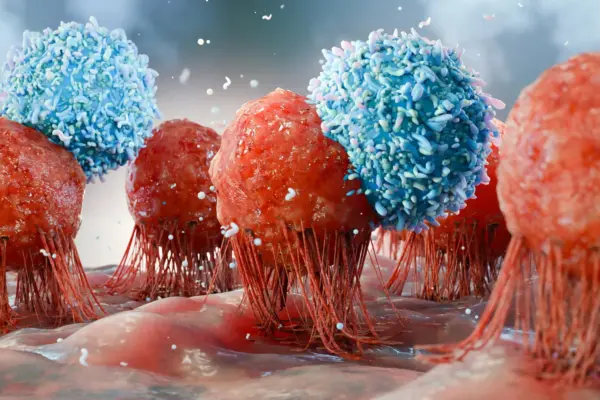
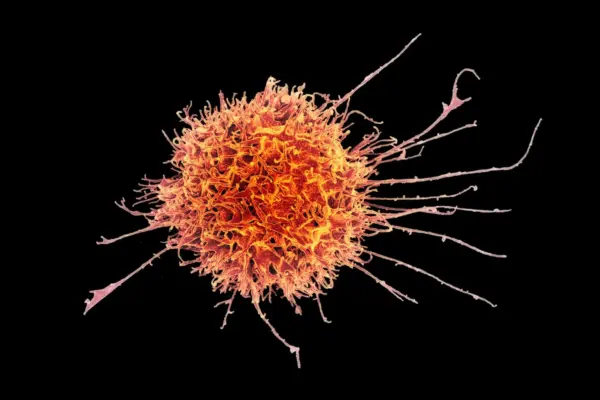
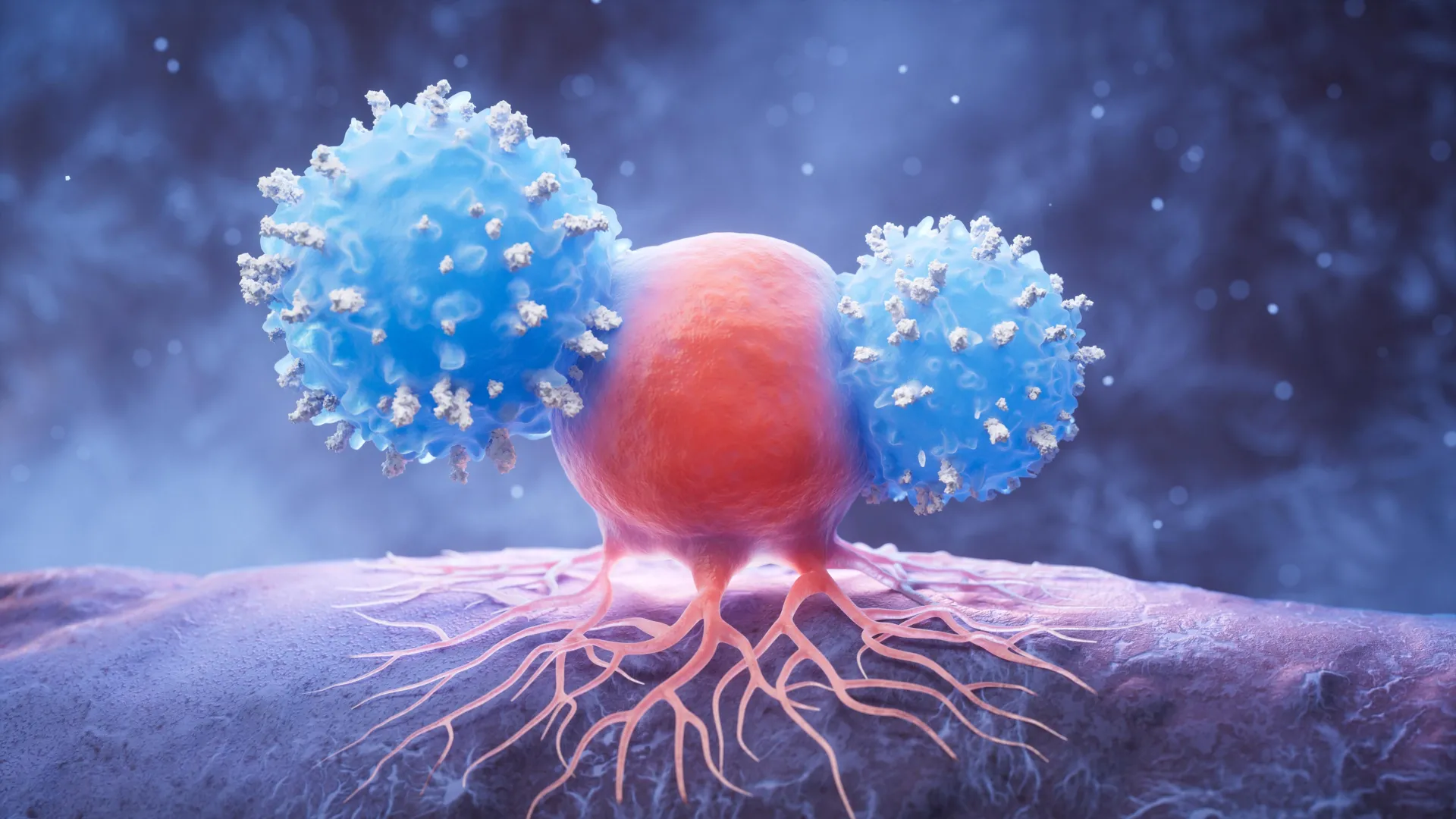
For decades, immunologists have understood that T cells—the foot soldiers of the adaptive immune system—possess incredible potential to seek out and destroy malignant cells. Yet, within the hostile microenvironment of a tumor, these cells frequently become "exhausted," losing their cytotoxic capabilities.
Dr. Veillette’s research team initially set out to investigate surface receptors on immune cells that might be abnormally upregulated in tumor-bearing hosts. While prior research heavily focused on well-known checkpoints like CTLA-4, PD-1, and LAG-3—all of which rely on ligand-receptor binding between the T cell and a tumor or stromal cell—the Montreal team turned their attention to the Signaling Lymphocytic Activation Molecule (SLAM) family, specifically SLAMF6.
Phase II: Uncovering the Autonomous Self-Activation Paradigm
Through exhaustive cellular and molecular assays, the researchers made a surprising and counterintuitive discovery. While most immune checkpoints operate via trans-interactions (requiring the receptor on a T cell to dock with a corresponding protein on another cell), SLAMF6 exhibited cis-interactions.
In simple terms, SLAMF6 molecules on the same T-cell surface can bind to one another. This self-clustering event initiates an intracellular signaling cascade that independently suppresses T-cell activation, proliferation, and cytokine production. The T cell essentially sabotages its own attack mechanics upon receiving the internal SLAMF6 cue.
Phase III: Engineering the Antidote
Having identified the mechanism of suppression, the team shifted from basic science to drug development. Dr. Veillette and his colleagues synthesized a panel of monoclonal antibodies engineered with pinpoint precision to bind to SLAMF6.
The primary objective of these antibodies was steric hindrance: by physically blocking the SLAMF6 molecules from interacting with adjacent copies on the same cell membrane, the antibodies successfully prevented self-activation. Laboratory testing confirmed that these custom-built antibodies lifted the internal brake, freeing T cells to resume their aggressive assault on cancer cells without triggering systemic autoimmune toxicity.
Phase IV: Preclinical Validation and Peer Review
With the antibodies successfully synthesized, the research advanced to in vivo testing using sophisticated murine cancer models. The results exceeded expectations, showing significant tumor regression and prolonged survival rates in subjects treated with the anti-SLAMF6 antibodies compared to control groups.
Following rigorous peer review, the study—formally titled "SLAMF6 as a drug-targetable suppressor of T cell immunity against cancer"—was accepted and published in Nature, cementing its validity and opening the door for translation into human clinical trials.
Supporting Context & Metrics: The Limitations of Current Immunotherapies
To fully grasp the significance of Dr. Veillette’s discovery, one must examine the current landscape of cancer immunotherapy and its glaring clinical limitations.
The Promise and Pitfalls of PD-1 and PD-L1 Inhibitors
Over the past fifteen years, immune checkpoint blockade (ICB) therapies have transformed cancer care. Drugs targeting the PD-1/PD-L1 axis have delivered durable, long-term remissions for patients with advanced melanoma, non-small cell lung cancer, renal cell carcinoma, and Hodgkin lymphoma, among others.
These therapies work on a relatively straightforward premise: tumors often express PD-L1, which binds to PD-1 receptors on infiltrating T cells, effectively sending a "don’t eat me" signal. By introducing monoclonal antibodies that block this interaction, the tumor’s disguise is stripped away, allowing the immune system to recognize and destroy the malignancy.
However, clinical reality reveals a stark limitation:
- Primary Resistance: A significant percentage of patients (often ranging from 40% to 60% depending on the cancer type) experience primary resistance, meaning their tumors fail to respond to PD-1/PD-L1 blockade entirely.
- Acquired Resistance: Among patients who initially respond, a substantial fraction eventually develop acquired resistance, experiencing disease progression after months or years of successful therapy.
- Alternative Escape Routes: Tumors are biologically plastic and highly adaptive. When one inhibitory pathway (like PD-1) is blocked by a drug, malignant cells frequently upregulate alternative suppressive pathways to re-establish immune evasion.
Why SLAMF6 Fills the Treatment Gap
Because SLAMF6 operates independently of tumor-expressed ligands, it represents an entirely distinct evasion strategy. Traditional checkpoint inhibitors are powerless if the T cell’s internal machinery is paralyzed by self-activating receptors like SLAMF6.
By neutralizing SLAMF6, clinicians can bypass the tumor’s manipulation of external ligands altogether. This positions anti-SLAMF6 therapies as an ideal rescue strategy for patients whose cancers have outsmarted PD-1 and PD-L1 inhibitors. Furthermore, preclinical data suggests that combining SLAMF6 blockade with existing immunotherapies could create a synergistic effect, simultaneously neutralizing multiple layers of immune suppression.
Official Statements and Institutional Perspectives
The magnitude of the discovery has drawn high praise from leaders across Canada’s biomedical research sector, emphasizing the collaborative, translational nature of the work conducted at the Montreal Clinical Research Institute (IRCM) and the Université de Montréal.
Dr. Jean-François Côté, President and Scientific Director of the IRCM, highlighted the foundational shift this research represents:
"The discovery made by Dr. Veillette’s team opens the door to a new chapter in immunotherapy. By identifying an internal brake that had until now gone unrecognized and by developing antibodies capable of neutralizing it, our researchers are offering an innovative solution to the limitations of current treatments."
Dr. Côté further emphasized the broader institutional mission behind the breakthrough:
"Rooted in a strategic vision to develop precision therapeutics, this breakthrough brings real hope to many patients and stands as a strong example of the impact of the translational research conducted at the IRCM."
Dr. André Veillette, lead author of the study and director of the Molecular Oncology Research Unit, noted that the creation of these specialized monoclonal antibodies was designed with clinical translation in mind from day one. By outperforming legacy approaches targeting SLAMF6, the team has established a viable drug candidate that bridges the gap between bench science and bedside care.
Future Outlook: Clinical Translation and Next Steps
As the ink dries on their Nature publication, Dr. Veillette and his collaborators are already laying the groundwork for the next critical phase of development: human clinical trials.
Preparing for Clinical Trials
Translating preclinical murine success into human oncology requires a meticulously phased clinical development program:
- Phase I Trials (Safety & Pharmacokinetics): The primary hurdle will be establishing the safety profile of anti-SLAMF6 monoclonal antibodies in human volunteers. Because SLAMF6 is expressed on immune cells, researchers must monitor closely for potential immune-related adverse events (irAEs), such as autoimmune inflammation in healthy tissues.
- Phase II Trials (Efficacy & Biomarker Identification): Once a safe therapeutic dosage window is established, trials will expand to evaluate efficacy in patients with refractory solid tumors and hematological malignancies (blood cancers). Researchers will also focus on identifying predictive biomarkers—genetic or molecular signatures that help clinicians determine which patients are most likely to respond to SLAMF6 blockade.
- Combination Regimens: Future clinical paradigms will likely explore cocktail therapies, pairing SLAMF6 inhibitors with standard-of-care chemotherapy, radiation, or existing PD-1/CTLA-4 checkpoint inhibitors to maximize tumor eradication while minimizing toxicity.
Funding and Collaborative Ecosystem
The successful realization of these clinical goals relies on robust, sustained financial backing. The research team acknowledges vital funding contributions from a coalition of federal and provincial agencies, including:
- The Canadian Institutes of Health Research (CIHR)
- The Terry Fox Research Institute
- BioCanRx
- Québec’s Ministry of Economy, Innovation and Energy
- The Canadian Foundation for Innovation
This multi-institutional backing ensures that Canadian biotechnology and academic research remain at the global vanguard of immuno-oncology.
Conclusion
The identification of SLAMF6 as a self-activating T-cell suppressor marks a watershed moment in cancer research. By exposing how tumors exploit internal cellular brakes to evade immune detection—and engineering sophisticated monoclonal antibodies to release that brake—Dr. André Veillette and his team at the IRCM and Université de Montréal have illuminated a promising new path forward.
For the millions of cancer patients worldwide who face limited options due to drug resistance and treatment failure, this discovery offers more than just academic intrigue; it provides a tangible, scientifically grounded beacon of hope for the future of precision medicine.