










Executive Overview
In a significant milestone for modern oncology and the evolution of cell-based immunotherapies, clinical-stage biopharmaceutical company Dispatch Bio has officially dosed the first human participant in a pivotal Phase I clinical trial. The study is designed to evaluate the safety, tolerability, and preliminary efficacy of DISP-10, a novel, highly engineered investigational immunotherapy tailored for patients suffering from advanced gastrointestinal (GI) cancers.
The first-in-human trial is meticulously structured as a multicentre, open-label investigation targeting adult patients with some of the most aggressive and treatment-resistant malignancies known to modern medicine. These include colorectal, gastric, oesophageal, and gastroesophageal adenocarcinomas. According to the study protocol, the inaugural participant has successfully completed the initial dose-limiting toxicity (DLT) assessment, clearing a critical early hurdle in the clinical evaluation of this complex therapeutic candidate.
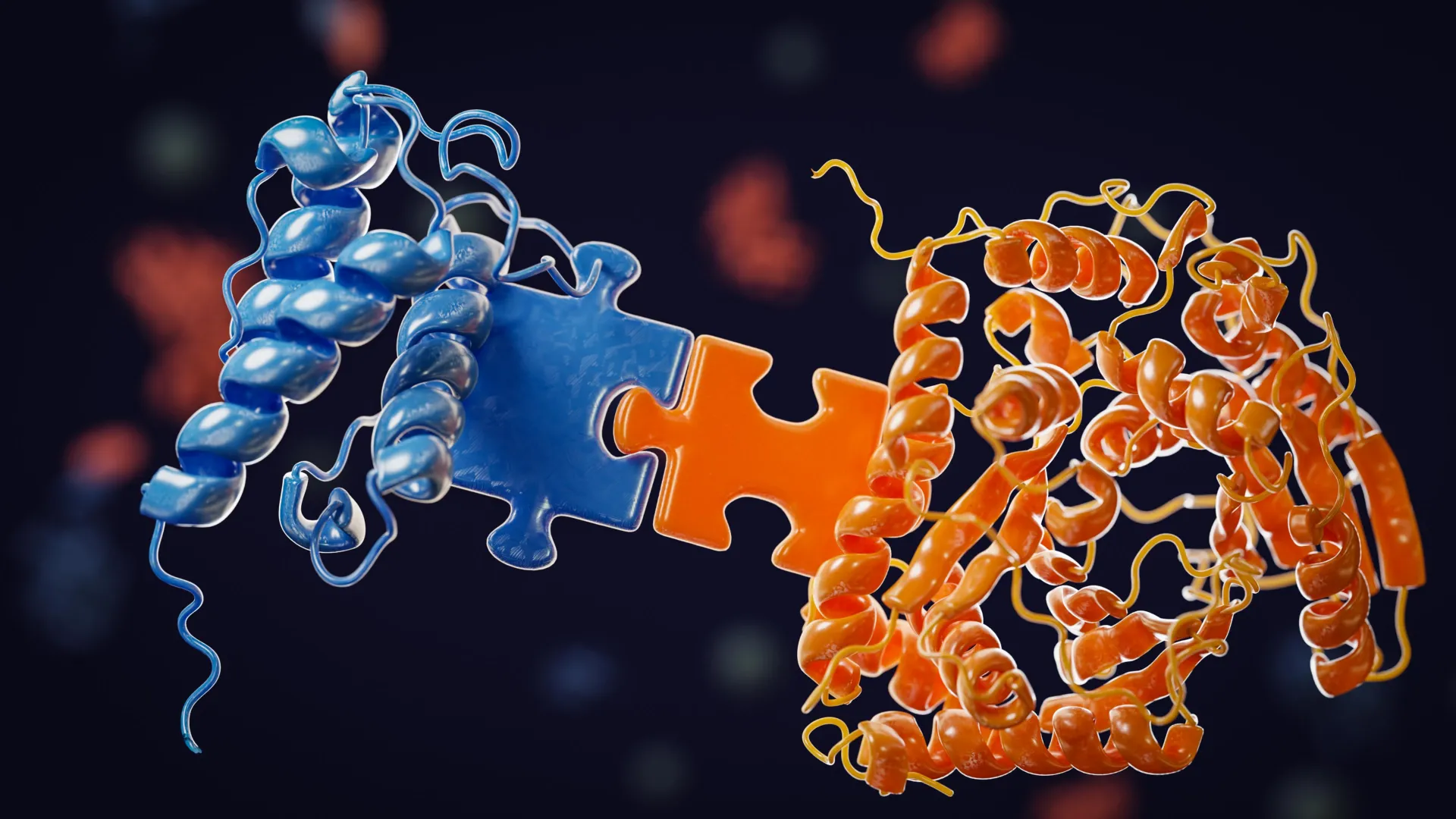
What makes DISP-10 particularly unique is its combinatorial architecture, which brings together a proprietary oncolytic viral platform (DV-10) and an established chimeric antigen receptor (CAR) T-cell therapy (ide-cel, originally developed by Bristol Myers Squibb). By deploying this dual-pronged mechanism, Dispatch Bio aims to overcome the historical and biological roadblocks that have long stymied the application of CAR-T therapies in solid tumours. Recognizing the immense unmet medical need in this patient population, the US Food and Drug Administration (FDA) has already granted Fast Track designation to DISP-10, fast-tracking its path through regulatory evaluation.
This in-depth report explores the scientific architecture of DISP-10, the mechanics of the ongoing Phase I clinical trial, the broader epidemiological landscape of gastrointestinal cancers, and the strategic vision driving Dispatch Bio’s leadership as they chart a new course in the war against solid tumours.
Detailed Chronology: The Road to the First-in-Human Trial
The dosing of the first patient with DISP-10 is the culmination of years of rigorous preclinical research, translational pharmacology, and regulatory navigation. To fully understand the weight of this milestone, it is helpful to trace the developmental trajectory that brought Dispatch Bio to this juncture.
Preclinical Development and Mechanistic Engineering
Long before entering the clinical phase, DISP-10 was conceptualized to solve a foundational paradox in oncology: while CAR-T cell therapies have achieved revolutionary breakthroughs in the treatment of liquid haematological malignancies (such as leukemias and lymphomas), their translation to solid tumours has been largely thwarted. Solid tumours present a hostile, immunosuppressive microenvironment characterized by a lack of uniformly expressed, tumor-specific surface antigens, physical barriers that prevent immune cell infiltration, and systemic mechanisms that exhaust or deactivate infiltrating T cells.
To bypass these biological barriers, Dispatch Bio’s scientific team engineered DISP-10 as a combinatorial therapy combining a specialized viral vector with an FDA-approved cellular therapy.
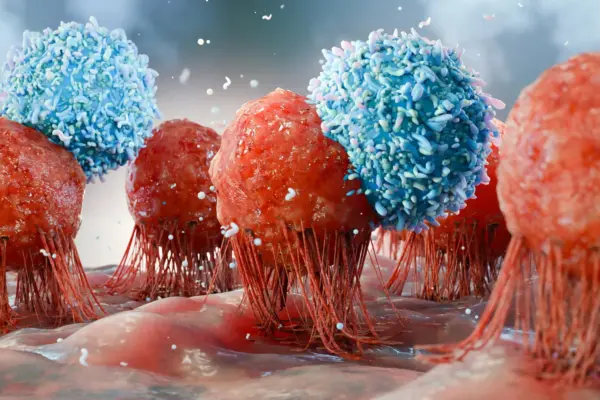
- The Viral Vector Component (DV-10): DV-10 is a meticulously engineered oncolytic virus designed to selectively target tumour cells. Beyond its direct oncolytic (cancer-killing) properties, DV-10 functions as a localized delivery system. It is armed with genetic sequences encoding a modified B-cell maturation antigen (BCMA), Interleukin-18 (IL-18)—a potent pro-inflammatory cytokine that stimulates both innate and adaptive immune responses—and C-X-C motif chemokine ligand 9 (CXCL9), a chemokine responsible for recruiting effector T cells directly into the tumour bed.
- The Cellular Component (ide-cel): The second foundational pillar of DISP-10 is ide-cel, originally developed by Bristol Myers Squibb. Ide-cel is a B-cell maturation antigen (BCMA)-directed genetically modified autologous T-cell therapy. While ide-cel has garnered regulatory approval for specific blood cancers, it is not traditionally approved for the treatment of solid tumours. By deploying DV-10 to "paint" the solid tumour cells with the targeted antigen, DISP-10 effectively creates a synthetic beacon, allowing ide-cel to recognize, infiltrate, and destroy the cancer cells.
Regulatory Milestones and FDA Fast Track Designation
As preclinical data matured, demonstrating robust anti-tumour activity and an acceptable safety profile in animal models, Dispatch Bio engaged regulatory authorities. Recognizing both the severity of advanced GI cancers and the innovative nature of the DISP-10 therapeutic approach, the US FDA awarded the candidate Fast Track designation.
The FDA’s Fast Track program is specifically designed to facilitate the development and expedite the review of drugs that treat serious conditions and fill an unmet medical need. For Dispatch Bio, this designation translates into more frequent interactions with the FDA review team, guidance on efficient trial design, and the potential for accelerated approval pathways should clinical data substantiate the preclinical promise.
Trial Activation and Patient Dosing
With regulatory clearances secured and clinical trial sites activated across multiple medical centers, the trial transitioned from the drawing board to the bedside. The initiation of the multicentre, open-label Phase I study marked the official transition of DISP-10 into a first-in-human candidate.
The recent completion of the dose-limiting toxicity (DLT) assessment by the first dosed participant represents a vital operational milestone. In Phase I dose-escalation trials, monitoring DLTs is essential for determining the maximum tolerated dose (MTD) and establishing the safety boundaries of a novel biologic agent. With the first patient successfully navigating this initial safety window, the trial is positioned to progress steadily through its planned dose-escalation cohorts.
Supporting Context & Metrics: The Crisis of Advanced GI Cancers
To appreciate the clinical urgency behind Dispatch Bio’s trial, one must examine the staggering epidemiological and physiological burdens imposed by gastrointestinal cancers globally, and particularly the shifting demographics of colorectal malignancies.
The Epidemiological Burden of Gastrointestinal Cancers
Gastrointestinal cancers—encompassing colorectal, gastric, oesophageal, pancreatic, and liver malignancies—account for a massive share of the global cancer incidence and mortality burden. According to global health metrics, GI cancers collectively represent nearly one-quarter of all global cancer cases and roughly one-third of all cancer-related deaths.
Among these, colorectal cancer (CRC) has emerged as an increasingly urgent public health crisis. Historically viewed as a disease predominantly affecting older adults over the age of 65, recent decades have witnessed a puzzling and alarming epidemiological shift: colorectal cancer rates have risen sharply among individuals under the age of 50.

| Metric / Feature | Current Epidemiological & Clinical Reality |
|---|---|
| Global Impact | GI cancers account for ~25% of cancer cases and ~33% of cancer deaths worldwide. |
| Early-Onset CRC | Colorectal cancer is now a leading cause of cancer-related mortality in individuals under 50 years old. |
| Primary Targets of DISP-10 | Advanced colorectal, gastric, oesophageal, and gastroesophageal adenocarcinomas. |
| Historical Treatment Hurdles | Lack of safe/homogeneous target antigens, narrow therapeutic windows, immunosuppressive microenvironments. |
Why Solid Tumours Defy Conventional Immunotherapy
Immunotherapy has rewritten the oncology textbook over the last fifteen years, particularly through the advent of immune checkpoint inhibitors (such as PD-1/PD-L1 and CTLA-4 blockers). However, while checkpoint inhibitors have yielded durable remissions in "hot" tumours (like melanoma and non-small cell lung cancer), most gastrointestinal adenocarcinomas remain stubbornly "cold" or resistant to these interventions.
The physiological barriers confronting oncologists treating solid GI tumours include:
- Antigen Heterogeneity: Unlike haematological cancers where target antigens (like BCMA or CD19) are expressed uniformly across malignant cells, solid tumours exhibit vast genetic and phenotypic heterogeneity. A targeted therapy might wipe out cells expressing a specific antigen, only for antigen-negative clones to proliferate, leading to rapid disease relapse.
- The Immunosuppressive Microenvironment (TME): Solid tumours actively construct a biological fortress. They recruit regulatory T cells (Tregs), myeloid-derived suppressor cells (MDSCs), and tumor-associated macrophages (TAMs) that secrete suppressive cytokines (like TGF-beta and IL-10), effectively shutting down infiltrating anti-tumour T cells.
- Physical Barriers and Poor Trafficking: Fibrotic stroma and abnormal tumour vasculature prevent systemic immune cells from physically entering the core of the tumour mass.
DISP-10’s multi-mechanistic design—utilizing an oncolytic virus (DV-10) to remodel the microenvironment via IL-18 and CXCL9 while introducing a targeted CAR-T therapy (ide-cel)—is specifically engineered to dismantle these exact physiological defenses.
Official Statements and Industry Perspectives
The initiation of this Phase I trial has drawn commentary from key leadership figures at Dispatch Bio, underscoring the strategic vision and scientific optimism permeating the organization.
Dr. Mauro Avanzi, Chief Medical Officer of Dispatch Bio, captured the significance of the milestone in an official statement:
"Initiating this trial represents a meaningful step forward for patients with advanced GI cancers, reinforced by the FDA’s Fast Track designation for DISP-10.
We look forward to advancing this study as we work to overcome the longstanding limitations of treating solid tumours with immunotherapy, including lack of a safe and homogeneously expressed target antigen, a narrow therapeutic window, and an inhibitory tumour microenvironment."
Dr. Avanzi’s remarks highlight the core philosophy driving Dispatch Bio’s research division: incremental progress is insufficient when confronting advanced GI malignancies. What is required is a paradigm shift in how engineered cell therapies and viral vectors synergize within human physiology. By directly addressing the hostile tumour microenvironment and engineering a synthetic target via DV-10, Dispatch Bio is attempting to bridge the efficacy gap that has kept CAR-T therapies out of the solid tumour arena for decades.
Industry analysts and oncology specialists are closely monitoring the trial’s progression. The integration of Bristol Myers Squibb’s ide-cel into a novel viral delivery framework also signals a growing trend toward collaborative and modular approaches in biotech, where established clinical assets are repurposed and supercharged through innovative combination therapies.
Future Outlook: What Lies Ahead for DISP-10 and Dispatch Bio
As the Phase I multicentre, open-label study moves forward, the medical and investor communities will be watching closely for emerging clinical data. The immediate objectives for Dispatch Bio over the coming 12 to 24 months include:
1. Dose Escalation and Safety Determination
The primary immediate goal of the Phase I trial is to safely escalate doses across multiple cohorts of patients with advanced colorectal, gastric, oesophageal, and gastroesophageal adenocarcinomas. Establishing the maximum tolerated dose (MTD) and characterizing any dose-limiting toxicities will pave the way for establishing the recommended Phase II dose (RP2D).
2. Assessing Preliminary Efficacy and Biomarkers
Beyond safety, the open-label trial will closely monitor preliminary signs of clinical activity—such as objective response rates (ORR), progression-free survival (PFS), and disease control rates (DCR). Furthermore, correlative biomarker studies will be essential. By analyzing patient blood and biopsy samples pre- and post-treatment, researchers hope to confirm whether DV-10 is successfully driving local IL-18 and CXCL9 expression, recruiting endogenous T cells, and enabling ide-cel infiltration into the tumour core.
3. Broadening Clinical Horizons
If the Phase I trial demonstrates a favorable safety profile and encouraging preliminary efficacy, Dispatch Bio is expected to expand clinical development. This could involve:
- Expanding patient cohorts to include additional gastrointestinal solid tumour indications (such as pancreatic ductal adenocarcinoma).
- Initiating combination expansion arms with standard-of-care chemotherapies or checkpoint inhibitors.
- Leveraging the FDA Fast Track designation to pursue accelerated regulatory pathways, potentially bringing a transformative therapy to patients who currently have exhausted all conventional treatment options.
Conclusion
The dosing of the first patient in Dispatch Bio’s Phase I trial of DISP-10 is more than a routine clinical milestone; it represents a bold assault on some of the most stubborn fortresses in oncology. By fusing viral engineering with cutting-edge cellular therapy, Dispatch Bio is pioneering a path toward true efficacy in solid tumours. For the thousands of patients diagnosed annually with advanced gastrointestinal and early-onset colorectal cancers, DISP-10 stands as a beacon of scientific innovation and renewed hope.