









Executive Overview
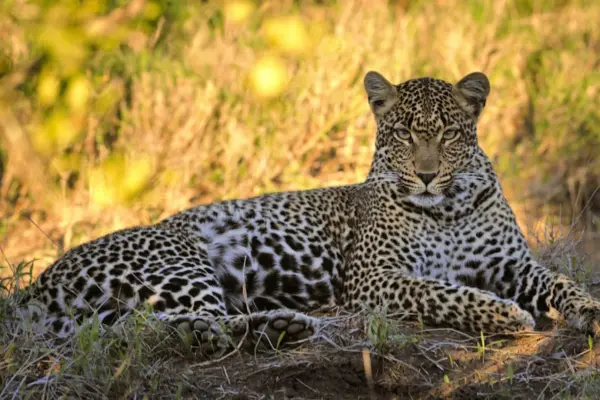
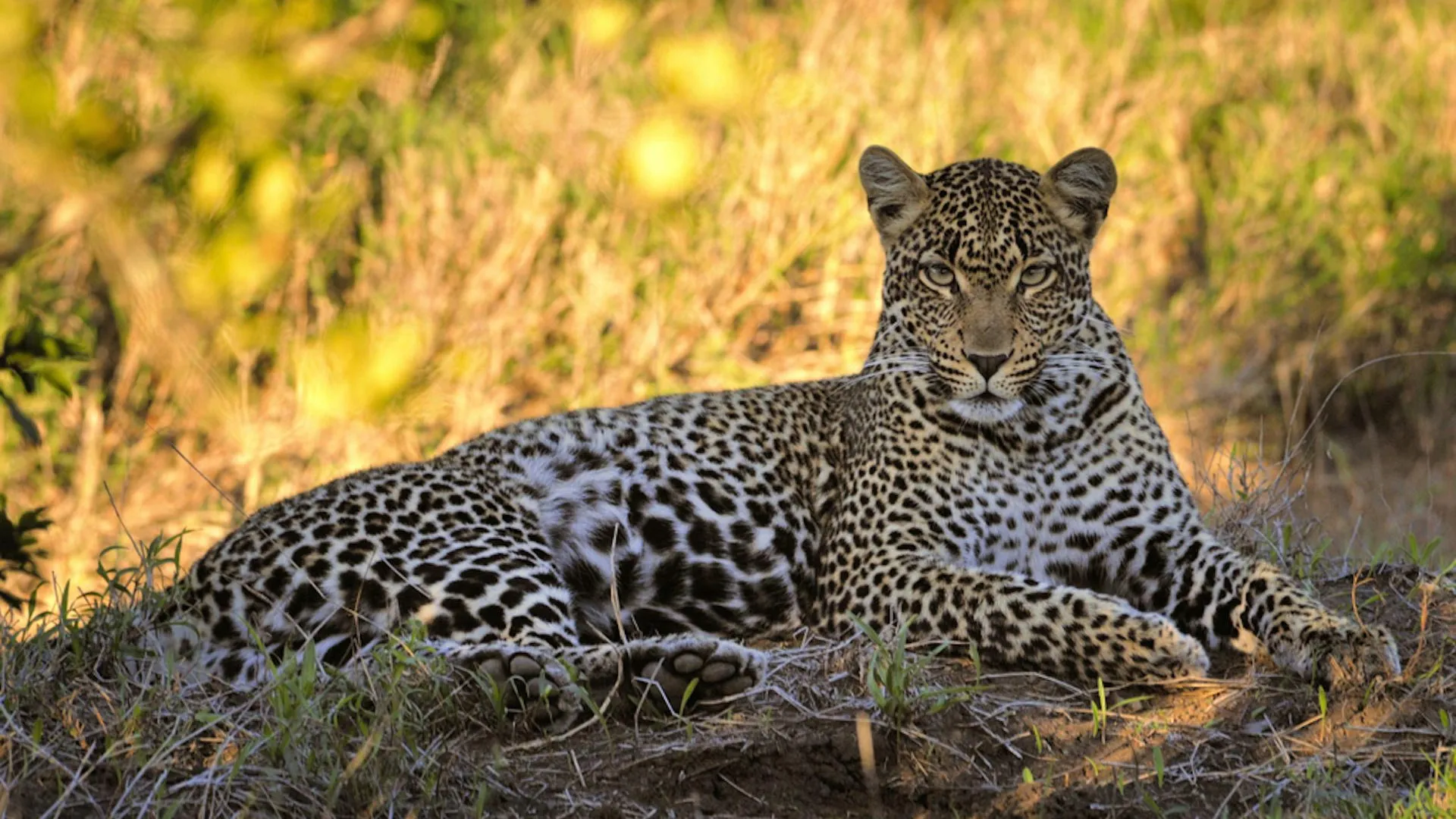
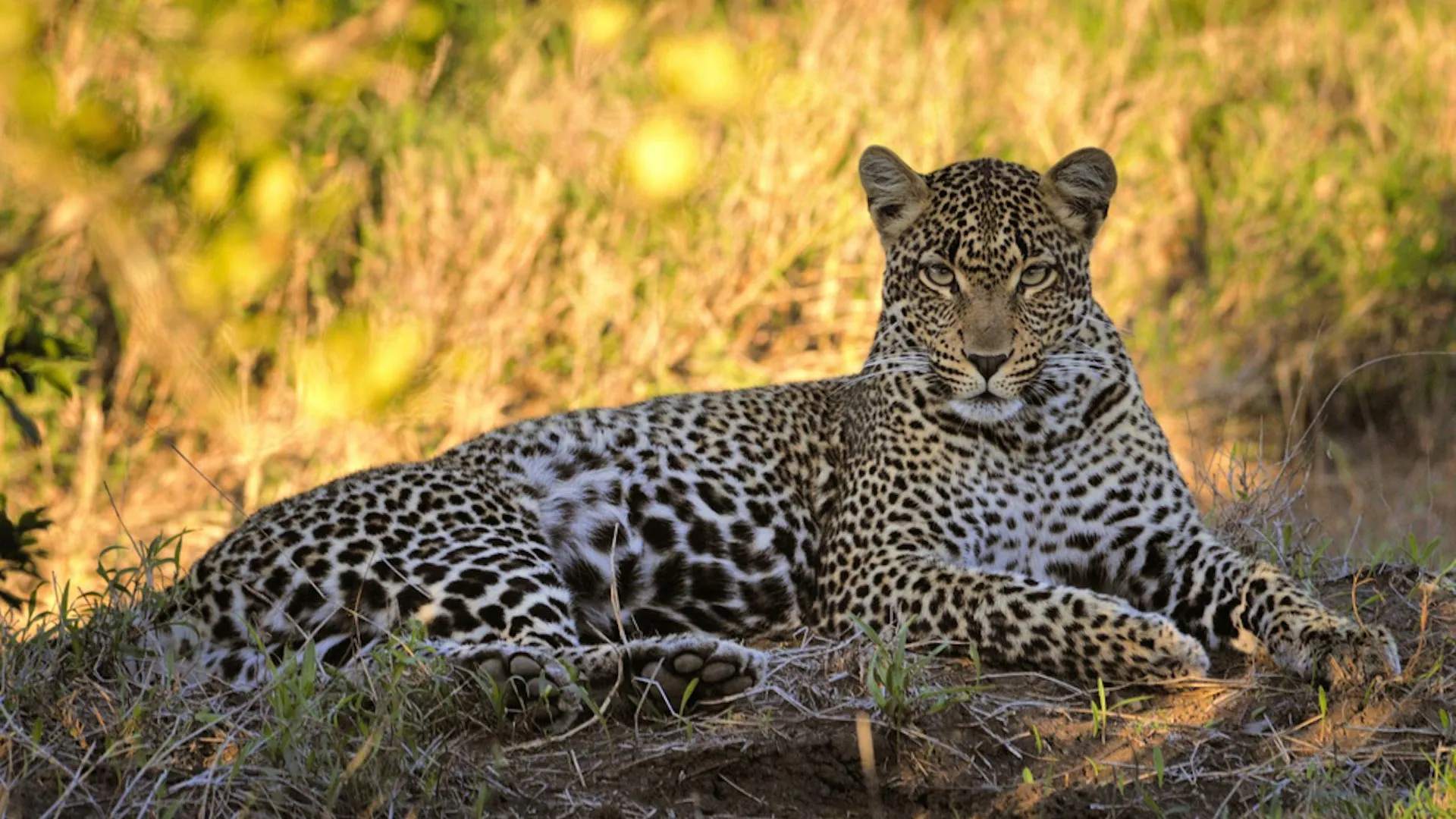
Across the vast, sun-baked savannas, dense jungles, and rugged mountain chains of Africa and Asia, the leopard (Panthera pardus) has long reigned as one of the planet’s most adaptable and widespread apex predators. Possessing an extraordinary range, these solitary cats display striking phenotypic variations. From coat colors that shift from pale tawny in open arid plains to deep golden hues in thick forests, to massive frames weighing over 90 kilograms down to much leaner builds, the leopard’s physical adaptability is legendary.
Yet, for decades, wildlife biologists and conservationists have puzzled over a distinct anomaly residing at the southern tip of the African continent. In South Africa’s globally renowned Cape Floristic Region—a landscape celebrated for its hyper-diverse, Mediterranean-type flora found nowhere else on Earth—the local leopard population stands out for a peculiar trait: they are remarkably diminutive. Some individuals weigh barely half the body mass of their northern and eastern African counterparts.
For generations, the underlying cause of this physical reduction sparked rigorous scientific debate. Were these miniature big cats simply stunted by local ecological pressures? Did they represent a case of random genetic drift, or were they a truly distinct subspecies forged by thousands of years of evolutionary isolation?
To answer these pressing questions, an international team of leopard conservationists, geneticists, and evolutionary biologists embarked on a groundbreaking investigation. Moving far beyond traditional genetic markers, the research team deployed cutting-edge whole-genome sequencing—analyzing the complete 2.57-billion-base-pair sequence of the South African Cape leopards and comparing them against populations spanning the broader African continent.
The findings, recently published in scientific literature, are nothing short of monumental. The data reveals that the leopards of the Cape are not merely smaller variants; they constitute a genetically distinct, evolutionarily isolated lineage. Having diverged from their eastern counterparts some 20,000 to 24,000 years ago during the height of the last Ice Age, these predators carry specific genomic signatures linked to reduced body size, specialized muscle structures, and energy efficiency. Crucially, despite centuries of human persecution and geographical isolation, their genetic diversity remains remarkably robust.
This discovery fundamentally shifts our understanding of African mammalian evolution and demands an immediate re-evaluation of regional conservation frameworks. As climate change accelerates and human encroachment fragments natural habitats, safeguarding this unique evolutionary lineage requires targeted, landscape-scale preservation strategies that integrate ecological connectivity with community-based coexistence.
Detailed Chronology: From the Last Glacial Maximum to the Modern Era
To comprehend how the Cape leopards arrived at their current biological and genetic state, researchers had to look backward in time, reading an evolutionary history written directly into the cats’ DNA.
20,000–24,000 Years Ago: The Ice Age Divergence
By applying advanced bioinformatic techniques to whole-genome data, the research team reconstructed the demographic history and historical gene flow of African leopard populations. The genetic clock points to a critical window roughly 20,000 to 24,000 years ago—a period corresponding precisely with the Last Glacial Maximum (LGM), the coldest phase of the most recent ice age.
During the LGM, southern Africa underwent profound climatic transformations. The regional climate became dramatically cooler and drier. Expansive grasslands contracted, prey availability plummeted, and large swaths of the landscape transformed into environments hostile to large predators. For the ancestral leopard populations, these harsh climatic shifts created invisible barriers. Movement across the subcontinent slowed, and populations became geographically fragmented.
As gene flow dwindled between the proto-Cape populations and those further east, isolation took hold. Trapped within the confines of the developing Cape Fold Belt mountain chain—a rugged geological arc serving as a natural refuge—these isolated cats began their distinct evolutionary trajectory.
The 1800s and 1900s: The Crucible of Human Persecution
While ancient climatic shifts birthed the lineage, modern history nearly drove it to extinction. As European settlement expanded across South Africa during the 19th and 20th centuries, direct conflict between humans and apex predators escalated rapidly.
Leopards were viewed by colonial farmers and livestock owners as an intolerable threat to sheep, goats, and cattle. This perspective birthed aggressive eradication campaigns, including institutionalized bounty systems that financially incentivized the hunting and trapping of leopards. Combined with systemic habitat loss driven by agricultural conversion and urbanization, leopard numbers across the Cape plummeted precipitously.
1968: The Turning Point for Conservation
The relentless downward spiral of the Cape leopard population faced a crucial legislative and cultural turning point in 1968, when official government bounties on leopards were finally dismantled. This policy shift coincided with a broader awakening in wildlife conservation ethics.
Protected areas began to expand, legal frameworks governing wildlife trade and hunting tightened, and public attitudes toward large carnivores slowly began to evolve. Released from the immediate threat of state-sponsored extermination, the surviving leopard populations began a fragile, hard-fought demographic recovery, eventually stabilizing at an estimated total of fewer than 1,000 individuals across the entire Cape Floristic Region.
Supporting Context & Metrics: Genomic Secrets and Ecological Realities
The breakthrough in understanding the Cape leopard was unlocked by moving past the methodological limitations of previous decades.
The Technological Leap: From Markers to Whole-Genome Sequencing
Earlier genetic studies on African leopards relied heavily on a limited number of genetic markers—specific, localized regions of DNA where mutations happen frequently. While these markers can outline broad geographical trends, they lack the high-resolution detail required to untangle complex evolutionary histories, localized adaptations, and fine-scale population structures.
To overcome this, researchers collected muscle and skin tissue samples from wild leopards across the Cape Floristic Region, collaborating closely with local field experts. By sequencing the complete genomes of these samples and comparing them against reference genomes from eastern and western African leopards, the team achieved unprecedented clarity.
The metrics of the sequencing effort are staggering:
- Genome Size: Approximately 2.57 billion base pairs per individual.
- Gene Count: Roughly 19,000 protein-coding genes analyzed in total.
- Targeted Variants: Identification of approximately 90 specific genes exhibiting strong signatures of positive selection linked directly to morphology and metabolic regulation.
The Riddle of Body Size and Prey Ecology
One of the most enduring questions surrounding the Cape leopard has been its remarkably small physical stature. Unlike their massive savanna-dwelling cousins, Cape leopards navigate an environment characterized by low primary productivity and sparsely distributed prey resources.
The whole-genome analysis provided a stunning biological explanation for this phenomenon. Among the 90 positively selected genes identified in the Cape leopard genome, a significant cluster was directly associated with:
- Skeletal development and bone density
- Muscle fiber composition and contraction
- Metabolic rate and energy expenditure optimization
Rather than being stunted simply by malnutrition or environmental stress during individual development (phenotypic plasticity), the Cape leopards are genetically predisposed to a smaller body frame. This evolutionary adaptation makes absolute ecological sense. In the Cape Floristic Region, large mammalian prey is scarce. Instead, these leopards survive by hunting smaller, agile, and rocky-terrain-adapted species, including:
- Rock hyrax (Procavia capensis)
- Klipspringer (Oreotragus oreotragus)
- Cape grysbok (Raphicerus melanotis)
A smaller, lighter, and more agile predator is far more efficient at stalking and capturing these nimble prey species across steep, rocky mountain slopes than a bulky, heavy savanna leopard would be.
Genetic Diversity: A Pleasant Surprise
Conservation theory generally predicts that small, geographically isolated populations subjected to historic population bottlenecks and intense human persecution will suffer from severe inbreeding and a catastrophic loss of genetic diversity—a condition known as genetic depletion.
Given that the entire Cape population numbers fewer than 1,000 individuals and is hemmed in by the Atlantic and Indian Oceans to the south and west, semi-arid deserts to the north, and intensive agriculture to the east, researchers anticipated low genetic health.
To the team’s immense relief, the genomic data revealed a much brighter picture: the Cape leopards possess only slightly lower genetic diversity than expansive, contiguous African leopard populations. This indicates that historical population sizes within the mountain refuge were large enough, or gene flow historically robust enough, to buffer against the immediate perils of severe inbreeding depression.
Official Statements and Research Insights
Reflecting on the implications of the study, lead researchers and conservation biologists emphasize that these findings elevate the status of the Cape leopard from a regional curiosity to a conservation priority of international significance.
"When we analyzed the full sequence of paired DNA bases, we weren’t just looking at random variations; we were reading an evolutionary archive," noted a lead researcher on the project. "What we found is that the leopards of the Cape are not just smaller variants of the standard African leopard. They have formed their own distinct genetic group, separated from populations elsewhere in southern and eastern Africa for tens of thousands of years."
The research underscores the concept of Evolutionarily Significant Units (ESUs). In conservation biology, an ESU is a population of organisms that is considered distinct for conservation purposes, representing an important component of the evolutionary legacy of the species as a whole.
"Populations that are genetically distinct and locally adapted represent a unique branch of a species’ evolutionary tree," explained an evolutionary biologist involved in the study. "They possess localized adaptations forged through millennia of natural selection. If we lose the Cape leopard, we are not just losing numbers; we are permanently erasing a unique evolutionary chapter that cannot be replaced by translocating leopards from other regions."
Furthermore, experts emphasize that the physical barriers containing the Cape leopard population are becoming increasingly absolute. Leopards utilize the Cape Fold Belt mountain chain as an uninterrupted ecological highway. However, once they reach the northern and eastern extremities of this chain, movement grinds to a halt.
"Beyond the mountain chain, the landscape shifts dramatically," field conservationists point out. "To the north, you encounter harsh, hyper-arid semi-desert. To the east and south, human activity, fencing, infrastructure, and intensive agriculture form an effective barrier. These cats are boxed in by human development."
Future Outlook: Safeguarding an Evolutionary Legacy
The revelation that South Africa’s Cape leopards are ancient, locally adapted, genetically distinct, and reasonably healthy in terms of diversity is a resounding conservation triumph—yet it sounds an urgent alarm for the future.
The Modern Threat Matrix
While state-sponsored bounties are long gone, Cape leopards face a modern suite of severe anthropogenic pressures:
- Habitat Fragmentation: As urban sprawl and agricultural conversion intensify across the Western and Eastern Cape, remaining natural corridors are being severed.
- Human-Wildlife Conflict: Leopards frequently traverse agricultural lands and urban-edge interfaces, preying opportunistically on livestock. This frequently results in retaliatory killing by landowners.
- Poaching and Snares: Illegal bushmeat hunting utilizing indiscriminate wire snares poses a constant, lethal hazard to roaming carnivores.
- Road Mortality: High-speed vehicular traffic slicing through mountain passes and rural roads claims the lives of numerous dispersing leopards annually.
Strategic Imperatives for Conservation
To ensure the long-term persistence of this unique feline lineage, conservation practitioners outline several critical, forward-looking initiatives:
- Securing Ecological Corridors: Conservation planning must shift from isolated protected areas to landscape-scale connectivity. Maintaining and restoring natural vegetation corridors along the Cape Fold Belt is paramount to allow young leopards to disperse safely and prevent genetic isolation.
- Farmer and Landowner Partnerships: Because Cape leopards spend significant time traversing private agricultural land, the future of the population rests in the hands of rural communities. Expanding non-lethal livestock protection methods—such as livestock guardian dogs, kraaling, and predator-friendly farming certifications—is essential to foster coexistence.
- Mitigating Infrastructure Hazards: Implementing wildlife crossing structures, speed reductions, and warning signage in key ecological bottlenecks will dramatically curb road-related mortalities.
- Rigorous Anti-Poaching Enforcement: Heightened vigilance and community-backed intelligence networks are required to combat the deployment of illegal snares within leopard habitats.
Conclusion
The leopards of the Cape Floristic Region are much more than iconic symbols of South Africa’s wild heritage. They are resilient survivors of the last Ice Age, exquisitely sculpted by natural selection to thrive in a rugged, resource-scarce landscape. By embracing whole-genome science and translating these insights into proactive, community-integrated conservation policy, humanity can ensure that this irreplaceable evolutionary legacy continues to roam the mountain shadows of the Cape for generations to come.