Navigating the Post-Fluoropolymer Era: Zeus Secures World’s First Intertek PFAS-Free Certification for PFX Flex Catheter Liners
Executive Overview
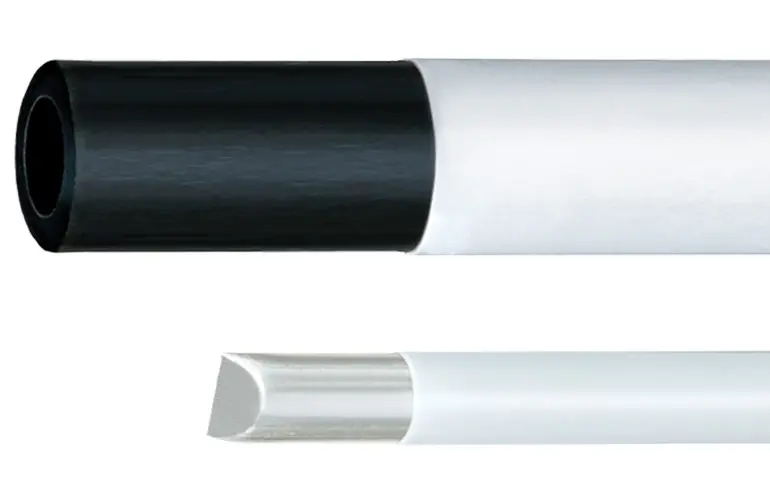
As the medical device industry faces an impending reckoning over the use of per- and polyfluoroalkyl substances (PFAS)—colloquially known as "forever chemicals"—material science pioneer Zeus has achieved a major regulatory and manufacturing milestone. The company’s PFX Flex Sub-Lite-Wall catheter liners have officially been certified by Intertek as entirely free of per- and polyfluoroalkyl substances, marking a watershed moment as the very first medical device components to earn this rigorous third-party validation.
This certification arrives at a critical juncture for device developers worldwide. While regulatory bodies like the U.S. Food and Drug Administration (FDA) have historically maintained a measured stance on restricting PFAS in medical applications, shifting political landscapes, looming European Union bans, and aggressive corporate sustainability mandates are forcing medical device original equipment manufacturers (OEMs) to pivot. Engineers are actively seeking high-performance alternatives to polytetrafluoroethylene (PTFE) without sacrificing the lubricity, thin-wall capabilities, and structural integrity required for modern cardiovascular and neurovascular interventions.
By proving that its PFX Flex liners contain total organic fluorine levels below 20 parts per million (ppm) and targeted PFAS concentrations under 25 parts per billion (ppb), Zeus has set a new benchmark for transparency and material accountability. This in-depth report explores the technological breakthrough behind the PFX Flex platform, the complex regulatory pressures driving the shift away from fluoropolymers, and the strategic implications of independent third-party certification for the future of medical manufacturing.
Detailed Chronology: The Road to PFAS-Free Medical Components
The journey toward a viable, commercially scalable non-fluorinated catheter liner did not happen overnight. It represents the culmination of decades of polymer expertise colliding with modern environmental toxicology and regulatory foresight.
Decades of Fluoropolymer Dominance: For nearly sixty years, Zeus built its global reputation on fluoropolymer innovation, leveraging materials like PTFE to establish the gold standard for catheter navigation, pushability, and trackability. However, as environmental awareness grew, so did the scrutiny on the persistent nature of these chemical chains.
January 2026: Recognizing the accelerating market demand for sustainable alternatives, Zeus officially launched its PFX Flex polymer platform and catheter liner portfolio. Engineered using a novel non-fluorinated polymer resin alternative to PTFE, the product was designed from the ground up to eliminate the intentional addition of any per- or polyfluoroalkyl substances while maintaining performance parity over PEEK or silver-plated copper (SPC) mandrels.
Mid-2026 (The Intertek Milestone): Building immediately upon the commercial release of the PFX Flex line, Zeus subjected its components to rigorous testing and evaluation by Intertek, a leading Total Quality Assurance provider to industries worldwide. This evaluation culminated in the historic award of the world’s first-ever Intertek PFAS-free certification for a medical device component, with validity extending through June 21, 2027.
This chronology highlights a rapid industry pivot. What began as a long-term research and development endeavor within Zeus’s labs has transformed into an urgent commercial necessity, driven by a market that is no longer willing to wait for regulatory mandates to force their hand.
Supporting Context & Metrics: The Science and Stakes of "Forever Chemicals"
To understand the magnitude of Zeus’s achievement, one must first examine the chemical nature of PFAS and the unique engineering challenges they present in medical device design.
The Chemical Conundrum
PFAS are a vast class of synthetic chemicals characterized by strong carbon-fluorine bonds. These bonds make the compounds exceptionally durable, resistant to heat, oil, stains, and water. Unfortunately, these exact properties are what make them "forever chemicals": they do not easily break down in the human body or the natural environment. Accumulation of PFAS exposure has been linked in numerous scientific studies to severe chronic health effects, including various forms of cancer, reproductive issues, and significant organ and tissue damage.
The Engineering Dilemma in MedTech
Despite these environmental and health concerns, eliminating PFAS from medical devices has proven extraordinarily difficult. In fields like cardiology, radiology, and neurology, catheter liners must exhibit near-zero friction to allow guide wires and diagnostic tools to navigate tortuous human vasculature smoothly. For decades, PTFE has been the undisputed gold standard because of its peerless lubricity and chemical inertness.
Finding a non-fluorinated substitute that could replicate these exact physical characteristics required years of intense material science research. Suresh Sainath, Zeus Chief Technology Officer, emphasized the gravity of this hurdle:
"The challenge was finding a non-fluorinated material capable of matching the performance that has made PTFE the gold standard for catheter liners for decades. That required years of research and development, and independent verification through Intertek provides an objective validation of the technology we’ve developed."
Measurable Thresholds: What "PFAS-Free" Actually Means
In an era rife with "greenwashing," independent verification is vital. Intertek’s certification is not merely a marketing claim; it is backed by strict quantitative boundaries. To earn the designation, Zeus PFX Flex liners were scientifically proven to meet two primary criteria:
Total Organic Fluorine: Kept strictly below 20 ppm (parts per million).
Targeted PFAS Compounds: Maintained below 25 ppb (parts per billion).
This rigorous testing protocol, combined with ongoing material documentation and factory oversight, provides device manufacturers with the empirical data necessary to defend their supply chain decisions to regulators and consumers alike.
Regulatory Landscape: Navigating U.S. Hesitation and European Certainty
The regulatory environment surrounding PFAS is currently defined by a stark contrast between North America and Europe, creating a complex strategic puzzle for medical device manufacturers.
The U.S. Regulatory Stance
In the United States, the FDA has largely declined to issue sweeping restrictions on the use of PFAS in medical devices, acknowledging that many life-saving technologies rely on these materials where no immediate, viable alternatives exist. However, industry insiders note that this posture is fluid. With potential shifts in executive leadership and ongoing environmental advocacy, U.S. federal agencies are expected to ramp up scrutiny, meaning device makers relying entirely on fluoropolymers could face sudden compliance shocks in the near future.
The European Outlook
Across the Atlantic, the regulatory trajectory is far more aggressive. The European Union is advancing toward comprehensive restrictions on PFAS chemicals, particularly in non-essential applications and wherever suitable, certified PFAS-free alternatives exist. For medical device companies exporting to or operating within Europe, proving the availability of safe alternatives could soon transition from a voluntary PR strategy to a mandatory requirement for market access.
Jim O’Connell, Zeus Chief Commercial Officer, highlighted this shifting mindset among device developers:
"Even if there’s no regulatory ban on the use of PFAS-based materials in medical devices today, our customers are already evaluating alternatives rather than waiting for one. Our aim is to give them options that perform, backed by testing and certification, no matter where regulations may land."
Official Statements: Leadership Perspectives on the Future of Materials
The milestone achieved by Zeus underscores a broader philosophical shift within the medical device manufacturing ecosystem: a transition toward absolute transparency and verifiable science.
Reflecting on the milestone, Zeus CEO Paddy O’Brien emphasized the necessity of independent validation in a market flooded with competing material claims:
"For nearly sixty years, Zeus has built its reputation on fluoropolymer innovation. As the medical device industry evaluates new material alternatives, we believe customers deserve objective, independent validation of the claims behind those technologies. That’s why third-party certification matters. It gives engineers confidence that they can make critical material decisions based on verified data."
From the certifying body’s perspective, Intertek Sustainability Certification Manager Faye Ricker detailed the exhaustive nature of the evaluation process, noting that the certification includes comprehensive testing, meticulous material documentation, and ongoing surveillance audits. This multi-layered approach ensures that manufacturers and their downstream customers can place absolute trust in the structural integrity of the PFAS-free claim.
Future Outlook: Setting a New Paradigm for Medical Manufacturing
As the valid window for Zeus’s Intertek certification runs forward to its initial renewal date of June 21, 2027, the broader implications for the medical device industry are profound.
The success of the PFX Flex catheter liner platform proves that engineers no longer need to choose between environmental compliance and clinical performance. By successfully engineering a non-fluorinated alternative that matches the legendary lubricity and thin-wall capabilities of PTFE, Zeus has effectively lowered the barrier to entry for device designers looking to future-proof their product portfolios.
Moving forward, the medical technology sector is likely to see a cascading effect. As OEMs scramble to eliminate "forever chemicals" from their supply chains to preempt European bans and mitigate U.S. regulatory risk, components backed by rigorous, third-party audited certifications will command a significant market premium. Zeus has not only solved an immediate material science bottleneck but has also established a gold standard for how the medical device industry must transparently validate the next generation of safe, high-performance healthcare innovations.