










Executive Overview
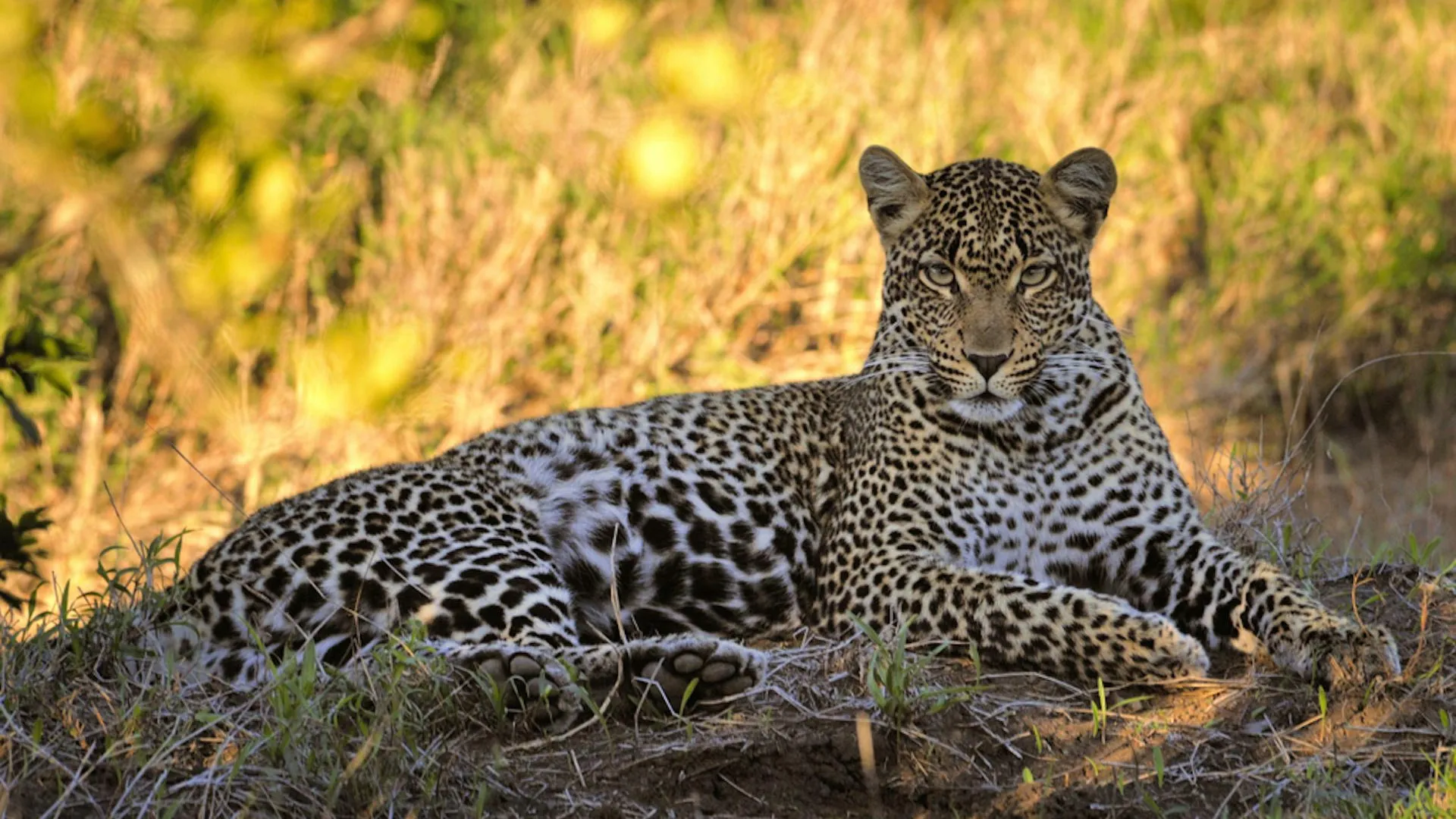
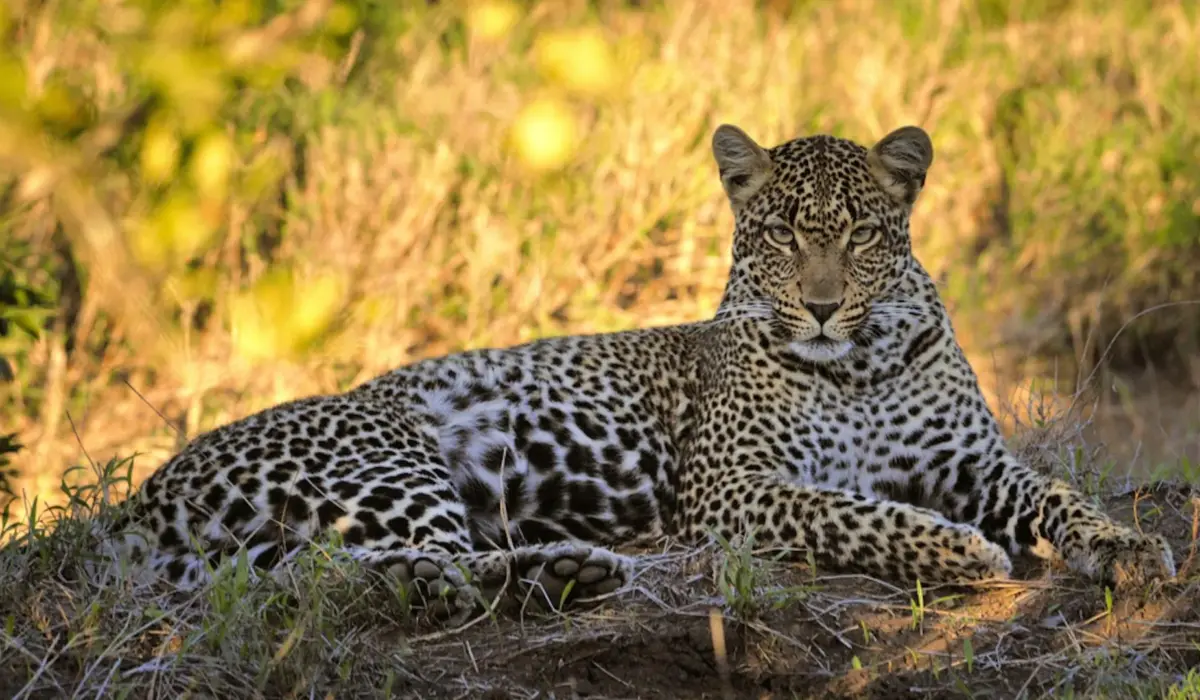
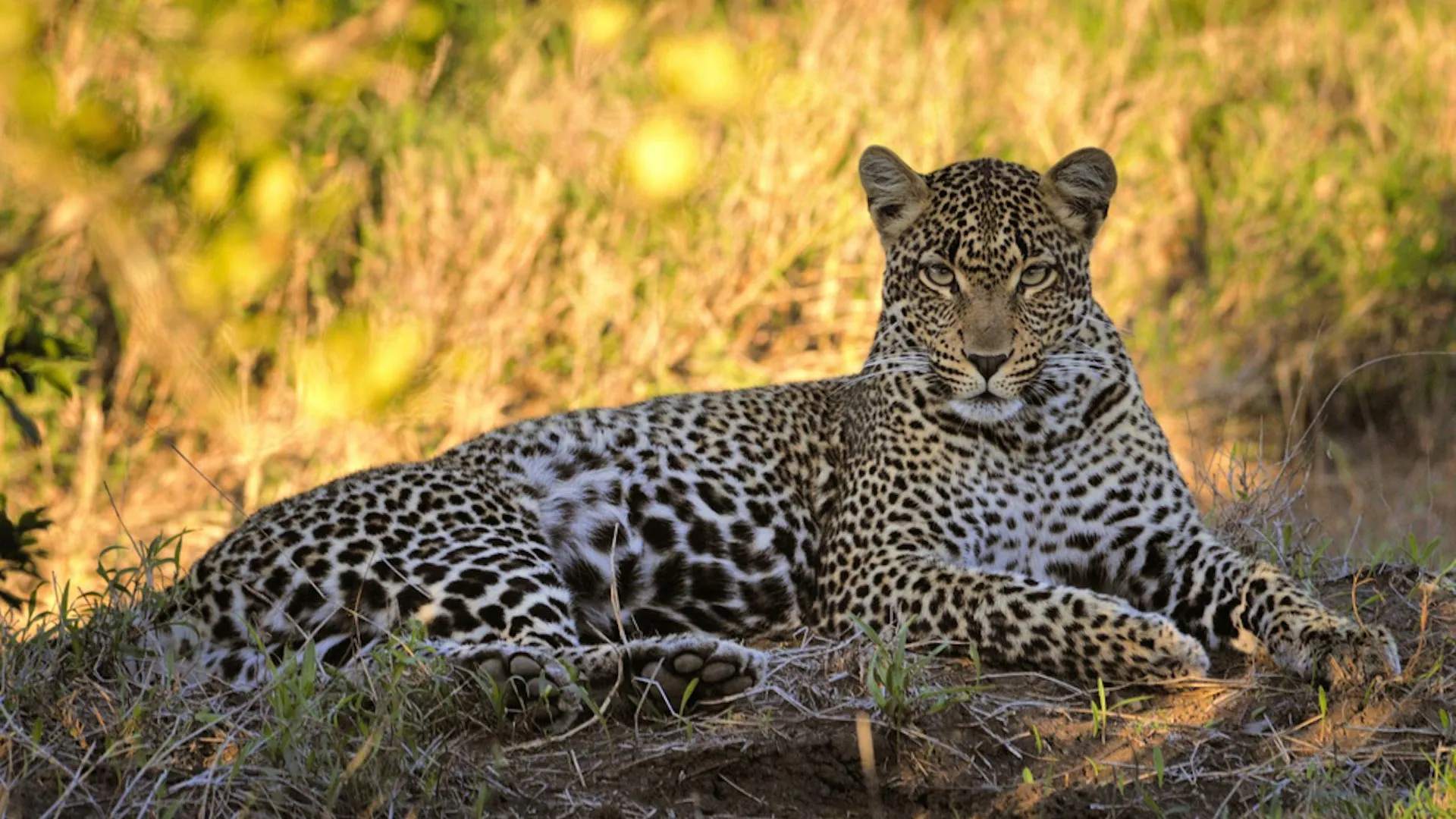
Across the vast, sun-baked savannas and dense jungles of the African continent, the leopard (Panthera pardus) reigns as one of the natural world’s most adaptable and widespread apex predators. From the muscular giants roaming open grasslands to the darker, compact morphs slipping through tropical forests, these big cats have long exhibited remarkable physical diversity. Yet, tucked away in the dramatic, rugged landscapes of South Africa’s southwestern tip, a distinct population of fewer than 1,000 leopards has puzzled scientists for decades. These animals are remarkably diminutive—some weighing barely half as much as their continental counterparts.
For generations, researchers and conservationists have debated whether these undersized felines were simply a localized variant shaped by environmental stressors, or if they represented something far more profound: a distinct genetic lineage.
Now, groundbreaking research utilizing whole-genome sequencing has finally settled the debate. A collaborative team of leopard conservationists, evolutionary biologists, and geneticists has revealed that the leopards of South Africa’s Cape Floristic Region are genetically distinct from all other African leopard populations. Having diverged during the Last Glacial Maximum roughly 20,000 to 24,000 years ago, these cats have spent millennia adapting to a unique, resource-poor environment.
This discovery transforms our understanding of African carnivore evolution. Far from being mere runts of the wider African population, Cape leopards are an Evolutionarily Significant Unit (ESU)—a distinct branch of the species’ evolutionary tree that requires tailored, landscape-scale conservation strategies to survive the pressures of modern human encroachment and climate change.
Detailed Chronology: Unraveling 20,000 Years of Isolation
To understand how the Cape leopard became so distinct, researchers had to look backward in time, utilizing the animals’ DNA as a biological archive. By sequencing the complete genomes of Cape leopards—mapping all 2.57 billion base pairs and roughly 19,000 genes—and comparing them against reference genomes from other African populations, the research team was able to read a shared evolutionary history written in the code of life.
The Last Glacial Maximum: The Roots of Isolation (24,000–20,000 BCE)
Genomic tracking suggests that the ancestral lineage of the Cape leopard began separating from populations further to the east between 20,000 and 24,000 years ago. This timeline coincides precisely with the Last Glacial Maximum, the coldest and driest phase of the Earth’s most recent ice age.
During this period, southern Africa underwent dramatic climatic shifts. Grasslands shrank, food became scarcer, and ecological zones fragmented. For a wide-ranging carnivore like the leopard, these harsh conditions created formidable natural barriers. Populations became fractured, and movement across the landscape slowed to a trickle before stopping altogether. As the ice retreated and climates warmed, the leopards of the Cape remained bound to the shelter of the Cape Fold Belt mountain chain, cut off from northern and eastern populations by vast, hyper-arid semi-deserts and changing ecosystems.
The Anthropocene Pressures and Historical Bottlenecks (19th–20th Century)
For millennia, geographic isolation allowed the Cape leopards to quietly forge their own evolutionary path. However, the arrival of European settlers and the rapid expansion of agriculture in the 1800s and 1900s introduced a catastrophic new threat.
Faced with livestock losses, farmers waged an aggressive war against apex predators. Government-backed bounty systems encouraged the mass culling of leopards, driving populations down to perilous lows. Habitat destruction further fractured their range, confining the cats almost exclusively to the rugged, inaccessible peaks of the Cape Fold Belt.
Remarkably, despite this severe historical population bottleneck—an event that typically strips populations of their genetic variety through inbreeding—the team’s genomic analysis revealed a silver lining. The Cape leopards possess only slightly lower genetic diversity than other African populations. This indicates that despite intense historical persecution, the population managed to maintain a resilient core genetic library.
The Turning Point and Modern Recovery (1968–Present)
The tide began to turn in 1968, when official leopard bounties were finally abolished. As protective environmental legislation took root and conservation awareness grew, the Cape leopard population slowly clawed its way back from the brink of functional extinction. Today, fewer than 1,000 individuals persist across the Western Cape and parts of the Eastern and Northern Cape, holding their ground in a landscape dominated by human activity.
Supporting Context & Metrics: Unlocking the Genetic Blueprint
For years, studying the genetic architecture of wild carnivores relied on microsatellite markers—limited snippets of DNA focused on areas known for high mutation rates. While useful for broad strokes, these markers offered a blurry picture, missing the fine-scale evolutionary mechanics driving physical divergence.
Moving to Whole-Genome Sequencing
To overcome these limitations, the research team extracted muscle and skin tissue samples from wild Cape leopards and compared their complete genetic sequences with those of regional counterparts across Africa. The metrics yielded definitive proof of long-term isolation:
- Total Genome Analyzed: ~2.57 billion paired DNA bases per individual.
- Genes Mapped: Approximately 19,000 functional genes.
- Key Discovery: Approximately 90 distinct genes showed significant positive selection or higher frequency in Cape leopards compared to other African populations.
The Mechanics of Adaptation: Why Are They Small?
The most visually striking feature of the Cape leopard is its size. While male leopards in open African savannas can easily exceed 60 to 90 kilograms, Cape leopards are significantly smaller, with some individuals weighing nearly half as much.
The whole-genome analysis provided a stunning biological explanation for this phenomenon. The 90 uniquely enriched genes identified in the Cape population are heavily associated with body size, skeletal development, muscular structure, and metabolic energy usage.
Unlike the nutrient-rich savannas teeming with large ungulates, the Cape Floristic Region—despite its world-renowned botanical diversity—features a sparse and physically smaller prey base. Cape leopards subsist primarily on agile, diminutive prey species such as:
- Rock hyrax (Procavia capensis)
- Klipspringer (Oreotragus oreotragus)
- Cape grysbok (Raphicerus melanotis)
Natural selection favored smaller, more agile cats capable of navigating treacherous, rocky terrain and subsisting on smaller caloric yields. The smaller stature of the Cape leopard is therefore not a sign of malnutrition or genetic defect, but a brilliant evolutionary masterpiece of local adaptation.
Official Statements and Expert Perspectives
The publication of this study in Nature has drawn widespread acclaim from the international conservation and scientific communities, emphasizing the critical importance of looking beyond traditional taxonomic boundaries.
"We are no longer just looking at differences in fur patterns or skull shapes; we are reading an evolutionary manuscript written over tens of thousands of years," noted a lead researcher involved in the genetic mapping project. "These findings prove that the leopards of the Cape are not just smaller cousins of continental cats—they are a uniquely crafted evolutionary experiment that succeeded against the backdrop of changing climates and isolated terrain."
Conservation biologists emphasize that recognizing these animals as an Evolutionarily Significant Unit shifts the paradigm of South African wildlife management.
"When a population is genetically distinct and locally adapted, standard conservation frameworks are no longer enough," explains a regional conservation strategist. "If we were to theoretically translocate leopards from other parts of South Africa to boost numbers in the Cape—a practice historically used in wildlife management—we risk diluting or erasing a 20,000-year-old genetic legacy. Protecting these animals means protecting their specific home."
Local landowners and agricultural groups have also weighed in, noting that the survival of the Cape leopard depends heavily on coexistence models. Because large, unfenced game reserves are virtually non-existent in the Cape Floristic Region, leopards routinely traverse private farmlands, vineyards, and the outskirts of urban settlements.
Future Outlook: Safeguarding an Irreplaceable Legacy
The revelation that South Africa’s Cape leopards represent an ancient, locally adapted lineage brings both celebration and a stark warning. As human populations expand and climate change alters the fragile ecosystems of the Western and Eastern Cape, the pressures on these big cats are mounting.
To ensure the survival of the Cape leopard into the 22nd century, conservation frameworks must pivot toward targeted, landscape-scale initiatives:
- Habitat Connectivity: Because leopards rely heavily on the Cape Fold Belt mountain chain as a natural refuge, maintaining and restoring ecological corridors between fragmented ranges is paramount. Unrestricted movement allows for gene flow and prevents the dangers of inbreeding depression.
- Mitigating Human-Wildlife Conflict: With leopards frequently crossing agricultural lands, proactive non-lethal deterrents—such as livestock guardian animals, predator-proof enclosures, and community engagement programs—are essential to stop retaliatory killings.
- Targeted Anti-Poaching Measures: Illegal snare hunting and road mortalities remain persistent threats to small, isolated carnivore populations. Strict law enforcement and wildlife-friendly infrastructure (such as wildlife underpasses on major highways) must be prioritized.
- Policy Recognition: Conservation agencies must formally incorporate the genetic distinctness of the Cape leopard into regional management plans, ensuring that translocation and reintroduction policies respect the evolutionary boundaries drawn over the last 20,000 years.
Ultimately, saving the Cape leopard is about far more than preserving a charismatic predator. It is an exercise in safeguarding an irreplaceable piece of natural history—a living ghost of the southern mountains whose DNA holds the secrets of survival through ice ages, human persecution, and environmental transformation. By protecting them, we honor a biological legacy that belongs exclusively to the windswept peaks of the Cape.