






Executive Overview
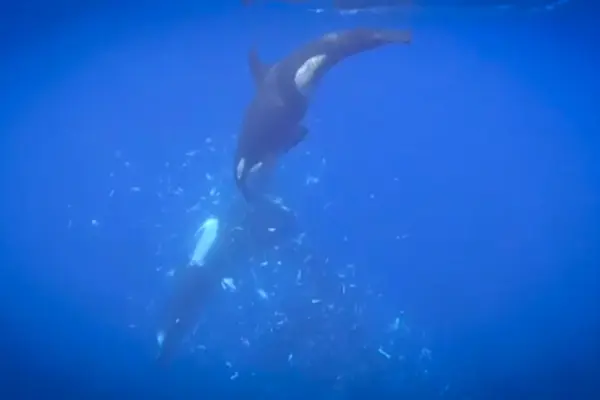
Deep beneath the surface of the world’s oceans lies a realm populated by creatures so secretive and reclusive that humanity has barely begun to understand them. Among the most enigmatic of these ocean dwellers is the pygmy sperm whale (Kogia breviceps). Spending the vast majority of their lives far from the safety of continental shelves, these small, dark cetaceans travel in discrete pods, diving into the ocean’s abyssal zones to hunt deep-water squid and fish. Because they are naturally quiet, possess a low profile at the water’s surface, and avoid human contact, marine biologists have historically had precious few opportunities to observe them in their natural habitat.
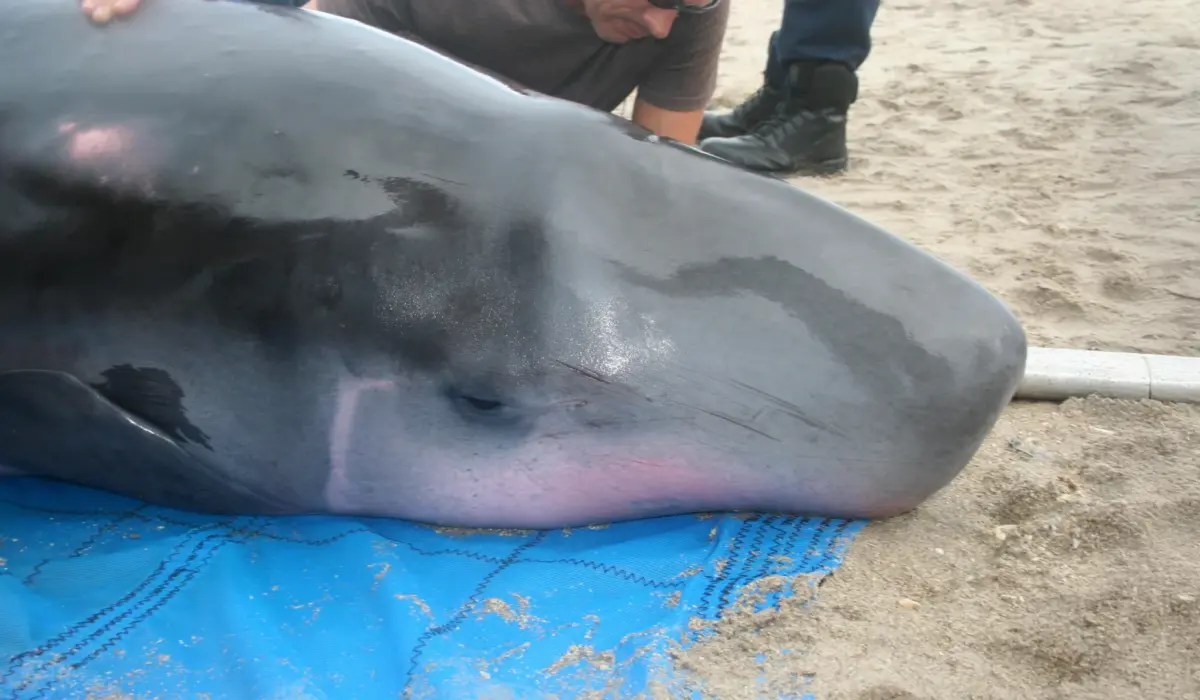
For decades, science’s understanding of Kogia breviceps has been pieced together largely from animals that have met a tragic end, washing ashore along coastlines. Strandings of these creatures are particularly common along the southeastern coast of the United States, where pygmy sperm whales appear with a frequency that outpaces almost any other large marine mammal species. While these beachings represent ecological losses, they double as invaluable windows into the hidden lives of the deep sea.
In a landmark study published in the Journal of Wildlife Diseases, a multi-institutional team of researchers—spearheaded by Florida Atlantic University’s Harbor Branch Oceanographic Institute—has transformed decades of stranding data into a microbiological breakthrough. By meticulously reviewing over twenty years of stranding records and analyzing preserved tissue samples, scientists have discovered three entirely novel genotypes of Helicobacter bacteria residing within the stomachs of pygmy sperm whales.
Named Kogia Helicobacter 1, 2, and 3, these previously undocumented bacterial strains represent the first confirmed discovery of their kind in this species. Beyond illuminating the inner biology of an elusive marine mammal, this discovery opens critical lines of inquiry regarding how bacterial pathogens circulate in the marine environment, how they impact deep-diving cetaceans, and what they might signal regarding broader oceanic ecosystem health.
This comprehensive report explores the trajectory of this breakthrough, detailing the arduous two-decade research effort, the pathological impacts observed in the affected whales, the intricate genetic makeup of the newly discovered bacteria, and the looming questions these findings pose for vulnerable marine populations.
Detailed Chronology: Two Decades of Stranding Research and Discovery
The journey from a stranded whale on a sun-drenched Florida beach to a microbiology breakthrough in an academic journal spans more than twenty years, reflecting the slow, methodical pace of marine pathology.
The Foundation: 1999–2020
Between 1999 and 2020, the marine mammal stranding response team at FAU Harbor Branch responded to 59 pygmy sperm whale strandings along the regional coastline. These events are often distressing, high-intensity scenarios requiring immediate mobilization by veterinary teams, biologists, and volunteers. However, the work does not end when the tide goes out. Post-mortem examinations—commonly known as necropsies—were successfully completed on approximately 80 percent of those recovered animals.
During these meticulous internal examinations, pathologists frequently noted recurring anomalies in the gastrointestinal tracts of the whales, most notably stomach ulcers and signs of chronic inflammation. Recognizing a pattern, researchers began preserving tissue samples for future analysis, banking biological material that would eventually unlock secrets invisible to earlier generations of scientists.
Identifying the Spiral Invaders
In four distinct cases over the multi-decade span, advanced microscopic examinations of the preserved stomach tissue revealed the presence of spiral-shaped, or "spirilliform," bacteria. Recognizing the potential significance of these microorganisms, a collaborative team of veterinary pathologists and molecular biologists from FAU Harbor Branch, the University of Florida’s College of Veterinary Medicine, Colorado State University, and Marine Mammal Pathology Services launched a deep-dive re-examination of the historical samples.
Utilizing a trifecta of modern diagnostic tools—histopathology, molecular testing, and advanced DNA sequencing—the research team probed the genetic architecture of the bacteria found within the whales’ stomach tissue. The results were startling. While two of the isolates shared genetic affinities with known Helicobacter species found in other cetaceans and humans, the third belonged to a deeply divergent lineage, confirming the existence of entirely new bacterial genotypes previously unknown to science.
Supporting Context & Metrics: Pathogens, Pathology, and the Ocean’s Hidden Microcosmos
To appreciate the gravity of the FAU Harbor Branch discovery, one must understand the nature of Helicobacter and its historical relationship with both terrestrial and marine animals.
Understanding Helicobacter
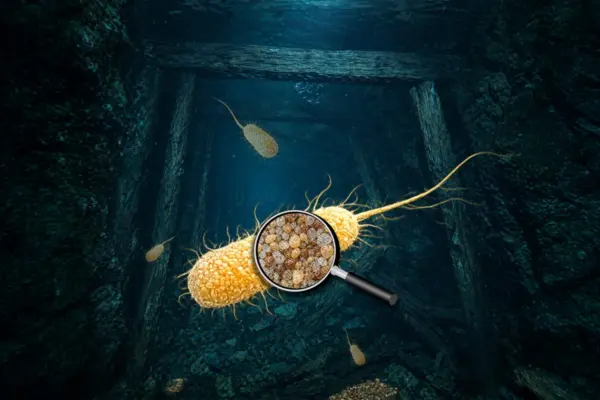
Helicobacter is a genus of Gram-negative bacteria characterized by a helical shape. In humans, certain species—most notably Helicobacter pylori—are infamous for colonizing the stomach lining, where they can persist for decades, driving chronic inflammation (gastritis), peptic ulcer disease, and in severe cases, gastric cancer.
The genus was first documented in marine mammals relatively recently, appearing in scientific literature in the year 2000. Over the ensuing two decades, related strains have been detected in various cetacean species scattered across the globe. Much like their terrestrial counterparts, marine Helicobacter infections in cetaceans have been clinically linked to lethargy, loss of appetite, regurgitation, gastric ulcers, and severe gastrointestinal inflammation.
Pathological Findings in the Four Whales
The convergence of Helicobacter colonization and physical tissue damage in the four positive pygmy sperm whale cases was striking. Every single whale that tested positive for the novel bacteria exhibited visible, severe gastric pathology.
- Gastritis and Ulcers: Pathologists observed widespread inflammation of the stomach lining accompanied by active gastric ulcers.
- Fibrosis and Scarring: Long-term tissue damage was evident through fibrotic changes, indicating that the infections were not acute, fleeting events, but rather chronic conditions that had plagued the animals over extended periods.
- Nematode Infestations: Interestingly, the affected stomachs also harbored nematode (parasitic roundworm) infestations, pointing to a complex multi-factor environment within the gastrointestinal tract where bacteria and parasites may interact or mutually exacerbate tissue damage.
- Systemic Spread: In at least one case, the pathology extended beyond the stomach, presenting as colitis (inflammation of the colon). This suggests that the infection’s reach is not necessarily restricted to the upper gastrointestinal tract.
The Microbial Diversity of the Deep
The discovery of three distinct genotypes highlights a staggering reality about marine microbiology: we have barely scratched the surface of microbial life in the oceans.
- Kogia Helicobacter 1 and 2: These two genotypes showed close genetic relationships to known Helicobacter species previously isolated from other cetaceans (such as dolphins and porpoises) and humans, hinting at potential evolutionary links or cross-species transmission pathways.
- Kogia Helicobacter 3: Belonging to a profoundly divergent lineage, this genotype proved that deep-diving marine mammals harbor specialized microbial flora entirely distinct from coastal or terrestrial counterparts.
The detection of both Kogia Helicobacter 1 and Kogia Helicobacter 3 within the forestomach tissue of a single individual further demonstrates that these animals can host multiple bacterial strains simultaneously, setting the stage for complex intra-host microbial dynamics.
Official Statements and Expert Insights
The study’s authors and leading investigators emphasize that while the research does not definitively point to Helicobacter as the direct cause of death for the stranded whales, the implications of chronic gastrointestinal disease cannot be ignored.
"Helicobacter bacteria have long been associated with gastrointestinal disorders in humans and other animals, including chronic gastritis, ulcers, and even gastric cancer," noted Dr. Annie Page, D.V.M., Ph.D., senior author of the study, associate research professor, and clinical veterinarian at FAU Harbor Branch. "To find novel strains of these bacteria in a deep-diving whale species is intriguing."
Dr. Page underscored the serendipity and immense value of long-term ecological monitoring programs.
"This research underscores the value of long-term marine mammal stranding response programs," Page stated. "Without the ability to study these stranded animals over decades, we never would have discovered these bacteria. Every whale tells a story, and sometimes that story leads us into entirely new scientific territory."
Dr. Wendy Marks, corresponding author and research coordinator for the marine wildlife veterinary medicine and research lab at FAU Harbor Branch, elaborated on the genetic divergence observed during the sequencing process.
"Two of the genotypes, Kogia Helicobacter 1 and 2, are genetically similar to known Helicobacter species previously found in other cetaceans—such as dolphins and porpoises—and in humans," explained Marks. "Pero Kogia Helicobacter 3 belongs to a more divergent lineage, which emphasizes the possibility that there are far more undiscovered bacteria in the ocean than we realize."
Marks also turned attention toward the broader ecological implications of the findings, warning that microscopic pathogens could pose unseen threats to vulnerable marine mammal populations.
"Whales, like humans, appear to be susceptible to certain microbial infections that we’re only beginning to understand," Marks said. "If chronic Helicobacter infections are causing health issues in these animals, it could have implications not only for individual whale health, but for entire populations—especially for species that are already vulnerable."
Future Outlook: Unresolved Questions and the Path Ahead
As marine scientists digest the revelations published in the Journal of Wildlife Diseases, the scientific community finds itself standing at the threshold of several vital new research avenues.
The Challenge of the Open Ocean
Because pygmy sperm whales are exceptionally difficult to study in their natural pelagic environment, monumental knowledge gaps remain. Researchers still do not know how widespread these newly identified Helicobacter strains are across broader oceanic populations. Are these bacteria ubiquitous symbionts that turn pathogenic only under specific stressors, or are they persistent pathogens acquired through diet or social interactions? Furthermore, what role, if any, do these bacterial infections play in precipitating the strandings themselves? When a deep-diving whale experiences chronic gastric distress, ulceration, and parasitic burdens, does its navigational ability, hunting efficiency, or physical stamina degrade to the point where it becomes vulnerable to beaching?
Next Steps in Marine Veterinary Science
To answer these questions, veterinary researchers plan to expand their molecular surveillance protocols. Future stranding responses will incorporate standardized screening for Helicobacter across a wider array of cetacean species, allowing scientists to map the distribution, transmission dynamics, and pathological consequences of these bacteria with greater precision.
In addition, collaborative efforts involving institutions such as the University of Florida’s College of Veterinary Medicine, Colorado State University, and Marine Mammal Pathology Services will continue to refine diagnostic frameworks for marine mammal necropsies, ensuring that preserved tissue libraries yield maximum scientific return.
Funding and Conservation Implications
This pioneering work was made possible through dedicated regional support, specifically funded by the Florida State Specialty License Plate Program via the "Protect Florida Whales" grant, administered by the Harbor Branch Oceanographic Institute Foundation. As anthropogenic pressures—ranging from ocean warming and chemical pollution to underwater noise and marine debris—continue to mount against marine ecosystems, understanding the baseline health and infectious disease dynamics of vulnerable wildlife populations has never been more critical.
Ultimately, the discovery of Kogia Helicobacter 1, 2, and 3 serves as a stark reminder of the hidden complexities governing our blue planet. Even in creatures as solitary and remote as the pygmy sperm whale, microscopic worlds operate away from human view, shaping the health, survival, and evolutionary trajectory of life in the deep sea. Through the persistence of stranding response networks and cutting-edge molecular science, researchers are slowly pulling back the curtain on the ocean’s best-kept secrets—one stranded whale at a time.