





Executive Overview
For centuries, the traditional Finnish sauna has been revered as a cornerstone of Nordic culture—a sanctuary of profound relaxation, community, and physical purification. While generations of practitioners have sworn by its ability to clear the mind, soothe aching muscles, and impart a deep sense of well-being, modern biomedical science is only beginning to decode the intricate physiological cascades that occur when the human body is subjected to intense, controlled heat.
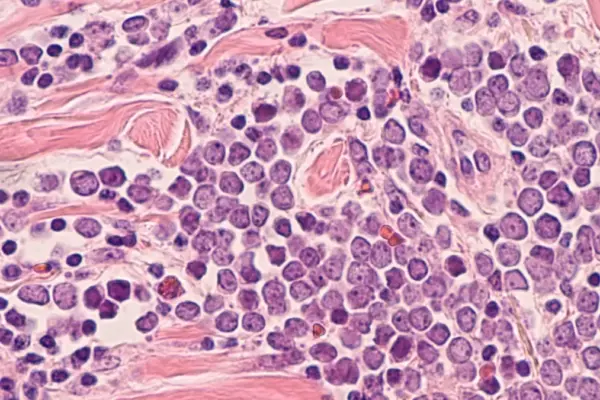
A groundbreaking study conducted by researchers in Finland has now shed new light on the profound interplay between thermal stress and the human immune system. According to the findings, spending time in a sauna can temporarily mobilize significant numbers of white blood cells into the bloodstream—the primary cellular agents responsible for detecting, hunting, and neutralizing pathogens, foreign invaders, and disease.
This comprehensive investigation, published in the esteemed scientific journal Temperature, reveals that a single 30-minute sauna session—punctuated by a brief cold-water immersion—triggers an immediate, measurable surge in circulating white blood cells. This physiological shift mirrors the immune-boosting dynamics typically observed during moderate-to-intense physical exercise.
While the long-term clinical implications of these acute shifts are still being unraveled, the research provides a vital missing link in understanding why regular sauna bathing has long been correlated with enhanced cardiovascular health, reduced systemic inflammation, and lower rates of all-cause mortality. By uncovering how heat stress acts as a dynamic catalyst for immune surveillance, this study elevates the sauna from a mere cultural pastime to a sophisticated tool of physiological conditioning.
Detailed Chronology of the Study
To understand how thermal stress impacts human immunology, a collaborative research team led by institutions including the University of Turku and the University of Eastern Finland designed a rigorous, controlled experimental protocol. The methodology was structured to capture both the immediate physiological adjustments during heat exposure and the subsequent recovery phase.
Phase One: Baseline Assessment and Cohort Selection
The study evaluated a cohort of 51 healthy adult participants with an average age of 50 years. This demographic was deliberately chosen to reflect a mature, stable physiological baseline, avoiding the hyper-reactive immune profiles often seen in extreme youth or the age-related immunosenescence sometimes observed in advanced cohorts. Before stepping into the heat, each participant underwent comprehensive baseline health screenings, including baseline blood draws to measure resting levels of circulating white blood cells, cytokines, and core body temperatures.
Phase Two: The 30-Minute Thermal Intervention
Participants were subjected to a standardized sauna protocol designed to mimic traditional Finnish bathing practices. The session lasted for a total of 30 minutes within a high-temperature, low-humidity wooden enclosure. Crucially, the protocol incorporated a mid-session interruption: halfway through the 30-minute period, participants stepped out of the dry heat to briefly cool down under a cold shower before returning to the hot room. This integration of extreme thermal contrast—shifting rapidly from hyperthermic heat to cold stimulation—is a hallmark of authentic Nordic sauna culture and proved instrumental in the physiological outcomes observed by the researchers.
Phase Three: Acute Sampling and Recovery Monitoring
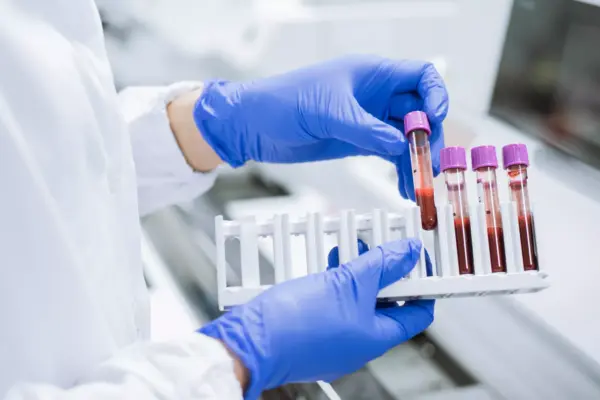
Blood samples were drawn at precise intervals: immediately before the session, at key points during the intervention, and at fixed intervals post-sauna. The analytical focus centered on quantifying circulating leukocytes (white blood cells), categorizing their distinct subtypes—such as neutrophils and lymphocytes—and tracking the presence of specific signaling proteins known as cytokines.
The data revealed a striking acute response. Immediately following the session, the number of circulating white blood cells of virtually every type had risen significantly. However, this hyper-mobilization was short-lived. Follow-up blood draws demonstrated that levels of vital immune components, including neutrophils and lymphocytes, returned to their baseline, pre-sauna concentrations within approximately 30 minutes after the heat exposure ended.
Supporting Context & Metrics: Decoding the Immune Response
The physiological mechanisms driving this sauna-induced immune shift involve complex neuroendocrine and hemodynamic pathways. When the human body enters a high-temperature environment, the cardiovascular system undergoes massive adjustments to dissipate heat. Blood vessels near the skin dilate dramatically (cutaneous vasodilation), heart rate increases, and cardiac output rises, mimicking the physiological demands of a brisk jog or cardiovascular workout.
The Dynamics of Leukocyte Mobilization
During this systemic stress response, the body must rapidly reallocate resources. The sudden surge of white blood cells into the bloodstream does not necessarily mean the body has synthesized millions of new immune cells from scratch in 30 minutes. Instead, immunologists point to a process of mobilization and redistribution.
As Ilkka Heinonen, an Academy Research Fellow at the University of Turku and co-author of the study, explains:
"This may indicate that sauna bathing mobilizes additional white blood cells into the bloodstream from tissues, where they are then redeposited after the session. This kind of periodic release of white blood cells into the bloodstream is beneficial, as once they leave their storage sites, they are better able to patrol the body and respond to pathogens."
In physiological terms, immune cells are chronically sequestered in reserve storage sites such as the spleen, lymph nodes, and marginal vascular pools. When the body experiences physical stressors like exercise or hyperthermic sauna bathing, the sympathetic nervous system releases catecholamines (such as adrenaline and noradrenaline). These hormones cause the spleen and other reservoirs to contract, flushing stored leukocytes into the active circulation.
Once circulating, these immune cells enter a heightened state of "immune surveillance." Freed from their tissue repositories, they patrol the vascular network, effectively scanning for anomalies, cellular debris, and microbial pathogens. Once the stressor is removed and core body temperatures normalize, these cells return to their home tissues or redistribute accordingly—explaining the rapid 30-minute normalization window observed in the Finnish cohort.
Cytokine Variations and Temperature Dependence
Beyond cellular counts, the research team also investigated cytokines—the microscopic signaling proteins that orchestrate and modulate the inflammatory and immune response. Interestingly, the overall average levels of circulating cytokines showed only minimal changes across the cohort as a direct result of a single sauna session.
However, a deeper statistical analysis revealed a fascinating nuance: individual cytokine responses were intimately tied to the degree of hyperthermia experienced by the participant. The greater an individual’s body temperature rose during the sauna session, the more pronounced the shifts were in specific signaling molecules.
Professor Jari Laukkanen of the University of Eastern Finland, who led the research initiative, highlighted this distinction:
"Interestingly, however, the levels of several cytokines changed in relation to how much body temperature rose during sauna bathing. No similar association was observed between white blood cell counts and changes in body temperature."
This divergence suggests a dual-pathway mechanism operating during sauna use. While the physical and hemodynamic shock of the environment triggers the mechanical flushing of white blood cells into the bloodstream, the degree of internal thermal elevation dictates the fine-tuning of inflammatory and anti-inflammatory chemical signaling. This delicate balance is precisely what allows regular thermal conditioning to help regulate chronic, low-grade systemic inflammation over the long term.
Official Statements and Expert Perspectives
The publication of this study in Temperature has sparked widespread discussion within the international medical physiology and sports science communities. Experts view the findings not as an isolated anomaly, but as a crucial piece of a much larger puzzle regarding hormesis—the biological phenomenon whereby beneficial effects (such as enhanced cellular resilience) result from low-dose exposure to stressors.
Dr. Laukkanen emphasized the importance of contextualizing these acute findings within the broader framework of preventative medicine.
"Regular sauna use has previously been linked to a range of health benefits, from reduced cardiovascular morbidity to improved mental health," Laukkanen noted. "The temporary immune changes observed in this study could help researchers understand some of the biological processes behind those associations. However, we must remain rigorous and cautious. Our experiment measured only the immediate effects of a single sauna session. These findings cannot establish whether repeated sauna bathing produces lasting changes in immune function or long-term health on their own."
This cautionary note is echoed by other physiological researchers who study thermal therapy. While the acute mobilization of leukocytes is undeniably fascinating, the true clinical value of the sauna likely lies in cumulative adaptation. Just as a single weightlifting session does not permanently build muscle—but repeated sessions over months lead to systemic hypertrophy—a single sauna session provides a transient "workout" for the immune and vascular systems. Over time, these repeated acute challenges may train the body’s adaptive mechanisms to respond more efficiently to real-world pathogenic threats and oxidative stress.
Future Outlook: Where Thermal Research is Heading
As the scientific community moves forward, the implications of this Finnish study open several compelling avenues for future investigation.
1. Longitudinal Clinical Trials
The immediate next step for researchers is to transition from acute, single-session observation to long-term randomized controlled trials. Scientists aim to track cohorts of participants engaging in regular, structured sauna routines over periods of six months to a year. By measuring resting baseline immune markers, incidence rates of seasonal infections (such as the common cold or influenza), and markers of chronic inflammation over extended timelines, researchers can definitively establish whether acute leukocyte mobilization translates into durable immunological resilience.
2. Comparative Analysis: Sauna vs. Exercise
Because the white blood cell mobilization observed during sauna bathing closely mirrors that of physical exercise, future studies are poised to investigate whether thermal therapy can serve as a viable "exercise mimetic" for populations with physical limitations. For individuals suffering from severe osteoarthritis, mobility impairments, or advanced cardiovascular disease—populations where high-impact physical exertion is contraindicated—can the controlled hyperthermia of a sauna safely replicate the immune-surveillance benefits of a workout?
3. Precision Thermal Medicine
Another frontier lies in personalized thermal dosing. Given that the study demonstrated a direct link between the magnitude of core body temperature elevation and specific cytokine shifts, future protocols may move toward personalized sauna prescriptions. By utilizing wearable core-temperature sensors and real-time biometric tracking, individuals could optimize their time in the heat to achieve specific physiological goals—whether that is cardiovascular conditioning, localized immune stimulation, or deep autonomic nervous system recovery.
4. Exploring Immunological Limits and Recovery Windows
Finally, researchers are eager to examine the precise recovery window following heat shock. Understanding what happens to mobilized white blood cells after they return to tissue storage sites will clarify whether this cellular traffic improves overall tissue-level immune defense in organs most vulnerable to infection, such as the respiratory tract.
Conclusion
The traditional Finnish sauna has long stood as a testament to the healing power of simple elements: wood, water, and intense, enveloping heat. Modern science is now validating what ancient traditions sensed intuitively—that controlled exposure to environmental stress strengthens the human organism from within.
By demonstrating that a 30-minute thermal session rapidly mobilizes circulating white blood cells and dynamically modulates cytokine signaling based on core body temperature, this new research provides a tangible physiological blueprint for the immune-boosting effects of heat therapy. While further long-term studies are necessary to map the full horizon of these benefits, one thing is certain: stepping into the heat is much more than a relaxing ritual; it is a profound, whole-body cellular workout that prepares our biological defenses to meet the challenges of the world.