










Executive Overview
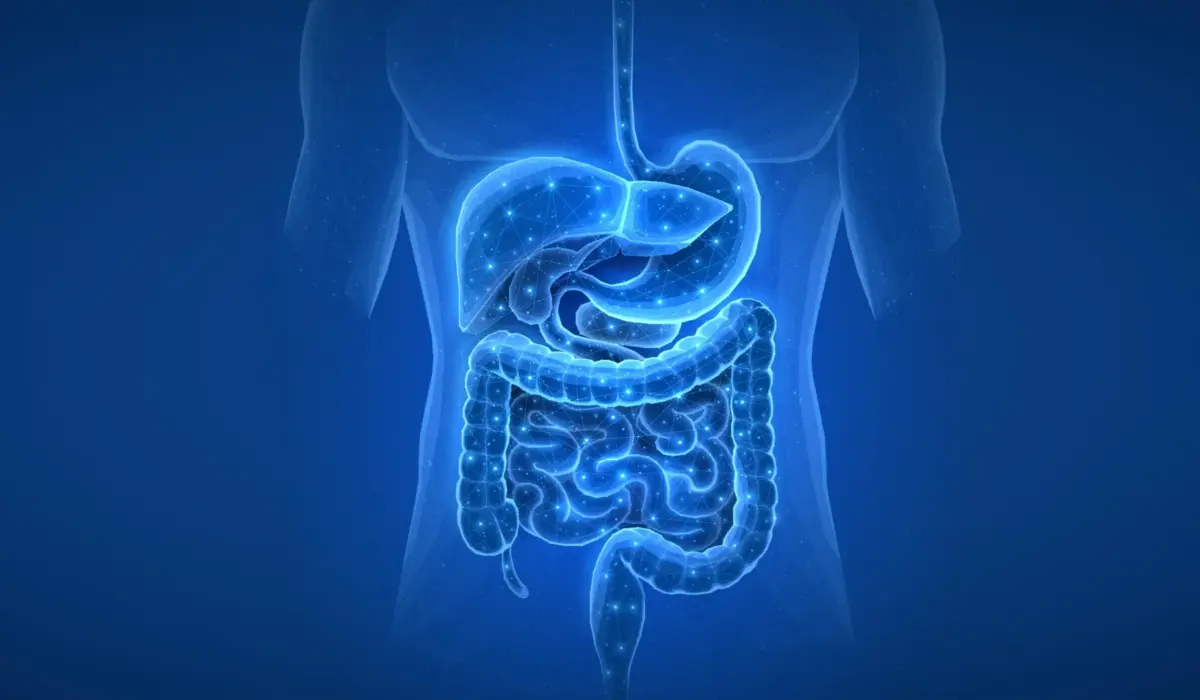
The human digestive tract is not merely a biological processing plant; it is a dense, highly sophisticated metropolis teeming with trillions of microorganisms known collectively as the gut microbiome. For decades, modern medicine has operated on a relatively short-term assumption regarding how these internal microbial populations respond to pharmaceutical interventions. Conventional wisdom suggested that once a course of medication ended—particularly non-antibiotic drugs—the gut ecosystem would quickly bounce back to its baseline state, erasing any trace of the chemical exposure.
However, a sweeping, population-scale investigation led by researchers at the University of Tartu Institute of Genomics has fundamentally upended this paradigm. According to their groundbreaking study, medications can profoundly and permanently influence the community of microbes living in the human gut long after a person has completely stopped taking them.
Analyzing data from more than 2,500 participants in the Estonian Biobank, the research team discovered that a patient’s prescription history serves as a critical, long-lasting blueprint for explaining structural differences in their gut microbiome years later. The implications of this discovery stretch far beyond academic curiosity. For years, medical researchers have struggled to understand why individuals consuming identical diets or living in similar environments possess vastly different microbial profiles. This new study indicates that the ghost of treatments past—medications taken months or even years prior—may hold the missing key.
Crucially, the research demonstrates that the phenomenon of lasting microbial disruption is not restricted to broad-spectrum antibiotics, which have long been recognized as ecological disaster zones for beneficial gut flora. Instead, the study reveals enduring microbial "fingerprints" associated with commonly prescribed chronic medications, including antidepressants, beta-blockers, proton pump inhibitors (PPIs), and benzodiazepines. Among the most startling revelations is the potency of anxiety medications like benzodiazepines, which exhibit microbiome-altering capabilities comparable to heavy-duty antibacterial regimens.
As precision medicine marches toward personalized treatments tailored to an individual’s unique biological makeup, this comprehensive evaluation of real-world health records sounds a clear warning bell. Scientists, clinicians, and pharmaceutical developers can no longer afford to evaluate a patient’s microbiome through the narrow lens of current lifestyle and immediate drug regimens. Accounting for a patient’s multi-year medication history may soon become an indispensable pillar of diagnostic accuracy, fundamentally reshaping how medical science interprets the delicate balance of the human gut.
Detailed Chronology: How the Discovery Unfolded
The genesis of this paradigm-shifting study lies in the exceptional depth of Estonia’s national health infrastructure. To trace the longitudinal arcs of drug-microbiome interactions, researchers at the University of Tartu Institute of Genomics turned to the Estonian Microbiome cohort, a subset of the broader Estonian Biobank. This repository contains not only genetic and lifestyle data but also rigidly maintained, digitized electronic health records spanning decades of prescription histories linked directly to biological samples.
Phase One: Cross-Sectional Analysis of the Estonian Biobank
The initial phase of the investigation targeted a massive cross-sectional dataset comprising stool samples and exhaustive prescription records from more than 2,500 human participants. By cross-referencing microbial DNA sequencing data extracted from the stool samples with national pharmacy dispensing records, the research team sought to map correlations between historical drug exposure and current gut enterotypes.
The analytical scope was vast. Rather than focusing exclusively on antibiotics or gastrointestinal drugs, the team cast a wide net across virtually every major pharmaceutical category. The hypothesis was straightforward: if drugs constantly interact with the digestive lining and the luminal contents during treatment, might they induce structural adaptations in microbial species that outlive the chemical presence of the drug itself?
The results of this initial screen were striking. The vast majority of the medications examined demonstrated statistically significant associations with structural differences in the gut microbiome. More importantly, when the researchers filtered the data to isolate individuals who had ceased taking specific medications months or even years prior, the microbial signatures remained stubbornly present. This established the foundational thesis of the paper: drug effects on the human microbiome are cumulative, persistent, and remarkably durable.
Phase Two: Evaluating Non-Antibiotic Classes
Historically, the medical community viewed antibiotics as the primary chemical threat to gut flora diversity. While drugs like penicillins and macrolides wipe out large swaths of beneficial bacteria, allowing opportunistic pathogens to take root, non-antibiotic medications were generally assumed to pass through the digestive tract with minimal collateral damage to the microbiome.
The University of Tartu team dismantled this assumption by identifying distinct microbial fingerprints linked to four major classes of non-antibiotic drugs:
- Antidepressants: Particularly selective serotonin reuptake inhibitors (SSRIs), which are consumed by millions globally for mood regulation.
- Beta-blockers: Frequently prescribed to manage hypertension, heart failure, and cardiac arrhythmias.
- Proton Pump Inhibitors (PPIs): Widely utilized over-the-counter and via prescription to suppress gastric acid production for acid reflux, ulcers, and GERD.
- Benzodiazepines: Potent central nervous system depressants prescribed for severe anxiety, panic disorders, and insomnia.
The discovery that these non-antibiotic classes leave structural imprints years after cessation suggests that human metabolic and neurological drugs exert direct or indirect selective pressures on gut bacteria—pressures that fundamentally rewrite the evolutionary trajectory of an individual’s internal ecosystem.
Phase Three: Longitudinal Validation and Predictable Shifts
To transition from correlation to causation, the researchers designed a crucial follow-up phase. Recognizing that cross-sectional studies can be confounded by unmeasured variables, the team secured follow-up stool samples from a smaller, targeted subset of participants over time.
This longitudinal window allowed researchers to observe real-time biological transformations as participants initiated or discontinued specific pharmaceutical treatments. By tracking patients before, during, and long after drug exposure, the team captured predictable, directional shifts in microbial populations.
While this second time-point analysis involved a smaller cohort, it provided vital proof of concept. The longitudinal data successfully confirmed persistent, dynamic shifts linked to proton pump inhibitors, selective serotonin reuptake inhibitors, and specific classes of antibiotics, such as macrolides and combination penicillins. Witnessing the ecosystem alter in real-time as drugs were introduced, and observe the sluggish, incomplete recovery of baseline flora once the drugs were stopped, provided undeniable evidence that medications themselves were driving the observed differences.
Supporting Context & Metrics: Unpacking the Data
To fully appreciate the magnitude of the University of Tartu findings, one must examine the specific metrics and pharmacological categories highlighted by the researchers. The study did not merely find that drugs change the gut; it mapped the degree, duration, and surprising equivalencies of these changes.
The Benzodiazepine Shock
One of the most provocative metrics to emerge from the data involved benzodiazepines. Clinical pharmacology has long categorized benzodiazepines as neuro-active compounds that target gamma-aminobutyric acid (GABA) receptors in the central nervous system. They are not designed to be antimicrobial agents.
Yet, the statistical association between benzodiazepines and gut microbiome alterations was comparable in magnitude to the disruptions caused by broad-spectrum antibiotics. Broad-spectrum antibiotics are engineered to kill or inhibit a wide array of bacterial strains indiscriminately, which explains their capacity to devastate gut microbial diversity.
For an anxiety medication to match this level of ecological disruption is a revelation. It raises urgent questions about the bidirectional communication of the gut-brain axis. Do benzodiazepines alter the microbiome via systemic immune modulation, or do gut microbes possess metabolic pathways that actively process these psychiatric drugs, suffering cellular toxicity in the process? Whatever the exact molecular mechanism, the data proves that chronic psychological therapies leave profound physical signatures in our digestive tracts.
Granular Disparities Within Drug Classes
Another vital contribution of the study is its critique of how scientific literature categorizes pharmaceuticals. Historically, microbiome researchers have frequently grouped medications into broad therapeutic classes—such as "antidepressants," "antihypertensives," or "pain relievers"—assuming that drugs designed to treat the same condition exert uniform effects on microbial communities.
The Estonian study shattered this generalization. When comparing individual drugs within the same therapeutic class, the researchers discovered stark divergences in how strongly they disrupted gut microbes. For example, diazepam and alprazolam—both classified as benzodiazepines and prescribed for anxiety—differed significantly in the strength and nature of their associations with the gut microbiome.
This granular insight indicates that future microbiome research must abandon broad-stroke categorizations. Scientists will need to evaluate individual active pharmaceutical ingredients separately, taking into account their unique chemical structures, metabolic pathways, and localized interactions within the gastrointestinal lumen.
The Confounding Variable in Disease Research
For years, microbiome science has pursued the Holy Grail of identifying specific microbial signatures associated with chronic diseases such as obesity, type 2 diabetes, inflammatory bowel disease (IBD), and colorectal cancer. Countless papers have published findings claiming that patients with Disease X possess lower levels of Faecalibacterium prausnitzii or higher ratios of Firmicutes to Bacteroidetes.
The University of Tartu study introduces a massive cautionary footnote to all such research: medication confounding.
Because patients with chronic illnesses are, by definition, heavy consumers of prescription drugs, researchers studying disease states may frequently be measuring the ghost of the pharmaceutical treatment rather than the direct pathological footprint of the disease itself. If a patient with hypertension exhibits a depleted microbiome, is it caused by the vascular disease, or is it the lingering echo of a beta-blocker prescription they took consistently for five years prior to the study? Without accounting for multi-year medication histories, clinical studies risk drawing fundamentally flawed conclusions about the biological drivers of human pathology.
Official Statements and Expert Perspectives
The academic and clinical weight of the findings has drawn praise from leaders in genomics and bioinformatics, who view the study as a methodological turning point for the discipline.
Dr. Oliver Aasmets, lead author of the study from the University of Tartu Institute of Genomics, emphasized the immediate need for a methodological pivot in how population health data is gathered and interpreted.
"Most microbiome studies only consider current medications, but our results show that past drug use can be just as important as it is a surprisingly strong factor in explaining individual microbiome differences," Dr. Aasmets stated during a briefing on the findings.
He elaborated on the investigative blind spot that the study exposes. By demonstrating that drugs consumed months or even years earlier can still dictate the microbial patterns observed in a standard stool sample, the research demands a rewriting of clinical intake protocols. A patient providing a fecal sample today is not presenting a clean biological slate; they are carrying an ecological archive written by every pill, capsule, and syrup they have ingested over the preceding half-decade.
Professor Elin Org, the corresponding author of the study and a leading authority in microbiome genomics, underscored the real-world foundation of the research and its future clinical utility.
"This is a comprehensive systematic evaluation of long-term medication effects on the microbiome using real-world medical health records," Professor Org noted. "We hope this encourages researchers and clinicians to factor in medication history when interpreting microbiome data."
Org and her colleagues believe that integrating longitudinal pharmacy records with genomic sequencing is the only way to achieve genuine precision medicine. If clinicians can accurately subtract the noise generated by past medication use, they can develop a much clearer picture of an individual’s true baseline health. This clarity will allow medical professionals to distinguish between true disease-associated microbial dysbiosis and the benign, long-term residue of necessary pharmaceutical therapies.
Future Outlook: The Dawn of Historical Microbiome Analytics
The publication of the University of Tartu study marks the end of an era of naivety in microbiome research. As the scientific community digests these findings, several clear trajectories for future research and clinical practice are beginning to emerge.
1. Rewriting Clinical Trial Methodologies
Moving forward, institutional review boards and clinical researchers designing microbiome-centric studies will face heightened scrutiny if they fail to control for historical medication use. Standard questionnaires for microbiome studies must evolve from simple checkboxes asking "Are you currently taking any medications?" to exhaustive, retrospective pharmaceutical audits spanning five to ten years. Integrating national electronic health registries—where available—will become the gold standard for validating participant medication histories.
2. Tailored Pharmacomicrobiomics
The field of pharmacomicrobiomics—which studies how the gut microbiome alters drug metabolism—will need to pivot to account for bidirectional feedback loops. If drugs alter the microbiome, and a altered microbiome changes how subsequent drugs are metabolized, patients may experience cascading pharmacodynamic shifts over their lifetimes. Understanding these long-term loops could help physicians anticipate why a patient responds poorly to a drug they have never taken before: their microbiome was permanently re-engineered by a different medication they took three years ago.
3. Therapeutic Microbial Restoration
As science begins to map which specific drugs cause durable, detrimental shifts in gut flora, the pharmaceutical and biotechnology sectors will likely pursue targeted counter-interventions. Just as doctors routinely prescribe probiotics or perform fecal microbiota transplants (FMT) following severe antibiotic courses, future medical protocols may involve micro-ecological restorative therapies designed to clear out the lingering microbial imbalances left behind by chronic treatments like antidepressants, PPIs, and benzodiazepines.
Conclusion
The human gut is far more resilient than we once feared, yet far more impressionable than we ever imagined. The University of Tartu Institute of Genomics has provided an invaluable roadmap showing that pharmaceuticals do not merely visit the body—they leave an enduring residence within our microscopic partners. For science, medicine, and patients alike, acknowledging the long shadow of our medication history is the first essential step toward true biological clarity.