








Executive Overview
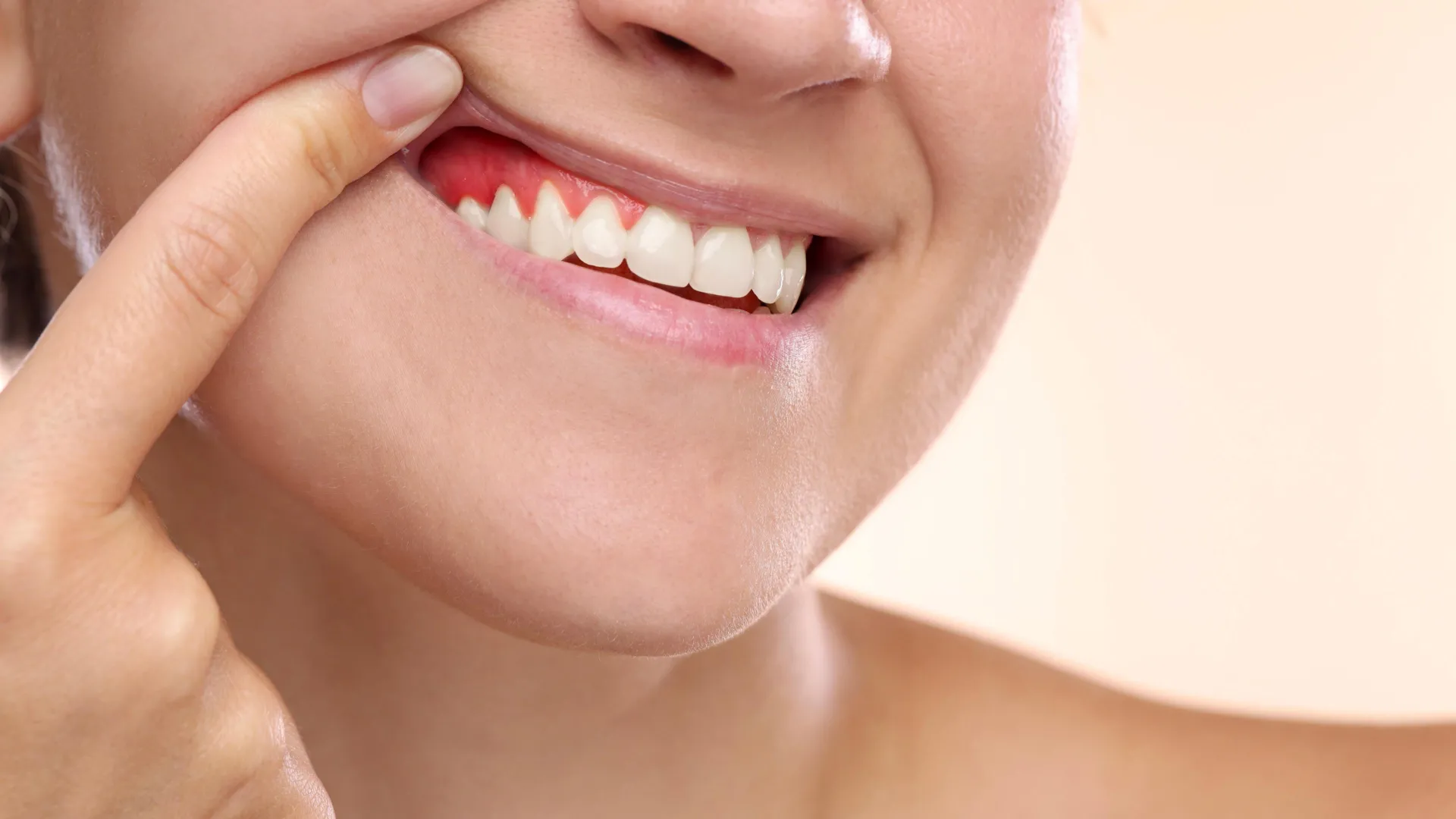
Periodontitis—a severe, chronic inflammatory gum disease that ultimately degrades the structural foundations of human dentition—has long presented a formidable challenge to modern dentistry. Conventional therapeutic interventions are routinely limited to infection suppression and inflammation management, falling notoriously short when it comes to actively regenerating the damaged bone and soft tissues that anchor teeth in place. However, a multidisciplinary team of researchers at the Faculty of Medical and Health Sciences (FCMS) of the Pontifical Catholic University of São Paulo (PUC-SP) in Sorocaba, Brazil, has unveiled a pioneering biomaterial that could fundamentally transform the treatment paradigm.
By strategically synthesizing raw jackfruit latex, polyphenol-rich pomegranate peel extract, and the statin-class medication simvastatin, the Brazilian investigators have engineered a novel mucoadhesive gel. This multi-functional biomaterial is designed to adhere persistently to compromised periodontal pockets, releasing therapeutic payloads directly to the site of infection while simultaneously stimulating bone tissue regeneration. Published in the esteemed peer-reviewed journal Polymer Bulletin and backed by the São Paulo Research Foundation (FAPESP), this innovation bridges the gap between natural bioactive compounds and advanced pharmaceutical drug delivery systems.
The clinical implications of this discovery are profound. By shifting from systemic administrations—which often demand high systemic dosages and carry risks of systemic toxicity and muscular degeneration—to localized, targeted delivery, this jackfruit-derived matrix offers an unprecedented avenue for treating oral pathologies. Furthermore, the incorporation of widely underutilized agricultural byproducts highlights a sustainable approach to high-tech biomedical engineering. While rigorous preclinical safety trials and human clinical validations still lie ahead, the preliminary in vitro results point toward a transformative leap forward in regenerative periodontal medicine.
Detailed Chronology of the Discovery
The genesis of this breakthrough biomaterial is rooted in systematic biomedical investigation, rigorous material science experimentation, and an inventive approach to unconventional natural resources. The trajectory of the research, from initial conceptualization to laboratory validation, highlights a meticulous scientific process.
Phase 1: Conceptualization and Material Selection
The project originated from an ongoing quest by Professor Eliana Aparecida de Rezende Duek and her colleagues at the FCMS Department of Surgery to identify natural polymers capable of retaining active pharmaceutical ingredients within dynamic oral environments. Traditional gels and synthetic polymers frequently wash away due to saliva flow and mechanical friction, drastically reducing their therapeutic efficacy.
The turning point occurred when the research group turned their attention to the raw latex extracted from Artocarpus heterophyllus—commonly known as the jackfruit. While analyzing the structural characteristics of the latex, researchers recognized that its exceptional inherent adhesive properties could solve the retention dilemma. By remaining anchored to the affected gum tissue for extended periods, a jackfruit latex matrix could facilitate a sustained, localized release of therapeutics, bypassing the need for frequent pharmaceutical applications and reducing systemic antibiotic dependency.
Phase 2: Integration of Bioactive Compounds
Once the structural matrix of jackfruit latex was selected as a viable vehicle, the team sought to populate it with active agents capable of tackling the multi-factorial nature of periodontitis: infection, chronic inflammation, and bone degradation.
- Pomegranate Peel Extract (Punica granatum): Valued for its robust antimicrobial and antioxidant properties when applied topically, this agricultural byproduct was incorporated to combat the pathogenic bacterial biofilms responsible for driving periodontal destruction.
- Simvastatin: Traditionally prescribed orally to manage hypercholesterolemia, simvastatin is a statin-class drug that has increasingly captured the attention of bone tissue engineers. Beyond its well-documented anti-inflammatory properties, preclinical studies have established its capacity to upregulate bone morphogenetic proteins (BMPs), thereby stimulating osteogenesis (bone formation).
The synthesis of these three components yielded a cohesive, highly specialized mucoadhesive hydrogel capable of addressing tissue destruction, microbial load, and inflammation simultaneously.
Phase 3: Extraction, Purification, and Formulation
To prepare the biomaterial, the scientific team manually harvested latex from freshly collected jackfruit specimens. The raw material underwent a rigorous chemical purification process to eliminate impurities and minimize allergenic risks while preserving its structural integrity and adhesive properties.
Following successful purification, the pomegranate peel extract was homogeneously blended into the latex matrix. Subsequently, simvastatin was introduced into the formulation at three distinct concentrations: 0.3%, 0.6%, and 1.2%. Physicochemical assays confirmed that these varying concentrations of the statin did not compromise the structural stability, viscoelasticity, or mucoadhesive capacity of the hydrogel, establishing a technically safe baseline for biological testing.
Phase 4: In Vitro Biological and Osteoinductive Validation
With the biomaterial formulated, the researchers transitioned to laboratory validation using human adipose-derived stem cells (hADSCs)—a standard and reliable cellular model for assessing regenerative capabilities.
The composite hydrogel was subjected to comprehensive biological assays to monitor cellular interaction, cytotoxicity, and osteoinductive potential. Within 14 days of exposure to the simvastatin-infused jackfruit latex gel, the human stem cells demonstrated clear signs of osteoinduction, with cellular differentiation initiating along bone-forming pathways. This osteogenic effect intensified significantly by the 21-day mark across all three tested concentrations (0.3%, 0.6%, and 1.2%). These metrics provided empirical validation that the biomaterial not only acts as an antimicrobial and anti-inflammatory agent, but actively promotes the regeneration of alveolar bone structures lost to chronic periodontitis.
Supporting Context & Metrics
To appreciate the gravity of this breakthrough, one must examine the clinical realities of periodontitis, the pharmacology of simvastatin delivery, and the unique properties of the materials utilized by the Brazilian research team.
The Global Burden of Periodontitis
Periodontitis is far more than simple gingivitis or routine gum bleeding. It is a chronic, destructive inflammatory condition triggered by complex polymicrobial infections that dismantle the periodontium—the specialized tissues that surround and support the teeth, including the gingiva, periodontal ligament, cementum, and alveolar bone.
According to global health metrics, severe periodontitis affects nearly 10% to 15% of the global adult population, making it one of the most prevalent chronic human diseases. As the disease advances, the body’s inflammatory response, combined with bacterial toxins, triggers the resorption of alveolar bone. Left untreated, this leads to tooth mobility, spontaneous tooth loss, and profound functional and aesthetic impairments. Furthermore, chronic periodontal inflammation has been increasingly linked to systemic health complications, including cardiovascular disease, type 2 diabetes mellitus, and adverse pregnancy outcomes.
Limitations of Current Paradigms
Current therapeutic strategies focus heavily on non-surgical interventions (such as scaling and root planing) and, in advanced cases, surgical pocket reduction, guided tissue regeneration (GTR), and bone grafting procedures.
While these treatments succeed in halting active infection and lowering localized bacterial loads, they suffer from severe limitations:
- Inability to Regenerate Bone: Traditional scaling and antibiotic therapy manage bacteria but rarely restore lost alveolar bone height or repair the periodontal ligament attachment.
- Variable Surgical Outcomes: Techniques like GTR and bone grafting are surgically demanding, expensive, and yield highly variable, often unpredictable results depending on patient anatomy and compliance.
- Systemic Side Effects: Conventional pharmaceutical approaches rely on systemic antibiotics and anti-inflammatory drugs. Because these medications circulate throughout the entire body, high doses are often required to achieve a therapeutic concentration in the oral cavity, which can disrupt gut microbiota, induce microbial resistance, or cause systemic toxicity.
Pharmacological Advantages of Localized Simvastatin Delivery
Simvastatin has emerged in regenerative medicine as a potent osteoinductive agent. However, its oral administration is heavily compromised by the phenomenon of "first-pass metabolism." When taken orally, the vast majority of simvastatin is sequestered and metabolized by the liver, meaning only a negligible fraction enters the systemic bloodstream to reach peripheral tissues.
To achieve therapeutic levels in the periodontium via oral ingestion, clinicians would need to prescribe impractically high doses. This dramatically elevates the risk of severe adverse effects, most notably myotoxicity (acute muscle degeneration), rhabdomyolysis, and hepatotoxicity.
By incorporating simvastatin directly into the jackfruit latex mucoadhesive matrix, the PUC-SP researchers have bypassed hepatic first-pass metabolism entirely. The gel acts as a localized drug delivery depot, slowly and continuously releasing therapeutic concentrations of simvastatin directly into the diseased periodontal pocket. This maximizes local osteogenesis and anti-inflammatory efficacy while minimizing systemic exposure and toxicity risks.
The Role of Agricultural Byproducts in Biomaterials
The use of jackfruit latex (Artocarpus heterophyllus) and pomegranate peel extract (Punica granatum) highlights a growing trend in green chemistry and sustainable biomedical engineering. Pomegranate peels, typically discarded as agricultural waste, are rich in hydrolyzable tannins, ellagic acid, and flavonoids, which exhibit robust free-radical scavenging and broad-spectrum antimicrobial activities. Similarly, utilizing sustainably harvested plant latex offers an abundant, biocompatible alternative to petroleum-derived synthetic polymers, reducing manufacturing costs and environmental footprints while opening up novel frontiers in biomaterials science.
Official Statements and Expert Perspectives
The research initiative—officially documented under FAPESP project grants 23/17083-8 and 23/12039-0—has garnered significant attention within the Brazilian scientific community and international polymer science circles.
Professor Eliana Aparecida de Rezende Duek, who coordinated the study at the Faculty of Medical and Health Sciences (FCMS) of PUC-SP, emphasized the innovative nature of the biomaterial and its broad potential applications:
"We began to view latex extracted from jackfruit as an interesting alternative, as it has adhesive properties. This led us to believe that it could remain longer at the site affected by periodontitis, promoting a more targeted release of therapeutic compounds and potentially reducing the need for systemic antibiotic use," explained Dr. Duek.
Highlighting the emotional and scientific trajectory of the laboratory findings, Dr. Duek noted the striking efficacy observed during the initial cell culture phases:
"Overall, the results were very encouraging for us. We observed that the developed biomaterial has great potential for future applications in treating periodontitis and in other areas as well, especially since it involves a material that has received little attention in the scientific literature for biomedical use."
At the same time, the research team maintains a rigorous, objective perspective regarding the timeline of clinical translation. Dr. Duek was careful to temper immediate public expectations, emphasizing that laboratory breakthroughs must withstand the crucible of extensive preclinical animal testing and human clinical trials before reaching dental clinics:
"Despite these promising results, we’re continuing to move forward with new studies to more thoroughly evaluate the efficacy and safety of the system."
Independent reviewers and polymer chemistry experts have similarly underscored the elegance of combining a natural adhesion mechanism with repurposed pharmacological agents. By harmonizing botanical resources with established therapeutics, the PUC-SP team has demonstrated how interdisciplinary collaboration can address longstanding clinical challenges in dentistry.
Future Outlook and Clinical Roadmap
While the in vitro results published in Polymer Bulletin represent a monumental milestone, the transition from a laboratory bench formulation to a commercially available dental product involves a structured, multi-step clinical roadmap.
1. Preclinical Animal Models
The immediate next phase of research will focus on in vivo testing using well-established animal models of periodontitis (such as rodent or canine models). These studies will evaluate how the jackfruit latex hydrogel behaves within a living, dynamic oral microbiome, assessing tissue biocompatibility, local immune responses, and the rate of natural alveolar bone regeneration in real-time. Furthermore, pharmacokinetic analyses will be conducted to map the exact release profile of simvastatin and pomegranate extract within active periodontal pockets.
2. Formulation Refinement and Scalability
As the team gathers in vivo data, materials scientists will fine-tune the rheological properties of the hydrogel. Ensuring batch-to-batch consistency in raw jackfruit latex harvesting and purification will be critical for large-scale pharmaceutical manufacturing. Packaging the gel into user-friendly clinical applicators—allowing periodontists and general dentists to easily inject the material directly into deep periodontal pockets—will also be an essential engineering priority.
3. Regulatory Pathways and Human Clinical Trials
Assuming preclinical safety and efficacy parameters are successfully met, the technology will progress toward Phase I and Phase II human clinical trials. These trials will evaluate the safety, tolerance, and therapeutic efficacy of the jackfruit latex-simvastatin-pomegranate gel in human patients suffering from chronic periodontitis, comparing pocket depth reduction and bone density recovery against standard-of-care treatments.
4. Beyond Periodontitis: Expanding Horizons
Beyond the immediate scope of periodontal disease, the underlying technological platform—a mucoadhesive plant-latex matrix capable of delivering localized statins and antimicrobial extracts—holds vast potential for other medical and dental applications. Researchers speculate that similar formulations could be adapted for treating peri-implantitis (an inflammatory condition affecting dental implants), managing chronic mucosal ulcers, or delivering localized regenerative therapies in orthopedic and periodontal reconstructive surgery.
Conclusion
The innovative biomaterial developed by researchers at PUC-SP Sorocaba exemplifies the power of modern translational science. By uniting the adhesive qualities of jackfruit latex, the antimicrobial power of pomegranate peel extract, and the osteoinductive properties of simvastatin, Brazilian science has forged a promising path toward true tissue regeneration in periodontal care. As ongoing studies progress toward clinical evaluation, this sustainable, targeted therapeutic platform offers renewed hope for millions of patients suffering from the debilitating effects of gum disease.