




Executive Overview
In the ongoing war against oncology’s most stubborn adversaries, researchers are increasingly looking backward in evolutionary history to find forward-looking solutions. A groundbreaking study published in the prestigious journal Nature Communications by a team of scientists at Nagoya University in Japan has shed light on an unexpected ally in the fight against cancer: complement C3, an immune molecule whose origins predate the evolution of blood circulation itself. Found even in primitive organisms like sponges and jellyfish, C3 has long been recognized as a circulating sentinel in human blood, manufactured primarily by the liver to patrol the body for infections. However, this new research reveals that C3 plays a vastly different, highly localized role when manufactured directly within the chaotic ecosystem of a tumor.
The Nagoya University team discovered that complement C3 can effectively prevent immune-suppressing cells from infiltrating the tumor microenvironment—but only when the protein is produced locally by cells residing within the tumor tissue itself. C3 circulating freely through the bloodstream was found to have virtually no bearing on the success or failure of cancer immunotherapy.
These findings introduce a paradigm shift in how oncologists understand the barriers to successful immunotherapy. By demonstrating that locally synthesized C3 breaks down into a specific fragment—iC3b—which acts as a structural gatekeeper blocking harmful myeloid cells from entering the tumor, the researchers have illuminated a critical biochemical pathway. Furthermore, when the team administered a pharmacological mimic of this C3-derived blockade to mice harboring immunotherapy-resistant tumors, they successfully sensitized the cancers to treatment, resulting in significantly extended survival rates.
Human tissue sample analyses of lung cancer patients corroborated these animal models: patients exhibiting elevated levels of local C3 within their tumor tissue experienced markedly better clinical responses and longer survival durations. Conversely, circulating blood levels of C3 bore no statistical correlation to therapeutic outcomes. As researchers chart a path toward clinical translation, these insights could soon pave the way for predictive biomarkers that identify which patients will respond to immunotherapy, alongside novel adjuvant therapies designed to artificially boost local C3 activity in treatment-resistant malignancies.
Detailed Chronology of the Discovery
The journey from a broad theoretical inquiry into ancient immunology to a targeted breakthrough in cancer therapeutics represents a methodical, multi-step scientific undertaking led by assistant professor Yuki Miyai and his colleagues at Nagoya University’s Graduate School of Medicine.
Phase 1: Unraveling the Enigma of Cancer-Associated Fibroblasts
For decades, immunologists have understood that tumors are not merely isolated masses of malignant cells; rather, they are complex, self-sustaining organs comprising blood vessels, signaling molecules, and various normal cells hijacked to support tumor growth. Among the most prominent of these supporting actors are cancer-associated fibroblasts (CAFs)—normal connective tissue cells that surround the tumor and actively shape its microenvironment.
While the role of CAFs in promoting tumor extracellular matrix remodeling and metastasis has been extensively studied, their local production of immune-regulating proteins remained largely terra incognita. Lead author Yuki Miyai and his team focused their attention on why certain fibroblasts within the tumor stroma synthesized complement C3. While systemic C3 production by the liver is well documented, the physiological and pathological consequences of tissue-specific C3 generation had rarely been scrutinized in the context of solid tumors.
Phase 2: Dissecting the Source—Bloodstream vs. Tumor Microenvironment
To determine whether C3 derived from the liver played a synergistic role with immunotherapy, or if local production was the true driver of treatment efficacy, the Nagoya University researchers engineered a series of elegant experiments using murine (mouse) models.
First, the team suppressed liver-produced C3 by roughly 90%. To their surprise, when these mice were administered an anti-PD-1 checkpoint inhibitor—a standard immunotherapy drug designed to release the "brakes" on the immune system—the treatment remained just as effective as it was in control mice with completely normal, baseline C3 levels. Systemic C3, it seemed, was entirely expendable regarding immunotherapy response rates.
The experimental paradigm shifted dramatically when the researchers selectively disrupted the ability of tumor-associated fibroblasts to produce C3 locally. Under these conditions, when the localized generation of C3 within the tumor was blocked (even though systemic blood levels of C3 dipped by a mere 9%), the efficacy of the anti-PD-1 immunotherapy plummeted. The treatment that had previously kept tumors at bay suddenly lost its potency.
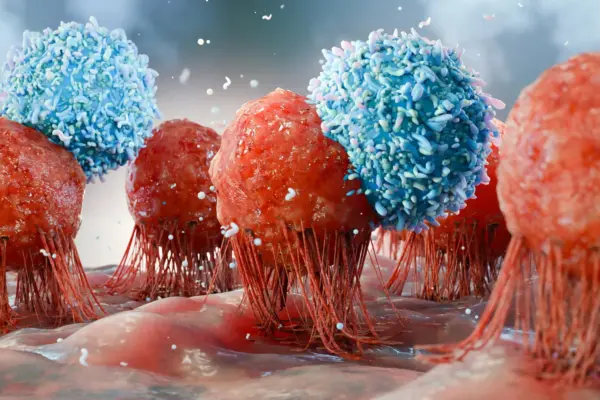
Through meticulous biochemical analysis, Miyai and his team identified the mechanical mechanism at play: locally produced C3 undergoes cleavage within the tumor microenvironment, generating a specific degradation fragment known as iC3b. This fragment acts as an immunological sentry, physically blocking immunosuppressive myeloid cells from crossing the threshold into the tumor bed. Without this local guard, myeloid cells flood the tumor, actively dampening the host immune response and rendering checkpoint blockade therapies ineffective.
Phase 3: Overcoming Resistance in Murine Models
Having established the mechanism by which local C3 and its iC3b fragment facilitate immunotherapy, the team pushed the investigation toward a translational horizon: could this protective effect be artificially replicated in aggressive cancers that inherently resist immune checkpoint inhibitors?
The researchers tested a specialized pharmacological agent engineered to functionally mimic the way C3 prevents immunosuppressive myeloid cells from migrating into tumors. When administered to mice bearing immunotherapy-resistant cancers, the drug successfully transformed "cold" (immune-evasive) tumors into "hot" (immune-responsive) targets. The once-refractory tumors responded robustly to subsequent immunotherapy, and the experimental mice experienced a statistically significant extension in overall survival.
Phase 4: Validation in Human Lung Cancer Cohorts
To ensure that these murine discoveries were not an artifact of animal models, the research team transitioned to human tissue pathology. They examined archived tumor biopsy samples from patients diagnosed with lung cancer—one of the most prevalent and therapeutically challenging malignancies globally.
The clinical correlation was striking. Lung cancer patients who presented with high endogenous levels of C3 localized within the tissue surrounding their cancer cells experienced demonstrably superior treatment responses and prolonged survival metrics. In fact, approximately 50% of patients with high local C3 levels responded positively to therapy. In stark contrast, zero patients with low local C3 levels exhibited a clinical response. Echoing the murine findings, systemic C3 levels measured via routine blood draws showed zero predictive value regarding patient prognosis or treatment success.
Supporting Context & Metrics: The Science Behind Complement C3
To appreciate the weight of the Nagoya University discovery, one must examine the evolutionary history, biochemistry, and cellular dynamics of the complement cascade.
An Evolutionary Relic
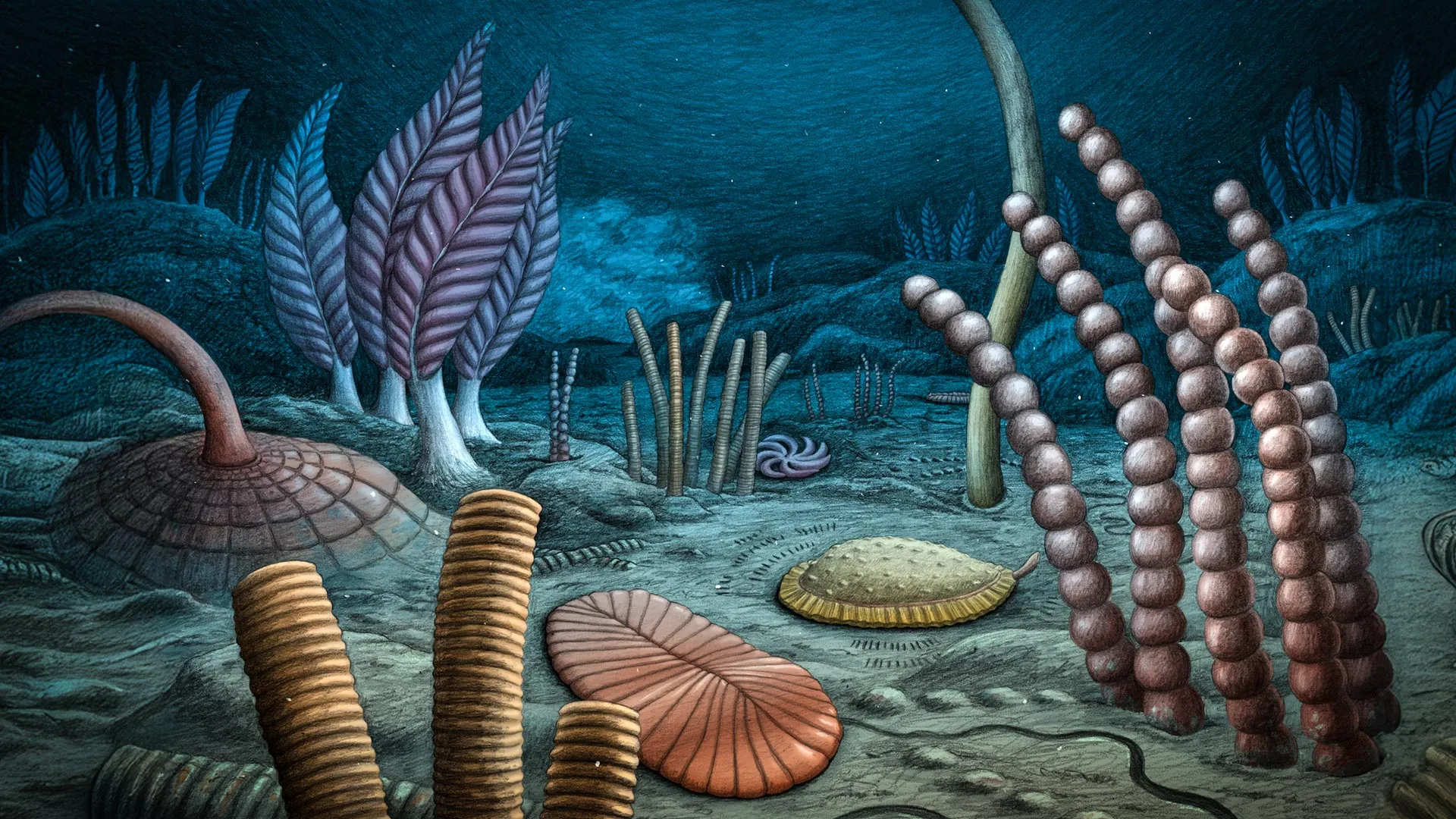
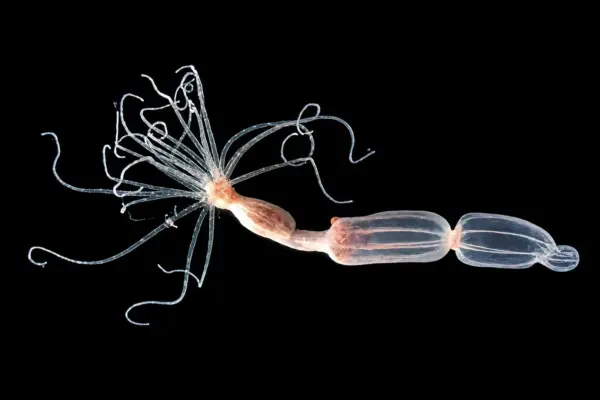
The complement system is an integral part of the innate immune system. Phylogenetically ancient, components of the complement cascade—including C3—can be isolated in evolutionary precursors such as sea sponges, tunicates, and jellyfish, predating the advent of adaptive immunity, lymphoid organs, and closed circulatory systems by hundreds of millions of years.
Originally evolved as a primitive surveillance and clearance mechanism against pathogens and cellular debris, C3 sits at the nexus of all three major complement activation pathways (the classical, lectin, and alternative pathways). When cleaved, C3 generates active fragments like C3a (an anaphylatoxin that recruits inflammatory cells) and C3b (which opsonizes pathogens for phagocytosis). However, the Nagoya University study highlights a distinct, non-canonical function of C3 metabolism within the specialized architecture of solid tumors: the generation of iC3b by stromal fibroblasts to regulate myeloid cell trafficking.
The Myeloid Cell Barrier
In the context of oncology, the tumor microenvironment is frequently characterized by immune suppression. Tumors recruit various host cells to shield themselves from cytotoxic T-lymphocytes (the immune system’s primary cancer-killing cells). Among the most insidious actors in this defensive network are immunosuppressive myeloid cells, which include myeloid-derived suppressor cells (MDSCs) and tumor-associated macrophages (TAMs).
- Immunosuppression: These myeloid cells secrete cytokines (such as TGF-beta and IL-10) that blunt T-cell activation, induce T-cell exhaustion, and construct a biochemical wall around the malignancy.
- The C3/iC3b Interception: The Nagoya study demonstrates that when cancer-associated fibroblasts secrete local C3, its localized breakdown into iC3b acts as a molecular deterrent. It interferes with the chemotactic signaling that guides immunosuppressive myeloid cells into the tumor core.
- Therapeutic Synergy: By keeping these myeloid cells at bay, local C3 clears a path for infused or endogenously stimulated T-cells to infiltrate the tumor parenchyma, recognize neoantigens, and execute cancer cell lysis.
| Parameter / Variable | Systemic C3 (Liver-Derived) | Local C3 (CAF-Derived) |
|---|---|---|
| Primary Source | Hepatocytes (Liver) | Cancer-Associated Fibroblasts (Tumor Stroma) |
| Circulation Medium | Bloodstream / Plasma | Extracellular Matrix of Tumor Microenvironment |
| Impact on Immunotherapy | Negligible / None | Critical (Enables Checkpoint Blockade Efficacy) |
| Key Downstream Product | Systemic immune defense vs. pathogens | iC3b fragment (Blocks suppressive myeloid cells) |
| Human Lung Cancer Correlation | No link to treatment success | High levels strongly correlate with response & survival |
Official Statements and Expert Insights
The study’s implications have drawn widespread attention within the international oncology and immunology communities, underscoring the shift toward targeting the tumor stroma rather than just the malignant cells themselves.
Lead author Yuki Miyai, assistant professor at the Graduate School of Medicine, Nagoya University, emphasized the crucial distinction between systemic and localized protein origins during a press briefing discussing the publication:
"What determined the efficacy of the immunotherapy treatment was not the C3 circulating in the blood, but the local C3 produced directly at the tumor site," Miyai explained. "When this local C3 breaks down, it forms a specific fragment called iC3b that physically halts harmful myeloid cells from entering the tumor microenvironment. As a direct result, standard immunotherapy becomes vastly more likely to work."
Miyai also expanded on the historical blind spot regarding tissue-specific complement production: "While scientists have studied liver-produced C3 for decades in the context of systemic infections, the exact contributions of complement proteins synthesized by cancer-associated fibroblasts within the tumor stroma remained entirely uncharted territory. Our findings bridge this gap, demonstrating that the tumor microenvironment is an active endocrine and paracrine organ capable of orchestrating its own immune surveillance."
Independent oncological researchers reviewing the Nature Communications paper have praised its methodological rigor, particularly the use of bone marrow chimera models and tissue-specific knockout techniques to decouple systemic versus local protein pools. Analysts note that the discovery provides a rational explanation for why systemic blood biomarkers often fail to predict patient responses to complex immunotherapies like anti-PD-1 or anti-CTLA-4 antibodies.
Future Outlook & Clinical Implications
As the medical research community digests these findings, the Nagoya University team is already charting the next phases of translational development. The roadmap from murine models to human clinical trials involves several critical milestones.
1. Developing Targeted C3-Boosting Therapeutics
The most immediate clinical application lies in developing pharmacological interventions that can safely and efficiently upregulate C3 production in situ within treatment-resistant tumors. Because systemic elevation of C3 via liver stimulation yields no therapeutic benefit, systemic administration of native C3 protein is unlikely to work. Instead, researchers are focusing on:
- Stromal Reprogramming Agents: Drugs designed to stimulate cancer-associated fibroblasts to increase local C3 synthesis.
- Stable iC3b Mimetics: Refining the pharmacological compounds tested in the mouse studies into stable, human-compatible biologics that replicate the myeloid-blocking functions of the iC3b fragment.
2. Refining Precision Predictive Biomarkers
Currently, many patients endure costly and physically taxing immunotherapy regimens without knowing whether their tumors will respond. The human lung cancer data presented in the study suggests that measuring local C3 tissue levels via immunohistochemistry on core needle biopsies could serve as an invaluable predictive biomarker.
- Patients with high local C3 expression could be prioritized for standard checkpoint blockade monotherapy.
- Patients with low local C3 expression could be flagged for combination therapies—receiving standard immunotherapy coupled with a C3-mimetic or myeloid-blocking adjuvant to level the playing field.
3. Broadening Horizons: Wound Healing and Chronic Inflammation
Beyond oncology, the revelation that locally produced C3 commands distinct biological functions compared to its circulating counterpart has profound implications for other fields of regenerative medicine and pathology. The Nagoya University research team has indicated that future investigations will explore local C3 activity in:
- Wound Healing: Examining how stromal fibroblasts utilize complement proteins to manage immune cell influx during tissue repair and scarring.
- Chronic Inflammatory Disorders: Assessing whether dysregulated local C3 production contributes to autoimmune conditions, fibrosis, and chronic inflammatory diseases where myeloid cell accumulation drives tissue destruction.
Conclusion
The discovery that an ancient, evolutionarily conserved immune molecule holds the key to unlocking modern cancer immunotherapy marks a triumph of translational science. By looking beyond the bloodstream and deep into the architecture of the tumor microenvironment, Nagoya University researchers have exposed a vulnerability in cancer’s defenses. As these findings transition from bench to bedside, they promise to turn treatment-resistant "cold" tumors into responsive targets, offering renewed hope for patients facing some of the most aggressive malignancies in modern medicine.