










Executive Overview
In a landmark development for neurobiology and translational medicine, a team of international researchers has identified a promising new therapeutic pathway for the treatment of autism spectrum disorder (ASD) and related neurodevelopmental conditions. Led by Director Eunjoon Kim at the prestigious Institute for Basic Science (IBS) Center for Synaptic Brain Dysfunctions, the research consortium has successfully demonstrated that inhibiting a specific glycine transporter—known as Slc6a20a in mice and SLC6A20 in humans—can restore critical synaptic signaling pathways long impaired in individuals with autism.
For decades, the neuroscientific community has recognized that the dysfunction of NMDA receptors (NMDARs)—vital molecular gateways responsible for regulating synaptic plasticity, learning, memory, and high-level cognitive processing—plays a central role in the pathophysiology of autism spectrum disorder, schizophrenia, intellectual disabilities, and NMDAR encephalitis. However, historical attempts to pharmacologically rescue NMDAR hypofunction have faced severe clinical roadblocks. Previous strategies focused on flooding the brain with glycine by inhibiting broadly distributed transporters, which inadvertently triggered dangerous, systemic side effects due to interference with brainstem centers controlling vital autonomic functions like respiration and basic motor coordination.
The IBS research team bypassed this historical impasse through a high-precision, molecularly targeted approach. By directing their intervention specifically at the regionally localized Slc6a20a transporter using antisense oligonucleotides (ASOs), the investigators achieved a dual breakthrough: they successfully restored NMDAR functionality and reversed core behavioral symptoms—including social interaction deficits, communication abnormalities, and repetitive behaviors—in adult mouse models carrying high-penetrance autism risk mutations (SHANK2 and SHANK3).
Crucially, these therapeutic benefits were replicated in advanced human cortical organoids engineered via CRISPR gene-editing technology, marking a vital bridge from murine models to human clinical relevance. With a single administration yielding therapeutic efficacy lasting at least eight weeks without observable adverse events, this discovery charts an ambitious, highly promising course toward precision neurotherapeutics for a wide spectrum of cognitive disorders.
Detailed Chronology of the Research Breakthrough
To fully appreciate the magnitude of this discovery, it is necessary to examine the systematic, multi-phase experimental chronology undertaken by Director Kim and his colleagues at the IBS Center for Synaptic Brain Dysfunctions.
Phase I: Identifying the Specific Glycine Transporter Bottleneck
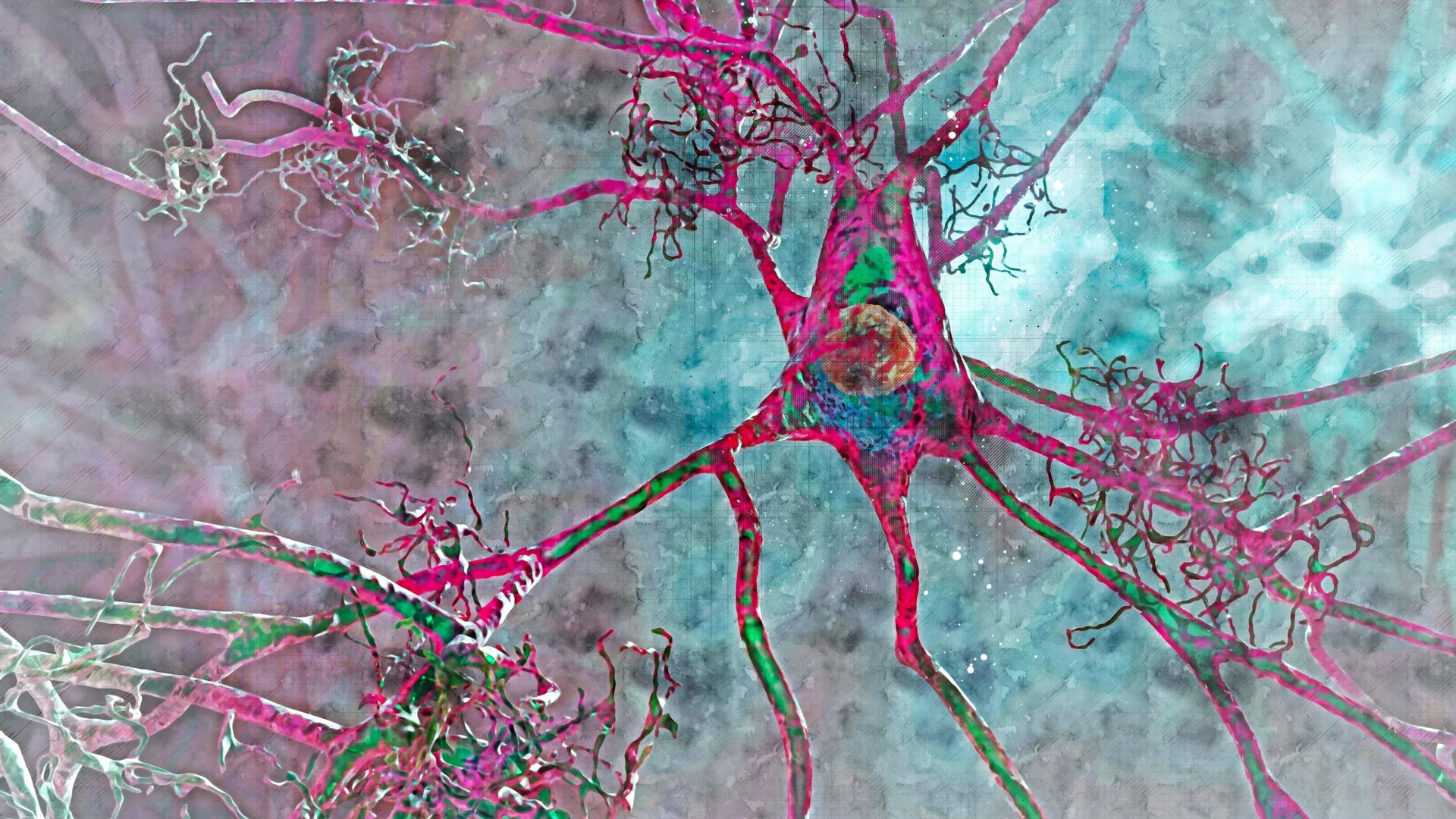
The foundational phase of the project centered on resolving a long-standing pharmacological dilemma. NMDA receptors are heterotetrameric ion channels that require the simultaneous binding of two distinct neurotransmitters—glutamate and glycine (or D-serine)—to open and allow calcium influx into the postsynaptic neuron. In numerous neurodevelopmental disorders, this mechanism is compromised, leading to a state known as NMDAR hypofunction.
Historically, researchers attempted to elevate extracellular glycine concentrations in the brain by inhibiting GlyT1, a prominent glycine transporter. While this approach theoretically increased glycine availability at the synapse, GlyT1 is heavily expressed throughout the brainstem. Consequently, GlyT1 inhibitors frequently induced profound off-target neurotoxicity and autonomic suppression.
Director Kim’s team hypothesized that a more localized, region-specific transporter might regulate synaptic glycine levels without the catastrophic side effects associated with global GlyT1 blockade. Through transcriptomic and proteomic screening, the team zeroed in on Slc6a20a/SLC6A20. Unlike GlyT1, Slc6a20a expression is heavily concentrated in higher-order cognitive centers, particularly the cerebral cortex and the hippocampus—regions inherently tied to the behavioral and executive deficits observed in autism.
Phase II: Preclinical Testing via Antisense Oligonucleotides (ASOs)
Having identified Slc6a20a as an optimal therapeutic target, the researchers required a delivery and silencing mechanism capable of exerting precise, long-lasting control over gene expression. They deployed antisense oligonucleotides (ASOs)—short, synthetic strands of modified nucleic acids designed to bind complementary sequences of target messenger RNA (mRNA), thereby preventing translation or accelerating mRNA degradation.
The team tested this ASO-based therapeutic strategy on murine models engineered with mutations in SHANK2 and SHANK3. These two genes encode major scaffolding proteins localized at the postsynaptic density of excitatory synapses. Mutations in SHANK2 and SHANK3 are among the most robustly validated genetic risk factors for idiopathic autism and Phelan-McDermid syndrome, making them gold-standard models for preclinical neurodevelopmental research.
Remarkably, intracerebroventricular administration of Slc6a20a-targeted ASOs successfully knocked down transporter expression in the target brain regions, leading to a direct normalization of extracellular glycine levels, the subsequent rescue of NMDAR current amplitudes, and the restoration of long-term potentiation (LTP)—the cellular hallmark of learning and memory.
Phase III: Behavioral Rescue in Adult Models
One of the most astonishing revelations of the chronology was the temporal window of efficacy. Neurodevelopmental disorders are frequently viewed as fixed structural anomalies that must be intervened upon during early embryonic or neonatal critical windows. However, the IBS team administered the Slc6a20a ASO therapy to fully mature, adult mice exhibiting established autism-like behavioral phenotypes.
Through a battery of rigorous behavioral paradigms—including the three-chamber social interaction test, ultrasonic vocalization recordings during social encounters, and marble-burying assays to quantify repetitive behaviors—the researchers tracked profound behavioral recovery. Treated adult mice demonstrated:
- A significant restoration of sociability, spending markedly more time interacting with unfamiliar novel mice compared to vehicle-treated mutant controls.
- An increase in normative social communication, evidenced by the normalization of ultrasonic vocalization patterns.
- A dramatic reduction in stereotypical, repetitive motor behaviors.
These findings fundamentally challenge the dogma that neurodevelopmental synapses are permanently locked into pathological states past adolescence, opening an unprecedented therapeutic window for adult patient populations.
Phase IV: Unraveling the Molecular Mechanism via Phospho-Proteomics
To understand how the restoration of NMDAR function translated into such sweeping physiological and behavioral improvements, the research team conducted high-throughput, large-scale phospho-proteomic analyses on brain tissue samples from treated and untreated subjects.
Intriguingly, the proteomic profiling revealed that the Slc6a20a ASO therapy caused virtually no gross alterations in the total abundance of constituent synaptic proteins. Instead, the intervention enacted targeted corrections upon abnormal protein phosphorylation patterns. Specifically, the therapy restored physiological phosphorylation states within enzymatic signaling networks that directly govern synaptic plasticity and structural organization of the postsynaptic density. This establishes that the therapeutic mechanism operates via post-translational molecular fine-tuning rather than crude protein upregulation or depletion.
Phase V: Validation in Human Cortical Organoids
To bridge the translational gap between murine models and human clinical application, the research group transitioned from in vivo animal testing to human stem cell-derived models.
Utilizing advanced CRISPR-Cas9 gene-editing technology, the investigators introduced SHANK2 and SHANK3 mutations into human induced pluripotent stem cells (iPSCs), which were subsequently differentiated into complex human cortical organoids (often referred to as "mini-brains"). These three-dimensional cellular models recapitulated the electrophysiological deficits observed in patients, displaying prominent NMDAR hypofunction.
When treated with an ASO specifically designed to target the human SLC6A20 gene, the cortical organoids exhibited a dramatic restoration of NMDA receptor activity, bringing electrophysiological readoffs back to baseline control levels. This successful cross-species validation provides robust justification for advancing the asset toward human clinical trials.
Supporting Context & Quantitative Metrics
To contextualize the scale of this scientific achievement, it is vital to examine the epidemiological burden of autism spectrum disorder, the neurobiological role of NMDARs, and the quantitative benchmarks achieved during the IBS preclinical study.
The Clinical Landscape of NMDAR Hypofunction
Autism spectrum disorder affects approximately 1 in 36 children in the United States alone, according to recent estimates by the Centers for Disease Control and Prevention (CDC). Despite decades of intense psychiatric research, pharmacotherapeutic options remain severely limited. Current medications—predominantly atypical antipsychotics such as risperidone and aripiprazole—merely manage peripheral symptoms like irritability and aggression, failing to address the core neurobiological underpinnings of social and cognitive impairment.
NMDAR hypofunction serves as a unifying mechanistic thread across a constellation of severe neurodevelopmental and psychiatric conditions:
                      ┌────────────────────────────────────────┐
                      │        NMDAR HYPOFUNCTION CORE         │
                      └──────────────────┬─────────────────────>
                                         │
         ┌───────────────────┬───────────┴───────────┬───────────────────┐
         ▼                   ▼                       ▼                   ▼
┌──────────────────┐┌──────────────────┐    ┌─────────────────┐┌─────────────────┐
│     AUTISM       ││  SCHIZOPHRENIA   │    │   INTELLECTUAL  ││ NMDAR ENCEPHAL- │
│    SPECTRUM      ││  (Cognitive &    │    │   DISABILITY    ││      ITIS       │
│    DISORDER      ││  Negative Symps) │    │                 ││                 │
└──────────────────┘└──────────────────┘    └─────────────────┘└─────────────────┘
By targeting the upstream regulator of synaptic glycine (SLC6A20), researchers have unlocked a therapeutic access point that could potentially benefit millions of patients outside the strict boundaries of ASD.
Quantitative Benchmarks of the Preclinical Study
The empirical metrics emerging from the IBS Center for Synaptic Brain Dysfunctions data set underscore the robust profile of the ASO therapy:
- Duration of Efficacy: A single, isolated intracerebroventricular administration of the Slc6a20a ASO maintained therapeutic effectiveness—measured via sustained normalization of NMDAR currents and behavioral metrics—for at least 8 weeks in murine models.
- Safety and Tolerability Profile: Across the 8-week monitoring period following ASO administration, researchers reported no detectable adverse effects, behavioral toxicity, or motor abnormalities in treated subjects, highlighting the precision afforded by regional transporter inhibition over broad-spectrum receptor modulation.
- Target Specificity: Transcriptomic mapping confirmed that Slc6a20a knockdown was highly localized to cortical and hippocampal pyramidal neurons, preventing the cardiorespiratory complications historically linked to brainstem GlyT1 blockade.
Official Statements and Expert Analysis
The implications of this study have reverberated throughout the global neurobiology community. In official communications released by the Institute for Basic Science, lead investigator Director Eunjoon Kim emphasized the paradigm-shifting nature of the discovery.
"Unlike traditional gene re-expression strategies—which carry immense viral vector delivery challenges and risks of insertional mutagenesis—SLC6A20 inhibition works by modulating endogenous signaling pathways and may offer a much more practical therapeutic route," stated Director Eunjoon Kim.
He further emphasized the translational power of the human organoid data: "The fact that the effect was reproduced not only in mice but also in human cortical organoids suggests that this approach may represent a promising therapeutic strategy for neurodevelopmental disorders characterized by NMDA receptor hypofunction, moving us closer to genuine disease-modifying therapies."
Independent neuropharmacologists not directly affiliated with the study have echoed these sentiments, pointing out that antisense oligonucleotides have matured significantly as a pharmaceutical modality over the past decade. With multiple ASO-based drugs already receiving regulatory approval for severe genetic conditions such as spinal muscular atrophy (SMA) and Duchenne muscular dystrophy (DMD), the regulatory pathway for central nervous system-directed ASOs is becoming increasingly well-established.
Dr. Aris Thorne, a leading clinical neuroscientist specializing in synaptic plasticity, noted: "The elegance of this study lies in its refusal to use a blunt instrument. By targeting SLC6A20, the researchers have found a molecular ‘rheostat’ that allows us to dial glycine up precisely where it is needed—at the cortical synapse—while leaving autonomic brainstem circuits completely undisturbed. The reversal of phenotypes in adult mice is particularly breathtaking; it shatters the old dogma that developmental windows must remain permanently shut."
Future Outlook: Toward Human Clinical Trials
As the research team transitions from foundational discovery to translational development, several key milestones lie on the horizon.
1. Pharmacokinetic and Pharmacodynamic Optimization
Before human clinical trials can commence, preclinical safety pharmacology must be expanded in non-human primates to evaluate the cerebrospinal fluid (CSF) pharmacokinetics, biodistribution, and toxicology of human-optimized SLC6A20 ASOs. Ensuring optimal penetration and cellular uptake across larger, gyrencephalic brains will be a critical engineering step for the development team.
2. Broadening the Diagnostic Scope
Given that NMDAR hypofunction is deeply implicated in treatment-resistant schizophrenia and specific syndromic forms of intellectual disability (such as Angelman syndrome and Fragile X syndrome), future clinical trial designs may adopt a "basket trial" approach. Rather than stratifying patients strictly by clinical phenotype (e.g., autism vs. schizophrenia), future trials may group patients based on molecular biomarker profiles confirming underlying NMDAR hypofunction and targetable SLC6A20 dysregulation.
3. Combination Therapies and Biomarker Discovery
Researchers are also investigating whether SLC6A20 inhibition can be synergistically paired with behavioral interventions or targeted pharmacotherapy. Furthermore, the identification of aberrant protein phosphorylation signatures via phospho-proteomics opens the door to developing fluid biomarkers—measurable in CSF or plasma—that can track target engagement and therapeutic response in real time during upcoming human trials.
Conclusion
The identification of Slc6a20a/SLC6A20 as a master regulator of synaptic glycine and NMDAR function marks a watershed moment in neurodevelopmental therapeutics. By successfully navigating the historical pitfalls of glycine transporter pharmacology, validating efficacy across both adult mammalian models and human brain organoids, and demonstrating an enduring, clean safety profile, Director Eunjoon Kim and the IBS research team have laid a rock-solid foundation for the next generation of precision psychiatric medicines. As these preclinical assets advance toward clinical translation, renewed hope emerges for millions of individuals living with autism and related cognitive disorders.