










Executive Overview
Air pollution has long been recognized as a formidable threat to respiratory and cardiovascular health, but a landmark study reveals that the invisible toxins floating in our atmosphere pose an equally dangerous risk to those suffering from autoimmune conditions. Published in the Annals of the Rheumatic Diseases (ARD), the EULAR Journal, by Elsevier, new research indicates that exposure to polluted air—particularly fine particulate matter derived from dust, soot, and smoke—significantly worsens rheumatoid arthritis (RA), driving increased disease activity and triggering intensely painful flare-ups.
Rheumatoid arthritis is a chronic, systemic autoimmune disease characterized by debilitating inflammation, progressive joint destruction, and a wide array of extra-articular manifestations that can impact organs throughout the body. While medical science has long understood that genetics, immune dysregulation, and certain environmental factors—such as cigarette smoking—play pivotal roles in the onset of RA, this new investigation shifts the scientific focus toward ambient air quality as a critical, yet frequently overlooked, catalyst for ongoing disease progression.
Analyzing data gathered from over 1,000 patients across four years, researchers in South Korea mapped real-world clinical visits against comprehensive environmental measurements of six major air pollutants. The findings establish that fine particulate matter with a diameter of 2.5 micrometers or less ($textPM_2.5$) is the primary driver behind heightened RA severity. Because these microscopic particles evade the body’s natural filtration systems, crossing directly from the lungs into the bloodstream, they possess the systemic reach needed to provoke widespread cellular stress and systemic inflammation.
Medical experts have hailed the research as a crucial milestone in understanding the environmental determinants of autoimmune disease severity. By providing a biological rationale for how inhaled toxins manifest as joint pain and inflammation, the study bridges the gap between environmental policy and clinical rheumatology. For the estimated 0.5% to 1% of the global adult population living with RA, these insights offer both an explanation for otherwise baffling flare-ups and a actionable clinical directive: monitoring air quality and minimizing prolonged exposure to $textPM_2.5$ may be as vital to managing their condition as their pharmaceutical regimens.
Detailed Chronology
To unpack how ambient air pollution influences the day-to-day reality of patients living with rheumatoid arthritis, a team of researchers in South Korea embarked on a rigorous, multi-year prospective cohort study. Their objective was clear: determine whether the atmospheric pollutants known to trigger asthma attacks and cardiovascular events could also cross the physiological threshold to exacerbate an established autoimmune condition.
The Study Design and Cohort Tracking (2021–2024)
The investigation was anchored at a major medical center in South Korea, where researchers enrolled a dedicated cohort of 1,070 patients diagnosed with rheumatoid arthritis. Over a strict four-year tracking period spanning from 2021 to 2024, the study gathered a vast reservoir of clinical data. Rather than relying on simulated environments or sporadic check-ins, the research team analyzed information pulled directly from 12,583 outpatient clinical visits conducted under real-world medical conditions.
During each patient visit, clinicians recorded standard metrics of disease activity, noting the presence, frequency, and severity of flare-ups. Concurrently, the research team gathered high-resolution environmental data capturing monthly exposure levels for six ubiquitous air pollutants:
- Sulfur dioxide ($textSO_2$)
- Nitrogen dioxide ($textNO_2$)
- Ozone ($textO_3$)
- Carbon monoxide ($textCO$)
- Coarse particulate matter with a diameter of 10 micrometers or less ($textPM_10$)
- Fine particulate matter with a diameter of 2.5 micrometers or less ($textPM_2.5$)
Methodological Rigor: Accounting for Confounders
To ensure that the correlation between air pollution and RA disease activity was genuine rather than a byproduct of external variables, the research team applied sophisticated statistical adjustments. The primary analysis meticulously accounted for a multitude of confounding factors, including:
- Patient demographics (age, biological sex)
- Serologic status (the presence or absence of specific disease-related autoantibodies, such as rheumatoid factor and anti-cyclic citrullinated peptide antibodies)
- Current medication regimens and therapeutic adherence
- Socioeconomic conditions and lifestyle factors
- Weather-related variables (ambient temperature, humidity, and barometric pressure fluctuations)
To further safeguard the integrity of their findings, the investigators implemented a rigorous sensitivity analysis. Utilizing a case-crossover design based on daily pollutant concentrations immediately preceding each clinical appointment, the team used conditional logistic regression to compare changes within individual patients over time. This methodological step effectively neutralized time-invariant characteristics and ruled out the possibility that a patient’s baseline disease activity was artificially skewing the pollution measurements.
The Emergence of $textPM_2.5$ as the Primary Culprit
When the multi-variable data was fully processed, a definitive pattern emerged. Among all six pollutants examined, $textPM_2.5$ stood out as the most potent environmental trigger for RA aggravation.
Lead investigator Dr. Eun Bong Lee and his colleagues discovered that heightened concentrations of $textPM2.5$ correlated directly with escalated disease activity scores and an elevated risk of acute flares. Crucially, the data revealed a cumulative dosage effect: the risk was notably magnified following prolonged exposure to elevated $textPM2.5$ levels spanning a duration of more than two weeks. This temporal relationship underscores the insidious nature of fine particulate pollution, demonstrating that chronic, low-level atmospheric assault wears down the body’s autoimmune defenses over time.
Supporting Context & Metrics
Understanding the profound implications of this study requires a deeper look into the biological mechanisms of rheumatoid arthritis, the nature of $textPM_2.5$ pollution, and the statistical metrics that frame the current environmental health crisis.
The Pathophysiology of Rheumatoid Arthritis
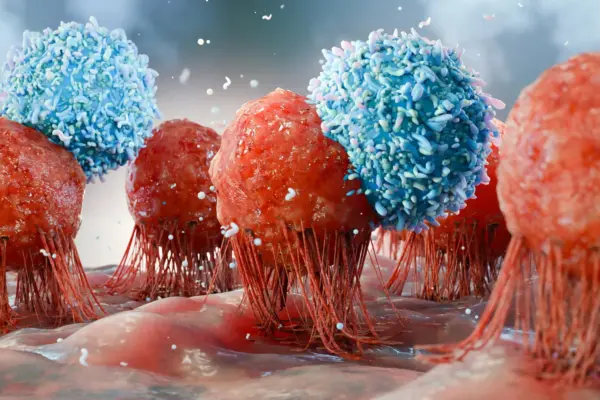
Rheumatoid arthritis is fundamentally a systemic inflammatory disorder. Unlike osteoarthritis, which is primarily driven by the mechanical wear and tear of cartilage over decades, RA is an autoimmune disease where the body’s immune system erroneously attacks the synovium—the delicate lining of the membranes that surround the joints.
The clinical consequences are severe:
- Chronic Synovial Inflammation: Immune cells infiltrate the joint lining, leading to persistent swelling, warmth, and excruciating pain.
- Pannus Formation: Over time, the inflamed tissue thickens, forming an abnormal layer of granulation tissue known as a pannus that erodes adjacent cartilage and bone.
- Systemic Manifestations: Because RA is systemic, circulating inflammatory cytokines can damage other organ systems, increasing the risk of cardiovascular disease, pulmonary complications, and constitutional symptoms such as chronic fatigue and low-grade fevers.
While genetics account for a significant portion of RA susceptibility, environmental exposures act as the sparks that ignite or fan the flames of the disease. Smoking has long been established as the preeminent environmental risk factor, capable of triggering citrullination—a chemical modification of proteins that prompts the immune system to generate destructive autoantibodies. This new research firmly places inhaled air pollution alongside smoking as a major airborne threat to autoimmune stability.
The Anatomy of $textPM_2.5$
To comprehend how ambient air manages to inflame distant joints, one must examine the microscopic scale of $textPM_2.5$.
- Size Matters: A human hair is roughly 70 micrometers in diameter, making it approximately 30 times wider than the largest $textPM_2.5$ particle. These particles are so minuscule that tens of thousands of them could fit on the period at the end of this sentence.
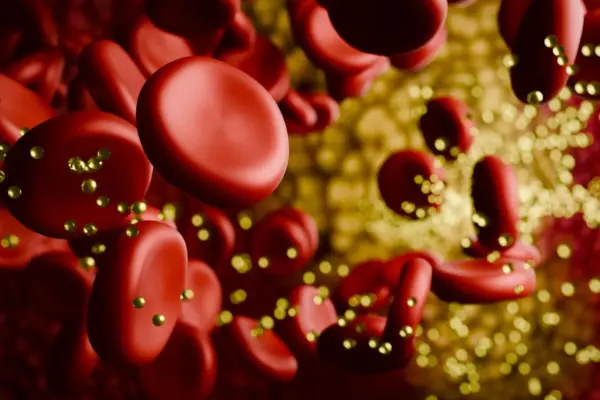
- Cellular Penetration: Because they are smaller than red blood cells, $textPM_2.5$ particles bypass the defensive hairs and mucus in the human nasal passage and upper respiratory tract. They penetrate deep into the pulmonary alveoli—the microscopic air sacs in the lungs—where they cross the alveolar-capillary membrane and enter the bloodstream directly.
Once inside the circulatory system, these foreign particles travel freely throughout the body, acting as cellular irritants. Researchers postulate that $textPM_2.5$ stimulates the excessive production of reactive oxygen species (ROS)—highly unstable molecules that induce profound oxidative stress. This oxidative surge damages cellular DNA, destabilizes immune cell function, and triggers systemic inflammatory cascades that home in on vulnerable tissues, including already-inflamed synovial joints.
[Inhaled PM2.5] ──> [Penetrates Alveoli] ──> [Enters Bloodstream] ──> [Induces Oxidative Stress / ROS] ──> [Triggers Systemic Inflammation] ──> [Aggravates RA Joint Flares]Global Prevalence and Public Health Impact
The geographic and demographic scope of rheumatoid arthritis underscores why these environmental findings carry massive public health weight:
- Global Burden: RA affects roughly 0.5% to 1% of adults worldwide, translating to tens of millions of sufferers globally.
- Economic and Social Toll: The condition frequently leads to progressive physical disability, loss of employment, and a significant reduction in quality of life, placing a heavy financial burden on healthcare systems.
- Rising Pollution Levels: With industrialization, urbanization, and climate change driving up ambient particulate matter in many regions of the world, millions of vulnerable individuals find themselves breathing increasingly toxic air on a daily basis.
Official Statements
The release of the study in the Annals of the Rheumatic Diseases has elicited strong commentary from leading voices in rheumatology and clinical research, emphasizing both the immediate clinical takeaways and the broader public health mandates sparked by the findings.
Perspectives from Harvard Medical School
In an accompanying editorial published in the journal, Dr. Jeffrey A. Sparks, an expert in the Division of Rheumatology, Inflammation, and Immunity at Mass General Brigham, Brigham and Women’s Hospital, and Harvard Medical School, highlighted the historic nature of the research.
"This is one of the largest studies to use robust methods to link air pollutants with RA disease activity," Dr. Sparks noted. "Considering rising levels of air pollutants, these results have significant clinical, biologic, and public health implications. They also further reinforce that inhalants may have broad implications for risk and progression of RA and perhaps other autoimmune diseases."
Dr. Sparks also underscored how the findings translate to the examination room, offering tangible relief to patients and physicians who have long struggled to identify the root causes of sudden physical setbacks.
"From a clinical perspective, this may offer avenues to lower the risk of RA flares by avoiding air with poor quality and provide some potential explanation for otherwise idiosyncratic RA flares," he added.
Insights from the Lead Investigator
Dr. Eun Bong Lee, the lead investigator of the study from the Seoul National University College of Medicine and the Graduate School of Convergence Science and Technology, emphasized the direct link between sustained exposure and physical deterioration.
"Our study found that higher $textPM2.5$ concentration was associated with increased disease activity and flare risk, notably prolonged exposure to elevated $textPM2.5$ over more than two weeks," explained Dr. Lee.
Addressing the practical application of his team’s work, Dr. Lee called for proactive measures while acknowledging the policy changes required at a societal level.
"Our study has important implications for public health policy making," Dr. Lee concluded. "While further studies are warranted to determine whether improving air quality can reduce disease activity in RA patients, we would recommend these patients avoid prolonged exposure to poor air quality, particularly high $textPM_2.5$ levels."
Editorial Validation from the Medical University of Vienna
Dr. Josef Smolen, Editor-in-Chief of the Annals of the Rheumatic Diseases and a researcher at the Medical University of Vienna, vouched for the rigorous editorial and peer-review process that vetted the South Korean study, while also contextualizing its geographical scope.
"As always, this paper underwent thorough peer review, and it was nice to learn that all reviewers agreed on the importance and interest of these findings," stated Dr. Smolen. "Nevertheless, we should be aware that the observations pertain to the studied Korean population, with a specific genetic background and under specific environmental circumstances. Whether these data hold true in other regions of the world should be a focus of future investigations."
Despite the need for cross-cultural replication, Dr. Smolen framed the publication as a vital milestone and a stark warning for the medical community.
"However, it is an excellent starting point for our better understanding of factors that may play a role in influencing disease activity and therapeutic responses of patients with RA," Dr. Smolen emphasized. "And: it is an important wake-up call: the environment is likely an essential contributor to pain and inflammation in the patients for whom we care."
Future Outlook
As the medical community digests the profound implications of the South Korean cohort study, researchers and clinicians are already turning their attention to the horizon, mapping out the necessary next steps in both clinical science and environmental policy.
Future Research Directions
While the current study establishes a definitive statistical link and a plausible biological mechanism connecting $textPM_2.5$ to rheumatoid arthritis flare-ups, several critical questions remain unanswered:
- Intervention Trials: Future research must determine whether actively reducing a patient’s exposure to air pollution—through the use of high-efficiency particulate air (HEPA) indoor filtration systems, N95 respirators during high-pollution days, or relocation—directly translates to a measurable reduction in RA disease activity and flare frequency.
- Global Generalizability: Because the study was conducted within a specific South Korean demographic, international multicenter studies are urgently needed to confirm whether these findings hold true across diverse genetic backgrounds, varying baseline pollution profiles, and different climatic zones.
- Cross-Disease Applications: Given Dr. Sparks’ observation that inhalants likely impact other autoimmune conditions, researchers must investigate whether ambient particulate matter similarly exacerbates systemic lupus erythematosus (SLE), psoriatic arthritis, and inflammatory bowel diseases.
- Epigenetic Mapping: Deeper molecular studies are required to explore how chronic $textPM_2.5$ exposure alters epigenetic markers, potentially locking immune cells into a state of hyper-reactivity.
Clinical Recommendations for Patients and Practitioners
Until longitudinal intervention trials provide definitive data, rheumatologists and clinical practitioners are encouraged to integrate air quality monitoring into standard patient education and care plans:
- Real-Time Tracking: RA patients should be encouraged to monitor local Air Quality Index (AQI) reports daily, paying specific attention to $textPM_2.5$ concentrations.
- Behavioral Modifications: During periods of elevated air pollution—such as wildfire seasons, heavy urban smog events, or industrial inversions—patients should limit outdoor exertion, keep windows closed, and utilize indoor air purifiers.
- Protective Gear: When venturing outdoors during poor air quality days is unavoidable, the strategic use of well-fitting particulate respirators (such as N95 or KN95 masks) may offer a layer of physical defense against inhaling fine soot and dust.
Policy Implications: The Environment as Healthcare
Ultimately, the intersection of air pollution and autoimmune disease elevates environmental protection from a generalized ecological concern to a precise healthcare imperative. Clean air legislation, stringent industrial emission caps, and aggressive reductions in fossil fuel combustion are not merely measures to combat climate change or preserve lung function; they are essential pharmacological adjutants that can directly alleviate the physical suffering of millions of individuals living with chronic inflammatory conditions like rheumatoid arthritis. As public health policy and clinical medicine continue to converge, safeguarding the air we breathe emerges as a vital prescription for joint health and systemic well-being.