






Executive Overview
In the relentless landscape of oncological research, a fundamental paradox has long puzzled scientists: how do cancer cells maintain the extreme plasticity required to evolve, evade the immune system, and resist therapy, while simultaneously accumulating massive arrays of genetic alterations? For decades, genetic instability has been viewed primarily as an indiscriminate byproduct of runaway cellular replication—a chaotic side effect of a broken cell cycle. However, groundbreaking research published in Science Advances turns this long-standing paradigm on its head.
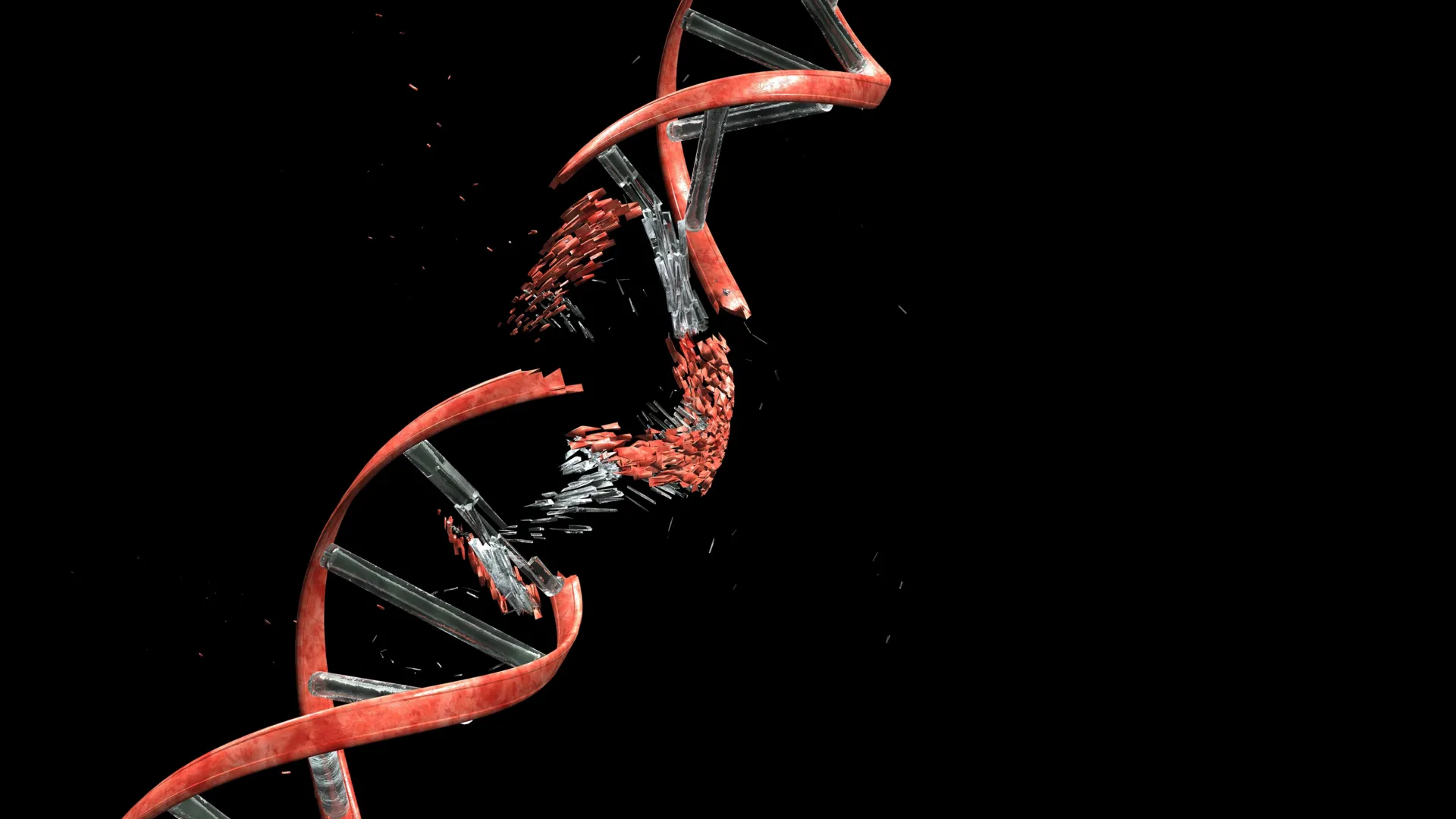
A team of researchers from the Hebrew University of Jerusalem has uncovered a striking biological mechanism: cancer may actively damage its own genetic material by forcing critical survival and proliferation genes to operate at unsustainable, hyperactive levels. Spearheaded by PhD student Osama Hidmi under the guidance of Professor Rami Aqeilan, the study reveals that powerful DNA control regions known as super-enhancers drive unusually intense transcriptional activity. While this relentless machinery fuels rapid tumor expansion, it places an immense physical and mechanical strain on the double helix, routinely causing severe double-strand DNA breaks.
Crucially, while cancer cells possess the molecular machinery to repeatedly patch up these catastrophic fractures, this continuous cycle of damage and repair acts as an evolutionary incubator. Every repair event introduces the risk of micro-errors, paving the way for a concentrated accumulation of mutations in vital genomic regions. This dynamic suggests that genetic instability is not merely a passive byproduct of malignancy, but an active, self-inflicted consequence of the tumor’s unyielding drive to multiply.
Yet, within this vulnerability lies a profound therapeutic opportunity. Because cancer cells are fundamentally addicted to the high-output activity of super-enhancers to fuel their expansion, they are concurrently tethered to an Achilles’ heel. By mapping these break hotspots, oncologists may soon be able to exploit this self-imposed stress, transforming the tumor’s greatest strength into its ultimate weakness.
Detailed Chronology of the Discovery
The journey toward understanding how super-enhancers fracture the cancer genome required a meticulous, step-by-step investigative approach, combining advanced molecular biology with high-resolution genomic mapping.
Phase 1: Identifying the Anomaly in Gene Expression
The investigation began with a foundational observation: to multiply rapidly and maintain survival programs distinct from healthy tissue, cancer cells must activate specific transcriptional programs far beyond normal physiological thresholds. While studying the differential expression profiles of tumor cells versus healthy counterparts, the research team noted that genes associated with cell division and anti-apoptotic (survival) pathways were functioning at maximum operational capacity.
However, the team suspected that pushing biological machinery to such extreme limits would carry physical consequences for the cell. Just as an engine running constantly at maximum redline experiences accelerated wear and tear, the researchers hypothesized that hyper-transcribed DNA regions might suffer structural consequences.
Phase 2: Centering on Super-Enhancers
To locate where this hypothetical stress manifested, the researchers focused their investigation on super-enhancers. These are vast, densely clustered genomic regions bound by an abundance of transcription factors and coactivators. Normally serving as master control panels for cell identity and development, super-enhancers are frequently hijacked by cancer cells to hyper-activate oncogenes.
Using advanced genomic assays, the team mapped the spatial distribution of DNA damage across the cancer genome. They discovered that the resulting damage was far from random. Instead, it showed a striking, highly concentrated spatial correlation with the genomic territories governed by super-enhancers. The regions driving the most aggressive tumor growth were precisely the areas suffering the highest concentrations of structural failures.
Phase 3: Mapping Double-Strand Breaks
To confirm the severity of the damage, the team utilized a sensitive genome-mapping methodology capable of resolving double-strand breaks (DSBs). DSBs represent the most hazardous form of DNA lesion, wherein both complementary strands of the double helix are severed. Left unaddressed, DSBs trigger cell death; however, if misrepaired, they lead to translocations, deletions, and complex chromosomal rearrangements.
The mapping data revealed that DSBs were clustering densely inside genes controlled by super-enhancers. This spatial clustering provided the smoking gun: the physical process of heavy transcription—where transcriptional machinery relentlessly barrels down the DNA strand—places enough mechanical and topological stress on the double helix to cause it to snap.
Phase 4: Tracking the Cellular Alarm and Repair Cycles
To observe the temporal dynamics of this phenomenon, the researchers tracked natural cellular "alarm" signals—such as the phosphorylation of histone variants like $gammatext-H2AX$—which rapidly accumulate at sites of DNA damage to recruit repair proteins.
The tracking revealed a continuous, cyclical dynamic within the tumor cells:
- Hyper-transcription: Super-enhancers drive massive transcriptional output, straining the DNA.
- Fracture: The physical strain causes double-strand breaks at specific hotspots.
- Emergency Repair: Cellular surveillance systems detect the damage, halting local processes to patch the broken strands.
- Resumption and Mutation: Once repaired, the tumor cells resume high-speed transcription, restarting the cycle.
While this repair capacity ensures short-term survival for the cancer cell, each iteration of breakage and restoration acts as a molecular roulette wheel, introducing incremental errors that diversify the tumor’s genetic library over time.
Supporting Context & Metrics: The Mechanics of Genomic Instability
To fully grasp the implications of the Hebrew University findings, one must examine the biophysical realities of transcription-replication conflicts and the unique architecture of cancer genomes.
The Physics of Transcriptional Strain
DNA is a tightly coiled macromolecule packaged into chromatin. During active transcription, the double helix must unwind to allow RNA polymerase to read the genetic code. When super-enhancers orchestrate the simultaneous recruitment of dozens of transcription factors and high densities of RNA polymerases, the DNA experiences severe torsional stress (supercoiling).
Furthermore, the collision between transcriptional machinery and the cellular replication apparatus creates "R-loops"—three-stranded RNA-DNA structures that leave the non-template DNA strand single-stranded and highly vulnerable to nucleolytic attack and breakage. In healthy cells, regulatory checkpoints prevent this kind of runaway stress. In cancer cells, however, checkpoint pathways are frequently mutated or overridden, forcing the cell to tolerate levels of genomic stress that would otherwise trigger apoptosis (programmed cell death).
Genomic Instability as an Evolutionary Engine
Genomic instability is officially recognized as a core hallmark of cancer. Traditionally, this instability has been attributed to defects in DNA repair genes (such as BRCA1/2 mutations in breast and ovarian cancers) or exogenous mutagens like UV radiation and chemical carcinogens.
The findings from Aqeilan’s lab introduce an intrinsic, endogenous driver of instability: transcription-induced genomic stress. By driving the expression of growth-promoting genes via super-enhancers, the tumor creates its own mutagenesis engine.
- Tumor Heterogeneity: Because different cells within a tumor experience varying degrees of repair-associated errors, sub-clones emerge with distinct mutational profiles.
- Adaptive Resistance: This localized diversification gives the tumor an evolutionary toolkit. When clinicians administer targeted therapies, pre-existing or newly generated mutations within these super-enhancer-driven pathways can confer drug resistance, allowing a subset of cancer cells to survive, repopulate, and drive recurrence.
Official Statements and Expert Insights
The study’s authors emphasize that this research reframes our understanding of how cancer balances its insatiable appetite for growth with the inherent fragility of its blueprint.
"Cancer cells rely on super-enhancers to keep growth genes running at high speed," explained Prof. Rami Aqeilan, senior author of the study from the Hebrew University of Jerusalem.
“What we found is that this same high-output activity can put real strain on the DNA, creating break hotspots that the cell has to repair again and again. That cycle may help tumors survive in the short term, but it also increases the risk of mutations that can fuel cancer’s evolution.”
Prof. Aqeilan’s comments highlight the delicate tightrope walk performed by malignant cells. They must push their transcriptional engines to the absolute limit to outpace normal tissue constraints, yet doing so constantly threatens to tear apart the very instructions they depend on for existence.
Expanding on the therapeutic implications of this biological vulnerability, lead author and PhD student Osama Hidmi noted:
"What is especially exciting is that because cancer cells depend on these high-stress DNA regions to keep growing, they may also be more vulnerable there. This opens the door to treatments that target the very processes tumors rely on to survive."
Hidmi’s perspective points toward a paradigm shift in drug discovery. Rather than viewing DNA damage solely as something to prevent or repair (as in normal tissue protection), oncologists might soon look for ways to exacerbate this specific form of transcription-induced stress, pushing cancer cells past their breaking point.
Future Outlook: Turning Cancer’s Drive Against Itself
The identification of super-enhancer-associated break hotspots establishes a robust conceptual framework for the development of next-generation cancer therapies. As translational researchers work to transition these findings from the bench to the clinical trial pipeline, several promising avenues are emerging.
1. Inhibiting Super-Enhancer Machinery
Drugs designed to dismantle or suppress super-enhancer activity—such as bromodomain and extra-terminal motif (BET) inhibitors or transcriptional CDK inhibitors (e.g., CDK7 and CDK9 inhibitors)—have been explored in various preclinical and clinical contexts. While these drugs are generally intended to starve tumors of growth signals by turning down hyperactive transcription, the new research suggests an additional mechanism of action. By modulating super-enhancer output, these therapies might alter the biophysical strain on the DNA, either by relieving the stress or by crashing the delicate repair-survival balance altogether.
2. Exploiting Synthetic Lethality in DNA Repair
Cancer cells undergoing chronic, super-enhancer-induced DNA breakage are heavily reliant on specific DNA damage response (DDR) pathways to survive. Inhibiting these backup repair mechanisms—such as PARP enzymes, ATR, or ATM kinases—could prove devastating to tumor cells. While normal cells might tolerate DDR inhibition relatively well due to lower baseline transcriptional stress, cancer cells experiencing runaway super-enhancer activity would face catastrophic, unmitigated DNA fragmentation, leading rapidly to apoptotic cell death. A targeted combination of transcriptional modulation and DDR inhibition represents a textbook application of synthetic lethality.
3. Preventing Adaptive Evolution
One of the most persistent challenges in oncology is the emergence of drug resistance driven by tumor evolution. If therapeutic strategies can be devised to interfere with the break-and-repair cycles fueled by super-enhancers, it may be possible to suppress the generation of adaptive mutations. By locking the tumor out of its evolutionary toolkit, clinicians could potentially forestall the recurrence of treatment-refractory disease.
Conclusion
The research led by Osama Hidmi and Prof. Rami Aqeilan bridges a critical gap in our understanding of cancer biology. By proving that the unyielding drive for tumor growth actively inflicts targeted structural damage on the genome, the study recasts cancer’s greatest asset—its rapid, adaptable expansion—as its most profound systemic vulnerability. As future therapeutic strategies learn to weaponize this self-imposed genomic stress, medicine moves one step closer to turning cancer’s own internal engines against it.