





Executive Overview
Few figures in the history of modern science command the complex, dual-faceted legacy of Linus Pauling. A titan of 20th-century chemistry and quantum mechanics, Pauling remains one of the few individuals to win two unshared Nobel Prizes—the 1954 Nobel Prize in Chemistry for his pioneering work on the nature of chemical bonds, and the 1962 Nobel Peace Prize for his relentless activism against nuclear weapons testing. Yet, toward the twilight of his illustrious career, Pauling’s formidable intellect pivoted toward a crusade that would deeply alienate the medical establishment: the fervent, unyielding advocacy of high-dose vitamin C as a therapeutic intervention for terminal cancer.
For decades, mainstream oncology dismissed Pauling’s claims as pseudoscientific overreach, a classic manifestation of the “halo effect,” wherein intellectual brilliance in one discipline blinds an individual to the rigors of another. When Pauling ultimately succumbed to cancer at the age of 93, critics viewed his death as a tragic, ironic postscript to a misdirected final chapter.
However, half a century after Pauling first partnered with Scottish physician Ewan Cameron to test intravenous vitamin C on advanced cancer patients, the scientific narrative is undergoing a profound and nuanced revision. Modern oncology, armed with advanced molecular biology, high-throughput screening, and precise pharmacokinetic modeling, is taking a second look at ascorbate.
Contemporary research has revealed that Pauling was neither entirely wrong nor entirely right. While his promotion of simple vitamin C tablets as a generalized, curative panacea was clinically unfounded, his foundational intuition was remarkably prescient. Under specific physiological conditions—most notably when administered intravenously rather than orally—vitamin C ceases to act as a benign dietary supplement. Instead, it undergoes a radical pharmacological phase transition, functioning less like a vitamin and more like a selective, targeted cytotoxic agent.
This deep dive explores the historical friction between Pauling and institutional medicine, the pharmacokinetic oversight that derailed early clinical trials, the molecular mechanisms that render high-dose ascorbate toxic to cancer cells, and the cautious yet promising resurgence of intravenous vitamin C in contemporary experimental oncology.
Detailed Chronology: From Nobel Heights to the Cancer Frontier
The trajectory of Linus Pauling’s foray into oncology was neither accidental nor impulsive; it was the natural outgrowth of his lifelong fascination with molecular health, structural biology, and orthomolecular medicine—a term Pauling coined to describe the practice of maintaining human health through the provision of optimal amounts of substances natural to the body.
The 1970s: The Cameron Collaboration
In the early 1970s, Pauling formed a fateful intellectual partnership with Dr. Ewan Cameron, a surgeon at the Vale of Leven Hospital in Loch Lomond, Scotland. Cameron was treating patients with advanced, incurable malignancies who had exhausted all conventional chemotherapeutic and surgical options. Reasoning that vitamin C (ascorbic acid) was essential for the synthesis of collagen—the primary structural protein that walls off tumors and prevents metastasis—Cameron began administering high doses of the nutrient to his terminal patients.
The regimen was aggressive: patients initially received 10 grams of vitamin C per day intravenously via a continuous drip for approximately ten days, followed by continuous oral maintenance doses of 10 to 30 grams daily. In papers published in the late 1970s, Pauling and Cameron reported striking observational data. When compared against carefully matched historical control groups of terminal cancer patients from the same hospital who received no supplemental ascorbate, the vitamin-treated cohort demonstrated significantly extended survival times—in some cases, living four to six times longer—alongside subjective improvements in overall well-being and pain reduction.
The Mayo Clinic Rebuff
Encouraged by these findings, Pauling urged the broader medical community to replicate the research. The validation he sought, however, materialized as a brick wall. The prestigious Mayo Clinic in the United States, under the direction of Dr. Charles Moertel, initiated two large-scale, double-blind, randomized, placebo-controlled clinical trials designed to put the Pauling-Cameron hypothesis to rigorous scientific scrutiny.
The results of the Mayo Clinic trials, published in 1979 and 1985, were unequivocal: they demonstrated no therapeutic benefit whatsoever. Patients suffering from advanced colorectal and other gastrointestinal cancers who were administered high-dose vitamin C pills lived no longer than those receiving a placebo.
To the mainstream oncological community, the matter was definitively settled. The Mayo Clinic trials were hailed as the gold standard of evidence-based medicine, and Pauling’s claims were relegated to the dustbin of alternative medicine history. Pauling, frustrated and increasingly estranged from institutional science, accused the Mayo Clinic of sabotaging the trials by failing to replicate the exact administration protocols used by Cameron, particularly the crucial initial phase of intravenous delivery. His protests fell largely on deaf ears, cementing his reputation in his final decades as a brilliant mind lost to an eccentric obsession.
Supporting Context & Metrics: The Pharmacokinetic Blind Spot
To understand why the historical discourse surrounding vitamin C and cancer was deadlocked for decades, one must examine a fundamental physiological variable that escaped both Pauling’s detractors and, to a degree, his own experimental design: human pharmacokinetics.
The Oral Absorption Ceiling
The human gastrointestinal tract is remarkably efficient at regulating nutrient absorption, but it maintains strict upper limits for water-soluble vitamins like ascorbic acid. When a person ingests vitamin C via dietary sources or oral tablets, active sodium-dependent transporter proteins in the intestines (known as SVCT1 and SVCT2) facilitate its uptake into the bloodstream.
However, these transporters saturate rapidly. Once an oral dose reaches approximately 200 to 500 milligrams at a single time, the transporters become saturated, and intestinal absorption sharply plateaus. Consuming higher oral doses does not result in a linear increase in blood plasma concentrations; unabsorbed vitamin C remains in the gut, frequently causing osmotic diarrhea and gastrointestinal distress, while the kidneys rapidly filter and excrete any excess that does manage to cross into the blood.
Consequently, the maximum plasma concentration achievable via maximum oral dosing hovers around 70 to 80 micromoles per liter ($mu$mol/L).
The Intravenous Breakthrough
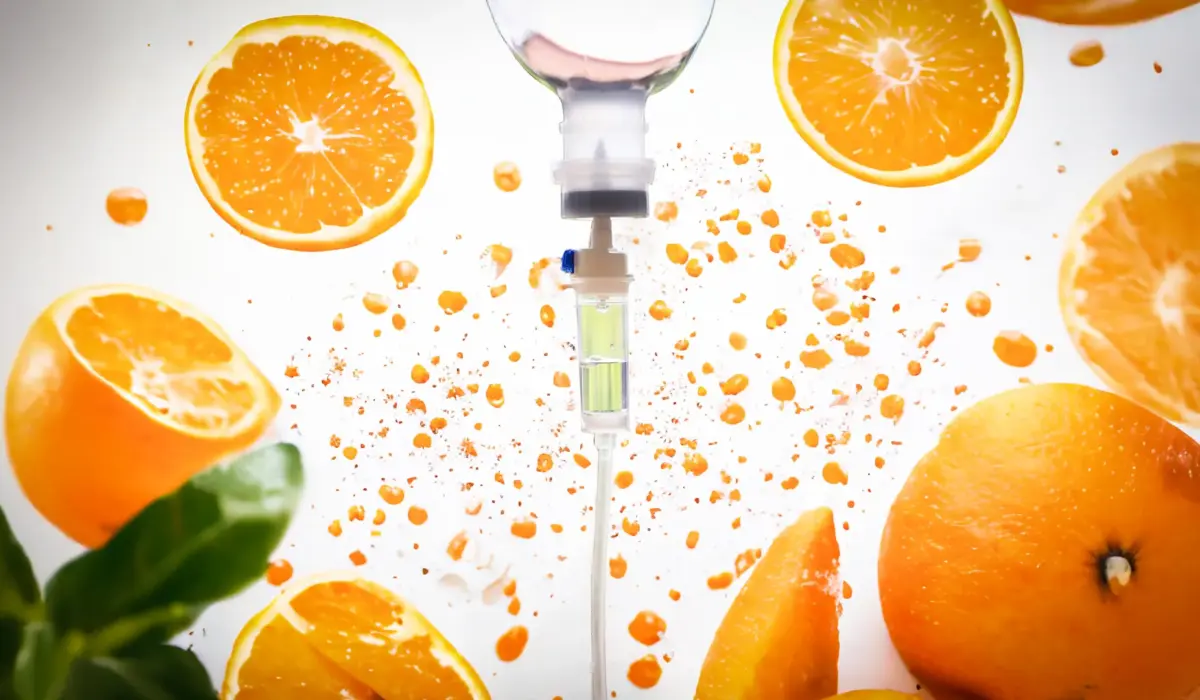
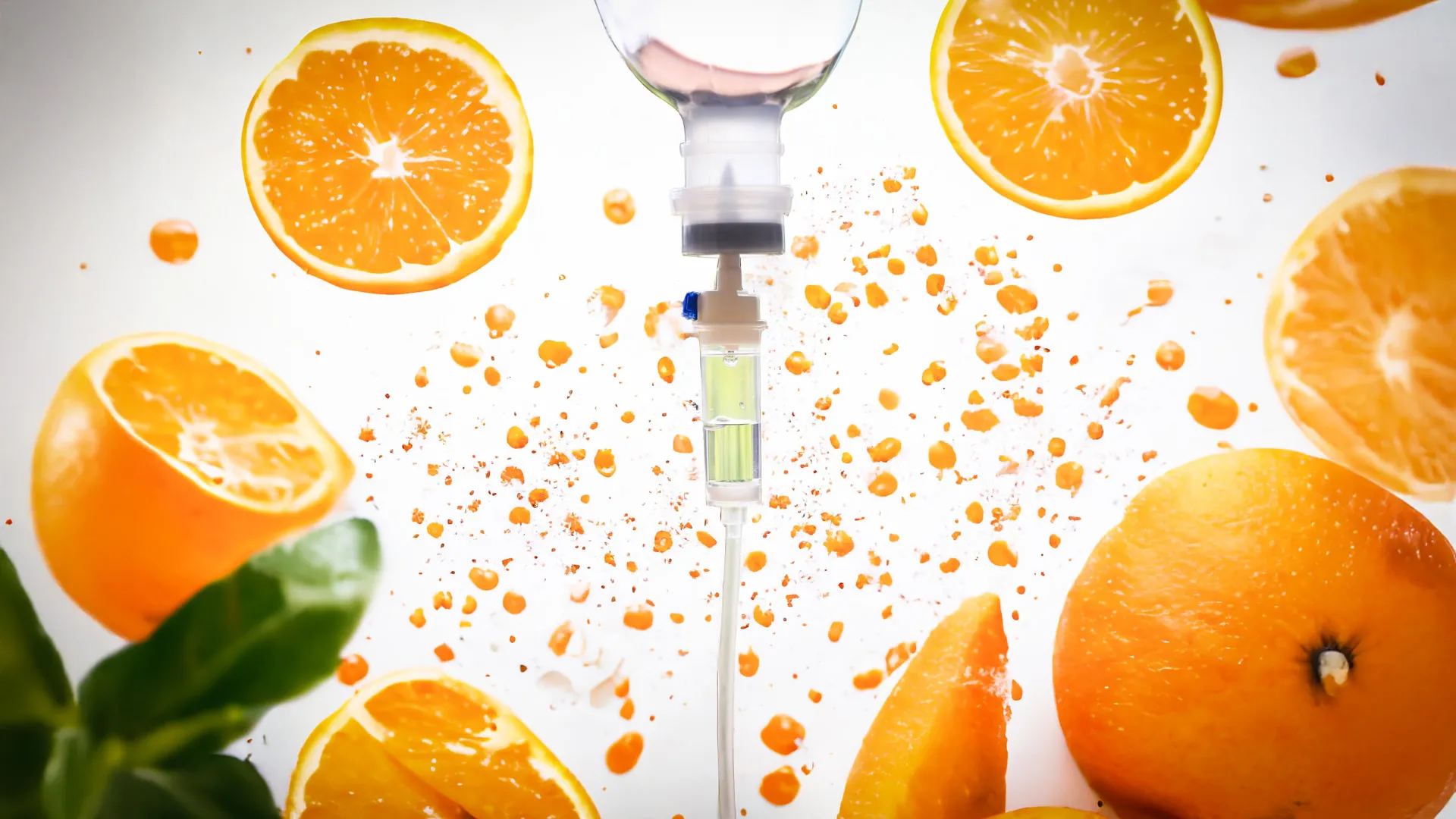
By contrast, bypassing the gastrointestinal tract entirely via intravenous (IV) infusion circumvents intestinal transport regulation. When high doses of sodium ascorbate—often ranging from 15 to 100 grams per infusion—are delivered directly into the venous circulation, plasma concentrations bypass physiological feedback loops entirely.
Pharmacokinetic studies have demonstrated that intravenous administration can elevate blood plasma concentrations of vitamin C to upwards of 10,000 to 20,000 $mu$mol/L—levels that are 100 to 300 times higher than the absolute ceiling achievable through oral ingestion.
It was precisely this pharmacokinetic disparity that invalidated the Mayo Clinic trials. While Pauling and Cameron initiated their treatments with intravenous drips before transitioning to oral maintenance, the Mayo Clinic trials administered vitamin C exclusively via oral tablets. Unbeknownst to the researchers at the time, they were testing two entirely different physiological exposures: a modest, homeostatic oral dose versus an extreme, pharmacological intravenous concentration.
Official Statements and Scientific Consensus
The evolution of institutional perspective on intravenous vitamin C has been cautious, iterative, and heavily conditioned by the need for rigorous clinical safety data.
Major cancer research institutions, including the National Cancer Institute (NCI) and Cancer Research UK, have formally updated their stances to reflect the nuances revealed by 21st-century bench science.
- The National Cancer Institute (NCI): In its authoritative PDQ (Physician Data Query) summary on complementary and alternative medicine, the NCI acknowledges that laboratory and animal studies have shown high-dose intravenous vitamin C can slow the growth and spread of certain types of cancer cells. The agency notes that IV administration achieves radically different pharmacological profiles compared to oral ingestion, but maintains that definitive evidence from large-scale, Phase III human randomized controlled trials is still required before IV ascorbate can be incorporated into standard oncological guidelines.
- Oncological Societies: Mainstream oncologists generally emphasize that while integrative oncology clinics frequently offer high-dose IV vitamin C to improve patient-reported quality of life, these therapies must be administered exclusively within supervised clinical settings. Because high-dose ascorbate can interfere with certain diagnostic imaging modalities, cause acute renal complications in patients with compromised kidney function, and trigger dangerous hemolytic crises in individuals with glucose-6-phosphate dehydrogenase (G6PD) deficiency, it is explicitly categorized as an experimental intervention rather than a benign wellness treatment.
The Molecular Mechanism: How High-Dose Ascorbate Targets Cancer
Modern molecular biology has shed brilliant light on why pharmacological concentrations of vitamin C behave so differently from physiological levels, revealing a mechanism that operates as a selective, albeit weak, form of targeted chemotherapy.
The Antioxidant Paradox
At normal physiological concentrations (achieved through diet), vitamin C functions as a potent water-soluble antioxidant. It readily donates electrons to neutralize reactive oxygen species (ROS) and free radicals, thereby protecting normal, healthy cells from oxidative stress and DNA damage.
However, when plasma and interstitial concentrations spike into the millimolar range via intravenous infusion, vitamin C undergoes a dramatic chemical transmutation in the extracellular fluid surrounding cells. Acting in the presence of transition metal ions (such as free iron or copper), high concentrations of ascorbic acid undergo auto-oxidation, reducing the metal ions and generating massive fluxes of hydrogen peroxide ($H_2O_2$) and associated free radicals.
Vulnerability of Malignant Cells
Hydrogen peroxide is a highly reactive oxidant that damages cellular macromolecules, including lipids, proteins, and DNA. While normal cells possess robust, sophisticated antioxidant defense systems—such as high levels of the enzymes catalase, glutathione peroxidase, and superoxide dismutase—to rapidly detoxify hydrogen peroxide, many cancer cells are uniquely deficient in these protective enzymes.
Furthermore, solid tumors frequently outgrow their vascular supply, creating microenvironments characterized by hypoxia (low oxygen) and chronic metabolic stress. To survive under these hostile conditions, cancer cells upregulate glycolysis and maintain high levels of endogenous oxidative stress. Consequently, their internal antioxidant "cleanup" systems are chronically stretched to their absolute limits.
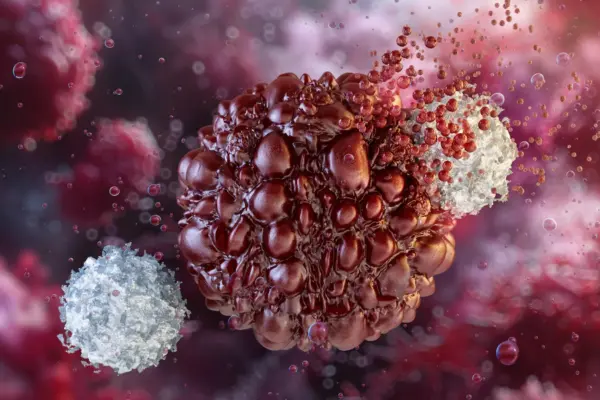
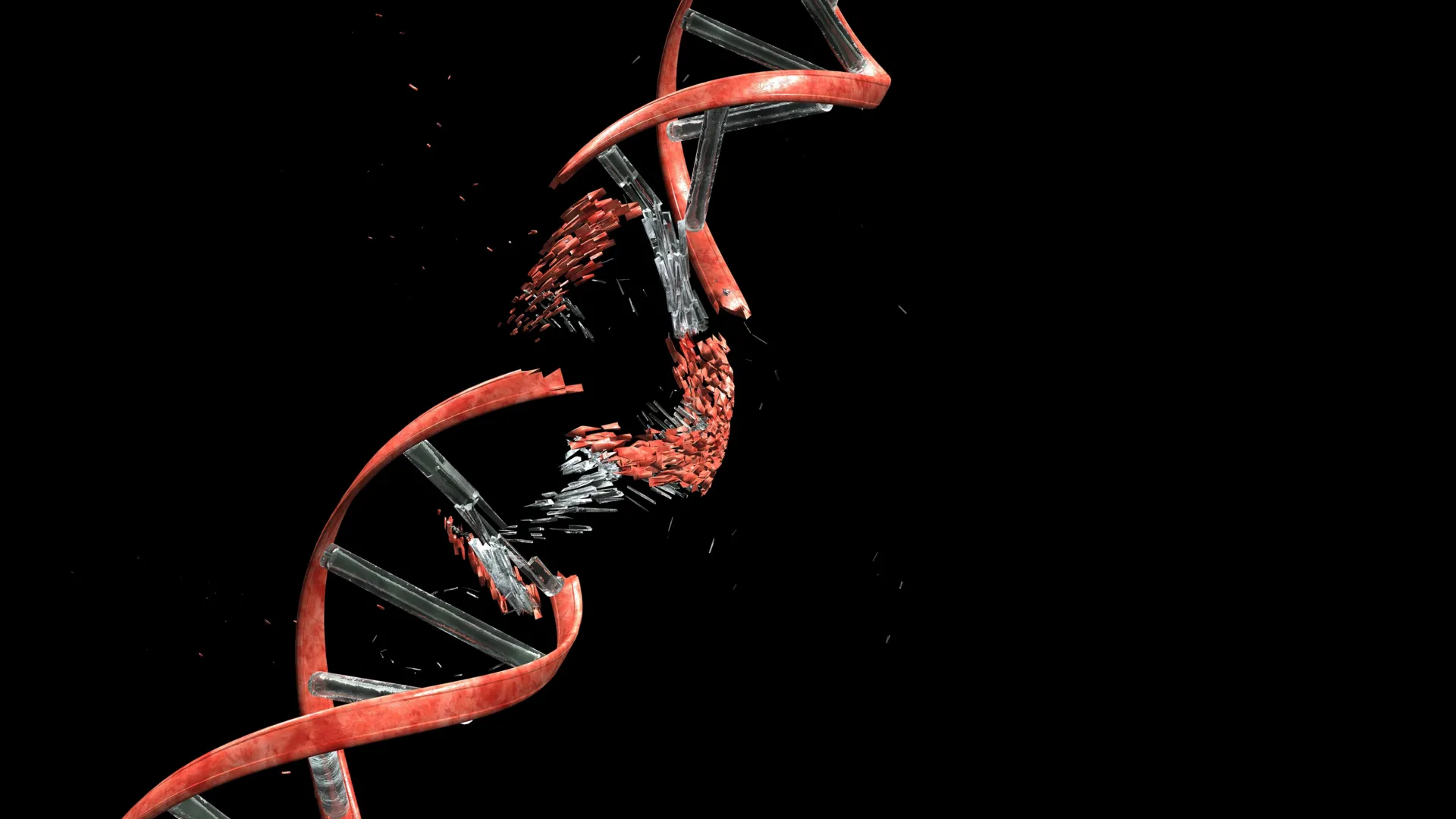
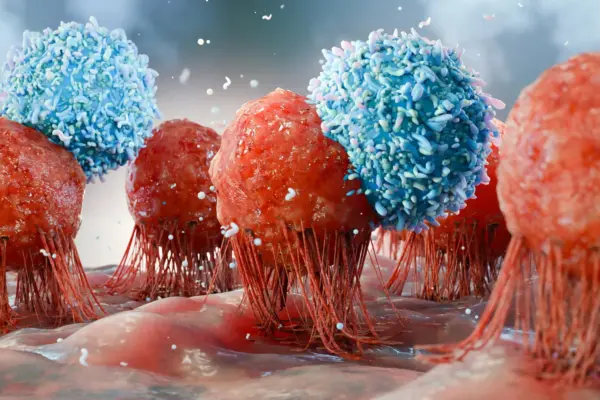
When a localized bolus of hydrogen peroxide—generated by the auto-oxidation of pharmacological vitamin C—floods the tumor microenvironment, stressed cancer cells are tipped over the energetic edge. Their internal repair mechanisms fail, their DNA suffers catastrophic double-strand breaks, their ATP production machinery collapses, and the cells undergo necrotic or apoptotic cell death. Because normal, healthy cells possess abundant catalase and robust antioxidant reserves, they largely withstand this oxidative shock unscathed.
Epigenetic Modulation and Immune Interaction
Beyond direct cytotoxicity via hydrogen peroxide generation, contemporary in vitro research suggests that vitamin C plays critical roles in epigenetic regulation. Ascorbate acts as an essential cofactor for specific families of enzymes, including TET (Ten-Eleven Translocation) dioxygenases and histone demethylases. These enzymes regulate how genomic DNA is chemically "marked" (via DNA methylation) and read.
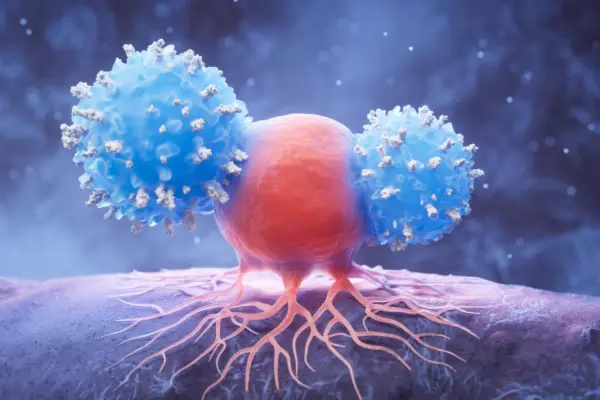
In various cancers, aberrant DNA methylation silences tumor suppressor genes. Restoring adequate intracellular ascorbate levels can reactivate these dormant tumor suppressor pathways, causing cancer cells to proliferate less aggressively and rendering them hypersensitive to standard radio- and chemotherapy. Emerging, albeit early, data also hints that high-dose vitamin C may modulate the tumor microenvironment in ways that enhance the ability of cytotoxic T-cells and natural killer (NK) cells to recognize and destroy malignancies.
Future Outlook: The Horizon of Integrative Oncology
Where does the saga of Linus Pauling and vitamin C stand today? The scientific consensus has settled into a pragmatic middle ground that vindicates neither Pauling’s utopian optimism nor the outright dismissiveness of his harshest critics.
The Current Clinical Landscape
Today, high-dose intravenous vitamin C (often referred to in clinical protocols as IVC) is actively investigated in numerous small-to-mid-sized clinical trials, particularly as an adjunct therapy for difficult-to-treat malignancies such as glioblastoma, metastatic pancreatic ductal adenocarcinoma, and epithelial ovarian cancer.
These trials have consistently demonstrated two vital clinical realities:
- Safety and Tolerability: When administered to carefully screened patients with normal renal and G6PD function, high-dose IVC is remarkably well-tolerated, exhibiting minimal overlap with the severe toxicities characteristic of traditional cytotoxic chemotherapy.
- Quality of Life Enhancements: Across multiple preliminary studies, patients receiving IVC alongside standard chemotherapy consistently report statistically significant improvements in quality-of-life metrics—including reduced fatigue, diminished nausea, improved appetite, and better pain management. For individuals navigating advanced, incurable cancer, these palliative benefits carry immense clinical value, even in the absence of a total cure.
The Road Ahead
The definitive proof required by the global medical community—large-scale, multi-center, Phase III randomized controlled trials demonstrating unambiguously that IVC extends overall survival across broad patient populations—remains unfinished work.
Funding for such trials remains challenging to secure, largely because naturally occurring compounds like ascorbic acid cannot be patented by pharmaceutical corporations, limiting the commercial incentive for massive financial investments in clinical validation.
Nevertheless, the legacy of Linus Pauling endures as a powerful testament to the nonlinear, often turbulent trajectory of scientific discovery. Pauling looked across the biological landscape and sensed a profound therapeutic truth long before the analytical tools of molecular biology existed to prove it. While he erred grievously in his delivery method, his dosage extrapolation for oral tablets, and his sweeping claims of a universal cure, his foundational vision has been partially resurrected.
Modern science has shown that while Pauling may not have unlocked the miraculous, singular cancer cure he envisioned, he caught an authentic glimpse of a pharmacological frontier—one that contemporary oncology is finally learning to map with precision, rigor, and an open mind.