









Executive Overview
For centuries, the prevailing scientific consensus regarding human aging has framed senescence as an inevitable, unyielding narrative of biological decline. As decades accumulate, our physiological systems—chief among them the immune system—gradually lose their resilience, faltering in the face of novel pathogens, accumulating cellular debris, and failing to suppress malignant transformations. This generalized deterioration, known clinically as immunosenescence, has long been considered the primary driver of age-related vulnerability, frailty, and eventual mortality.
However, a groundbreaking study published on August 19 in the prestigious Cell Press journal Cell Reports challenges this dogma at its foundation. Researchers investigating the biological profiles of supercentenarians—rare individuals who have navigated life for 110 years or more—have discovered that exceptional longevity is not characterized by the mere absence of immune failure, but rather by active, highly specialized adaptation.
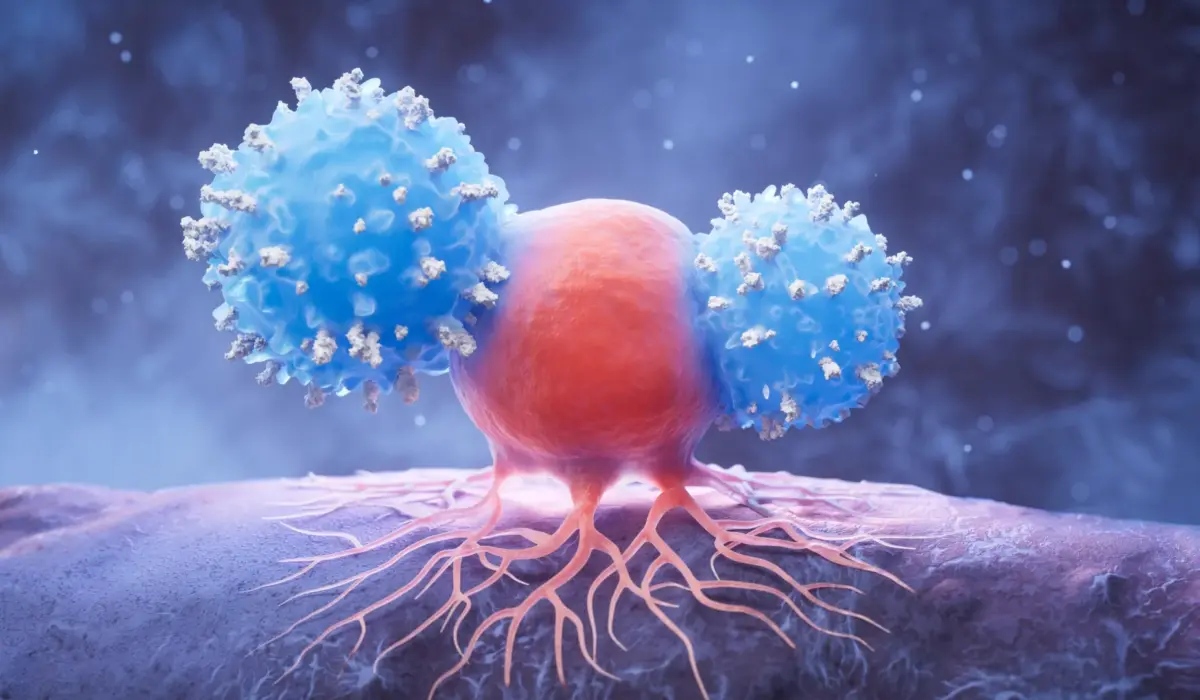
At the center of this discovery are CD4 cytotoxic T lymphocytes (CD4 CTLs). These specialized immune cells, which typically operate on the front lines by destroying tumor cells and rapidly multiplying to combat severe infections, are found in extraordinarily high concentrations in the blood of supercentenarians. Far from withering away, the immune systems of these exceptional individuals continue to aggressively adapt, reorganize, and mount targeted responses to age-related physiological challenges well past a century of life.
This exhaustive report explores the methodology, implications, and broader medical horizons opened by this landmark study. By examining the quantitative metrics, cellular mechanics, and expert commentary surrounding CD4 CTL expansion, we gain unprecedented insight into the biological mechanisms that allow a fraction of the human population to push past the absolute limits of the human lifespan.
Detailed Chronology & Scientific Discovery
To understand the magnitude of the recent findings published in Cell Reports, it is necessary to trace the trajectory of immunological research into extreme longevity. For years, immunologists recognized that conventional T cell populations—the foot soldiers of adaptive immunity—undergo exhaustion and depletion in older adults. Naive T cells, which respond to new infections, become scarce, leaving the elderly dependent on memory T cells that have grown sluggish over time.
Yet, whispers of an anomaly persisted within gerontological research. Investigators studying centenarians (individuals aged 100 to 109) and supercentenarians noted that these populations often escaped or delayed the onset of major age-related chronic illnesses, such as cardiovascular disease, neurodegeneration, and cancer. The question that baffled researchers was simple yet profound: How do their immune systems prevent these lethal breakdowns?
Led by a collaborative team of immunologists and geneticists—including first author Kosuke Hashimoto, an associate professor at the University of Osaka in Japan—the research initiative set out to decode the cellular signatures unique to the oldest old.
The Research Design and Cohort Breakdown
To map the trajectory of immune aging across the human lifespan, the research team assembled a meticulously curated cohort of 28 adult participants. To capture the subtle and dramatic shifts that occur in advanced age, the cohort was divided into three distinct generational tiers:
- The Young-Old to Old Group (Ages 70–99): Serving as a comparative baseline of standard advanced aging.
- The Centenarian Group (Ages 100–109): Representing exceptional longevity thresholds.
- The Supercentenarian Group (Ages 110 and Older): Representing the apex of human survival, a demographic of immense rarity.
The researchers extracted peripheral blood samples from each participant, subjecting them to advanced single-cell genomic sequencing, flow cytometry, and high-throughput T cell receptor (TCR) repertoire sequencing. This multi-layered analytical approach allowed the team to look beyond basic white blood cell counts and examine the exact functional capabilities, clonal lineages, and phenotypic behaviors of specialized immune subsets.
Uncovering the CD4 CTL Surge
When the data was processed, a striking pattern emerged. While standard CD4 helper T cells assist other immune cells rather than destroying targets directly, a specialized subset known as CD4 cytotoxic T lymphocytes (CD4 CTLs) displayed a dramatic, stepwise accumulation correlated directly with advanced age.
In the youngest cohort (ages 70–99), the median proportion of CD4 CTLs hovered at a modest 4% of the total T cell population. As the researchers analyzed samples from the centenarian group (ages 100–109), that proportion more than doubled, rising to a median of 9.6%. Finally, upon examining the blood of the supercentenarians (ages 110+), the median proportion surged to an astonishing 17.6%.
This mathematical progression revealed that the enrichment of CD4 CTLs is not a random anomaly, but a systematic biological hallmark of survival into the extreme brackets of human age.
Supporting Context & Metrics: The Mechanics of Clonal Expansion
To comprehend why CD4 CTLs become so abundant in supercentenarians, the research team went a step further, analyzing the T cell receptors (TCRs) on the surface of these cells to track their lineages. This phase of the study provided crucial clues regarding why these cells accumulate and what stimuli they might be fighting.
The Role of Clonal Expansion
When the human immune system encounters a persistent or recurring threat—such as a latent virus, a chronic infection, or abnormal cellular transformations—certain T cells undergo a process called clonal expansion. During clonal expansion, a single T cell that recognizes a specific antigen rapidly replicates, producing millions of identical copies (clones) designed to neutralize the target.
By sequencing the receptor genes of the participants’ CD4 CTLs, the researchers were able to quantify the degree of clonal dominance within each individual. The findings were staggering:
- Across the study participants, the largest individual CD4 CTL clone accounted for an average of 33.3% of all CD4 CTLs within that person’s sample.
- In one specific centenarian participant, the expansion reached an extreme level, with a single dominant clone making up 53.8% of the entire CD4 CTL population.
This overwhelming concentration of identical cells indicates that these older adults are not passively aging; rather, their immune systems are actively engaged in mounted, sustained responses to ongoing, persistent immune challenges.
The Cancer Connection
Perhaps the most intriguing and provocative finding of the study arose when the researchers compared the receptor sequences of the participants’ dominant CD4 CTL clones against a global public database of known antigen receptors.
Dozens of matches—nearly three dozen—linked directly to receptor sequences previously isolated from patients diagnosed with specific types of cancer, including lung, breast, and liver cancers.
Crucially, none of the centenarians or supercentenarians in the study had ever been diagnosed with those cancers.
This disconnect led the research team to formulate a compelling hypothesis: the massive expansion of these specific CD4 CTL clones may represent early, highly effective immune surveillance against abnormal, pre-cancerous, or senescent cells attempting to form tumors within the body. Because CD4 CTLs are known to possess cytotoxic (cell-killing) capabilities, their presence in such high numbers may act as a biological firewall, identifying and destroying rogue cells before they can mature into clinically detectable malignancies.
Official Statements & Expert Analysis
The implications of these findings have sent ripples through the fields of gerontology, immunology, and oncology. In interviews accompanying the publication in Cell Reports, the study’s authors elaborated on the paradigm-shifting nature of their data.
"Immune aging is not simply a process of decline," emphasized first author Kosuke Hashimoto, an associate professor at the University of Osaka in Japan. Dr. Hashimoto’s remarks dismantle the long-held assumption that the aging immune system is uniformly broken, pointing instead toward a sophisticated, albeit altered, state of operational remodeling.
"The selective expansion of certain T cells suggests that, even in extreme old age, the immune system may continue to adapt to age-related challenges," Hashimoto explained.
Addressing the rarity and atypical nature of the cells in question, Hashimoto noted: "CD4 CTLs are an atypical and relatively rare T cell population in standard physiological conditions. So, their marked increase in supercentenarians may provide important clues as to how the immune system is maintained in extreme old age."
Furthermore, the data revealed that this adaptive capacity is not strictly exclusive to those who cross the 110-year threshold. Interestingly, one participant under the age of 100 exhibited the highest overall proportion of CD4 CTLs recorded in the entire study. This suggests that while supercentenarians display these expanded populations reliably, the biological mechanisms driving them may be active in select individuals earlier in life, potentially serving as an early indicator of biological resilience.
Future Outlook: Translational Medicine and the Road Ahead
While the discovery of elevated CD4 CTL levels in supercentenarians marks a monumental leap forward in our understanding of human longevity, researchers are quick to urge caution against premature oversimplification.
Limitations and Unanswered Questions
The current study establishes a clear correlation between the abundance of CD4 CTL clones and exceptional old age, but it does not definitively prove causation. Several critical questions remain unanswered:
- Tissue Localization: The study examined T cells circulating freely in peripheral blood samples. However, immune cells perform their most critical work within solid tissues, lymph nodes, and microenvironments. Researchers do not yet know whether CD4 CTLs are actively patrolling key organs or how they behave within specific tissue sites.
- Exact Targets: While database matches point toward cancer-related receptor sequences, the precise targets recognized by supercentenarian CD4 CTLs have not been definitively isolated in vivo.
- Therapeutic Causality: It remains unproven whether artificially boosting CD4 CTLs in younger populations would extend life or protect against age-related diseases.
The Path Forward: From Observation to Intervention
Addressing these gaps represents the immediate future of research in Hashimoto’s lab and partner institutions worldwide. The next phase of investigation will focus heavily on mapping the functional behavior of CD4 CTLs inside human tissues, determining their exact molecular targets, and uncovering the signaling pathways that allow these cells to remain active for over a century.
As we age, aberrant biological elements—including senescent ("zombie") cells that secrete inflammatory factors and early-stage cancerous mutations—accumulate naturally throughout the body. The findings from Osaka University suggest that successful, exceptional aging may depend entirely on the immune system’s ability to recognize and adapt to these internal disruptions.
If future studies can decode the exact chemical signals that trigger and sustain CD4 CTL clonal expansion, the clinical implications could be revolutionary. Medical science may one day move beyond simple palliative care for age-related decline, developing targeted immunotherapies or vaccines designed to train the human immune system to mimic the resilient, adaptable architecture found in supercentenarians. In doing so, humanity may take its next great step toward not only extending the human lifespan, but preserving health, vigor, and vitality across every decade of life.