








Executive Overview
Pancreatic ductal adenocarcinoma (PDAC) remains one of the most formidable adversaries in modern oncology. Characterized by aggressive progression, late-stage diagnoses, and notoriously high mortality rates, PDAC challenges clinicians and researchers alike. Even when patients are deemed candidates for surgical resection—historically the best chance at long-term survival—the prognosis often remains guarded, overshadowed by high recurrence rates and complex postoperative complications.
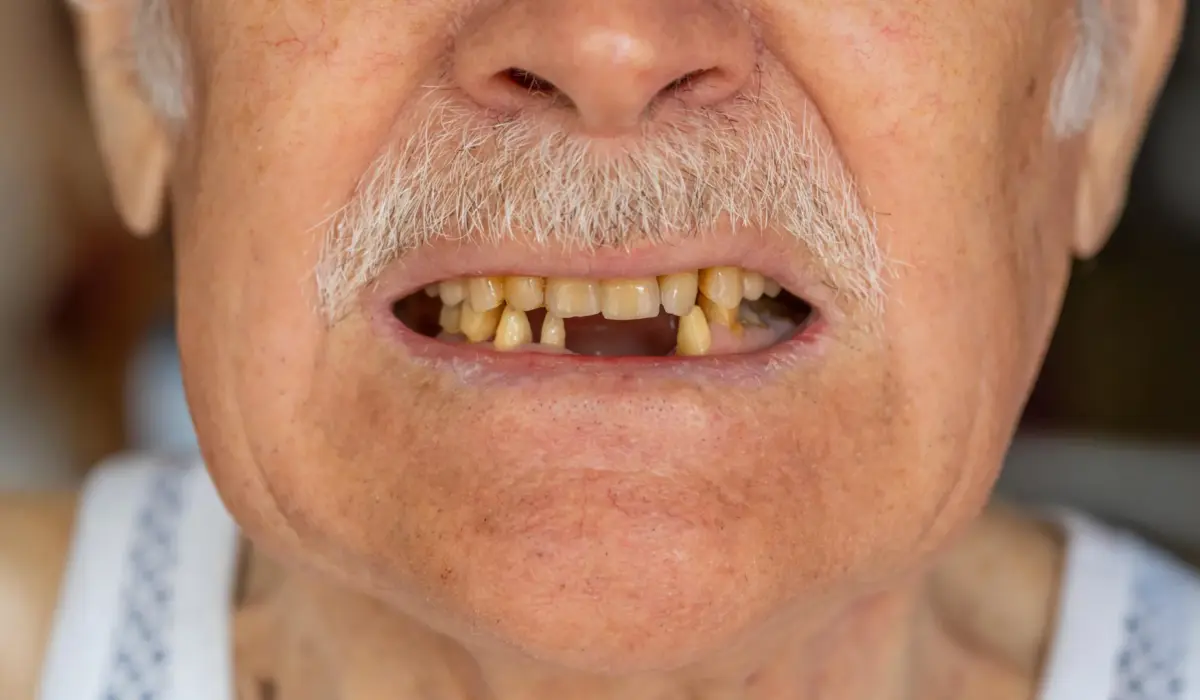
Now, a groundbreaking study conducted by researchers at Hiroshima University suggests that a surprisingly simple, non-invasive metric evaluated before a patient ever enters the operating room could offer profound prognostic insights: the number of natural teeth a person retains.
Published in the Journal of Hepato-Biliary-Pancreatic Sciences, the retrospective cohort study investigated 339 consecutive patients who underwent radical pancreatectomy at Hiroshima University Hospital between 2014 and 2022. The research team discovered a striking correlation between dental health and long-term survival. Patients who maintained 21 or more natural teeth experienced a median overall survival of 60.7 months. In stark contrast, those with 20 or fewer natural teeth had a median overall survival of just 39.1 months—a difference of nearly two years.
Crucially, this survival advantage remained statistically significant even after the researchers adjusted for well-established oncological prognostic factors, including tumor staging, lymph node metastasis, surgical margins, adjuvant chemotherapy regimens, and baseline nutritional status.
Far from merely indicating chewing efficiency, the Hiroshima University team posits that tooth count acts as a biological ledger. It serves as a cumulative barometer of systemic inflammation, lifelong nutritional health, socioeconomic factors, and overall physiological resilience. As the scientific community looks for novel ways to personalize cancer care and improve postoperative trajectories, this study opens an intriguing new avenue, suggesting that the health of the oral cavity may be deeply intertwined with the body’s ability to withstand and outlast one of humanity’s deadliest malignancies.
Detailed Chronology: Unraveling the Oral-Pancreatic Axis
The intersection of oral pathology and systemic disease is not an entirely new concept, but its application to pancreatic cancer prognosis represents a cutting-edge shift in clinical investigation. For years, epidemiological data has hinted at complex relationships between periodontal disease, tooth loss, and the development or progression of various malignancies, including colorectal and esophageal cancers.
The Pathological Precedents
Before launching the Hiroshima University study, medical literature had increasingly implicated oral pathogens in systemic carcinogenesis. Notably, bacteria associated with chronic periodontal disease—most prominently Porphyromonas gingivalis—have been detected in pancreatic tumor microenvironments. Researchers have theorized that these inflammatory microbes and their associated toxins do not merely stay localized in the gums. Instead, they can enter the bloodstream, instigate systemic low-grade inflammation, alter immune responses, and potentially create a biochemical environment favorable to tumor growth, angiogenesis, and metastasis.
However, while previous studies explored whether poor oral health could initiate pancreatic cancer or cause short-term surgical complications, a critical knowledge gap remained: Could oral health independently predict long-term survival outcomes after a patient had successfully undergone curative-intent surgery for pancreatic ductal adenocarcinoma?
To answer this question, a dedicated team of researchers and clinicians at Hiroshima University—led by Principal Investigator and corresponding author Associate Professor Kenichiro Uemura, alongside first author Kaoru Seo—embarked on a rigorous clinical study.
Study Design and Patient Cohort
The research team evaluated a consecutive series of 339 patients diagnosed with pancreatic ductal adenocarcinoma who underwent radical pancreatectomy at the Department of Surgery, Hiroshima University Hospital, between the years 2014 and 2022. Radical pancreatectomy is a major, highly invasive surgical intervention involving the removal of all or part of the pancreas, and occasionally adjacent vascular or digestive structures.
Prior to undergoing their operations, every single patient in the cohort underwent a comprehensive preoperative dental examination. This standardized evaluation allowed researchers to objectively measure two primary parameters of oral health:
- The total number of natural teeth remaining.
- The status of occlusion—the physical contact and alignment between the upper and lower premolars and molars, which dictates chewing efficiency.
By tracking these patients longitudinally through postoperative follow-up protocols, the research team was able to correlate preoperative dental metrics with long-term survival endpoints, controlling for confounding variables along the way.
Supporting Context & Metrics: Decoding the Data
The statistical findings of the Hiroshima University study are both compelling and unexpected, challenging traditional reductionist views of how oral health impacts overall physical wellness.
The Two-Year Survival Divide
When the data was stratified based on natural tooth count, a profound divergence in survival trajectories emerged:
- Group A (21 or more natural teeth): Patients who retained at least 21 teeth achieved a median overall survival of 60.7 months (approximately 5 years).
- Group B (20 or fewer natural teeth): Patients with 20 or fewer teeth experienced a median overall survival of 39.1 months (approximately 3.25 years).
This constitutes an absolute median survival difference of 21.6 months—nearly two full years of additional life—associated simply with having a higher number of natural teeth. In the realm of pancreatic cancer, where median survival improvements are often measured in weeks or months, a two-year difference is clinically staggering.
Multivariate Analysis and Confounding Variables
In retrospective oncological studies, skeptics frequently argue that correlations like tooth loss are merely secondary proxies for age, socioeconomic status, or advanced disease stage. Older patients, for example, naturally tend to have fewer teeth and also tend to have poorer baseline health or more advanced tumors.
To address this, the Hiroshima University team performed rigorous multivariate statistical adjustments. They controlled for standard, well-established prognostic factors known to dictate pancreatic cancer outcomes, including:
- Pathological tumor-node-metastasis (TNM) staging
- Presence and extent of lymph node metastasis
- Surgical margin status (R0 vs. R1/R2 resections)
- Administration and tolerance of adjuvant chemotherapy
- Objective baseline nutritional status
Remarkably, even after stripping away the predictive power of these heavy-hitting oncological variables, the correlation between tooth count and long-term survival remained statistically significant. Natural tooth retention emerged as an independent prognostic indicator.
Masticatory Function vs. Systemic Marker
One of the most provocative and counter-intuitive discoveries in the study involved the second oral health metric: posterior teeth occlusion.
Because missing molars and premolars directly impair a person’s ability to chew food thoroughly, researchers initially hypothesized that poor occlusion would drive malnutrition, subsequently weakening the patient and degrading cancer survival outcomes. However, the data revealed a different reality: chewing function itself was not independently associated with overall survival.
This negative finding is deeply revealing. If the inability to chew effectively does not drive the survival deficit, then tooth loss cannot be explained away merely as a mechanical eating handicap. Instead, the number of natural teeth a person retains must be acting as something far more profound: a biological proxy for systemic vulnerability.
Tooth loss in adulthood is rarely an acute event; rather, it is the cumulative endpoint of decades of chronic pathologies, most notably periodontal disease and dental caries, compounded by lifestyle habits, systemic inflammatory burdens, socioeconomic disparities, and chronic physiological stress. Therefore, a depleted set of natural teeth functions as an embodied medical history—a lifelong scorecard of how the body has managed chronic inflammation, immune competence, and tissue resilience over a lifetime.
Official Statements & Expert Insights
The implications of this research extend far beyond dental clinics, offering fresh perspectives to surgical oncologists, gastroenterologists, and primary care physicians.
Reflecting on the motivations behind the study, Associate Professor Kenichiro Uemura emphasized the persistent lethality of the disease and the search for novel prognostic markers:
"Pancreatic cancer remains one of the deadliest malignancies worldwide, and even after curative resection, prognosis is often poor. Recently, several high-impact studies have suggested that periodontal pathogens such as Porphyromonas gingivalis may contribute to pancreatic carcinogenesis and tumor progression. However, it has remained unclear whether oral health itself influences postoperative survival outcomes in patients with pancreatic cancer."
Addressing the magnitude of the results, Uemura highlighted the striking divergence in patient outcomes:
"One striking finding was the large survival difference between the groups: patients with more natural teeth survived nearly two years longer than those with fewer teeth. Another surprising finding was that chewing function itself, evaluated by posterior teeth occlusion, was not independently associated with survival. This suggests that tooth loss may represent more than oral function alone. Instead, it may reflect lifelong chronic inflammation, frailty, nutritional condition, lifestyle factors, and overall systemic vulnerability accumulated over decades."
Summarizing the core conceptual takeaway of the research, Uemura offered a concise metaphor that bridges oral pathology and holistic medicine:
"A simple way to express this concept is: ‘The mouth may reflect the body’s long-term resilience.’"
The study represents a collaborative, multidisciplinary effort across Hiroshima University and its affiliated medical centers. The research team included Kaoru Seo (first author), Kenichiro Uemura (Principal Investigator), Kenjiro Okada, Tatsuaki Sumiyoshi, Ryuta Shintakuya, and Shinya Takahashi from Hiroshima University’s Graduate School of Biomedical and Health Sciences; Hiromi Nishi and Hiroyuki Kawaguchi from Hiroshima University Hospital; and Yoshiaki Murakami from Hiroshima Memorial Hospital. Their combined expertise in surgery, oncology, and gastroenterology was instrumental in bridging the gap between dental metrics and complex visceral cancer outcomes.
Future Outlook: Redefining Pancreatic Cancer Care
While the findings from Hiroshima University are robust within their cohort, the research team is careful to outline the necessary next steps to validate and operationalize their discoveries.
Limitations and the Need for Global Validation
Because the study was conducted at a single academic medical center—Hiroshima University Hospital—and focused exclusively on a homogeneous population of Japanese ethnicity, the authors acknowledge that geographical, dietary, and genetic variables must be accounted for. To establish whether these findings are universally applicable, the research must be replicated on a broader international scale.
Consequently, the team’s immediate priority is the design and execution of larger, multi-center, and multinational prospective studies. These investigations will aim to recruit diverse patient cohorts across different continents and healthcare systems, ensuring that socio-economic variables and regional healthcare disparities are properly weighed.
Unlocking Biological Mechanisms
Beyond epidemiological validation, a crucial frontier for future research lies in mapping out the precise biological mechanisms that connect oral bacteria, chronic systemic inflammation, and pancreatic tumor behavior.
Questions that demand urgent investigation include:
- Do specific periodontal microbial profiles actively accelerate the metastatic cascade in postoperative pancreatic cancer patients?
- How does chronic oral inflammation modulate systemic immune surveillance against microscopic residual cancer cells following surgical resection?
- Can targeted periodontal interventions (such as deep dental cleanings, antibiotic therapies, or microbiome-modulating treatments) alter the inflammatory burden and measurably improve cancer survival rates?
A New Paradigm in Perioperative Management
Looking toward the horizon, the ultimate vision of the Hiroshima University research team is to fundamentally reshape how clinicians evaluate and prepare patients for major cancer surgeries.
For decades, preoperative risk stratification for pancreatic cancer has focused almost exclusively on tumor metrics—evaluating vascular involvement, tumor sizing, histological grading, and immediate cardiopulmonary fitness. The mouth has traditionally been viewed as entirely disconnected from the pancreas.
Uemura and his colleagues argue that this siloed approach is obsolete:
"Our ultimate goal is to establish a new perspective in pancreatic cancer care: prognosis may depend not only on tumor biology, but also on the patient’s long-term systemic condition and oral health environment. We hope oral health assessment may eventually become part of personalized risk stratification and perioperative management for pancreatic cancer patients."
If future trials confirm these findings, routine dental evaluations could soon become an integrated component of oncological workups. In this envisioned future, counting a patient’s natural teeth will no longer be seen merely as a routine dental check, but as a vital prognostic vital sign—offering clinicians a window into the patient’s biological resilience and helping to tailor personalized care strategies in the relentless fight against pancreatic cancer.