









Executive Overview
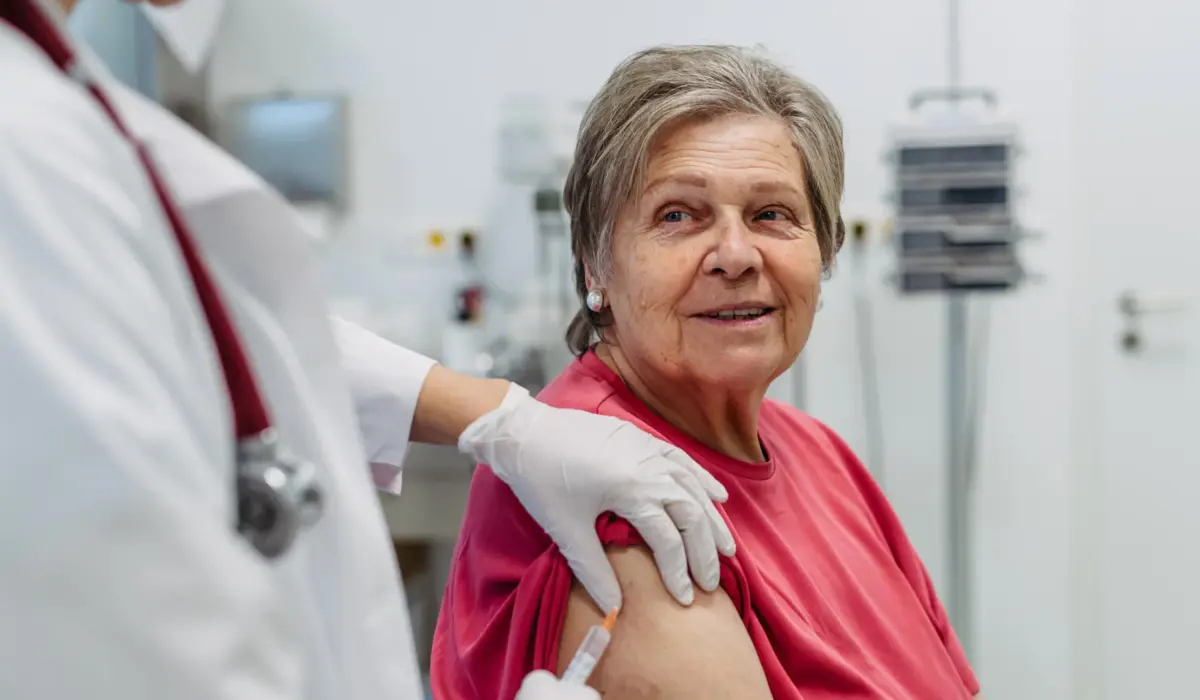
In what could represent a pivotal turning point in preventive gerontology, a rigorous new large-scale study has uncovered a compelling association between the modern recombinant shingles vaccine and a markedly reduced risk of developing dementia. Published in the prestigious Annals of Internal Medicine, the research reveals that older adults who received the Shingrix vaccine shortly after entering a skilled nursing facility experienced a 24% lower risk of being diagnosed with dementia over a subsequent four-year tracking period compared to their unvaccinated peers.
The implications of this finding are profound. As global populations age, health systems are desperately seeking scalable, accessible interventions to mitigate the staggering personal, social, and economic toll of cognitive decline and neurodegenerative diseases. While vaccines are designed to trigger immune responses against specific pathogens—in this case, Varicella zoster, the virus responsible for both chickenpox and painful shingles outbreaks—emerging clinical observations suggest they may also confer unexpected, systemic neuroprotective benefits.
Led by a multidisciplinary team of epidemiologists and researchers from Brown University, the University of Delaware, and the Providence Veterans Affairs Medical Center, this investigation is among the first to isolate the effects of the newest and currently only available shingles vaccine on the market: Shingrix, introduced in 2017. By analyzing a massive trove of real-world health data encompassing more than half a million older adults, the research team has added a critical puzzle piece to an evolving scientific narrative. Although the observational nature of the study precludes definitive proof of direct cause and effect, the sheer scale of the risk reduction—translating to roughly one in 17 potential dementia cases prevented—demands urgent, comprehensive follow-up through randomized clinical trials.
As public health officials grapple with how to optimize care pathways for frail, institutionalized populations, these insights suggest that a routine immunization protocol could potentially serve a dual purpose: safeguarding both physical immunity and long-term cognitive vitality.
Detailed Chronology: Unpacking the Research Methodology
To fully appreciate the weight of these findings, it is essential to examine the meticulous methodology employed by the research team. Conducting traditional randomized clinical trials—the gold standard of medical research—within vulnerable, institutionalized populations like those in skilled nursing facilities is frequently impractical, unethical, or logistically impossible. To circumvent these barriers while maintaining high scientific rigor, lead author Kaley Hayes and her colleagues utilized an advanced epidemiological technique known as "target trial emulation."
Emulating a Randomized Trial in Real-World Data
Target trial emulation attempts to synthetically recreate the structural conditions of a randomized clinical trial using observational data. By carefully designing the inclusion and exclusion criteria, defining treatment strategies clearly, and establishing a precise zero-point for follow-up, researchers can effectively mitigate many of the biases that typically plague retrospective health record analyses.
The foundational dataset for the study was drawn from nationwide Medicare claims and electronic health records spanning a critical five-year window from 2017 to 2022. This timeframe is particularly vital because it coincides directly with the commercial availability and deployment of Shingrix (the recombinant zoster vaccine, or RZV), which largely replaced the older, live-attenuated Zostavax vaccine that entered the market years prior.
Setting the Parameters and Cohort Selection
The study population focused exclusively on adults aged 66 and older who were admitted to one of more than 5,500 skilled nursing facilities across the United States for either short-term rehabilitation or long-term institutional care. To be included in the analytical cohort, patients had to meet strict eligibility requirements:
- They must have been clinically eligible to receive the shingles vaccination.
- They must not have had any prior diagnosis of dementia recorded in their health history.
Out of an initial pool of over 500,000 qualifying older adults admitted to these facilities, the research team identified 509,926 individuals who met all the rigorous criteria for the emulated trial. Within this massive cohort, patients were divided based on whether they received at least one dose of the recombinant shingles vaccine during their transition into care, or whether they remained entirely unvaccinated.
The Four-Year Tracking Window
Once categorized, the cohort was followed longitudinally for up to four years. The primary endpoint of interest was the formal documentation of a new dementia diagnosis within the participants’ medical records or Medicare billing claims.
The tracking phase yielded stark divergences between the two groups. Over the four-year follow-up period, a new diagnosis of dementia emerged in 18.8% of the vaccinated participants. Conversely, among the unvaccinated control group, the cumulative incidence of dementia climbed to 24.6%. When processed through adjusted survival analysis models, this differential translated to a consistent 24% relative risk reduction in dementia diagnoses for those who had received the Shingrix immunization.
Supporting Context & Metrics: The Numbers Behind the Breakthrough
To contextualize the findings of the Brown University-led study, one must examine the specific statistical metrics, demographic realities, and pharmacological context surrounding the Shingrix vaccine and neurodegenerative epidemiology.
Demographic Realities in Skilled Nursing Facilities
Entering a skilled nursing facility represents a major clinical transition point in an older adult’s life. Individuals entering these facilities are frequently frail, managing multiple chronic conditions, and experiencing varying degrees of functional or cognitive vulnerability. Consequently, they represent a demographic uniquely susceptible to both shingles outbreaks—which become increasingly common and severe with advanced age—and progressive cognitive decline.
Despite the clear clinical recommendations advising shingles vaccination for older adults, uptake rates within this specific cohort were notably low during the study period. Out of the 509,926 participants analyzed, only 8,843 individuals (approximately 1.7%) received the shingles vaccine after entering the facility. This stark under-vaccination rate highlights a major missed opportunity in preventive geriatric care, while simultaneously providing a large, comparable baseline control group for the researchers to analyze.
Statistical Breakdown of the Findings
- Total Study Participants: 509,926 older adults (aged 66 and older).
- Facility Reach: Data pulled from over 5,500 skilled nursing facilities nationwide.
- Vaccination Rate in Cohort: 8,843 patients (1.7%) received at least one dose of Shingrix.
- Dementia Incidence in Vaccinated Group: 18.8% developed dementia over four years.
- Dementia Incidence in Unvaccinated Group: 24.6% developed dementia over four years.
- Relative Risk Reduction: 24% lower risk of dementia diagnosis for vaccinated individuals.
- Population Impact: Roughly one in 17 dementia cases potentially prevented among those who received the vaccine.
The Pharmacological Evolution: Shingrix vs. Zostavax
To understand why this study marks a significant step forward, it is necessary to look at the pharmacological history of shingles immunizations. Earlier observational studies—including notable research published over the past decade—suggested a potential link between shingles vaccination and reduced dementia risk. However, the vast majority of those investigations focused on Zostavax, a live-attenuated virus vaccine that has since been phased out of the market due to lower efficacy and limitations in immunocompromised populations.
Shingrix, by contrast, is a recombinant subunit vaccine adjuvanted to provoke a robust, sustained cell-mediated immune response without containing live viral components. Because Shingrix exhibits significantly higher efficacy in older adults than its predecessor, immunologists and epidemiologists have eagerly awaited data confirming whether these neuroprotective associations hold true for the modern formulation. This study provides the first definitive, large-scale evidence confirming that the modern recombinant vaccine shares—and perhaps enhances—these intriguing cognitive-sparing properties.
Official Statements and Expert Perspectives
The release of the study in the Annals of Internal Medicine has generated widespread commentary across the fields of gerontology, epidemiology, and neurology. Experts are balancing cautious scientific optimism with the recognition that much work remains to be done to decode the biological mechanisms at play.
Lead author Dr. Kaley Hayes, an assistant professor at Brown University’s School of Public Health and associate director of pharmacoepidemiology for Brown’s Center for Gerontology and Healthcare Research, emphasized the interconnected nature of physical and cognitive health during media briefings surrounding the publication.
"A lot of previous studies with similar results focused on an older vaccine," Hayes noted, highlighting the unique contribution of her team’s work. "This study looks at the newest vaccine only in an older, vulnerable adult population who were not up to date with shingles vaccination and are at a very clear clinical point in care: entering a skilled nursing facility."
Hayes framed the findings as an exciting piece of an unfolding scientific puzzle:
"It fits into this large puzzle that’s just starting to come together that the vaccines are effective at preventing shingles and also appear to have neuroprotective benefits as well."
Reflecting on the broader implications for patient care, Hayes pointed to the conceptual bridge between systemic bodily health and cerebral preservation:
"Our cognition is so tied to our overall health and what happens to us physically. It’s really amazing to see that something that’s supposed to prevent a physical ailment can also help keep our brain healthy, too."
Acknowledging Limitations and Confounders
True to the standards of rigorous scientific discourse, the research team was transparent about the limitations inherent in their observational design. A primary challenge in pharmacoepidemiological research is accounting for health-seeking behavior and baseline health disparities.
In this cohort, researchers observed that individuals who chose to receive the shingles vaccine tended to be slightly younger and baseline-healthier than those who remained unvaccinated. These underlying health differentials could theoretically predispose them to a lower risk of dementia independently of the vaccine. Although the research team applied sophisticated statistical adjustments to control for these confounders—adjustments that confirmed the health differences did not fully account for the observed association—observational data can never entirely rule out residual confounding.
Furthermore, the authors disclosed financial transparency regarding funding sources. The study received support from GlaxoSmithKline (GSK), the multinational pharmaceutical company that manufactures Shingrix. However, the researchers explicitly underscored that GSK had zero editorial or operational control over the study design, data collection, statistical analysis, or the final decision to publish the findings.
Future Outlook: The Path Ahead for Preventive Neurology
The intersection of immunology and neurodegenerative disease research is rapidly expanding, transforming how scientists view vaccines. No longer seen merely as narrow shields against acute infectious pathogens, modern vaccines are increasingly recognized as systemic modulators of chronic inflammation and immune senescence—both of which play central roles in cognitive decline.
Potential Biological Mechanisms
While the current study cannot prove direct causation, researchers have hypothesized several biological pathways through which the Shingrix vaccine might reduce dementia risk:
- Mitigation of Neuroinflammation: Chronic viral infections and reactivations—such as latent Varicella zoster virus simmering in sensory ganglia—can trigger chronic systemic and neuro-inflammatory cascades. By preventing or suppressing viral reactivation, the vaccine may lower the inflammatory burden on cerebral tissues.
- Prevention of Vascular and Endothelial Damage: Shingles has been linked in some epidemiological studies to an elevated short-term risk of stroke and transient ischemic attacks. Protecting the vascular endothelium from infection-related damage could preserve cerebral blood flow and reduce vascular-related cognitive impairment.
- General Immune Stimulation: Adjuvanted vaccines like Shingrix prompt a broad, revitalizing tonic effect on immune cell populations, potentially enhancing the central nervous system’s microglial clearance mechanisms responsible for sweeping away amyloid plaques and cellular debris.
Next Steps: Clinical Trials and Policy Implications
To transition from strong statistical association to definitive causal proof, the medical community agrees that randomized clinical trials specifically designed to measure cognitive outcomes following Shingrix administration will be necessary. Designing and executing such trials will require significant institutional investment and years of meticulous follow-up, but the potential rewards are immeasurable.
In the interim, public health experts and clinicians suggest that the findings offer an immediate, practical takeaway for clinical practice. Given that the Shingrix vaccine is already proven safe, highly effective at preventing the excruciating agony of shingles and post-herpetic neuralgia, and widely accessible across pharmacies and healthcare clinics, the prospect of an added cognitive benefit provides an even more compelling incentive for older adults to stay up-to-date on their immunizations.
As researchers continue to assemble the pieces of this complex neurological puzzle, the message for aging populations and their caregivers is clear: taking steps to protect physical health through routine vaccination may quietly and powerfully serve as a vital safeguard for the mind.