







Executive Overview
When two individuals contract the exact same pathogen or suffer a comparable physical trauma, their bodily systems often diverge down entirely distinct paths. One person mounts a swift, uncomplicated recovery, while the other spirals into multi-organ failure, severe systemic inflammation, and, in worst-case scenarios, death. In modern biomedical research, this overarching progression—from initial health insult to final clinical outcome—is known as a disease trajectory. Understanding what governs these divergent paths has long been one of clinical medicine’s most elusive grails.
For years, mainstream immunology focused heavily on the immune system’s master switches: how inflammatory pathways are triggered, how white blood cells are recruited, and how immune responses are ultimately turned off. However, a groundbreaking study from the prestigious Salk Institute, published in the journal Cell Metabolism, pivots away from conventional thinking. Led by senior author Dr. Janelle Ayres and first author Dr. Katia Troha, the Salk research team has uncovered a critical, previously unappreciated mechanism of survival driven not by an immune cell, but by an unexpected organ system: the kidneys.
The team’s findings demonstrate that the essential amino acid methionine—commonly found in everyday foods—can fundamentally alter a patient’s disease trajectory. By supplementing the diets of infected and injured subjects with methionine, the researchers observed a remarkable protective effect. The amino acid dramatically reduced tissue-damaging inflammation, prevented systemic wasting, guarded against blood-brain barrier dysfunction, and blocked mortality. Crucially, it achieved this not by shutting down the immune system’s ability to fight off invaders, but by enhancing renal filtration capacity, allowing the body to safely flush out toxic inflammatory proteins through urine.
While these findings were demonstrated in pre-clinical mouse models involving severe infections such as Yersinia pseudotuberculosis, sepsis, and acute kidney injury, the implications are profound. They bridge the gap between nutritional science and precision medicine, offering a tantalizing glimpse into a future where targeted dietary interventions could serve as sophisticated, mechanistically informed medical countermeasures against life-threatening inflammatory conditions.
Detailed Chronology: Unraveling the Salk Institute Discovery
To understand how a dietary building block can halt the cascade of fatal inflammation, it is necessary to examine the step-by-step chronology of the Salk Institute investigation.
Phase 1: Observing the Metabolic Shift in Infection
The research began with a fundamental biological observation. When living organisms are infected with pathogenic bacteria, one of the earliest and most universal behavioral changes is a sharp reduction in food intake—commonly known as sickness-induced anorexia. Dr. Ayres’s lab recognized this behavioral shift as an outward sign of a deeper, systemic metabolic transformation.
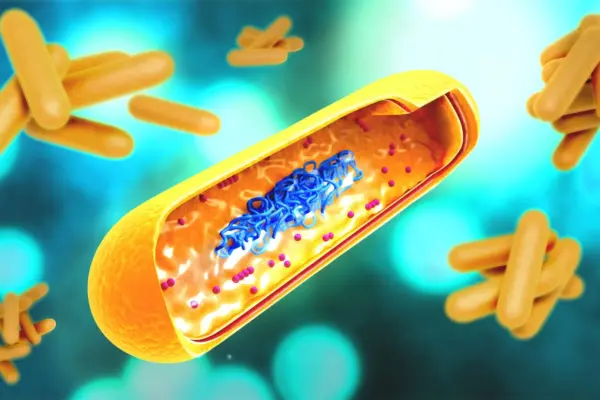
To map out what was happening chemically inside the body, the researchers utilized a robust mouse model of systemic infection caused by the pathogen Yersinia pseudotuberculosis. As the infection took hold, the team performed deep metabolomic profiling, measuring the circulating levels of various amino acids—the fundamental building blocks of proteins that support healthy cellular function throughout the body—in the blood of the infected animals.
Phase 2: The Methionine Deficiency Discovery
Among the data points collected, a striking pattern emerged. While various metabolites fluctuated, the infected mice consistently displayed critically depleted levels of methionine.
Methionine is an essential amino acid, meaning that mammalian bodies cannot synthesize it independently; it must be acquired directly through diet. The observation that systemic infection systematically depletes circulating methionine raised an immediate, critical question for the research team: Is this drop in methionine merely a byproduct of reduced food intake, or is it an active contributor to the pathology and decline seen during severe illness?
Phase 3: The Dietary Intervention Breakthrough
To test this hypothesis, Dr. Katia Troha and her colleagues introduced a targeted intervention. They provided a cohort of infected mice with standard laboratory chow that had been explicitly supplemented with extra methionine.
The results defied expectations. Untreated infected mice followed the anticipated, highly lethal disease trajectory, marked by severe weight loss, tissue wasting, blood-brain barrier breakdown, and death. In stark contrast, the mice receiving the methionine-supplemented diet were remarkably protected. They maintained their physical conditioning, resisted the systemic devastation of the pathogen, and survived conditions that proved fatal to their unsupplemented counterparts.
Phase 4: Pinpointing the Renal Mechanism
With the protective phenomenon established, the Salk team embarked on a series of rigorous follow-up experiments to uncover how methionine was exerting such a profound systemic effect.
Initially, researchers suspected that methionine might be acting directly on immune cells to quiet down the production of pro-inflammatory cytokines—the signaling proteins that sound the alarm during an infection but cause catastrophic collateral damage when overproduced. However, further testing revealed an entirely unexpected route of action.
Methionine was not blocking the creation of cytokines; rather, it was supercharging the body’s clearance mechanisms. Specifically, methionine dramatically improved renal filtration capacity. By enhancing blood flow and optimizing the filtration rate of the kidneys, the amino acid enabled the body to physically filter excess pro-inflammatory cytokines out of the bloodstream and excrete them safely in the urine.
Crucially, this renal clearance mechanism proved to be remarkably surgical. It purged the dangerous excess of inflammatory signals without impairing the immune system’s core ability to hunt down and destroy the Yersinia pseudotuberculosis pathogen.
Phase 5: Expanding the Scope to Sepsis and Kidney Injury
Seeking to determine whether this was a one-off phenomenon restricted to a single type of bacterial infection, the Salk researchers tested methionine supplementation in additional, highly distinct disease models. They applied the methionine protocol to experimental models of sepsis—a life-threatening whole-body response to infection—and acute kidney injury.
In both settings, methionine replicated its protective benefits. The data confirmed that the amino acid’s ability to optimize renal filtration and lower systemic cytokine loads was broadly applicable across multiple inflammatory landscapes, cementing its status as a versatile guardian against organ failure and mortality.
Supporting Context & Metrics: The Dual Nature of Inflammation
To fully grasp the clinical weight of the Salk Institute’s discovery, one must understand the delicate, high-stakes balancing act that underpins human immunology.
The Fine Line Between Defense and Destruction
Inflammation is evolutionarily ancient and utterly indispensable for survival. When a foreign pathogen invades the body, or even when a localized barrier is breached by something as minor as a splinter, immune cells mobilize rapidly to the site of the threat. Upon arrival, these cells release a cascade of alarm signals known as pro-inflammatory cytokines.
These signaling proteins serve a vital purpose:
- Recruitment: They summon additional immune cells to swarm the site of infection.
- Activation: They prime white blood cells to aggressively phagocytose (engulf and destroy) pathogens.
- Containment: They wall off the affected area to prevent systemic dissemination.
However, the immune system operates on a razor’s edge. If the inflammatory response is too weak, the pathogen goes unchecked, leading to runaway infection and tissue colonization. Conversely, if the inflammatory response is too strong or fails to shut off in a timely manner, the flood of pro-inflammatory cytokines spills over into healthy tissues. This systemic spillover leads to widespread vascular leakage, tissue necrosis, blood-brain barrier dysfunction, multi-organ failure, and death.
Historically, therapeutic strategies designed to combat excessive inflammation—such as immunosuppressive drugs, steroids, or biological agents—have carried a heavy trade-off: by turning down the inflammation, they often cripple the patient’s ability to fight off the underlying infection.
The Renal-Immunological Axis
This is where the Salk Institute study introduces a paradigm-shifting metric. By identifying the kidneys as a primary regulator of systemic inflammation, the research reveals an entirely new therapeutic axis.
| Traditional Anti-Inflammatory Approach | The Salk Methionine Approach |
|---|---|
| Mechanism: Blocks cytokine production or dampens immune cell activity. | Mechanism: Enhances renal filtration to clear excess cytokines from blood. |
| Risk: Often suppresses the immune system, leaving the patient vulnerable to secondary infections. | Advantage: Clears dangerous inflammatory toxins without interfering with the pathogen-fighting immune response. |
| Focus: Treats the immune system as the sole battleground. | Focus: Harnesses organ-system cooperation (Kidney-Immune axis) to restore systemic homeostasis. |
By utilizing the kidneys to filter out pathogenic levels of cytokines, the body can successfully mitigate the destructive side effects of inflammation while maintaining a fully functional, aggressive immune defense against the invading microbe.
Official Statements and Expert Insights
The implications of this research have drawn widespread attention within the scientific and medical communities, underscoring the potential to transform how clinicians view nutritional status during critical illness.
"Our study indicates that small biological differences, including dietary factors, can have large effects on disease outcomes,"
— Dr. Janelle Ayres, Senior Author, Professor, holder of the Salk Institute Legacy Chair, and Howard Hughes Medical Institute Investigator.
Dr. Ayres emphasized that the discovery highlights the untapped potential of looking beyond traditional pharmacology to find healing mechanisms already encoded within our basic physiology.
"Our discovery of a kidney-driven mechanism that limits inflammation, together with the protective effects of methionine supplementation in mice, points toward the potential of nutrition as a mechanistically informed medical intervention that can direct and optimize the paths people take in response to insults that cause disease."
First author Dr. Katia Troha, a postdoctoral researcher in the Ayres lab who spearheaded the experimental work, underscored the critical role of cytokines in driving clinical decline and the precision required to manage them:
"Pro-inflammatory cytokines are ultimately what leads to sickness and death in a lot of cases. The immune system has to balance inflammation to attack the invader without harming healthy cells in the body. Our job is to find the mechanisms it uses to do that, so that we can target them to improve patient outcomes."
Reflecting on the broader philosophical shift represented by these findings, Dr. Ayres added:
"Our findings add to a growing body of evidence that common dietary elements can be used as medicine. By studying these basic protective mechanisms, we reveal surprising new ways to shift individuals that are fated to develop disease and die onto trajectories of health and survival. It may one day be possible for something as simple as a supplement with dinner to make the difference between life and death for a patient."
Future Outlook and Translational Potential
While the discoveries made by the Salk Institute team mark a monumental leap forward in our understanding of disease trajectories, the researchers maintain a rigorous, highly scientific note of caution regarding immediate clinical applications.
Moving From Bench to Bedside
The groundbreaking experiments that demonstrated methionine’s protective effects against systemic infection, sepsis, and acute kidney injury were performed exclusively in pre-clinical mouse models. Because human physiology—particularly complex metabolic and renal interactions—operates on a vastly different scale, these findings have not yet been tested for safety or efficacy in human clinical trials.
Consequently, the Salk research team strongly emphasizes that patients, clinicians, and the general public should not begin self-prescribing or altering their intake with methionine supplements based on this study alone. Unsupervised or excessive supplementation with specific amino acids can carry unforeseen metabolic consequences and potential toxicity.
The Roadmap for Future Research
The publication of these findings in Cell Metabolism opens up several vital avenues for ongoing and future investigation:
- Translational Human Studies: Researchers are now laying the groundwork to determine whether human patients suffering from severe inflammatory conditions, sepsis, or kidney failure experience similar methionine depletions and whether controlled supplementation could yield comparable protective outcomes.
- Amino Acid Profiling: Future studies will investigate whether other essential or non-essential amino acids produce synergistic, complementary, or even superior protective effects when paired with methionine.
- Targeted Clinical Interventions: Particular focus will be directed toward vulnerable patient populations—such as individuals with chronic kidney disease, patients undergoing regular hemodialysis, and those suffering from intractable inflammatory disorders—who might benefit most from mechanistically guided nutritional therapies.
Conclusion: A New Horizon in Medicine
The Salk Institute’s work challenges the reductionist view that diseases are static conditions dictated solely by the virulence of a pathogen or the genetic makeup of a host. Instead, it frames disease as a dynamic trajectory—a journey that can be actively reshaped, steered, and optimized.
By demonstrating that a simple nutritional building block can empower the kidneys to clear lethal toxins without compromising immunity, Dr. Ayres and her team have opened a compelling new chapter in medicine. As research advances from the laboratory bench toward future clinical trials, we draw ever closer to a day when the difference between a tragic medical outcome and a full recovery may be as accessible as the food on our plates.