








Executive Overview
For centuries, contemplative traditions have maintained that sustained mental discipline, focused attention, and intentional meditation can profoundly alter human physiology. Modern clinical science has spent decades validating these assertions, typically focusing on isolated variables: lower cortisol levels, reduced blood pressure, or minor shifts in self-reported anxiety. However, a landmark study conducted by researchers at the University of California San Diego (UC San Diego) shatters the boundaries of what science previously believed non-pharmacological interventions could achieve.
Published in Communications Biology, the multi-million-dollar initiative—supported by the InnerScience Research Fund—reveals that a mere seven-day intensive mind-body retreat triggers measurable, systemic transformations across multiple biological systems. Far exceeding simple relaxation, the intervention induced profound shifts in brain network connectivity, blood chemistry, cellular metabolism, immune signaling, and endogenous pain-control mechanisms. Most intriguingly, the biological signatures observed in participants frequently mirrored those typically induced by psychedelic substances, all achieved through conscious mental practice alone.
This comprehensive investigation provides an authoritative biological framework demonstrating that the human mind and physical body operate as an intensely unified system. By capturing these changes through functional neuroimaging, molecular assays, and cellular experimentation, UC San Diego researchers have opened a transformative frontier in integrative medicine, neurology, and psychopharmacology.
Detailed Chronology: Inside the Seven-Day Immersion
To understand the scope of the physiological changes documented by the UC San Diego team, one must examine the rigorous methodology and immersive environment of the study itself.
The investigation enrolled 20 healthy adult volunteers who willingly stepped away from the stimuli of modern life to participate in a rigorous, seven-day residential retreat. The program was spearheaded by prominent neuroscience educator and author Joe Dispenza, D.C., and structured to push participants deep into altered states of awareness and continuous introspection.
The Daily Regimen and Modalities
Unlike standard clinical trials that test isolated variables, this study evaluated a complex, multi-modal intervention package. The daily schedule was relentless and meticulously designed:
- Continuous Contemplative Practice: Participants engaged in approximately 33 hours of cumulative, guided meditation over the course of the week.
- Didactic Instruction: Daily lectures provided deep intellectual frameworks regarding neuroplasticity, quantum biology, and the mechanics of consciousness, aiming to reshape how participants perceived reality (a process termed reconceptualization).
- Group Healing Protocols: The program incorporated collaborative emotional and energetic healing practices designed to foster social cohesion and profound psychological shifts.
- Open-Label Placebo Interventions: Certain healing activities integrated an "open-label placebo" protocol. Unlike deceptive clinical placebos, participants were fully informed from the outset that the interventions contained no active pharmaceutical ingredients. This approach leverages ritual, expectation, and therapeutic theater to harness the body’s self-healing capacities with full transparency.
Pre- and Post-Retreat Metrics
To capture the full spectrum of the retreat’s impact, the research team deployed a multi-pronged diagnostic strategy before and immediately after the seven-day program:
- Neuroimaging: High-resolution functional magnetic resonance imaging (fMRI) scans mapped changes in cerebral blood flow, illuminating real-time alterations in functional brain networks.
- Molecular Blood Assays: Comprehensive blood draws allowed scientists to profile circulating metabolites, inflammatory cytokines, small RNA molecules, and natural pain-regulating compounds.
- Ex-Vivo Cellular Testing: Blood plasma harvested from participants before and after the retreat was introduced to laboratory-grown neurons to observe direct cellular adaptation and neuroplastic potential.
- Psychometric Evaluation: Volunteers completed the validated Mystical Experience Questionnaire (MEQ-30) to quantify subjective states of transcendence, unity, and altered consciousness.
Supporting Context & Metrics: From Neurons to Molecules
The findings extracted from the UC San Diego analysis defy conventional assumptions about the limitations of voluntary mental control. The physical changes recorded in participants spanned five distinct physiological domains.
1. Neurological Efficiency and Neuroplasticity
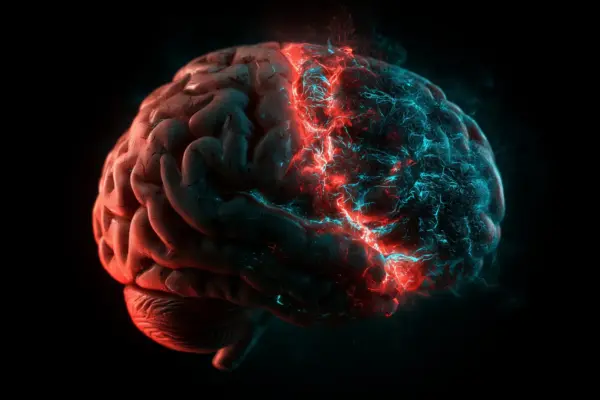
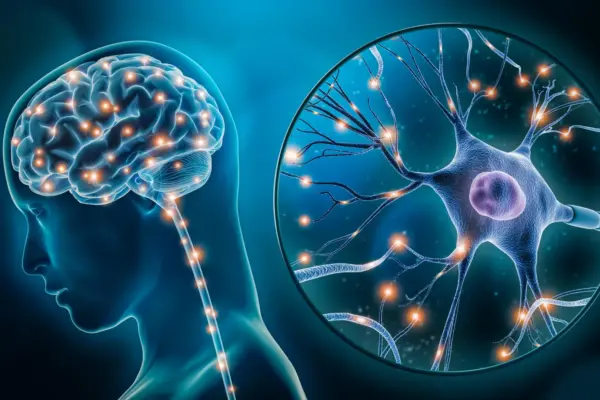
Brain scan analysis revealed that neural activity became significantly less pronounced in regions associated with the "default mode network"—specifically areas responsible for self-referential thought and internal mental chatter. Researchers interpreted this calming of resting-state chatter not as under-activity, but as an indicator of streamlined, highly efficient brain function.
More remarkably, ex-vivo laboratory experiments demonstrated a dramatic surge in neuroplasticity. When lab-grown neurons were bathed in blood plasma collected from participants after the retreat, the cells exhibited accelerated growth, developing noticeably longer branches and establishing denser, more intricate synaptic connections. This biological enhancement underscores an improved capacity for nerve cells to adapt, learn, and repair.
2. Metabolic Flexibility
Cellular metabolism underwent a profound upward shift. Cells exposed to post-retreat plasma demonstrated a marked increase in glycolytic (sugar-burning) metabolism. Glycolysis serves as a primary pathway for converting glucose into rapid cellular energy. According to the research team, this elevation points toward a more flexible, resilient metabolic state capable of dynamically meeting high energy demands.
3. Endogenous Pain Control
Perhaps one of the most clinically promising discoveries was the activation of the body’s innate analgesic architecture. Blood plasma assays confirmed a substantial increase in circulating endogenous opioids—naturally synthesized molecules that bind to the exact biological receptors targeted by pharmaceutical pain-killers (such as morphine or oxycodone). This elevation indicates that intensive contemplative practices can upregulate the body’s internal pharmacy to autonomously manage discomfort without external chemical intervention.
4. Sophisticated Immune Signaling
Rather than simply suppressing or stimulating the immune system, the retreat induced a complex, sophisticated adaptive response. Researchers observed simultaneous elevations in both inflammatory and anti-inflammatory signaling molecules. This dual up-regulation suggests the immune system was undergoing strategic recalibration, transitioning into a state of high vigilance and dynamic responsiveness. Additionally, small RNA molecules—which dictate gene expression profiles—shifted markedly, particularly within pathways governing central nervous system activity.
5. Mystical States and Psychedelic Similarities
Subjective psychological metrics tracked closely with physiological shifts. Scores on the Mystical Experience Questionnaire (MEQ-30) surged from a baseline average of 2.37 to an impressive 3.02 post-retreat. Crucially, individuals who reported the deepest mystical experiences—characterized by feelings of cosmic unity, timelessness, and ego-dissolution—simultaneously displayed the highest degree of neural network integration on their fMRI scans.
In a finding that has electrified the fields of neuroscience and psychopharmacology, these intensive meditation states produced brain connectivity patterns strikingly similar to those documented in individuals under the influence of psilocybin, the active psychoactive compound in psychedelic mushrooms. While researchers emphasize that meditation and psychedelics do not yield identical biochemical profiles, the overlapping neural signatures suggest that vastly different roads can lead to the same transformative state of consciousness.
Official Statements
The implications of the UC San Diego study extend far beyond academic curiosity, prompting strong reactions from the primary investigators behind the multi-million-dollar initiative.
"We’ve known for years that practices like meditation can influence health, but what’s striking is that combining multiple mind-body practices into a single retreat produced changes across so many biological systems that we could measure directly in the brain and blood," stated senior study author Hemal H. Patel, Ph.D., professor of anesthesiology at UC San Diego School of Medicine and research career scientist at the Veterans Affairs San Diego Healthcare System.
Patel emphasized the paradigm-shifting nature of the data: "This isn’t about just stress relief or relaxation; this is about fundamentally changing how the brain engages with reality and quantifying these changes biologically."
Commenting on the psychedelic-like neural signatures observed during the fMRI scans, Patel added: "We’re seeing the same mystical experiences and neural connectivity patterns that typically require psilocybin, now achieved through meditation practice alone. Seeing both central nervous system changes in brain scans and systemic changes in blood chemistry underscores that these mind-body practices are acting on a whole-body scale."
Echoing these sentiments, first author Alex Jinich-Diamant, a doctoral student in the Departments of Cognitive Science and Anesthesiology at UC San Diego, highlighted the philosophical and medical weight of the findings:
"This study shows that our minds and bodies are deeply interconnected—what we believe, how we focus our attention, and the practices we participate in can leave measurable fingerprints on our biology. It’s an exciting step toward understanding how conscious experience and physical health are intertwined, and how we might harness that connection to promote well-being in new ways."
Future Outlook: Translating Consciousness into Clinical Medicine
While the findings published in Communications Biology offer an unprecedented window into the human body’s self-regulatory capacity, the research team remains methodologically rigorous regarding the limits of the current data.
Navigating Limitations and Confounders
The study possessed specific structural boundaries that future investigations must address:
- Healthy Cohort Bias: The trial analyzed healthy adult volunteers. Consequently, researchers cannot yet definitively state whether these exact biological shifts will translate into therapeutic reversals for patients suffering from active, diagnosed pathologies.
- Multimodal Confounding: Because the retreat delivered meditation, educational reconceptualization, social healing, and open-label placebos simultaneously, the study cannot isolate which specific component drove individual physiological changes.
The Road Ahead: Clinical Trials and Component Analysis
Armed with these baseline insights, the UC San Diego research collective is already charting the next phase of their investigative roadmap. Future initiatives will dismantle the retreat package, studying individual practices—such as focused meditation versus intellectual reframing—in isolation and varied combinations to measure their independent biological yields.
Furthermore, longitudinal tracking will determine the half-life of these physiological improvements: How long do these elevated endogenous opioids, enhanced neuroplasticity markers, and altered metabolic states persist after participants return to daily life? And can scheduled booster retreats lock in these changes permanently?
Most importantly, the research team is actively designing controlled clinical trials to test whether targeted, intensive mind-body protocols can be successfully deployed as legitimate therapeutic adjuncts for patients battling chronic pain disorders, severe treatment-resistant mood conditions, and degenerative autoimmune diseases.
As science continues to map the intricate biological machinery underlying human consciousness, the boundary between mind and matter grows increasingly porous. The work at UC San Diego signals the dawn of a new era in medicine—one where intentional mental states are no longer viewed merely as psychological epiphenomena, but as potent, measurable biological interventions capable of rewriting human health from the inside out.