










Executive Overview
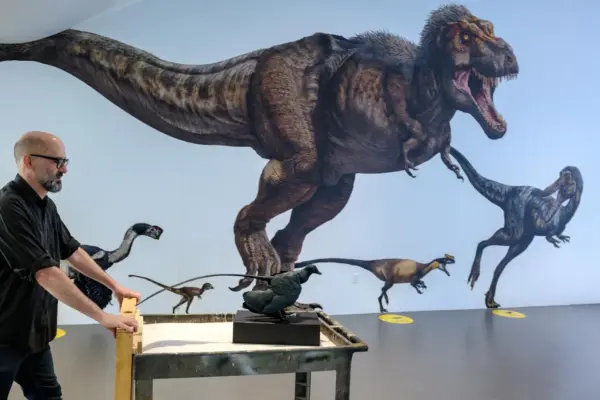
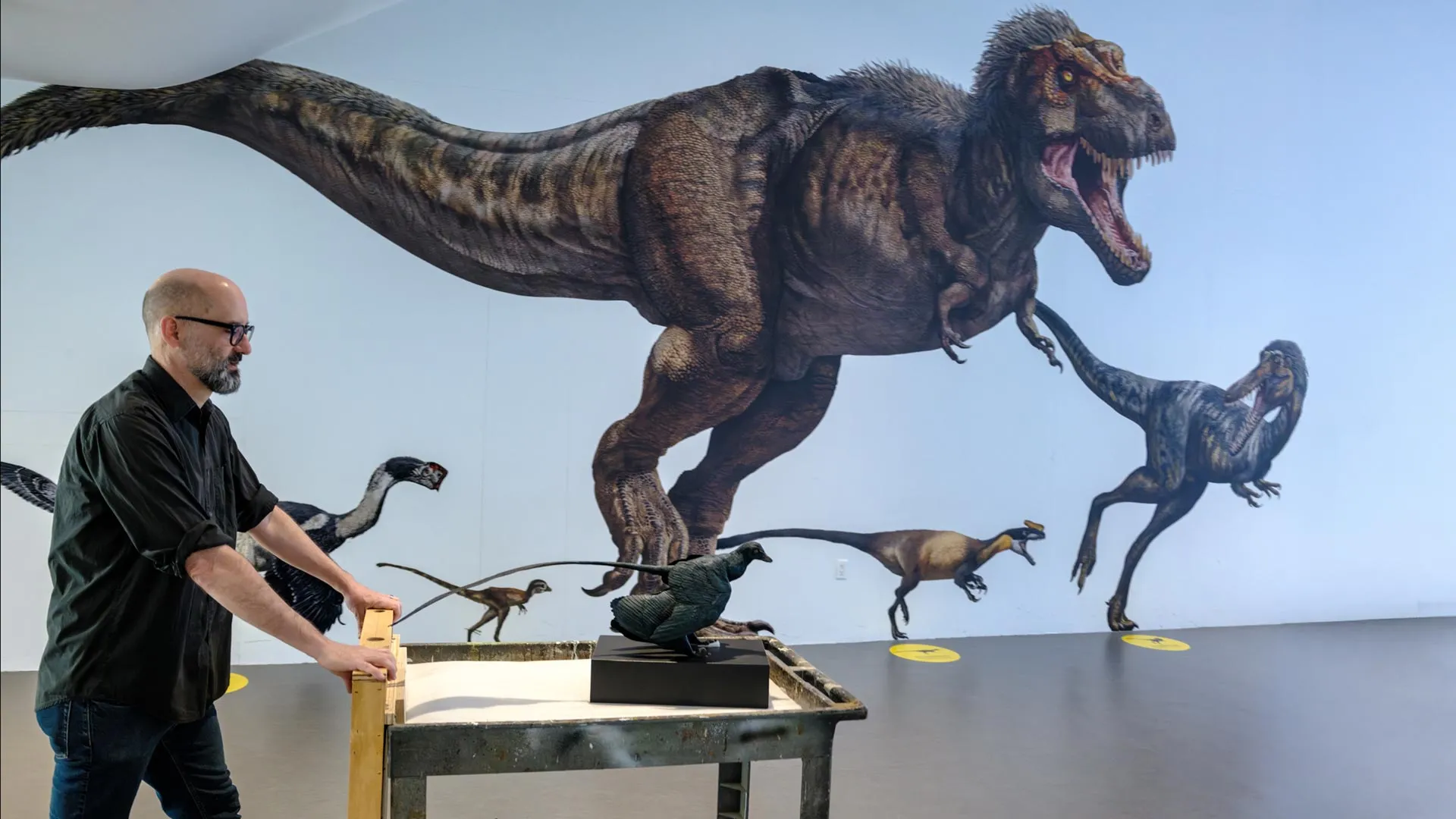
For centuries, popular culture and scientific inquiry alike have been transfixed by the sheer, unbridled gigantism of the dinosaur clade. From the towering silhouette of the Tyrannosaurus rex to the colossal, thunderous strides of sauropods like Apatosaurus, these magnificent beasts have long defined the outer limits of terrestrial vertebrate scale. Yet, a revolutionary study published in the journal Evolution has shifted the gaze of modern paleontology from the heavens down to the dirt. Researchers from the American Museum of Natural History (AMNH) and Princeton University have trained their mathematical lenses on the opposite end of the mass spectrum, uncovering an evolutionary enigma: Why did non-avian dinosaurs apparently never become extremely small?
While the grand narrative of dinosaur history is frequently punctuated by record-breaking mass, the absence of miniaturization among non-avian lineages is an ecological anomaly. Utilizing advanced mathematical models that simulate vertebrate body size evolution, the research team discovered that standard physiological drivers—such as metabolic rate, energetic requirements, and reproductive constraints—successfully account for the size distributions of mammals, birds, and turtles. However, those exact physiological models fail entirely when applied to non-avian dinosaurs. The math dictates that small dinosaurs should have existed in abundance, yet the fossil record tells a starkly different story.
The researchers propose a compelling ecological thesis: competition with early, diminutive mammals crowded out small-bodied dinosaurs, effectively erecting an invisible evolutionary floor beneath their feet. This discovery not only inverts the traditional paradigm of Mesozoic competition—where dinosaurs are typically cast as the absolute rulers suppressing mammalian advancement—but also reframes our understanding of how modern global biodiversity was forged. By exploring how birds eventually shattered this biological glass ceiling through the advent of powered flight, this study opens a fascinating new chapter in evolutionary biology, proving that sometimes the greatest mysteries in nature are hiding in plain sight, disguised by what is conspicuously absent.
Detailed Chronology
To comprehend the magnitude of this evolutionary puzzle, one must retrace the timeline of vertebrate paleontology and the incremental shifts in how scientists interpret the fossil record of the Mesozoic Era.
The Rise of the Paleontological Size Paradigm
For generations, the discovery of new dinosaur fossils was dominated by a bias toward exceptional scale. Throughout the 19th and 20th centuries, "Bone Wars" and subsequent global expeditions prized massive sauropod femurs and formidable theropod skulls. Small fossils, when discovered, were frequently sidelined or misclassified as juveniles of larger species rather than distinct, diminutive taxa. This created an entrenched academic perception of dinosaurs as an inherently heavy-bodied group, setting the stage for decades of research focused almost exclusively on how organisms achieve extreme gigantism.
The Shift Toward Quantitative Macroevolutionary Biology
In recent years, the maturation of quantitative paleobiology has allowed scientists to move beyond qualitative descriptions of size and apply rigorous mathematical modeling to the entire vertebrate tree of life. Evolutionary biologists began developing algorithms that factor in thermodynamics, metabolic scaling, and ecological niches to predict how body sizes should theoretically fluctuate over millions of years under the pressures of natural selection.
It was within this modern analytical framework that lead author Stephanie Lechki of Princeton University and co-author Roger Benson of the AMNH began examining the limits of vertebrate size distribution. By running comprehensive simulations across diverse taxonomic groups, the researchers sought to validate whether standard physiological laws could uniformly explain the spectrum of animal sizes from the Triassic period onward.
The Model Breakdown and the Ecological Hypothesis
When the mathematical models successfully replicated the body size distributions observed in living and extinct mammals, birds, and turtles, the methodology was deemed robust. However, when the parameters were applied to dinosaurs, the models broke down. They consistently predicted a profusion of small-bodied non-avian dinosaurs that simply did not materialize in the empirical fossil record.
Faced with this persistent anomaly, Benson and Lechki shifted their hypothesis from internal physiology to external ecology. They posited that interspecific competition—specifically with the burgeoning populations of early, small-bodied mammals—acted as a restrictive filter. This conceptual pivot effectively inverted the long-held dogma of Mesozoic ecological hierarchy: rather than dinosaurs merely keeping mammals small, mammals may have actively prevented dinosaurs from colonizing the mouse- and sparrow-sized niches that dominate contemporary ecosystems.
The Avian Liberation
The final chronological milestone in this evolutionary narrative involves the emergence of avians during the Early Cretaceous. As theropod dinosaurs experimented with integumentary structures and aerodynamic adaptations, the invention of powered flight served as a biological skeleton key. This evolutionary innovation unlocked entirely novel ecological domains, enabling early birds to bypass the terrestrial competitive bottlenecks that had historically constrained their non-avian ancestors. Consequently, birds rapidly plummeted in body mass, achieving scales of miniaturization previously forbidden to the broader dinosaur clade.
Supporting Context & Metrics
To fully appreciate the constraints that governed dinosaur evolution, one must examine the precise metrics of vertebrate body mass across various taxonomic lineages. The disparities are not merely incremental; they represent profound divisions in biological design and ecological strategy.
The Extreme Margins of Dinosaur Scale
At the apex of the dinosaurian weight class, colossal sauropods such as Argentinosaurus and Patagotitan regularly exceeded 80 metric tons (80,000 kilograms), pushing the absolute structural limits of biological support tissues, vascular systems, and biomechanical locomotion.
Conversely, the boundary at the lower end of the non-avian dinosaur spectrum is remarkably rigid. The smallest known non-avian dinosaurs weighed approximately 1 pound (450 grams). To contextualize this figure:
- The Rabbit Benchmark: A 450-gram non-avian dinosaur is roughly comparable in mass to a large domestic rabbit.
- The Avian Contrast: The bee hummingbird (Mellisuga helenae), recognized as the smallest living bird, tips the scales at a mere 1.75 grams—making it more than 250 times lighter than the smallest known non-avian dinosaur.
- The Mammalian Extreme: The Etruscan shrew (Suncus etruscus), one of the smallest living mammals, weighs an astonishingly light 1.8 grams.
- The Reptilian Extreme: Certain dwarf geckos achieve adult body weights as low as 0.15 grams.
Modern Ecosystem Demographics
The absence of micro-dinosaurs stands in sharp contrast to the architecture of modern biological communities. In contemporary terrestrial ecosystems, miniaturization is a dominant evolutionary strategy:
- Approximately 75 percent of all living mammal species are smaller than the smallest known non-avian dinosaur.
- Approximately 90 percent of all living bird species fall below this same 450-gram threshold.
This overwhelming demographic skew toward small body sizes underscores why the absence of tiny non-avian dinosaurs is a profound structural puzzle. In modern biomes, small animals dominate in terms of species richness, metabolic turnover, and ecological ubiquity. The fact that the Mesozoic terrestrial landscape operated under a vastly different size-frequency distribution indicates that unique evolutionary pressures were actively suppressing the lower end of the dinosaurian scale.
Taphonomic Controls: Dispelling the Missing Fossil Hypothesis
A primary skepticism encountered when analyzing the absence of micro-fossils is taphonomic bias: the idea that tiny dinosaurs did exist, but their fragile, poorly ossified juvenile-like bones simply failed to withstand the destructive forces of fossilization.
Benson and Lechki rigorously tested this objection against the empirical record. Fossil-bearing strata from the Mesozoic frequently yield an abundance of microvertebrates, including:
- Early multituberculate and triconodont mammals
- Small lizards, sphenodontians, and choristoderes
- Amphibians, including primitive frogs and salamanders
Because these delicate, centimeter-scale bones are routinely preserved in the exact same geological formations that yield massive dinosaur skeletons, taphonomic loss cannot account for the total absence of mouse-sized non-avian dinosaurs. If such animals had existed in ecological abundances comparable to modern small mammals, paleontologists would inevitably recover thousands of their dental remains, limb fragments, and cranial elements. The empirical silence is deafening: genuinely tiny non-avian dinosaurs were extraordinarily rare or functionally non-existent.
Official Statements
The implications of this research have reverberated across the paleontological community, challenging long-held assumptions regarding vertebrate competition and macroevolutionary trajectory. Key investigators behind the study have articulated the significance of these findings through prominent commentary:
"Everyone loves a giant dinosaur," noted Dr. Roger Benson, Macaulay Curator of Dinosaur Paleobiology at the American Museum of Natural History and co-author of the study. "But we decided to look at the other end of the scale. The absence of tiny dinosaurs may be just as interesting as the existence of giant ones. We already knew that dinosaurs prevented mammals from evolving to large sizes before the end-Cretaceous mass extinction. Here we suggest that mammals in turn prevented dinosaurs from evolving to small sizes."
This perspective radically restructures how paleontologists view the ecological theater of the Mesozoic. Rather than a straightforward unidirectional hierarchy where dinosaurs dominated every available terrestrial niche, the relationship appears to have been characterized by mutual evolutionary fencing—dinosaurs restricted mammalian body plans upward, while mammals successfully defended the lower tier of the dimensional spectrum.
Echoing this sentiment, lead author Stephanie Lechki, a postdoctoral researcher at Princeton University, emphasized the broader implications for global biodiversity:
"Small animals dominate modern ecosystems," stated Lechki. "If we want to understand how today’s biodiversity evolved, we need to understand why tiny dinosaurs appear to have been missing."
Addressing the liberation of the avian lineage from these historical constraints, Lechki further elaborated on the transformative role of aerodynamics:
"The ability to fly may have opened entirely new ways of life," Lechki explained. "Once birds entered those new ecological niches, they were free to evolve body sizes that had simply not been possible for other dinosaurs."
Summarizing the overarching conceptual paradox that continues to drive ongoing research, Dr. Benson encapsulated the bizarre trajectory of the dinosaurian lineage:
"We have this unusual situation where the ancestors of dinosaurs could be tiny. The living descendants of dinosaurs—birds—they can be tiny. But dinosaurs themselves seemed to be forbidden from being tiny," Benson concluded. "And we don’t really understand that yet, but it’s a question we should continue to explore if we really want to understand dinosaurs and their fascinating biology."
Future Outlook
As paleontology enters a golden age of computational modeling and high-resolution imaging, the mystery of the dinosaurian size floor is set to stimulate intensive interdisciplinary investigation. Several key avenues of research will define the next decade of inquiry into this subject:
High-Resolution Micro-Ecology and Isotopic Analysis
Future studies will likely employ advanced geochemical techniques, such as stable isotope analysis on microvertebrate teeth, to reconstruct the dietary niches and metabolic resource partitioning of Mesozoic mammals versus small archosaurs. By mapping the exact trophic overlap between early mammals and basal dinosaurs, researchers can test whether direct competition for insect prey, seeds, or ground-level cover was the primary mechanism of exclusion.
Expanded Phylogenetic Modeling
While current mathematical models successfully integrate broad physiological metrics, future iterations must incorporate more granular palaeobiological data. Integrating variables such as developmental growth rates, respiratory system efficiency (including avian-style air sacs present in many theropods), and thermal regulation strategies will refine our understanding of how physiological constraints interacted with external ecological pressures across different geological stages, from the Triassic origin of dinosaurs through the peak of the Cretaceous.
Re-evaluating Problematic Fossil Assemblages
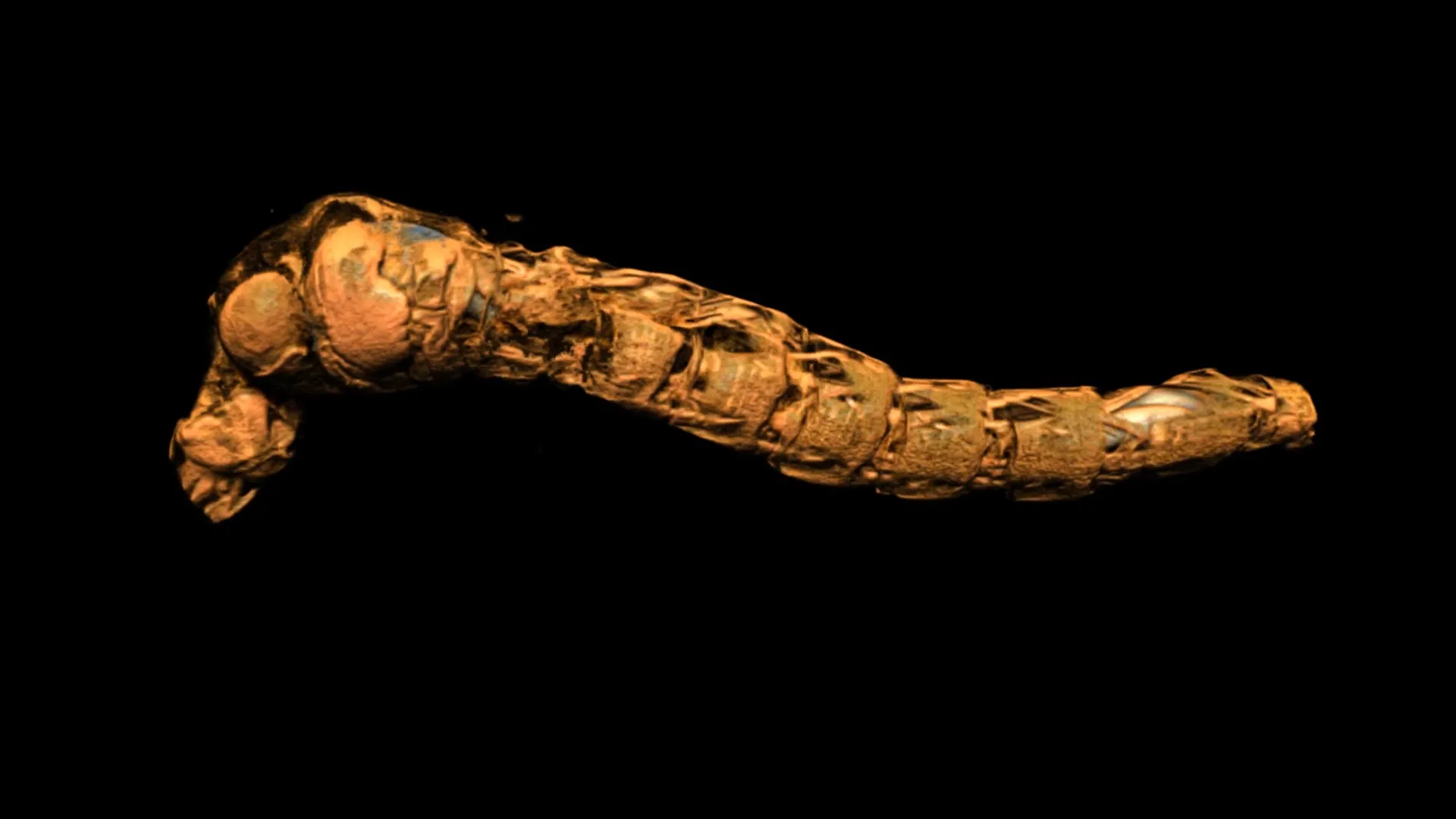
Paleontologists are increasingly revisiting historical collection drawers in museum archives worldwide, applying micro-CT scanning and non-destructive imaging to uncatalogued bonebeds. It remains entirely possible that highly fragmented, previously misidentified remains of exceptionally small or basal dinosaur morphs are waiting to be properly classified, potentially revealing rare transitional taxa that probed the lower boundaries of the size limit.
Ultimately, by confronting the spaces where dinosaurs did not go, science gains a much more nuanced appreciation for the complex web of interactions that shaped life on Earth. The absence of tiny dinosaurs is not merely a gap in our data; it is a profound testament to the competitive vitality of the Mesozoic world—a world where the ecological chess match between mammals and dinosaurs ultimately set the dimensional boundaries for the rulers of deep time.