









Executive Overview
For generations, the cultural and medical narrative surrounding weight management has been anchored in a simplistic, moralistic equation: eat less, move more. Individuals struggling with obesity have long been subjected to societal stigma, routinely blamed for a supposed lack of discipline, moral fortitude, or willpower. However, a sweeping revolution in modern metabolic science and neurobiology has decisively shattered this outdated paradigm.
Cutting-edge research reveals that weight regulation is not merely a behavioral choice, but a complex biological imperative. Our bodies are governed by ancient evolutionary mechanisms designed to prevent starvation—mechanisms that actively fight against weight loss and fiercely defend higher body weights once they are established. When an individual attempts to diet, the human brain perceives this restriction as a life-threatening crisis, triggering a cascade of survival adaptations: hunger hormones surge, intense food cravings take over, and overall energy expenditure plummets.
Simultaneously, recent neurobiological studies demonstrate that the brain possesses a powerful weight-memory mechanism. Once an individual has maintained a higher body weight—even temporarily—the brain treats that elevated mass as a new baseline or "set point," fiercely defending it against future reductions. This biological reality explains why nearly 95% of traditional weight-loss attempts end in weight regain.
As pharmacological breakthroughs like GLP-1 receptor agonists (such as Wegovy and Mounjaro) alter the treatment landscape, and as researchers uncover the critical windows of early-life development, society is finally beginning to reframe obesity. It is no longer viewed as an individual failure of character, but rather as a chronic, complex biological condition shaped by the intersection of genetics, neuroscience, and the modern obesogenic environment. Moving forward requires a paradigm shift: abandoning crash diets in favor of sustainable, health-promoting habits, while deploying a whole-society approach to address the root causes of metabolic disease for future generations.
Detailed Chronology: From Ancient Survival to Modern Metabolic Mismatch
To truly understand why modern weight loss is so profoundly difficult, we must look backward across evolutionary history—tracing a timeline from the ancient savannas of our prehistoric ancestors to the hyper-abundant, sedentary landscapes of the twenty-first century.
The Evolutionary Imperative (Prehistoric Era to Industrial Revolution)
For hundreds of thousands of years, early human survival was precarious. Food was scarce, unpredictable, and earned only through intense physical exertion. In this environment, body fat was not a cosmetic concern; it was a literal biological lifeline.
- The Starvation Threat: Too little body fat meant certain death during famine or harsh winters.
- The Energy Reserve: Conversely, excessive fat could slow an individual down, making them vulnerable to predators.
Evolution therefore selected for a deeply sophisticated, highly efficient energy-storage system. The human brain and endocrine system evolved powerful biological defenses to guard these energy reserves fiercely. When food was plentiful, ancestors gorged and stored fat efficiently; when food was scarce, metabolic rates dropped to conserve life. For millennia, these mechanisms were perfectly calibrated to keep humans alive through cycles of feast and famine.
The Great Mismatch (Late 20th Century to Present)
The biological systems that kept our ancestors alive have now created a profound metabolic mismatch in the modern world. Over the past several decades, human societies industrialized rapidly, transforming the global food supply and daily lifestyle structures.
- Ubiquitous Calories: High-calorie, hyper-palented, nutrient-poor foods became cheap, heavily marketed, and globally accessible around the clock.
- Sedentary Living: Modern occupations, mechanized transportation, and digital entertainment transformed daily existence from physically demanding to profoundly sedentary.
As a result, the very biological systems that once ensured survival now actively conspire against us. The brain still operates under the evolutionary assumption that food scarcity is just around the corner, misinterpreting voluntary weight loss as a catastrophic threat to survival.
Supporting Context & Metrics: Decoding the Biology of Weight Defending
When an individual embarks on a weight-loss journey, the body initiates a coordinated, multi-system counter-offensive. Understanding the specific physiological shifts involved helps demystify why sustained weight loss remains one of the most formidable challenges in modern medicine.
1. The Hormonal Counter-Attack
As fat mass decreases, fat cells (adipocytes) release lower amounts of leptin, the hormone responsible for signaling satiety to the brain. Simultaneously, levels of ghrelin—the primary hunger hormone—surge. This biochemical shift creates an unrelenting, biological drive to eat, making psychological restraint feel like an uphill battle against raw physiology.
2. Metabolic Slowdown (Adaptive Thermogenesis)
Beyond increased hunger, the body responds to weight loss by aggressively lowering its energy expenditure. Known as adaptive thermogenesis, this process means that a body operating at a lower weight burns significantly fewer calories than a naturally lean body of the same size. Consequently, individuals must perpetually consume fewer calories just to maintain their reduced weight, locking them into a grueling physiological stalemate.
3. The Brain’s Weight Memory
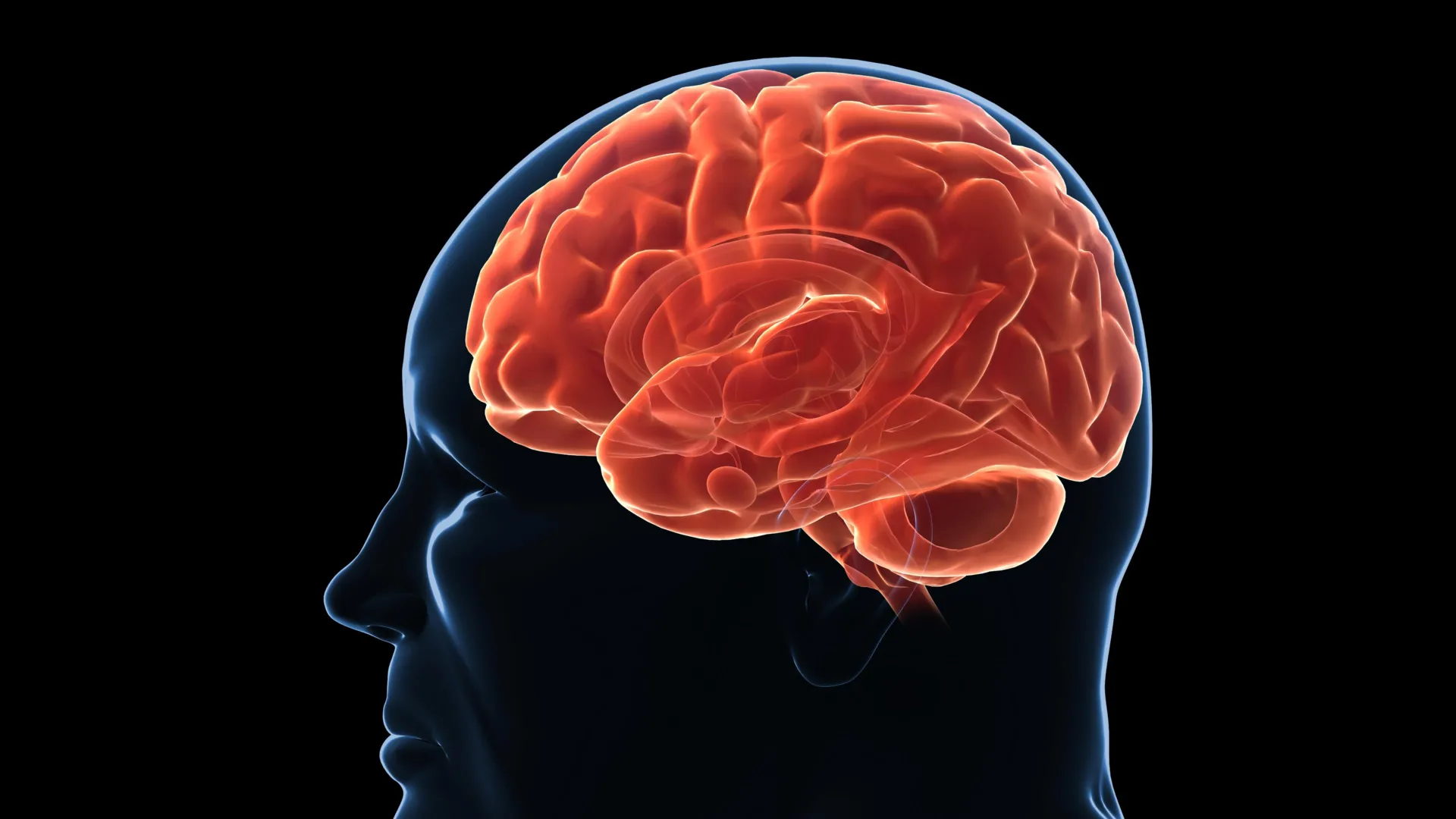
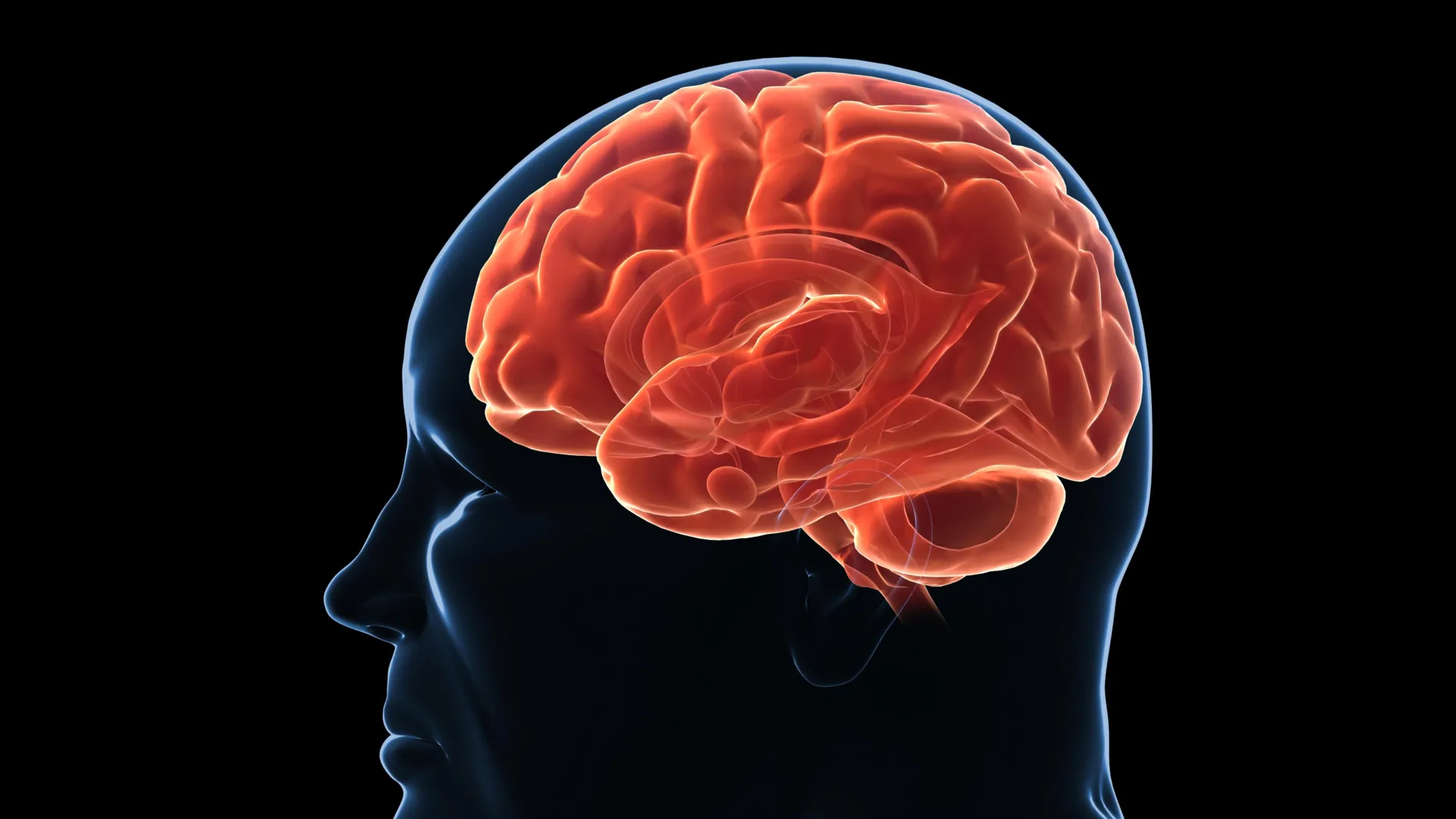
Recent breakthroughs in neuroscience published in leading journals reveal that the brain "remembers" peak body weight. Specialized neuronal circuits in the hypothalamus encode previous weight levels. Once an individual reaches a higher weight—whether due to stress, medication, pregnancy, or lifestyle—the brain establishes that higher mass as the new physiological standard. If weight is subsequently lost, these neural circuits trigger compensatory behaviors and metabolic slowdowns to force the body back to its remembered "set point."
4. Health vs. Scale Weight
An increasingly critical metric in modern metabolic science is the clear decoupling of "good health" from "a good weight." Landmark clinical data shows that individuals can drastically improve their cardiovascular fitness, insulin sensitivity, and metabolic health through regular physical activity, balanced nutrition, stress management, and restorative sleep—even if the numerical reading on the bathroom scale remains unchanged. Health is systemic and functional, not strictly gravitational.
Official Statements & Expert Perspectives
The medical and scientific communities have undergone a profound consensus shift regarding the nature of obesity. Leading institutions, researchers, and public health advocates are increasingly vocal about the necessity of redefining how society approaches the condition.
"For decades, society has blamed individuals for carrying excess weight, framing it purely as a failure of discipline. The science tells an entirely different story. Our brains and hormones are hardwired to defend our energy reserves. When we diet, our biology fights back with the full force of evolution."
— Leading Metabolic Researchers in Contemporary Neurobiology
Experts emphasize that the introduction of advanced pharmacological treatments—such as GLP-1 receptor agonists like Wegovy and Mounjaro—represents a monumental turning point. By mimicking natural gut hormones that signal fullness to the brain, these medications effectively quiet the biological "noise" of constant hunger.
However, medical authorities urge caution against viewing these drugs as a universal silver bullet. Clinical observations note that while these medications offer revolutionary assistance, they are not universally effective; a subset of patients experiences minimal weight loss, while others face adverse side effects (ranging from gastrointestinal distress to dental complications) that preclude long-term use. Furthermore, clinical trials consistently demonstrate that when medication is discontinued, underlying biology reasserts itself, and weight often returns—reinforcing the understanding that obesity is a chronic condition requiring sustained management, much like hypertension or type 2 diabetes.
Public health officials also stress that individual medical interventions must be matched by systemic policy reforms. Because the obesogenic environment actively drives metabolic disease, experts advocate for a whole-society approach. This includes:
- Restricting predatory junk-food marketing directed at children.
- Subsidizing and improving the nutritional quality of school meal programs.
- Mandating transparent, standardized portion sizing in restaurants.
- Designing urban infrastructure that prioritizes pedestrian walkability and active transit over car dependency.
Future Outlook: Therapeutics, Prevention, and Changing the Rules of the Game
Looking toward the horizon, the future of metabolic health and obesity management is being shaped by pioneering research across molecular biology, early-life intervention, and next-generation pharmacology.
Next-Generation Therapeutics
Pharmaceutical research is already moving beyond current GLP-1 treatments. Future therapies aim to selectively turn down or reprogram the neural circuits that dictate the brain’s weight set point. The ultimate goal of these advanced treatments is to recalibrate the brain’s memory of body weight, allowing individuals to maintain weight loss even after a course of treatment has concluded.
The Critical Early-Life Window
Scientists are placing unprecedented focus on the earliest stages of human development—from gestation up to approximately age seven. During this critical developmental window, a child’s weight-regulation and metabolic systems are exceptionally malleable. Research indicates that maternal nutrition, infant feeding practices, and early childhood lifestyle habits permanently imprint upon the developing hypothalamus, shaping appetite control and fat storage tendencies for decades to come. Understanding these epigenetic and developmental markers opens the door for powerful, primary-prevention strategies implemented before metabolic pathways are fixed.
Sustainable Individual Habits
For individuals currently navigating weight management, the modern scientific consensus offers both validation and practical guidance. Rather than subjecting the body to cyclical, punishing crash diets that activate biological defense mechanisms, individuals are encouraged to focus on sustainable, long-term lifestyle integrations:
- Prioritizing Sleep: Clinical studies confirm that sleep deprivation disrupts appetite-regulating hormones (elevating ghrelin and suppressing leptin), directly increasing cravings for calorie-dense foods.
- Integrating Movement: Engaging in regular, enjoyable physical activity—such as daily walking—improves insulin sensitivity, lowers blood sugar, and protects cardiovascular health independently of weight loss.
- Fostering Mental Well-being: Mitigating chronic stress reduces cortisol levels, which are intimately tied to visceral fat accumulation and emotional eating.
Conclusion: A New Era of Compassion and Science
Ultimately, the modern scientific consensus liberates individuals from the paralyzing cycle of self-blame. Obesity is not a personal failure; it is a complex, chronic biological condition born from the collision of ancient survival genetics and the modern, hyper-abundant environment.
As neuroscience deepens our understanding of the brain as a formidable opponent, and as pharmacology and public policy evolve to match the reality of human biology, we are finally rewriting the rules of the game. For anyone who has struggled for years to lose weight and keep it off, the message from modern science is clear, authoritative, and profoundly validating: You are not alone, and it is not your fault.