









Executive Overview
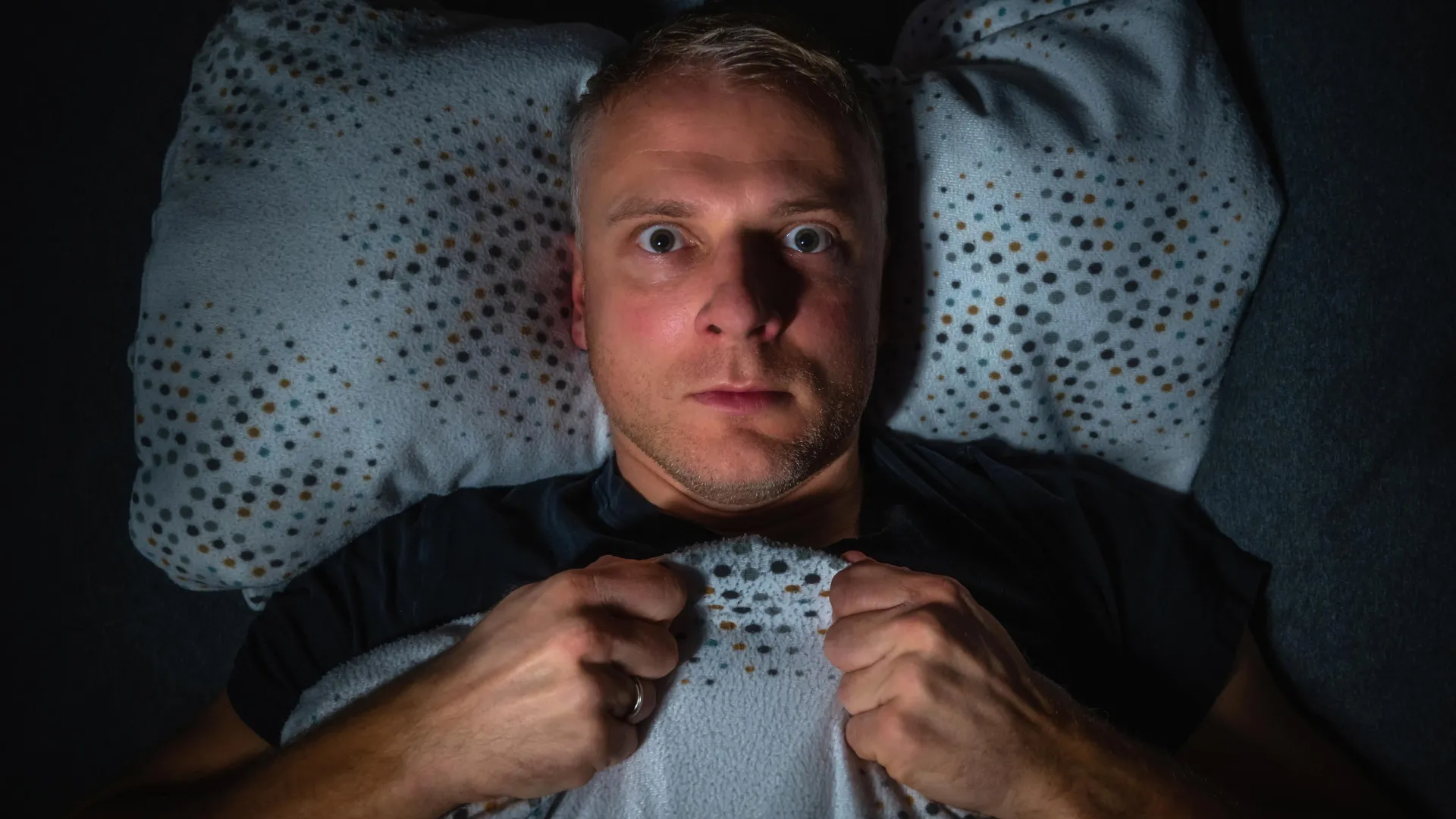
Post-traumatic stress disorder (PTSD) remains one of the most complex, treatment-resistant mental health conditions managed by modern medicine. Triggered by harrowing life events such as severe accidents, military combat, natural disasters, or interpersonal violence, PTSD often rewires how the brain processes fear, safety, and memory. Among its most debilitating and psychologically taxing symptoms are trauma-related nightmares. These nocturnal visitations are far more than ordinary bad dreams; they are visceral, terrifying replays of past trauma that trap sufferers in an endless loop of fear. During sleep, individuals with PTSD are frequently thrust back into the exact moments of their greatest vulnerability, waking up drenched in sweat, gripped by panic, and deeply reluctant to return to bed.
The consequences of this chronic sleep deprivation ripple across every facet of a patient’s waking life, fueling anxiety, exacerbating daytime PTSD symptoms, and eroding overall quality of life. For decades, clinicians have struggled to find effective pharmaceutical interventions. While standard antidepressants and blood-pressure-lowering medications are frequently prescribed off-label to manage overall PTSD symptomatology, they offer notoriously limited relief for trauma-induced nightmares. Until recently, therapeutic options remained frustratingly sparse, leaving many patients trapped in a cycle of sleeplessness and despair.
However, a groundbreaking clinical study led by researchers at Charité – Universitätsmedizin Berlin has illuminated a potential new path forward. Published in the prestigious journal Nature Medicine, the landmark trial investigated whether a prescription medication containing Dronabinol—a pure form of tetrahydrocannabinol (THC), the primary psychoactive compound found in cannabis—could safely and effectively reduce PTSD-related nightmares. Utilizing a rigorous double-blind, placebo-controlled methodology involving more than 170 participants, the research team discovered that THC treatment significantly outperformed a placebo. More than half of the patients receiving the active medication experienced a meaningful clinical response, and astonishingly, more than one-third reported that their nightmares vanished entirely.
This comprehensive investigative report examines the neurological mechanisms behind trauma-induced nightmares, explores the meticulous design and execution of the Charité trial, analyzes the clinical metrics and side-effect profiles, and considers what this medical breakthrough means for the future of PTSD therapeutics worldwide.
Detailed Chronology: Unraveling the Science of Trauma and Cannabis
To understand why THC represents such a promising intervention, one must first trace the chronological evolution of how modern psychiatry understands trauma processing, coupled with the shifting legal and scientific landscape surrounding cannabis-based medicines in Europe.
The Neurological Maze of PTSD Nightmares
For centuries, the night was viewed simply as a passive period of rest—a time for the body to repair itself while the mind went dark. Modern neuroscience, however, has revealed that sleep is an intensely active state, particularly during Rapid Eye Movement (REM) sleep. It is during REM sleep that the human brain processes emotional experiences, consolidates declarative memories, and recalibrates emotional reactivity.
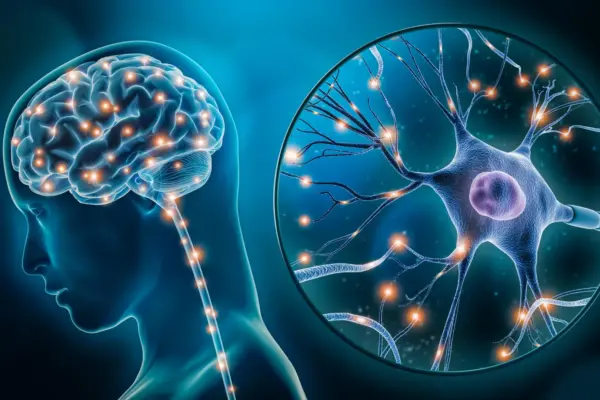
For individuals suffering from PTSD, this delicate neurological machinery is severely disrupted. The hippocampus, amygdala, and prefrontal cortex—regions responsible for contextualizing fear, regulating emotional responses, and distinguishing past danger from present safety—fail to communicate effectively. Consequently, traumatic memories are stored in fragmented, hyper-vivid forms. They bypass normal conscious control mechanisms, erupting involuntarily during waking hours as flashbacks and during sleep as vivid, terrifying nightmares.
Conventional pharmacological treatments have historically fallen short here. While selective serotonin reuptake inhibitors (SSRIs) can modulate daytime mood and anxiety, they rarely touch the localized neurochemistry driving nocturnal trauma replay. Recognizing this therapeutic gap, Prof. Stefan Röpke and his investigative team at the Department of Psychiatry and Neurosciences on the Benjamin Franklin Campus of Charité turned their attention toward an overlooked biological pathway: the human endocannabinoid system (ECS).
The Endocannabinoid Connection
Discovered in the late 20th century while researchers were studying the effects of cannabis on the human body, the endocannabinoid system is a vast signaling network that plays a critical role in maintaining physiological balance, or homeostasis. The ECS regulates a wide array of functions, including appetite, pain sensation, mood, immune response, and crucially, sleep architecture and emotional memory processing.
The ECS features naturally occurring endocannabinoids and specialized receptors (primarily CB1 and CB2) distributed densely throughout the brain regions governing fear and emotional regulation. Prof. Röpke and his colleagues hypothesized that introducing an exogenous cannabinoid like THC could interact directly with this system to dampen the overactive stress responses occurring in the brain during sleep.
"There is evidence suggesting that during REM sleep—the intense dream phases in which the brain processes experiences and regulates emotions—THC reduces dream activity and thereby alleviates nocturnal stress responses," explains Prof. Stefan Röpke, lead investigator of the study.
The Regulatory Evolution in Germany
The execution of this clinical trial did not happen in a vacuum; it was facilitated by significant legislative shifts in Germany. Historically, cannabis and its derivatives faced stringent regulatory barriers that severely limited clinical research. However, following the implementation of the landmark "Cannabis for Medical Purposes" law in 2017, the legal framework transformed dramatically.
This legislation opened the floodgates for expanded medical and scientific exploration of plant-derived and synthetic cannabinoids. It established clear pathways for patients to access prescription cannabinoid therapies—primarily for chronic pain when standard treatments proved inadequate. Capitalizing on this progressive regulatory environment, Charité initiated a multi-center collaboration to test whether these same compounds could be harnessed to conquer one of psychiatry’s most stubborn challenges: PTSD nightmares.
Supporting Context & Metrics: Inside the Clinical Trial
To establish definitive proof rather than anecdotal optimism, the research team designed what is widely considered the gold standard in pharmacological research: a randomized, double-blind, placebo-controlled trial.
Trial Methodology and Demographics
The study enrolled more than 170 patients diagnosed with post-traumatic stress disorder who suffered from frequent, severe, and debilitating nightmares. Participants were randomly assigned to receive one of two treatments over a ten-week period:
- The Active Treatment Group: Administered oral drops of Dronabinol, a prescription medication containing pure THC derived from the cannabis plant.
- The Control Group: Administered an identical cannabis-flavored placebo liquid, ensuring that neither patients nor medical staff knew who was receiving the active drug.
Participants took their assigned drops each evening before retiring to bed. Throughout the ten-week duration, researchers tracked nightmare frequency, severity, overall PTSD symptoms, sleep quality, and potential adverse events.
Quantifying the Relief: The Data
At the conclusion of the ten-week trial period, the data revealed a stark and statistically significant divergence between the Dronabinol group and the placebo cohort.
Nightmare severity was measured using a standardized clinical scale ranging from zero to eight:
- The Dronabinol Cohort: Experienced an average drop in nightmare burden of 3.7 points on the scale.
- The Placebo Cohort: Experienced an average decrease of 2.2 points, largely attributable to the well-documented placebo effect common in psychiatric trials.
While the numerical difference of 1.5 points might appear modest on paper, its translation in the lived experience of patients was profound.
"More than a third of the patients treated with Dronabinol reported that they no longer experienced any nightmares after ten weeks. Another 21 percent reported that their nightmare burden had been at least halved," notes Prof. Röpke. Furthermore, an overwhelming majority—about five out of every six patients in the Dronabinol group—reported a marked, qualitative improvement in their overall health and well-being.
Safety, Side Effects, and Specificity
One of the most critical concerns surrounding cannabinoid therapies is the potential for psychoactive side effects, cognitive impairment, or chemical dependence. The trial’s findings on safety were remarkably reassuring:
- Targeted Efficacy: Interestingly, the cannabinoid acted specifically on nightmares and sleep architecture rather than sweeping away all symptoms of PTSD. The researchers could not definitively prove that Dronabinol reduced the overarching severity of daytime PTSD symptoms or accompanying clinical depression. However, by neutralizing the nocturnal terror that ruined patients’ sleep, the drug broke the exhaustion cycle, providing vital indirect relief.
- Adverse Event Profile: No severe, life-threatening, or unexpected adverse events were reported. Mild to moderate side effects—such as transient dizziness, mild headaches, and increased appetite—occurred more frequently in the Dronabinol group than in the placebo group, but these were generally well-tolerated by participants.
- Zero Dependence Risk: Crucially, when participants abruptly stopped taking their evening doses at the conclusion of the ten-week study, researchers observed no withdrawal symptoms, alleviating long-standing fears regarding chemical dependence or addiction associated with cannabinoid therapies.
Official Statements and Institutional Collaboration
The success of this trial is a testament to rigorous institutional cooperation across Germany. The initiative was spearheaded and led by Charité – Universitätsmedizin Berlin, but it relied heavily on a synergistic network of elite research institutions.
Key partners in the multi-center study included:
- The Psychiatric University Clinic of Charité at St. Hedwig Hospital
- The University Medical Center Hamburg-Eppendorf (UKE)
- The Central Institute for Mental Health (CIMH) in Mannheim
Financial and logistical support for the work was provided in part by the pharmaceutical company Bionorica SE, ensuring that the clinical trial met the highest standards of pharmacological safety and manufacturing consistency.
Speaking on the broader implications of the findings, the research consortium emphasized that this study bridges a critical gap in trauma psychiatry. For decades, physicians have relied on off-label prescriptions of blood pressure medications like prazosin—which yields mixed results—or sedating antidepressants that often carry heavy metabolic and cognitive side effects. By introducing a targeted neurochemical tool that works in concert with the human endocannabinoid system, psychiatry has taken a major stride toward precision medicine in trauma care.
Future Outlook: The Road Ahead for Cannabinoid Therapeutics
While the results published in Nature Medicine represent a monumental leap forward, the scientific community emphasizes that this is merely the opening chapter of a larger investigative journey.
Upcoming Research Objectives
As the medical community digests these findings, researchers are already mapping out the next phases of clinical inquiry:
- Long-Term Safety and Efficacy: The current trial evaluated patients over a ten-week window. Future studies must determine whether Dronabinol maintains its high efficacy profile when administered over periods of six months, a year, or longer.
- Tolerance and Adaptation: A common challenge with chronic pharmacotherapy is the development of pharmacological tolerance, wherein the body adapts to a substance, requiring higher doses to achieve the same therapeutic effect. Researchers must establish whether patients develop tolerance to THC over extended treatment durations.
- Broadening the Patient Demographic: The trial focused primarily on individuals with established PTSD and severe nightmares. Subsequent research will likely explore whether similar cannabinoid protocols can benefit other populations suffering from treatment-resistant nightmares, such as veterans with combat trauma, survivors of natural disasters, or individuals dealing with complex PTSD stemming from childhood abuse.
- Standardized Pharmaceutical Formulations: As regulatory frameworks continue to evolve across Europe and globally, the demand for standardized, pharmaceutical-grade cannabinoid medications will surge. Trials like the one conducted at Charité provide the robust, evidence-based data required by regulatory bodies like the European Medicines Agency (EMA) and national health authorities to approve specific cannabinoid drugs for official psychiatric indications.
Conclusion: Reclaiming the Night
For millions of trauma survivors worldwide, the onset of evening brings a quiet dread—not of the dark, but of what happens when they close their eyes. The inability to sleep safely steals their energy, clouds their minds, and impedes their recovery.
The pioneering work led by Prof. Stefan Röpke and his colleagues at Charité – Universitätsmedizin Berlin offers a beacon of tangible hope. By proving that targeted THC administration can safely, significantly, and in many cases completely eliminate trauma-related nightmares, this research has transformed our understanding of the endocannabinoid system’s therapeutic potential. As clinical trials progress and regulatory landscapes adapt, the prospect of peaceful, undisturbed sleep is finally coming back within reach for those who need it most.