







Executive Overview
Tuberculosis (TB)—an ancient and resilient affliction that has shadowed human history for over six millennia—continues to impose a staggering global health burden. Despite decades of advances in modern medicine, it remains one of the world’s most lethal infectious diseases, outstripping nearly all other single pathogens in mortality. Driven by the emergence of drug-resistant strains and the immense physiological challenge of treating latent reservoirs, traditional antibiotic regimens are increasingly strained. Long, arduous treatment courses often test patient compliance, leading to incomplete therapies, recurrent infections, and the persistent spread of resistant bacilli.
In a pivotal development that could reshape the future of infectious disease management, an interdisciplinary team of researchers at Johns Hopkins Medicine and the Johns Hopkins Bloomberg School of Public Health has engineered an experimental, nose-delivered therapeutic DNA vaccine. Published in the Journal of Clinical Investigation, this novel immunotherapy is specifically designed to work in tandem with conventional antibiotic therapies. Its primary objective is formidable yet clear: to target and destroy drug-tolerant TB bacteria known as "persisters." These elusive microbes possess the chilling ability to withstand lengthy courses of antimicrobial drugs, remaining dormant in the host tissue only to reactivate later and trigger a devastating disease relapse.
By combining an innovative genetic fusion design with targeted mucosal delivery, the Johns Hopkins team has demonstrated in preclinical animal models that immunotherapy can drastically accelerate bacterial clearance, mitigate severe lung inflammation, and prevent relapse. Furthermore, the vaccine has been shown to enhance the efficacy of powerful multidrug combinations, including cutting-edge regimens designed to combat drug-resistant TB. While human clinical trials remain on the horizon, the successful transition of the vaccine through murine models and into nonhuman primates marks a monumental stride forward in the global fight to conquer tuberculosis.
Detailed Chronology and Scientific Mechanism
To understand the magnitude of the Johns Hopkins breakthrough, one must examine the precise biological hurdles that have historically stymied tuberculosis treatment. The development of this experimental therapeutic vaccine is the culmination of years of meticulous research into host-pathogen interactions, microbial persistence, and mucosal immunology.
The Problem of the "Persister"
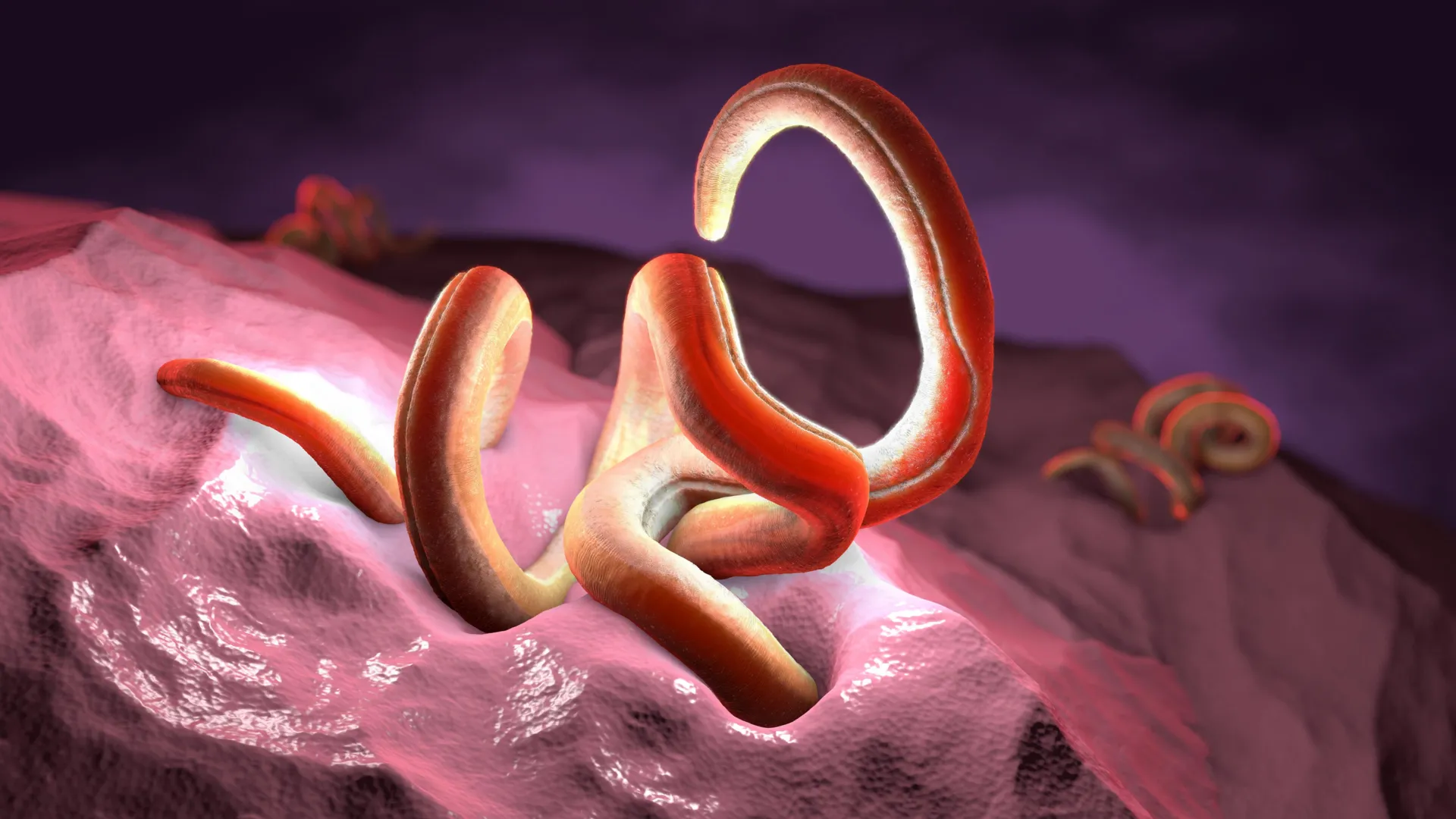
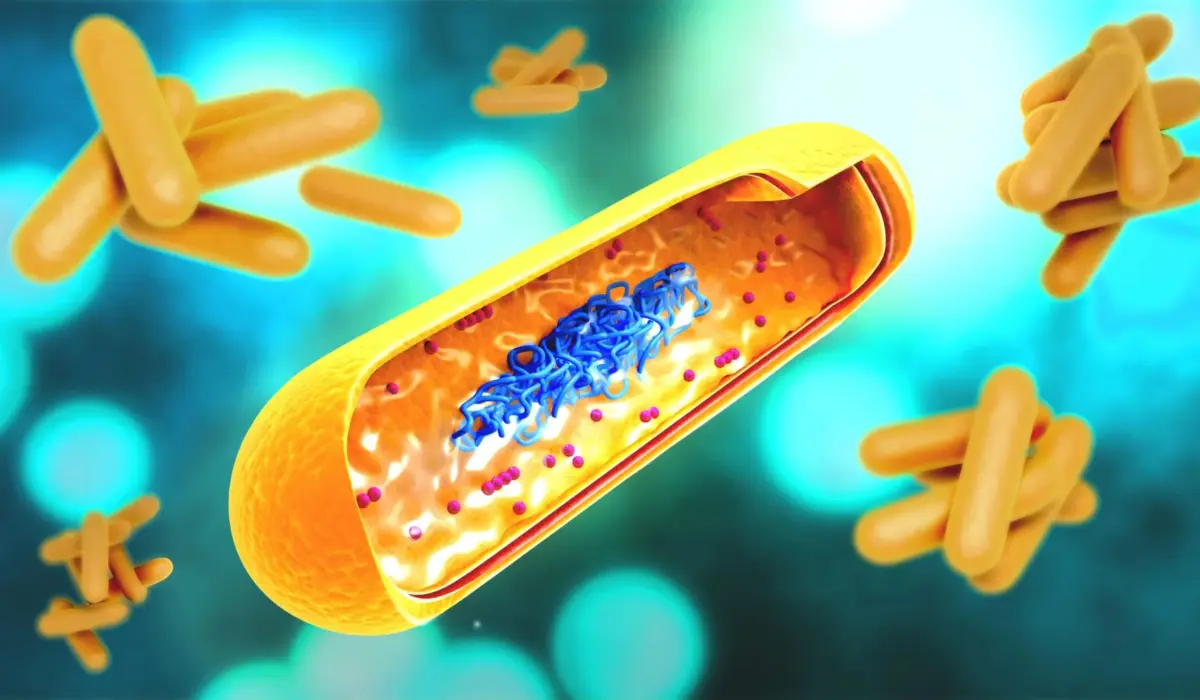
When a person is infected with Mycobacterium tuberculosis, standard antibiotic therapy typically targets actively replicating bacteria. However, a subpopulation of these pathogens enters a distinct physiological state of dormancy or slow growth. Facing hostile microenvironments characterized by hypoxia (low oxygen), nutrient starvation, and intense antibiotic pressure, these microbes shift gears to survive.
These drug-tolerant variants are known as "persisters." They can linger indefinitely within human tissue, shielded from the bactericidal effects of traditional drugs. When antibiotic therapy ceases, these dormant survivors can reawaken, causing a disease relapse that forces patients to undergo secondary, often more toxic and protracted, treatment cycles.
Engineering the Vaccine: The relMtb and Mip3α Fusion
Led by Dr. Styliani Karanika, assistant professor of medicine at the Johns Hopkins University School of Medicine and a faculty member of the Johns Hopkins Center for Tuberculosis Research, the research team designed a therapeutic DNA vaccine to strip persisters of their survival advantages.
The vaccine’s molecular architecture centers on the clever fusion of two critical genes:
- The relMtb Gene: Mycobacterium tuberculosis utilizes this specific gene to produce the RelMtb protein. This protein acts as a master switch, enabling the microbe to adapt to stress, shut down normal metabolic processes, and enter its drug-tolerant persistent state. By incorporating relMtb into the vaccine, the researchers are essentially training the immune system to recognize the very mechanism the bacteria use to hide.
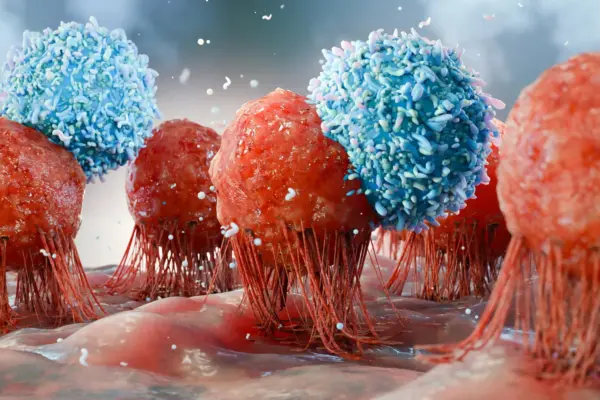
- The Mip3α Gene: To ensure the immune system mounts a robust and targeted response, the relMtb sequence is fused with the Mip3α gene. This combination generates a potent biological signal that actively attracts immature dendritic cells. Dendritic cells are the sentinels of the immune system; they capture foreign proteins (antigens) and "present" them to T cells, which coordinate a precise, aggressive cellular attack against the invading bacteria.
The Power of Intranasal Delivery
Rather than injecting the vaccine intramuscularly, the Johns Hopkins team chose an intranasal route of administration. This strategic decision leverages the natural architecture of the respiratory tract.
Because tuberculosis is an airborne pathogen that initiates infection within the lungs, delivering the DNA vaccine directly through the nose stimulates the respiratory mucosa. This localized approach generates enduring, localized T-cell immunity directly within the airways and lung tissue, while simultaneously provoking a powerful systemic immune response. By fortifying the exact battlefield where the infection takes hold, the vaccine creates an inhospitable environment for both active bacilli and dormant persisters.
Supporting Context & Metrics: The Global Tuberculosis Crisis
The urgency of the Johns Hopkins discovery is underscored by grim epidemiological statistics compiled by the World Health Organization (WHO) and other international health authorities.
The Scale of the Epidemic
- 6,000 Years of Affliction: Tuberculosis has co-existed with humanity for millennia, leaving its genetic signatures in ancient mummies, yet it stubbornly resists eradication.
- Two Billion Latent Carriers: According to the WHO, approximately one-quarter of the global population—roughly 2 billion individuals—harbor latent TB infections. While these individuals are currently asymptomatic and non-infectious, they represent an immense reservoir from which future active cases will inevitably emerge.
- Modern Mortality and Morbidity: In 2024 alone, more than 10 million people developed active, symptomatic tuberculosis. Tragically, 1.2 million individuals lost their lives to the disease, cementing its status as the world’s leading cause of death from a single infectious pathogen, frequently surpassing other high-profile viral and bacterial threats.
The Clinical Impasse and the WHO Mandate
Global health organizations have repeatedly emphasized that traditional therapeutic approaches—relying solely on prolonged courses of antibiotics—are reaching their practical limits. Multidrug regimens can span many months, imposing a heavy pill burden and severe side effects that cause many patients to discontinue treatment prematurely. This non-adherence is a primary driver behind the terrifying global spread of multidrug-resistant (MDR-TB) and extensively drug-resistant (XDR-TB) strains.
To break this cycle, the WHO has issued urgent calls for the development of novel therapeutic vaccines. Unlike prophylactic vaccines (which are designed to prevent uninfected individuals from contracting a disease), therapeutic vaccines are administered after infection has occurred. Their goal is to supercharge the patient’s existing immune response, allowing clinicians to shorten lengthy drug regimens, improve patient compliance, clear persistent bacteria, and dramatically reduce relapse rates. The Johns Hopkins nasal DNA vaccine represents a direct, scientifically rigorous answer to this global mandate.
Official Statements and Empirical Findings
The published findings in the Journal of Clinical Investigation outline a series of robust preclinical experiments conducted across murine models and nonhuman primates, yielding highly promising data.
Insights from the Lead Investigators
Dr. Styliani Karanika, the study’s lead author, highlighted the transformative potential of combining immunotherapy with modern pharmacological treatments:
"Administered together with first-line TB drug therapy, our intranasal DNA fusion vaccine helped infected mice clear the disease bacteria faster, reduced lung inflammation and prevented relapse after treatment ended," stated Karanika.
Furthermore, Karanika emphasized the vaccine’s compatibility with advanced antibiotic cocktails:
"The vaccine also helped the powerful TB drug combination of bedaquiline, pretomanid and linezolid work better, suggesting it could be used with treatments against drug-resistant TB to help the body fight the disease, even hard-to-treat cases."
Animal Study Results: Mice and Macaques
In rigorous laboratory evaluations using infected mouse models, the Mip3α/relMtb vaccine delivered profound immunological results:
- Enhanced Cellular Recruitment: The vaccine significantly increased the recruitment and activation of dendritic cells within infected tissues.
- Improved Tissue Architecture: It promoted better structural organization of dendritic cells and T cells within granulomas and lung tissue, optimizing the immune system’s spatial coordination against the pathogen.
- Durable Antigen-Specific Responses: The treatment generated durable, antigen-stimulated T-cell responses from both CD4 (helper) and CD8 (killer) T cells, operating effectively at both local (lung) and systemic levels.
To bridge the gap between rodent models and human physiology, the research team extended their evaluation to rhesus macaques—nonhuman primates whose immune systems share a high degree of homology with humans.
While the primate phase of the study was designed to assess immune activation rather than direct disease challenge, the results were striking. The intranasal DNA vaccine successfully generated measurable, TB-specific immune responses in both the bloodstream and the airways of the macaques. Crucially, these immune activation profiles mirrored those associated with reduced bacterial loads in the lungs of vaccinated mice. Furthermore, these protective immune responses persisted for at least six months, indicating that the vaccine confers long-lasting durability.
Future Outlook and Translation to Human Clinical Trials
While the preclinical data generated by the Johns Hopkins team provide a powerful proof of concept, the road to clinical availability requires careful, methodical progression.
Dr. Karanika noted that additional research, safety profiling, and secondary preclinical milestones must be achieved before the vaccine can formally advance to human clinical trials. However, the nonhuman primate data serve as an essential "translational bridge." By demonstrating that the Mip3α/relMtb vaccine can provoke durable, antigen-specific immune responses in a primate model, the researchers have crossed a major hurdle in preclinical vaccine development.
Practical Advantages of DNA Vaccine Technology
Beyond its immunological performance, the platform utilized by the Johns Hopkins researchers offers distinct logistical and economic advantages. DNA vaccines are inherently stable compared to live-attenuated viral or bacterial vaccines, potentially easing cold-chain storage and distribution challenges in resource-limited regions where tuberculosis is most prevalent. Moreover, they can be manufactured efficiently and at scale, raising hopes that if human clinical trials prove successful, the therapy could eventually be deployed globally at an accessible cost.
Collaborative Scope and Financial Backing
This monumental research effort reflects the power of collaborative, multidisciplinary science. Alongside Dr. Karanika, the Johns Hopkins research team included Tianyin Wang, Addis Yilma, Jennie Ruelas Castillo, James Gordy, Hannah Bailey, Darla Quijada, Kaitlyn Fessler, Rokeya Tasneen, Elisa M. Rouse Salcido, Farah Shamma, Harley Harris, Fengyixin Chen, Rowan Bates, Heemee Ton, Jacob Meza, Yangchen Li, Alannah Taylor, Jean Zheng, Jiaqi Zhang, Theodoros Karantanos, Amanda Maxwell, Eric Nuermberger, J. David Peske, Richard Markham, and Petros Karakousis.
The study’s extensive scope was made possible by robust financial support from federal and philanthropic institutions. Primary federal funding was secured through grants from the National Institutes of Health (NIH), including awards R01AI148710, K24AI143447, P30AI18436, K08AI174959, and P30CA006973.
Additional backing came from a diverse coalition of supporters, including a Gilead HIV Research Scholar Award, a Johns Hopkins University Tuberculosis Research Advancement Center Developmental Award, a Center for HIV/AIDS Developmental Award from the Johns Hopkins University Center for AIDS Research, a Willowcraft Foundation Award, a Johns Hopkins University Clinician Scientist Award, and the Potts Memorial Foundation.
In recognition of their innovative work, researchers Styliani Karanika, James Gordy, Richard Markham, and Petros Karakousis are listed as inventors on patent application PCT/US2023/065584, covering the Mip3α/relMtb vaccine technology. The authors reported no commercial conflicts of interest.
Conclusion
As the global medical community grapples with the relentless evolution of drug-resistant pathogens, the development of the Johns Hopkins intranasal DNA vaccine signals a paradigm shift in tuberculosis management. By shifting the clinical focus from simply killing active bacteria with increasingly strained antibiotics to actively engaging the host immune system to eliminate stubborn persisters, this research opens a promising new frontier. If successfully translated into human therapies, this innovative mucosal vaccine could soon offer millions of patients a faster, more effective path to a permanent cure, bringing humanity closer to finally lifting the six-millennia-old shadow of tuberculosis.