







Executive Overview
For over four decades, the global medical community has grappled with the relentless spread of the Human Immunodeficiency Virus (HIV). While modern medicine has transformed the infection from an immediate death sentence into a manageable, chronic condition, the reality for millions remains tied to a lifelong regimen of antiretroviral therapy. Access, affordability, and the psychological burden of daily medication continue to present immense barriers to effective long-term disease management on a global scale.
Compounding this crisis is the continuous tragedy of pediatric transmission. Annually, more than 120,000 babies acquire HIV worldwide, entering life with a diagnosis that dictates decades of medical dependency.
However, a groundbreaking study led by researchers at Oregon Health & Science University (OHSU)—published in the peer-reviewed journal Nature Microbiology—has unveiled a transformative scientific paradigm. By administering a precise combination of three distinct therapies to newborns within 72 hours of birth, researchers successfully and permanently eliminated the virus in nonhuman primate models. This innovative multi-pronged intervention offers the tantalizing prospect of a functional or total cure, bypassing the need for lifelong medical adherence.
The implications of this discovery are monumental. Because the individual components of this therapeutic cocktail are either already FDA-approved or currently undergoing late-stage human clinical trials, the research team believes the pathway to human clinical evaluation could be remarkably swift. If successfully translated to humans, this protocol could fundamentally rewrite the playbook for pediatric HIV treatment, potentially shielding vulnerable newborns from a lifetime of infection and offering a new framework for treating newly exposed adults.
Detailed Chronology of the Discovery
The genesis of this scientific breakthrough lies in the convergence of disparate immunological strategies and a willingness to challenge established paradigms in virology. For years, individual therapies had been tested independently in the ongoing war against HIV, yet none had proven capable of eradicating the virus from an infected host entirely.
The Evolution of the Three-Part Regimen
The study, conducted collaboratively across the Oregon and California national primate research centers, evaluated a synergistic combination of three distinct therapeutic interventions:
- Standard Antiretroviral Therapy (ART): The traditional backbone of HIV management, designed to suppress viral replication.
- Broadly Neutralizing Antibodies (bNAbs): Specialized proteins capable of binding to and neutralizing diverse strains of the virus, clearing circulating virions from the bloodstream.
- Leronlimab: An experimental monoclonal antibody specifically engineered to block the CCR5 surface protein on human immune cells, effectively barring the virus from entry.
Initially, co-lead author Jonah Sacha, Ph.D.—a professor and chief of pathobiology and immunology at OHSU’s Oregon National Primate Research Center and Vaccine and Gene Therapy Institute—was skeptical. Having spent years helping develop leronlimab, Sacha doubted that simply combining these agents would yield significantly superior results compared to their individual deployments.
However, his longtime OHSU colleague and co-author, Dr. Nancy Haigwood, maintained a different hypothesis. Haigwood, a distinguished virologist and immunologist who has spent decades studying HIV antibodies, theorized that pairing leronlimab with existing broadly neutralizing antibodies and suppressive drugs could unlock a synergistic mechanism capable of overwhelming the virus during its most vulnerable phase: the immediate post-infection window.
Driven by this insight, the research team tested the combination on nonhuman primates exposed to the simian-human immunodeficiency virus (SHIV). The results exceeded all expectations.
"We were astounded and overjoyed, actually," Haigwood remarked. "It’s a remarkable result."
Rather than merely suppressing the viral load or managing symptoms, the combined regimen completely purged the infection from the subjects’ systems when administered within three days of exposure. The findings suggest that the first days of an HIV infection represent a dynamic, highly vulnerable biological window that, if targeted correctly, can lead to the total eradication of the pathogen.
Supporting Context & Metrics: The Global Scale of HIV
To understand the profound significance of the OHSU study, one must contextualize it within the broader landscape of the global HIV/AIDS epidemic.
The Numbers Behind the Epidemic
- 600,000: The approximate number of human lives claimed by HIV-related illnesses worldwide each year, despite decades of public health interventions and treatment campaigns.
- 120,000+: The staggering number of newborns who acquire HIV annually on a global scale, predominantly in low- and middle-income regions where prevention-of-mother-to-child-transmission (PMTCT) programs face structural and logistical hurdles.
- Lifelong Adherence: For millions living with the virus, survival is currently contingent upon uninterrupted access to medications. Interruptions in supply chains, economic instability, or healthcare disruptions can quickly lead to viral rebound and drug resistance.
The Mechanics of the Intervention: Fueling the Fire Analogy
To demystify how the three therapies achieve such an unprecedented outcome, the OHSU research team developed intuitive biological analogies. While scientists are still mapping the precise molecular pathways that make this combination so overwhelmingly powerful, the functional division of labor among the three therapies is clear:
- Turning off the faucet (Antiretroviral Therapy): ART does not eliminate HIV particles outright, but it severely curtails the virus’s ability to replicate, slowing the rate of infection within the host organism.
- Mopping up the spill (Neutralizing Antibodies): Broadly neutralizing antibodies act as a molecular cleanup crew, corralling circulating viral particles and neutralizing them so that free-floating HIV is drastically reduced in the blood supply.
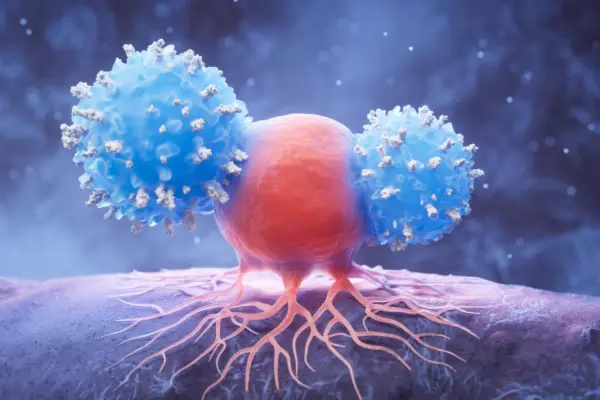
- Sealing off the room (Leronlimab): Leronlimab acts as a sentinel at the gates. By targeting and blocking CCR5—the primary surface protein that HIV exploits to gain entry into immune cells—the monoclonal antibody ensures that any remaining viral particles are locked out of potential host cells.
"For reasons we don’t understand, HIV really wants to use CCR5 receptors to infect cells," Sacha explained. "By blocking access, it’s like you’ve kept fuel away from the fire."
Official Statements and Expert Insights
The publication of these findings in Nature Microbiology has sent ripples of cautious optimism through the global infectious disease research community. Because nonhuman primates and humans share profound physiological, immunological, and anatomical similarities, animal models of this caliber serve as a vital bridge toward human clinical trials.
Dr. Jonah Sacha emphasized the unexpected nature of the discovery, noting that science occasionally yields breakthroughs that shatter preexisting assumptions.
"There was no reason to think this would completely clear the virus," Sacha stated. "It’s one of those things where you test it and, holy cow, it works and you’ve discovered something new."
Dr. Nancy Haigwood underscored the realization that the initial days following infection are far more complex and active than previously understood.
"There’s a lot more going on during the first week of infection than we previously thought," Haigwood noted. "From this experiment, it looks like there’s a dynamic interaction between the virus and antibodies that takes place as the virus begins to spread."
The research team is keen to emphasize that while the findings are revolutionary, they represent an initial milestone. Because antiretroviral therapies are already widely approved for human use, and because broadly neutralizing antibodies and leronlimab are currently navigating separate clinical evaluation tracks, the bureaucratic and logistical hurdles to assembling a combined clinical trial are significantly lower than they would be for entirely novel, untested chemical entities.
Future Outlook: The Path to Human Trials and Beyond
As the scientific community digests the OHSU findings, the immediate question turns to clinical translation. The path forward involves several distinct phases of investigation, designed to test the boundaries, safety, and efficacy of the three-part regimen in human populations.
Immediate Next Steps
- Human Clinical Trials in Adults: Before the treatment can be deployed safely in neonates, researchers plan to evaluate the strategy in adults who have been recently exposed to HIV. This step will establish safety profiles, pharmacokinetic behaviors, and early efficacy signals in human hosts.
- Expanding the Treatment Window: In the initial primate study, the combined regimen was administered exclusively within 72 hours of viral exposure. A critical avenue of ongoing research will be determining how far that window can be stretched.
"We only tested out to three days," Sacha noted, outlining future research goals. "Could it work a week after infection? Two weeks? How far can you go after infection, and still purge the virus?"
Answering these questions will determine whether the therapeutic protocol can be adapted for individuals whose diagnoses occur days or weeks after exposure, thereby scaling the potential demographic of beneficiaries exponentially.
A New Horizon for Global Health
If clinical trials corroborate the findings observed in the primate models, humanity will have taken a monumental step toward dismantling one of modern medicine’s most stubborn viral adversaries. The prospect of replacing a lifetime of medication with a single, highly effective multi-therapy course administered during the first days of life could spare hundreds of thousands of children from chronic illness, radically reduce global transmission rates, and alleviate billions of dollars in long-term healthcare expenditures.
While significant work remains to transition this discovery from the primate research center to the neonatal intensive care unit, the OHSU study has illuminated a viable, empirically supported pathway toward a world where pediatric HIV is no longer a lifelong sentence, but a condition that can be neutralized before it ever takes root.
Funding & Institutional Support
This foundational research was made possible through the generous support and financial stewardship of the National Institutes of Health (NIH), via specific grants distributed across several key institutes:
- Eunice Kennedy Shriver National Institute of Child Health and Human Development (NICHD): Award R01HD080459.
- National Institute of Allergy and Infectious Diseases (NIAID): Awards R01AI154559, R01AI166969, and R01AI129703.
- Office of the Director (OD), NIH: Award K01OD036063.
- Office of Research Infrastructure Programs (ORIP), NIH: Awards P51OD011092 and U42OD010426 (supporting the Oregon National Primate Research Center), and P51OD011107 (supporting the California National Primate Research Center).
Note: The content, findings, and conclusions presented in the study are solely the responsibility of the authors and do not necessarily reflect the official views or policies of the National Institutes of Health.