









Executive Overview
For decades, the fitness community has regarded creatine as a foundational dietary supplement—a reliable, heavily researched staple used by athletes and bodybuilders to increase muscular strength, accelerate recovery, and enhance high-intensity athletic performance. However, groundbreaking new research emerging from the University of California, Los Angeles (UCLA) suggests that this metabolic powerhouse may possess capabilities far beyond muscle building. According to a landmark study published in the peer-reviewed journal iScience, creatine plays a vital, previously unrecognized role in fortifying the human immune system’s ability to mount a sophisticated and aggressive counter-offensive against cancer.
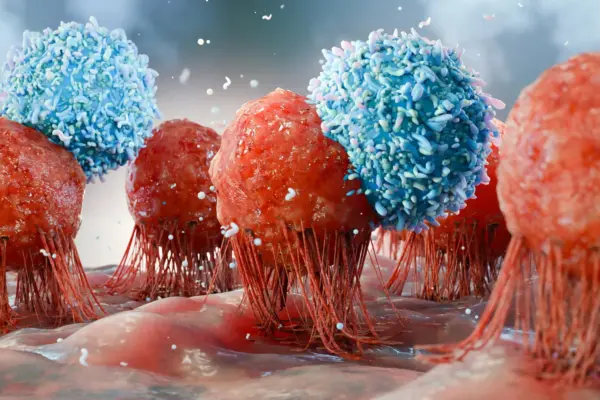
Modern cancer immunotherapy has revolutionized oncology over the past fifteen years, offering a beacon of hope to patients facing once-untreatable malignancies. At the core of many modern immunotherapeutic strategies is the activation of cytotoxic "killer" T cells—specialized white blood cells engineered or stimulated to hunt down and destroy malignant cells. Despite their immense clinical potential, these therapies face a frustrating limitation: only a small fraction of cancer patients—typically between 20% and 40%—experience meaningful, long-term clinical benefits.
The UCLA research team has uncovered a critical missing link in this therapeutic chain. They discovered that creatine does not merely support isolated T cells; it dramatically boosts the activity of dendritic cells. As master regulators and specialized sentinels of the immune system, dendritic cells are tasked with the crucial job of detecting tumors and activating the killer T cells responsible for tumor eradication. By supercharging these coordinating cells, creatine essentially energizes the entire immunological infrastructure, potentially paving the way to make cancer immunotherapy effective for a significantly broader population of patients.
While these preclinical findings—derived from experiments involving murine (mouse) models and in vitro human cells—represent a monumental leap forward in immuno-metabolism, researchers issue a firm cautionary note. The transition from laboratory Petri dishes and animal models to human clinical application requires rigorous, prospective clinical trials. Patients currently undergoing cancer treatment are strongly advised against self-prescribing high-dose creatine regimens without direct consultation with their oncologists. Nevertheless, the implications of this discovery are profound, opening up entirely new avenues for systemic immunotherapy enhancement and the next generation of cancer vaccines.
Detailed Chronology of the Discovery
The journey toward understanding creatine’s unexpected immunological role did not happen overnight; it represents the latest chapter in a multi-year metabolic investigation led by senior author Dr. Lili Yang and her dedicated team at UCLA.
Phase I: The T-Cell Connection (2019)
The groundwork for the current study was laid years prior. In a previous breakthrough originating from the exact same UCLA laboratory, researchers investigated how the energy metabolism of immune cells dictates their anti-tumor efficacy. That foundational study revealed that creatine directly enhances the functional capacity of cancer-fighting T cells, helping them survive and thrive within the notoriously hostile, nutrient-depleted microenvironment of a solid tumor.
However, Dr. Yang’s team recognized a glaring gap in the puzzle. T cells do not operate in a vacuum. To mount a successful immune response, naive T cells must be properly instructed, primed, and activated by antigen-presenting cells—chief among them being dendritic cells. Without healthy, highly functional dendritic cells guiding the way, even the most robust population of killer T cells remains blind to the specific molecular signatures of a tumor.
Phase II: Uncovering the Metabolic Footprint in Tumors
To determine whether creatine played a similarly vital role further up the immunological chain, the UCLA researchers initiated a deep-dive genomic and metabolomic analysis. They examined the metabolic gene activity of dendritic cells that had physically infiltrated tumor microenvironments in murine models.
The findings were striking. The gene responsible for producing the creatine transporter—the specialized membrane protein required to shuttle extracellular creatine into the interior of a cell—was expressed at significantly higher levels in tumor-infiltrating dendritic cells than in dendritic cells harvested from healthy, non-cancerous tissues. This upregulation strongly suggested that dendritic cells actively recruit and consume creatine to meet the grueling metabolic demands of operating inside a tumor.
Phase III: The Knockout and Rescue Experiments
To definitively prove whether this creatine uptake was essential or merely coincidental, the research team engineered specialized dendritic cells lacking the gene for the creatine transporter.
Deprived of their ability to import creatine, these genetically altered dendritic cells experienced a precipitous drop in overall fitness:
- Their baseline survival rates plummeted.
- Their operational activity was severely stunted.
- Their capacity to prime and educate naive T cells to recognize tumor-specific antigens was crippled.
When these creatine-deficient dendritic cells were co-cultured alongside T cells in laboratory experiments, the cascading failure became visually undeniable. The T cells multiplied at a drastically slower rate and produced minimal levels of vital signaling molecules (cytokines) required to mount a coordinated anti-cancer defense.
Conversely, when researchers tested the opposite approach—administering daily creatine injections to mouse models afflicted with melanoma—the results inverted dramatically. Tumor growth was significantly suppressed. Furthermore, the number and functional activity of dendritic cells infiltrating the tumors surged, accompanied by a heavy release of chemical distress signals designed to recruit waves of additional anti-cancer immune cells directly to the frontline.
Supporting Context & Metrics: The Cellular "Rechargeable Battery"
To truly appreciate the significance of UCLA’s findings, one must examine the cellular mechanics of energy production within the tumor microenvironment.
Solid tumors are notorious metabolic bullies. Rapidly dividing cancer cells consume vast quantities of glucose, oxygen, and vital nutrients while expelling metabolic waste products that create an acidic, nutrient-depleted wasteland. Immune cells attempting to infiltrate this hostile terrain often find themselves starved of energy, leading to exhaustion and functional failure.
The Bioenergetic Role of ATP
In their metabolomics analyses, the UCLA team discovered that creatine supplementation directly elevates intracellular levels of adenosine triphosphate (ATP) within dendritic cells. ATP serves as the universal energy currency that powers nearly every chemical and mechanical process inside living cells.
Dr. Yang’s laboratory utilizes a compelling conceptual analogy to explain this process: creatine functions precisely like a rechargeable battery.
- In healthy or supplemented states, cellular enzymes (such as creatine kinase) rapidly convert creatine into phosphocreatine, storing high-energy phosphate bonds.
- When energy demands spike—such as when a dendritic cell encounters a tumor antigen and initiates rapid inflammatory signaling—this stored reserve can be rapidly tapped to regenerate ATP on demand.
This metabolic buffering capacity allows dendritic cells to maintain their rigorous activation pathways, inflammatory signaling cascades, and antigen-presenting duties, even while locked in a fierce metabolic competition against ravenous cancer cells for scarce local resources.
Implications for Dendritic Cell Cancer Vaccines
Beyond systemic supplementation, the UCLA team evaluated creatine’s direct impact on human cells harvested in the lab. Specifically, they tested human monocyte-derived dendritic cells—the exact cellular building blocks currently utilized in the manufacturing of experimental dendritic cell cancer vaccines.
When exposed to creatine during in vitro cultivation, these human cells exhibited:
- Enhanced maturation and activation metrics.
- A significantly improved capacity to stimulate human T cells against targeted cancer-associated antigens.
These metrics suggest that integrating creatine into the manufacturing pipeline of personalized cancer vaccines could dramatically potency-boost the final cellular product before it is ever reintroduced into a patient’s body.
Official Statements and Expert Insights
The study’s authors emphasize that this discovery marks a paradigm shift in how immunologists view metabolic support during cancer treatment. Rather than treating immunotherapy as a hyper-fixation on a single cellular endpoint, researchers must adopt a holistic view of the entire immunological ecosystem.
"Immunotherapy has shown remarkable promise, but it only works for a subset of patients," noted Dr. Lili Yang, the study’s senior author, who holds professorships in microbiology, immunology, and molecular genetics at UCLA, alongside an appointment at the Eli and Edythe Broad Center of Regenerative Medicine and Stem Cell Research.
"What this study shows is that creatine doesn’t just help the T cells fighting cancer—it also energizes the entire infrastructure that supports and guides them. That makes creatine a promising supplement to holistically support the immune response that modern immunotherapies depend on."
Echoing this sentiment, co-first author James Elsten-Brown, a graduate student in the Yang lab, highlighted the dual-pronged therapeutic potential identified by the team:
"The potential we see here is that creatine could be used in two complementary ways: as a supplement to enhance the immune response of patients already receiving immunotherapy, and as a tool to improve the quality of dendritic cell-based vaccines before they’re administered."
Elliot Kang, a co-first author and former undergraduate student researcher in the lab, underscored the broader conceptual takeaway for immuno-metabolism:
"Understanding how to metabolically support dendritic cells is about supporting the entire anti-tumor response, not just the killer T cells at the end of it."
Future Outlook and Clinical Path Forward
While the pre-clinical data published in iScience is undeniably exciting, the scientific and medical communities maintain a strict evidentiary standard. Several critical hurdles remain before creatine can be officially integrated into standard oncological treatment protocols.
1. The Necessity of Human Clinical Trials
All mechanistic insights, knockout models, and in vivo tumor-suppression experiments documented in this study were executed using murine models and laboratory-cultured human cells. Mice are not humans; their metabolic rates, immune profiles, and pharmacokinetics differ significantly. Prospective, well-controlled human clinical trials are an absolute prerequisite to verify whether oral creatine supplementation yields similar anti-tumor synergies in cancer patients undergoing active immunotherapy.
2. Safety and Consultation Protocols
Creatine monohydrate is one of the most widely consumed sports supplements on earth. It boasts an extensive multi-decade safety record and is generally recognized as safe for healthy individuals when taken at recommended dosages. However, oncologists warn that cancer patients possess delicate physiological balances, complex medication regimens, and highly vulnerable organ systems.
The UCLA researchers stress that cancer patients should never self-prescribe or initiate creatine supplementation without explicit clearance and ongoing monitoring from their treating oncologists or medical team. Unmonitored supplement use can occasionally interfere with conventional therapies or renal function.
3. Intellectual Property and Commercialization
Recognizing the immense therapeutic and commercial potential of this metabolic strategy, the UCLA Technology Development Group has formally filed a patent application on behalf of the Regents of the University of California, covering the use of creatine as an adjuvant therapy for cancer immunotherapy and vaccine manufacturing.
4. Funding and Collaborative Support
This foundational research was made possible through competitive grants and philanthropic backing, including:
- A UCLA Broad Stem Cell Research Center Rose Hills Foundation Innovator Grant.
- The UCLA Health Jonsson Comprehensive Cancer Center and UCLA Broad Stem Cell Research Center Ablon Scholars Program.
- A Magnolia Council Senior Investigator Grant Award.
- A dedicated research fellowship provided by the Tower Cancer Research Foundation.
As clinical researchers prepare for the next phase of translational studies, the medical world watches with cautious optimism. If human trials successfully validate the animal models, this humble fitness supplement—found on the shelves of nearly every health food store worldwide—may soon transform from a simple muscle-building aid into a sophisticated, life-saving weapon in the modern war against cancer.