






Executive Overview
In a monumental development for hepatology and metabolic medicine, researchers at Michigan Medicine have successfully reversed severe fatty liver disease in rigorous animal models using an investigational compound known as DT-109. Published in The Journal of Clinical Investigation, the study illuminates a pioneering therapeutic strategy: treating metabolic dysfunction-associated steatohepatitis (MASH)—formerly known as nonalcoholic steatohepatitis (NASH)—not by focusing solely on the liver, but by repairing the compromised communication pathway known as the gut-liver axis.
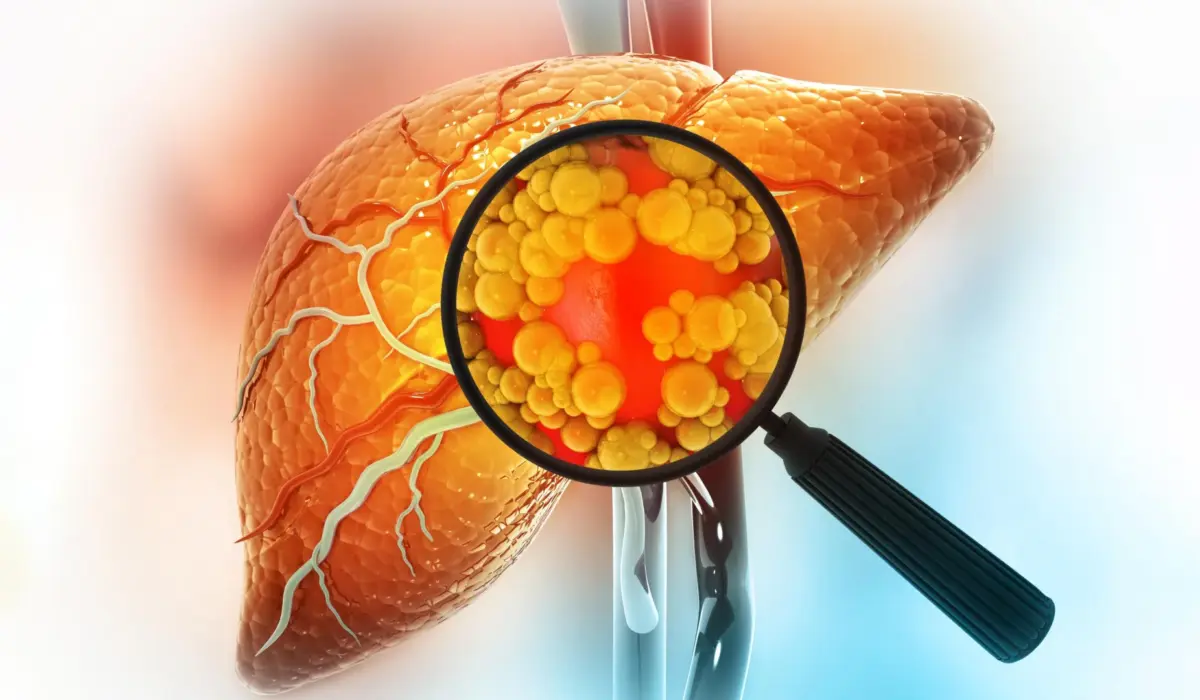
MASH is an aggressive, highly dangerous progression of nonalcoholic fatty liver disease (NAFLD) that currently affects approximately 7% of the global population. Characterized by severe hepatic fat accumulation, inflammation, and cellular injury, the condition can rapidly spiral into irreversible liver cirrhosis, hepatocellular carcinoma (liver cancer), and ultimately end-stage liver failure. Despite its staggering prevalence and high mortality rate, effective, targeted pharmacological interventions remain severely limited in modern medicine.
The breakthrough compound, DT-109, is a meticulously engineered glycine-based tripeptide. Preclinical data confirms that it effectively halts and reverses MASH in both murine (mouse) models and nonhuman primates—animals whose physiological frameworks, liver architecture, and gut microbiota closely parallel those of human patients. By specifically targeting and neutralizing an overgrowth of gut bacteria that produces tissue-damaging ammonia, DT-109 fortifies the intestinal epithelial barrier. This vital repair mechanism prevents toxic microbial byproducts from leaking into the bloodstream, thereby shutting down the systemic inflammatory cascades that drive MASH progression.
Beyond its profound hepatoprotective capabilities, DT-109 exhibits systemic restorative properties. Previous investigations from the same research team have demonstrated the compound’s unique capacity to mitigate atherosclerotic plaque formation and prevent vascular calcification, signaling a potential dual-action defense for both liver and cardiovascular health. As the scientific community looks toward translating these findings into human clinical trials, DT-109 stands as one of the most promising therapeutic horizons in contemporary chronic disease management.
Detailed Chronology: Unraveling the Gut-Microbiome-Liver Connection
To understand the weight of the Michigan Medicine discovery, one must trace the chronological progression of scientific insights that led to the creation and validation of DT-109. For decades, traditional pharmaceutical approaches to fatty liver disease have suffered from a narrow focus, attempting to treat hepatic inflammation and lipid accumulation directly within the liver tissue while ignoring upstream environmental drivers.
Phase I: Identifying the Culprit Within the Microbiome
The groundwork for the recent Journal of Clinical Investigation publication began years earlier in the laboratories of Dr. Eugene Chen and his colleagues at the University of Michigan Medical School. Initial animal trials confirmed that DT-109 possessed remarkable metabolic benefits, but the precise molecular mechanisms driving these improvements remained elusive.
Through exhaustive multi-omic profiling and microbiological sequencing of the gastrointestinal tract, the research team sought to pinpoint the exact chain reaction initiating MASH pathogenesis. They uncovered a critical, previously underappreciated microbial contributor: an abnormal overgrowth of the bacterium Clostridium perfringens within the gut lumen.
Under pathological conditions, Clostridium perfringens thrives and hyper-produces substantial quantities of ammonia. This metabolic byproduct does not merely pass harmlessly through the digestive tract; instead, high concentrations of luminal ammonia act as a caustic chemical agent, systematically degrading the mucosal lining of the gastrointestinal tract and breaking down the tight junctions of the intestinal epithelial barrier.
Phase II: The Systemic Domino Effect
Once the intestinal barrier is compromised, the physiological integrity of the body is severely breached—a phenomenon often referred to as "leaky gut." This structural failure triggers a devastating domino effect across the gut-liver axis:
- Bacterial Translocation: Harmful microbial byproducts, endotoxins, and inflammatory bacterial components escape the confines of the intestinal lumen.
- Vascular Transport: These toxic substances enter the portal venous circulation, traveling directly from the intestines to the liver.
- Immune Overactivation: Upon arrival in the hepatic microenvironment, these circulating microbial signatures provoke a violent immune response, characterized by the hyper-activation and accumulation of CD8+ T cells.
- Tissue Destruction: This immune assault accelerates hepatic inflammation, cellular ballooning, fibrosis, and the rapid progression of MASH.
Phase III: Intervention and Reversal via DT-109
Armed with an understanding of this pathogenic loop, the Michigan Medicine researchers administered DT-109 to animal models suffering from advanced MASH. The results were swift and transformative.
DT-109 directly modulated the gut microbiota, successfully suppressing the overgrowth of Clostridium perfringens and dramatically dampening intestinal ammonia production. With luminal ammonia neutralized, the caustic assault on the digestive tract ceased. The intestinal epithelium rapidly regenerated and strengthened its barrier function, effectively locking out the systemic influx of pro-inflammatory microbial products.
Significantly, when tested in nonhuman primates—whose metabolic and gastrointestinal systems mirror human pathology far more accurately than rodents—DT-109 successfully diminished liver inflammation, cleared accumulated hepatic fats, and fundamentally reversed the structural severity of MASH.
Supporting Context & Metrics: The Global Burden of MASH and Therapeutic Landscape
To properly contextualize the impact of the DT-109 discovery, it is essential to examine the epidemiological scale of fatty liver disease and the limitations of current medical interventions.
The Global Epidemic of MASH
Metabolic dysfunction-associated steatohepatitis is no longer a localized health issue; it is a burgeoning global crisis driven by modern dietary habits, sedentary lifestyles, and the rising prevalence of obesity, insulin resistance, and type 2 diabetes.
- Prevalence: MASH currently impacts approximately 7% of the entire global human population, translating to hundreds of millions of affected individuals worldwide.
- Disease Trajectory: While simple steatosis (fatty liver) can sometimes remain benign, MASH is characterized by active liver inflammation and cellular damage. Without intervention, it acts as a silent killer, progressing inexorably to fibrosis, cirrhosis, end-stage liver disease, and hepatocellular carcinoma.
- Economic and Healthcare Toll: The cascading complications of MASH place an immense financial burden on global healthcare systems, frequently culminating in the need for complex, high-risk liver transplantations—a procedure constrained by severe donor shortages.
The Pharmacological Challenge
Historically, the therapeutic pipeline for MASH has been plagued by high failure rates in clinical trials. Traditional small-molecule drugs designed to target single hepatic pathways (such as lipid synthesis inhibitors or anti-fibrotic agents) often fail because they treat the symptom while leaving the root cause—gut dysbiosis and barrier dysfunction—completely unaddressed.
DT-109 represents a paradigm shift: a multitargeted, gut-centric therapeutic approach. By acting primarily within the gastrointestinal tract to restore microbial balance and fortify epithelial integrity, it interrupts the disease process at its very inception. This upstream intervention spares the liver from constant inflammatory insults, offering a sustainable, physiologically holistic mechanism for recovery.
Official Statements and Expert Analysis
The publication of the study has generated immense excitement across the academic and medical communities, drawing praise from leading experts in cardiovascular medicine, hepatology, and molecular physiology.
Dr. Eugene Chen, M.D., Ph.D., senior author of the study and the Frederick G. L. Huetwell Professor of Cardiovascular Medicine at the University of Michigan Medical School, emphasized the elegance of targeting the gut-liver axis:
"We see clear evidence that DT-109 protects the gut epithelial barrier, reducing the systemic influx of harmful microbial products that are thought to contribute to MASH development and progression. This compound shows benefits to the gastrointestinal system and has great potential as a treatment for MASH."
Dr. Jifeng Zhang, Ph.D., co-author and research professor of cardiovascular medicine at the U-M Medical School, highlighted the compound’s dual capability to bridge microbiology with systemic organ protection:
"DT-109 connects microbiota modulation with liver protection by restoring gut barrier integrity and limiting the systemic translocation of ammonia and other pro-inflammatory microbial products within the gut-liver axis. We also found that DT-109 primarily acts in the gastrointestinal tract, but its reach stretches much further."
Adding a crucial clinical perspective, Dr. Elliot Tapper, M.D., Academic Director of Hepatology at Michigan Medicine, underscored the desperate need for therapies that can simultaneously safeguard multiple organ systems:
"This study presents novel evidence about the pathogenesis of MASH and provides excitement about a therapeutic avenue to explore for a condition that remains difficult to treat. What patients with MASH need is a safe and effective therapy capable of improving their liver and heart health—of course we are excited about these developments."
Future Outlook: Translating Preclinical Success into Human Trials
With the robust preclinical validation of DT-109 firmly established in both murine and nonhuman primate models, the research team at Michigan Medicine is setting its sights on the next critical frontier: human clinical trials.
Expanding Horizons: Beyond MASH
While the immediate clinical target for DT-109 remains the treatment of MASH, the compound’s systemic mechanism of action opens up extraordinary possibilities for treating entirely distinct medical conditions:
- Cardiovascular Disease: Given previous findings proving that DT-109 successfully reduces atherosclerotic plaque formation and halts vascular calcification in primates, future trials will evaluate its potential as a dual-threat therapy for patients suffering from both metabolic liver disease and advanced cardiovascular complications.
- Inflammatory Bowel Disease (IBD) and Gastrointestinal Disorders: Because the breakdown of the intestinal epithelial barrier is a core pathological driver in conditions such as Crohn’s disease and ulcerative colitis, researchers believe DT-109 could eventually be repurposed to restore gut integrity in chronic inflammatory bowel conditions.
Navigating the Path to Clinical Trials
The immediate roadmap for the Michigan Medicine research team involves comprehensive toxicology studies, formulation optimization, and regulatory preparations required to secure Investigational New Drug (IND) approval from regulatory bodies like the U.S. Food and Drug Administration (FDA). These safety and efficacy evaluations in human volunteers will determine optimal dosing regimens and confirm whether the remarkable tissue-repairing properties observed in animal models translate successfully to human patients.
Funding, Disclosures, and Collaborative Research
The advancement of DT-109 is supported by a robust collaborative network bridging academia and biotechnology. Several key authors of the study—including Ying Zhao, M.S., Dr. Oren Rom, Dr. Jifeng Zhang, and Dr. Y. Eugene Chen—are officially listed as inventors on the patent application titled "Tripeptides and treatment of metabolic, cardiovascular, and inflammatory disorders."
Furthermore, Dr. Chen is an inventor of the DT-109 compound itself. The University of Michigan holds the foundational patents for the technology and has licensed the compound to Diapin Therapeutics. Both the university and Dr. Chen maintain a financial ownership interest in Diapin Therapeutics, the corporate entity that supplied the DT-109 compound for the study and is actively spearheading its ongoing commercial development.
Clinical protocols associated with broader research initiatives at collaborating international sites—including the First Affiliated Hospital of Xi’an Jiaotong University, Jinan University, and the University of Hong Kong/Hospital Authority Hong Kong West Cluster—were meticulously reviewed and approved by institutional review boards. All animal handling and experimental procedures strictly adhered to the National Institutes of Health Guide for the Care and Use of Laboratory Animals, ensuring rigorous ethical standards throughout the investigative process.
As researchers prepare for the monumental transition from laboratory bench to clinical bedside, DT-109 stands as a beacon of hope for millions worldwide—a testament to the power of understanding the intricate biological dialogue between our microbiome and our vital organs.