






Executive Overview
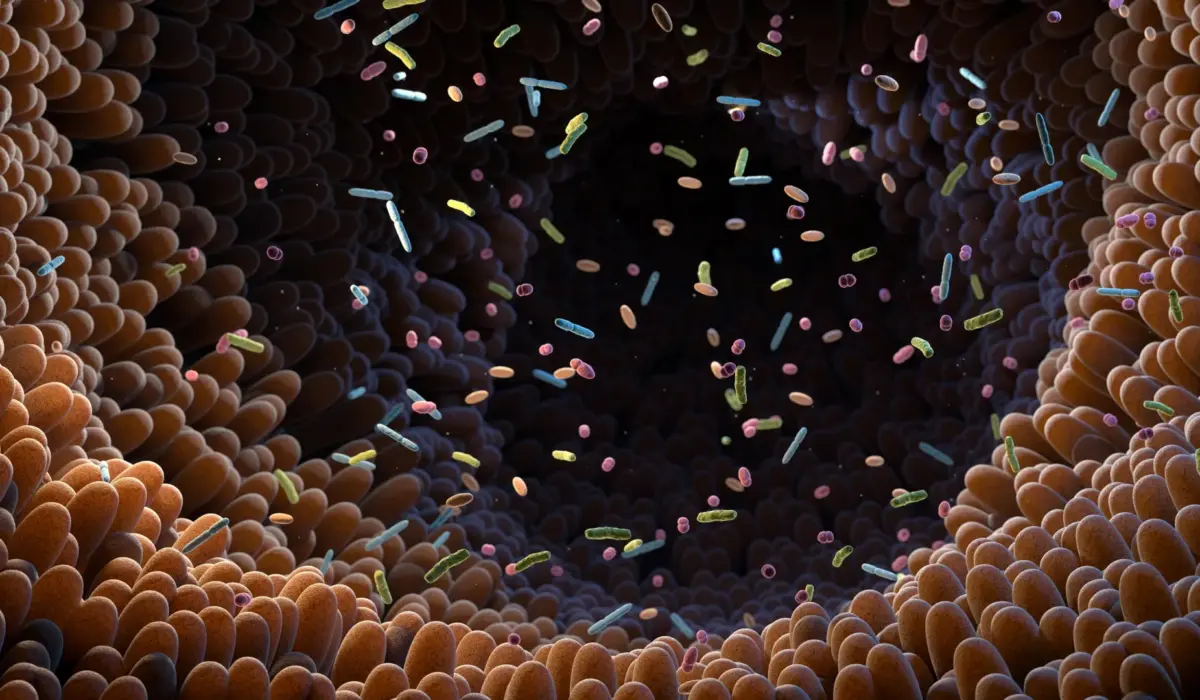
In a groundbreaking discovery that bridges nutritional science, microbiology, and preventative medicine, researchers at Sweden’s prestigious Karolinska Institutet have uncovered a previously unknown biological mechanism linking our diet to long-term health. Published in the peer-reviewed journal Cell, the study reveals that resident bacteria within the human gastrointestinal tract can actively transform common dietary components—specifically, nitrate and non-haem iron found abundantly in plant-based foods—into bioactive molecules known as dinitrosyl iron complexes (DNICs).
For decades, nutritional science has celebrated the health benefits of diets rich in vegetables, leafy greens, and whole grains. Epidemiological studies consistently associate high-vegetable diets with lower incidences of cardiovascular disease, hypertension, type 2 diabetes, and metabolic syndrome. Yet, the precise molecular pathways responsible for these protective effects have remained elusive. This new research offers a compelling missing link: our gut microbes act as internal alchemists, synthesizing protective compounds that travel from the digestive tract to vital organs, including the liver and kidneys, where they help regulate blood pressure, improve vascular tone, stabilize blood sugar, and mitigate hepatic fat accumulation.
By demonstrating that these vital molecules are entirely absent in germ-free experimental models, the Karolinska Institutet team has underscored the irreplaceable role of the gut microbiome in human health. As chronic lifestyle diseases continue to rise globally as leading causes of morbidity and mortality, these insights open transformative avenues for nutritional therapeutics, targeted microbiome interventions, and novel pharmacological strategies designed to optimize endogenous DNIC production.
Detailed Chronology: Unraveling the Microbiome-Metabolite Axis
The Genesis of the Hypothesis
The investigation began with a fundamental nutritional observation: the remarkable synergy between plant-derived nitrates and non-haem iron. Nitrate is naturally concentrated in root vegetables such as beetroots, as well as leafy greens like spinach, rocket (arugula), and lettuce. Concurrently, non-haem iron—the chemical form of iron prevalent in plant-based sources such as legumes, beans, whole grains, and dark green vegetables—is a dietary staple for millions worldwide.
Researchers at Karolinska Institutet’s Department of Physiology and Pharmacology hypothesized that these two distinct micronutrients might not merely coexist in the digestive tract, but could interact chemically in the presence of microbial catalysts. Previous studies had established that gut bacteria can reduce dietary nitrate into nitrite, a process already recognized for its cardiovascular benefits through the generation of nitric oxide. However, the potential downstream interactions between these reduced nitrogen species and dietary iron remained largely unexplored.
Experimental Design and Multidisciplinary Methodology
To test their hypothesis, the research team deployed a sophisticated, multi-tiered experimental framework combining cellular biology, bacteriology, and advanced analytical chemistry across both animal models and human samples.
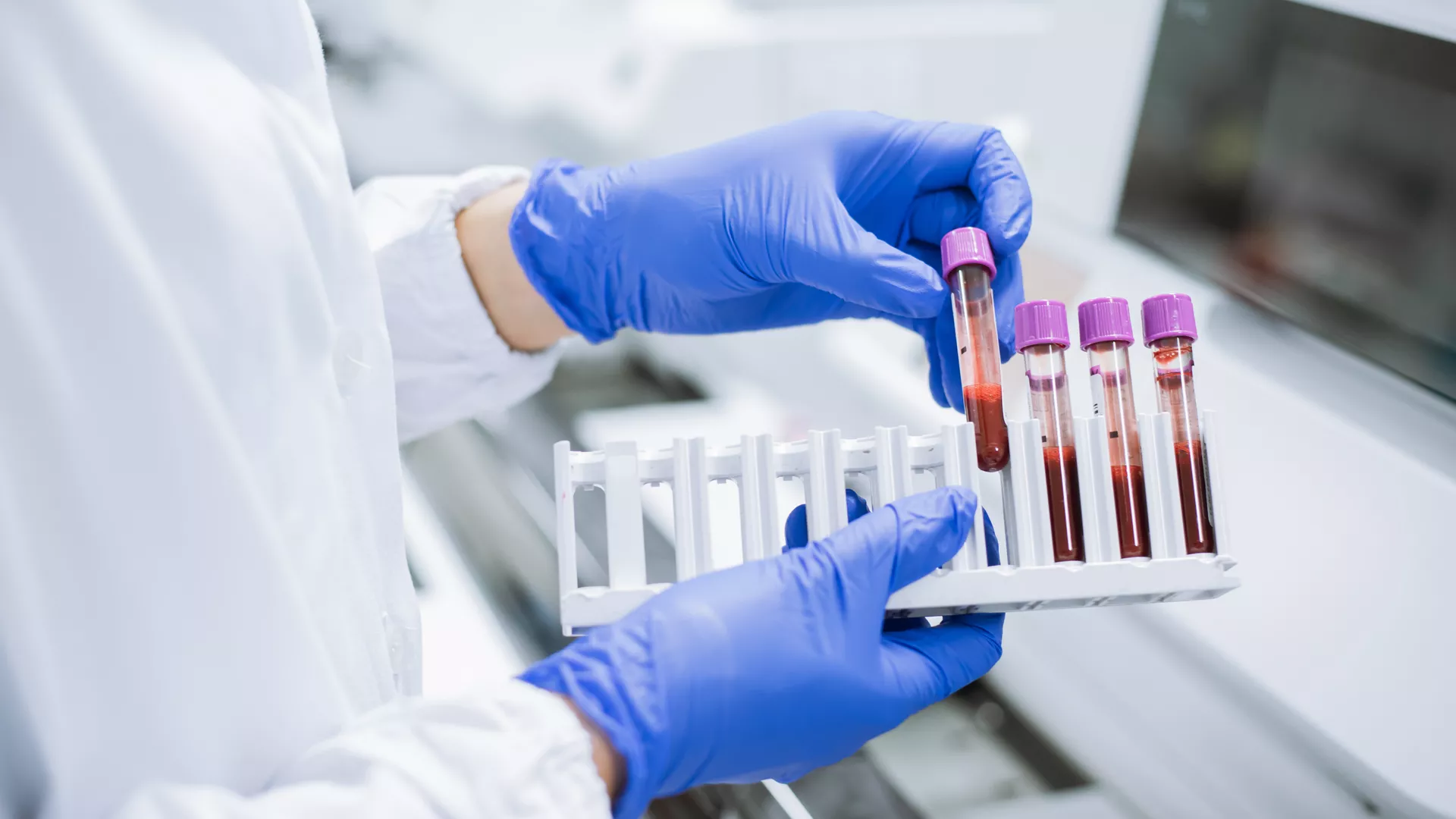
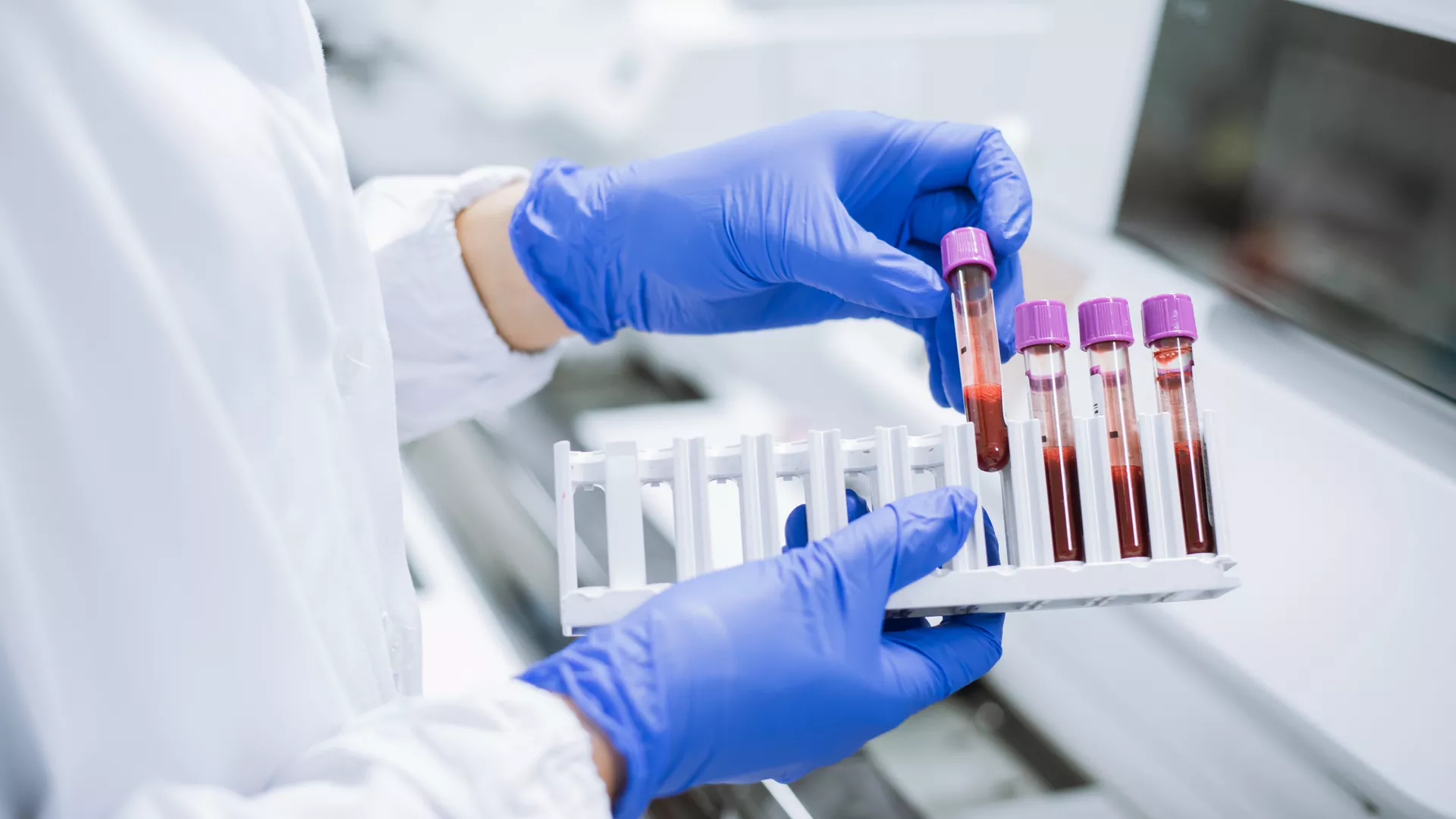
Using state-of-the-art analytical techniques capable of tracing trace molecular signatures within biological tissues, the investigators scrutinized various organs in standard laboratory models. To definitively isolate the role of the microbiome, the team also utilized germ-free models—animals raised in sterile environments devoid of any gut flora.
The Breakthrough Discovery of DNICs
The analytical results provided an unambiguous answer. In standard models with a normal gut microbiome, researchers detected significant quantities of dinitrosyl iron complexes (DNICs) distributed across several tissue types, notably concentrating in metabolic powerhouses such as the liver and kidneys.
Conversely, when analyzing the tissues of germ-free models, DNIC molecules were completely undetectable. This stark contrast confirmed that gut microbes are not merely passive bystanders in digestion, but are absolute prerequisites for the synthesis of DNICs from dietary nitrate and iron.
"Our results show that gut bacteria can convert components in food into biologically active molecules that influence important bodily functions," explained Andrei L. Kleschyov, Senior Researcher at the Department of Physiology and Pharmacology, Karolinska Institutet, and the study’s first and co-corresponding author.
Testing the Therapeutic Potential
Having identified DNICs as microbial metabolites of a vegetable-rich diet, the researchers sought to determine their physiological impact. They elevated DNIC levels in experimental models using two distinct approaches: administering targeted dietary supplements containing balanced ratios of nitrate and iron, and directly delivering synthetically produced DNIC molecules.
The outcomes observed in disease models of cardiovascular and metabolic dysfunction were striking. Elevated DNIC levels triggered measurable improvements across a suite of critical physiological markers. Animals receiving the treatment exhibited marked reductions in systemic blood pressure, enhanced endothelial and vascular flexibility, superior glycemic control, and a significant decrease in pathological fat accumulation within the liver (hepatic steatosis).
Supporting Context & Metrics: The Nutritional and Epidemiological Landscape
The Burden of Cardiovascular and Metabolic Disease
Cardiovascular diseases (CVDs) and metabolic disorders, including obesity, insulin resistance, and non-alcoholic fatty liver disease (NAFLD), constitute the leading global health crisis of the 21st century. According to global health metrics, these conditions account for tens of millions of deaths annually, placing an immense burden on healthcare systems.
While pharmacological treatments are widely available, lifestyle and dietary modifications remain the cornerstone of primary prevention. Public health agencies universally recommend diets rich in fruits, vegetables, whole grains, and legumes. However, translating these general guidelines into targeted, personalized nutritional therapies has been hindered by a lack of mechanistic understanding regarding how specific foods confer protection at the molecular level.
The Power of Plant-Based Diets
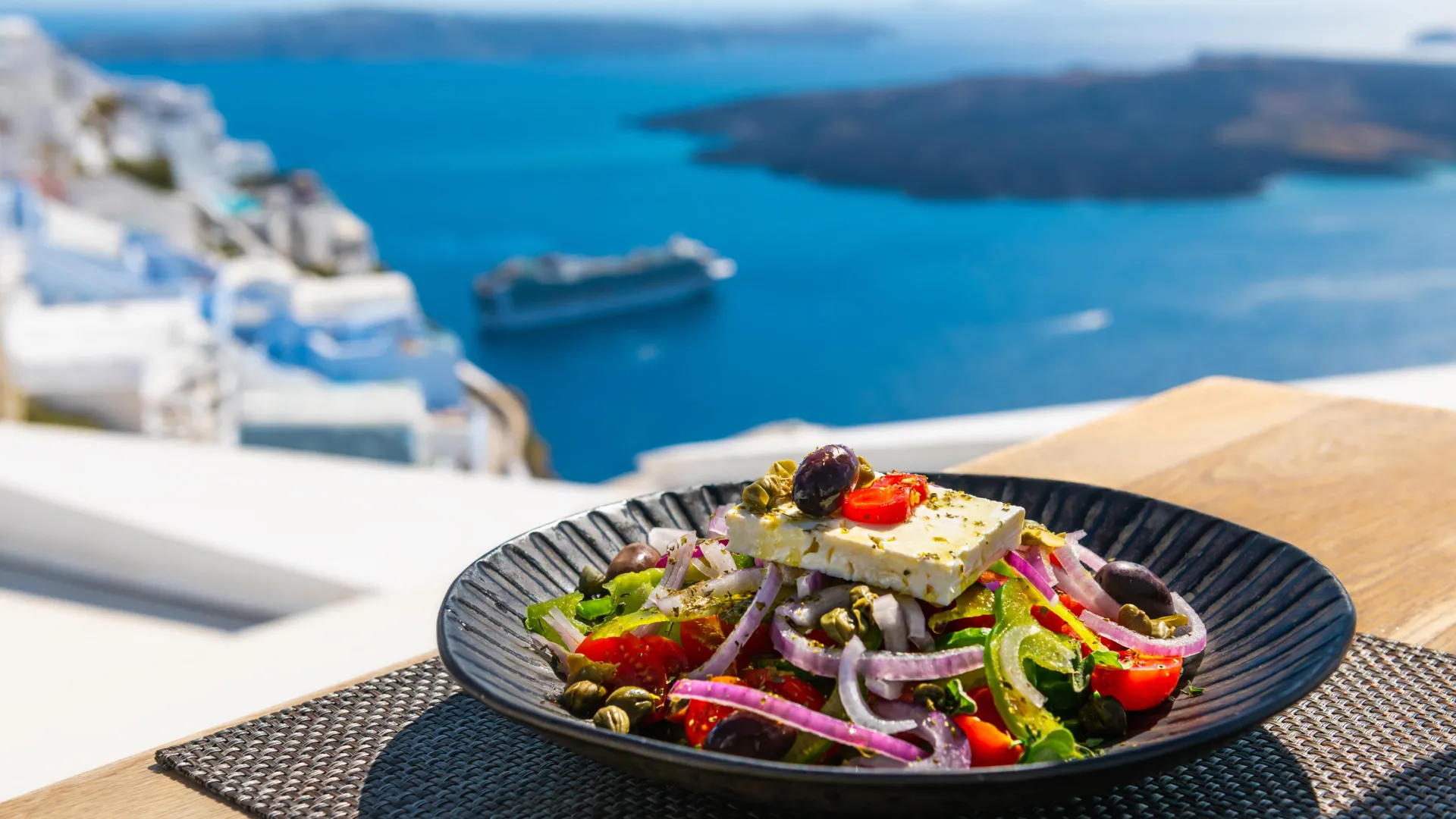
The new findings from Karolinska Institutet shed light on the biochemical mechanics behind the "Mediterranean diet" and other plant-forward dietary patterns. For decades, nutritional epidemiologists have tracked the inverse relationship between green leafy vegetable consumption and cardiovascular events.
- Nitrate Pathways: Dietary nitrate ($textNO_3^-$) was once considered an inert byproduct or even a potential toxin. Decades of cardiovascular research, much of it pioneered in Scandinavian institutions, inverted this paradigm by proving that commensal bacteria on the tongue and lower in the gut reduce nitrate to nitrite ($textNO_2^-$) and subsequently to nitric oxide ($textNO$), a potent vasodilator that regulates blood pressure and arterial health.
- The Iron Dimension: While haem iron (found in red meat) has frequently been scrutinized for its potential association with oxidative stress and cardiovascular risk when consumed in excess, non-haem iron from plant sources behaves differently within the gastrointestinal milieu. The current study demonstrates that non-haem iron can be harnessed by gut microbes to form protective DNIC structures when paired with dietary nitrate.
Analytical Precision in Microbiome Research
The detection of DNICs required cutting-edge analytical chemistry. Because these complexes are reactive and exist in trace concentrations within dynamic biological matrices, identifying them demanded high-resolution mass spectrometry and advanced electron paramagnetic resonance (EPR) spectroscopy. The successful localization of DNICs in liver and kidney tissues validates the hypothesis that gut-derived metabolites can systematically translocate via the bloodstream to exert remote physiological effects—reinforcing the emerging paradigm of the gut-organ axis.
Official Statements and Expert Perspectives
The collaborative nature of the study brought together leading European authorities in cardiorenal physiology and microbial metabolism. The primary investigators emphasized both the immediate significance of the findings and the necessary caution required before translating animal data directly to human clinical guidelines.
"Among other things, we observed lower blood pressure and improved vascular function, better blood sugar control and reduced fat accumulation in the liver. The results help to explain why a diet rich in vegetables, which contain both nitrate and iron, is linked to a lower risk of several diseases,"
— Mattias Carlström, Professor of Cardiorenal Physiology at the Department of Physiology and Pharmacology, Karolinska Institutet, and shared co-corresponding author.
Professor Carlström co-authored the study alongside Professor Jon Lundberg, a preeminent figure in nitric oxide research at the same department. Together, their laboratories have spent years investigating how inorganic nitrate from diet influences metabolic health, but the discovery of iron-nitrosyl complexes introduces an entirely new dimension to redox biology in nutrition.
The researchers, however, remain methodologically rigorous. While the experimental models provide robust proof-of-concept data, they stress that human physiology involves complex confounding variables, ranging from inter-individual microbiome diversity to genetic variations in iron and nitrogen metabolism.
"The findings could also help explain why diets rich in vegetables are associated with a lower risk of cardiovascular and metabolic diseases. However… much of the work was carried out in experimental models, so additional research will be necessary to determine exactly how the process operates in humans."
Collaborative Framework and Institutional Support
This milestone research was not born in isolation. The study was conducted as a cross-border scientific partnership involving Karolinska Institutet alongside the University Medical Centre Hamburg-Eppendorf and the Johannes Gutenberg University Medical Centre Mainz in Germany.
Such interdisciplinary cooperation ensures that microbiological findings are rigorously verified across multiple experimental models and physiological assays. Financial backing for the project was provided by some of Europe’s most rigorous research funding bodies, reflecting the high scientific value placed on microbiome-metabolite research. Key sponsors include:
- The Swedish Research Council (Vetenskapsrådet)
- The Swedish Heart-Lung Foundation (Hjärt-Lungfonden)
- The Novo Nordisk Foundation
- The European Research Council (ERC)
- The Knut and Alice Wallenberg Foundation
- Diabetes Wellness Sweden
- Karolinska Institutet’s internal research foundations
Crucially, the authors explicitly stated in their disclosures that they have no conflicts of interest to declare, reinforcing the objective and academic integrity of the published findings.
Future Outlook: Translating Bench Science to Human Therapeutics
Phase One: Establishing Human Biomarkers
With the foundational biochemistry established in experimental models, the research consortium has already outlined its strategic roadmap for the future. The immediate primary objective is the development of reliable, sensitive, and validated clinical assays to measure DNIC levels accurately in human blood, urine, and tissue biopsies.
Without standardized biomarkers for human DNIC quantification, clinical trials evaluating the impact of vegetable-rich diets on DNIC synthesis cannot proceed effectively. Establishing these diagnostic baselines will allow researchers to assess whether individuals with varying baseline health statuses (e.g., healthy controls versus hypertensive or pre-diabetic patients) exhibit differential capacities for microbial DNIC production.
Phase Two: Mapping Pharmacokinetics and Physiology
Beyond simple detection, the Karolinska team aims to map the comprehensive pharmacokinetics of DNICs in humans. Key questions include:
- Absorption and Transport: Exactly how are DNICs absorbed across the intestinal epithelial barrier, and via which plasma carrier proteins do they travel to target organs such as the liver and kidneys?
- Cellular Mechanisms: At a cellular level, how do DNICs interact with endothelial cells, hepatocytes, and renal tubules to exert vasodilatory, anti-inflammatory, and metabolic-protective effects?
- Microbial Strain Specificity: Which specific bacterial species, genera, or enzymatic pathways within the human gut microbiome are responsible for the highest rates of DNIC synthesis? Could specific probiotic strains be cultured to enhance this conversion in individuals with compromised microbiomes?
Phase Three: Nutritional and Therapeutic Interventions
The ultimate horizon of this research lies in personalized nutrition and targeted therapeutics. If future human clinical trials validate the animal models, healthcare providers may soon be able to utilize microbiome profiling to optimize dietary recommendations.
- Targeted Dietary Modulation: Rather than generic advice to "eat more greens," clinicians might prescribe specific dietary pairings—such as combining high-nitrate vegetables with specific bioavailable non-haem iron sources—tailored to an individual’s unique gut microbial signature.
- Microbiome Engineering: For individuals whose gut flora lack the necessary metabolic capacity to synthesize DNICs efficiently, targeted prebiotic or probiotic formulations could be engineered to restore this vital biochemical pathway.
- Synthetic Therapeutics: The development of stable, synthetic DNIC analogs could pave the way for novel pharmaceutical agents designed to mimic the cardiovascular and metabolic protective effects of a vegetable-rich diet for patients unable to absorb or synthesize them naturally.
Conclusion
The Karolinska Institutet study marks a paradigm shift in how we understand the dialogue between our diet, our microbiome, and our long-term health. By proving that gut microbes transform humble garden greens and whole grains into sophisticated protective molecules, science has moved one step closer to decoding the ultimate recipe for metabolic longevity. As researchers transition from animal models to human clinical investigations, the path toward microbiome-informed preventive medicine grows clearer, promising a future where dietary guidance is backed by absolute molecular precision.