






Executive Overview
Pancreatic cancer has long represented one of the most formidable strongholds in modern oncology. While the advent of cancer immunotherapy has fundamentally rewritten the treatment paradigm for dozens of malignancies—transforming historically terminal prognoses into manageable conditions—pancreatic tumors have largely remained impervious to these breakthroughs. The primary culprit behind this resistance is the tumor microenvironment itself. Pancreatic cancers characteristically forge a notoriously "cold" ecosystem, constructing a dense physical and biochemical barrier that systematically repels, excludes, and neutralizes infiltrating immune cells, effectively rendering conventional immunotherapy impotent.
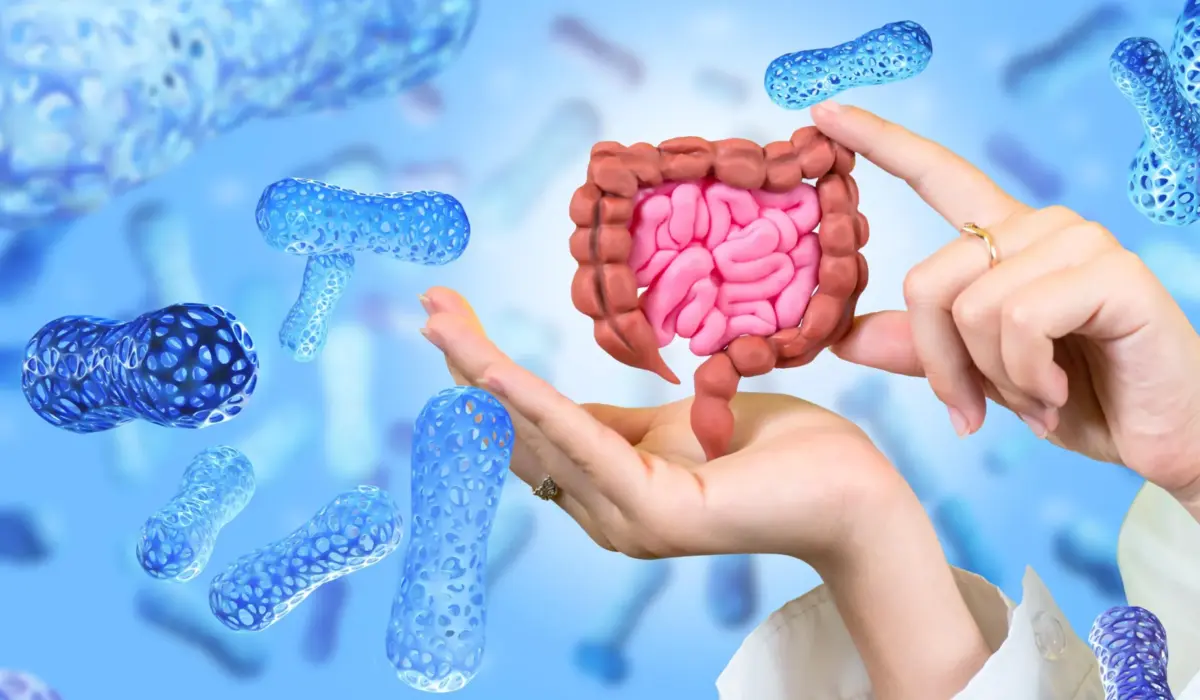
Now, a cross-disciplinary team of researchers at the University of Chicago has unveiled a pioneering counter-offensive. In a landmark study published in the peer-reviewed journal Science Advances, scientists detailed the creation of BifidoSumIL-2: an engineered strain of Bifidobacterium longum, a benign probiotic bacterium naturally resident in the human gut. By transforming this common microbe into a precision-guided drug delivery vehicle, the research team successfully smuggled a potent, modified immune-stimulating protein directly into the heart of pancreatic tumors.
In preclinical animal models, this microbial intervention successfully decelerated tumor growth by selectively activating cancer-destroying T cells. Crucially, the therapeutic efficacy amplified exponentially when administered in tandem with standard-of-care interventions, including chemotherapy, radiation therapy, and existing checkpoint immunotherapies. By turning ordinary gut bacteria into microscopic, tumor-seeking pharmaceutical factories, this breakthrough heralds a transformative frontier in the burgeoning "bugs as drugs" therapeutic movement, offering a renewed sense of hope for one of medicine’s most intractable challenges.
Detailed Chronology: Overcoming the Mountain of Pancreatic Cancer
To understand the magnitude of the University of Chicago breakthrough, one must trace the evolutionary trajectory of how the research team conceptualized, engineered, and executed this complex bio-therapeutic strategy.
Identifying the Obstacle: The "Cold" Tumor Microenvironment
The genesis of the project lay in confronting the sheer recalcitrance of pancreatic cancer. Unlike "hot" tumors—which are heavily infiltrated by immune cells and respond robustly to immunotherapies like checkpoint inhibitors—pancreatic ductal adenocarcinoma creates an immunosuppressive fortress. The tumor recruits regulatory cells and lays down dense extracellular matrix proteins that starve the local environment of oxygen while locking out circulating therapeutics.
Dr. Ralph Weichselbaum, the Daniel K. Ludwig Distinguished Service Professor and Chair of Radiation and Cellular Oncology at the University of Chicago, framed the challenge bluntly at the onset of the project. "A big unmet medical need has been pancreatic cancer, and so that was going to be our mountain to climb," Dr. Weichselbaum noted.
Engineering the Molecule: Precision IL-2
Standard immunotherapy often relies on interleukin-2 (IL-2), a potent signaling molecule naturally produced by the immune system to stimulate T cell proliferation. While conventional IL-2 is capable of mounting a fierce attack against cancer cells, it comes with a severe double-edged sword. When administered systemically, conventional IL-2 triggers toxic, systemic side effects and inadvertently stimulates regulatory T cells (Tregs)—cells that paradoxically suppress the immune response and shield the tumor.
To solve this pharmacological paradox, the research team developed SumIL-2. This is a rationally engineered, modified version of interleukin-2 designed to selectively bind to and activate cancer-fighting effector T cells while largely ignoring or downregulating the immunosuppressive regulatory T cells. However, even with a safer, smarter variant of IL-2, administering it throughout the entire body still risked systemic toxicity. The molecule needed a delivery system capable of bypassing healthy tissue entirely and concentrating the therapeutic payload exclusively inside the cancerous lesion.
Harnessing Nature’s Delivery Vehicle: Bifidobacterium longum
The solution emerged from an unlikely source: the human microbiome. The research team turned to Bifidobacterium longum, an obligate anaerobic bacterium naturally found in the human gastrointestinal tract and commonly consumed via yogurts and commercial probiotics.
Because Bifidobacterium is an obligate anaerobe—meaning it cannot survive or proliferate in the presence of oxygen—it possesses an inherent biochemical compass for solid tumors. Healthy, oxygen-rich human tissues rapidly clear the bacteria. Conversely, the interior of solid tumors, particularly pancreatic cancers, is chronically hypoxic (starved of oxygen). When introduced systemically into an animal model, the engineered bacteria bypassed oxygen-rich healthy organs, homed in on the hypoxic core of the pancreatic tumors, and set up localized colonies.
The Interdisciplinary Integration
Constructing BifidoSumIL-2 required tearing down traditional academic silos. The project demanded a convergence of specialties rarely found under a single roof.
"This was a highly interdisciplinary effort," explained Dr. Mark Mimee, Assistant Professor of Microbiology at the University of Chicago. "We had to bring together people who understand bacteria, people who understand tumors, and people who understand the immune system to make something like this possible."
Microbiologists, synthetic biologists, oncologists, and immunologists worked in tandem to splice the genetic instructions for SumIL-2 into the chromosome of Bifidobacterium longum, effectively converting the harmless probiotic into an autonomous, localized drug factory that manufactures and secretes the therapeutic protein in situ.
Supporting Context & Metrics: Navigating the Microscopic Mechanics
Evaluating the clinical promise of BifidoSumIL-2 requires examining the underlying metrics, biological mechanisms, and engineering hurdles surmounted by the University of Chicago team.
The Bacterial Drug Factory in Action
Once the engineered Bifidobacterium longum colonizes the hypoxic core of a pancreatic tumor, it shifts the biochemical balance of the microenvironment. Instead of a passive passenger, the bacterium acts as a continuous, localized bioreactor.
- Targeted Concentration: By manufacturing SumIL-2 directly inside the tumor tissue, the local concentration of the immunotherapy spikes precisely where it is needed, avoiding the dangerous pharmacokinetic dilution and off-target toxicities associated with intravenous drug infusions.
- Cellular Transformation: Pathological analysis of animal models treated with BifidoSumIL-2 revealed a profound shift in the tumor microenvironment. The therapy successfully increased the infiltration and activation of cytotoxic CD8+ T cells—the elite shock troops of the immune system capable of recognizing and executing malignant cells.
- Safety Profile: Because Bifidobacterium is already designated as Generally Recognized as Safe (GRAS) and has an established history of safe human consumption as a dietary supplement, the baseline safety profile of the chassis organism offered a significant advantage over viral vectors or synthetic nanoparticle carriers, which frequently trigger adverse immune reactions or liver toxicity.
Navigating Synthetic Biology Hurdles
Engineering anaerobic gut bacteria is vastly more complex than working with classic laboratory model organisms like Escherichia coli.
"Bifidobacterium is not the easiest organism to work with," Dr. Mimee admitted, detailing the early developmental phase of the study. "It’s anaerobic, it grows slowly, and the genetic tools for manipulating it are much more limited compared to model bacteria like E. coli. A lot of the work was just figuring out how to reliably engineer it."
The team had to design novel genetic circuits stable enough to persist through bacterial generations without compromising the fitness or viability of the probiotic chassis, ensuring that the bacteria remained functional and productive within the hostile, nutrient-depleted core of the tumor.
Official Statements and Institutional Perspectives
The implications of the Science Advances publication extend far beyond a single laboratory, reflecting a paradigm shift in how academic medical centers approach treatment-resistant malignancies.
Dr. Ralph Weichselbaum emphasized the synergistic potential of the bacterial platform when deployed alongside established cancer therapies. While monotherapy trials in animal models successfully slowed tumor progression, the true clinical promise emerged during combination trials.
"This combination potential is one of the study’s most important findings," Dr. Weichselbaum stated. "BifidoSumIL-2 not only works by itself—it works with radiotherapy, chemotherapy, and immunotherapy."
When paired concurrently with standard chemotherapy regimens, ionizing radiation therapy, or checkpoint inhibitors like anti-PD-L1 antibodies, BifidoSumIL-2 systematically dismantled the tumor’s defensive walls. The resulting combinatorial pressure yielded vastly superior tumor control and significantly extended overall survival in preclinical models compared to any single modality administered in isolation.
Dr. Mark Mimee underscored the collaborative ethos required to break through traditional scientific boundaries. By fusing microbiology with translational oncology, the team demonstrated that living therapeutics could succeed where inert chemical molecules and antibodies have historically failed.
The research infrastructure supporting these discoveries is deeply anchored in Chicago’s academic medical landscape. The study was made possible through foundational support from the Ludwig Foundation and the National Institutes of Health (NIH).
The core research team comprised an elite roster of contributors from the University of Chicago, including Jaehyun Lee, Kaiting Yang, Christina Nowicki, Wei Liu, Emile Naccasha, and Hua Liang. Collaborative contributions extended outward to Dr. Zhichen Sun of the University of Texas Southwestern in Dallas and Dr. Yang-Xin Fu of Tsinghua University in Beijing, China, highlighting the global scope of the investigative network.
Future Outlook: The Horizon of "Bugs as Drugs"
Despite the enthusiasm surrounding the publication of Engineered probiotic Bifidobacterium for tumor-targeted pancreatic cancer therapy, the research team maintains a rigorous, measured approach regarding the path ahead.
Preclinical to Clinical Translation
BifidoSumIL-2 has demonstrated remarkable efficacy in rigorous animal models, but it has not yet been evaluated in human clinical trials. Transitioning from murine models to human patients introduces a complex array of biological variables that must be systematically investigated.
Future investigative phases will focus on:
- Long-Term Safety Profiles: Assessing whether engineered strains can be cleared reliably upon treatment cessation and monitoring for any off-target colonization in non-tumor tissues.
- Pharmacodynamics and Persistence: Determining the exact temporal dynamics of SumIL-2 expression and measuring the duration of the systemic and local immune memory established by the therapy.
- Route of Administration: Investigating whether future iterations of the therapy could be delivered via oral formulations (such as enteric-coated capsules) rather than direct systemic injections, drastically improving patient convenience and compliance.
- Next-Generation Combinations: Expanding testing protocols to pair BifidoSumIL-2 with emerging targeted therapeutics, such as advanced KRAS inhibitors, which are increasingly critical in treating pancreatic and lung cancers.
The AbbVie Foundation Cancer Pavilion
As the University of Chicago advances these translational discoveries from the bench to the bedside, the institutional framework for patient care is undergoing a historic physical expansion. In April 2027, UChicago Medicine is scheduled to open the AbbVie Foundation Cancer Pavilion—marking the construction of Chicago’s first freestanding comprehensive cancer hospital.
This state-of-the-art facility will serve as the physical nexus for advanced diagnostics, cutting-edge translational research, and comprehensive patient support. Innovations born from the microbiology and oncology laboratories, such as engineered probiotic therapies, will find a natural clinical home within the pavilion, bringing cutting-edge care directly to patients and the broader Chicago community.
As the "bugs as drugs" movement gains momentum across the global scientific community, the work pioneered by Weichselbaum, Mimee, and their colleagues establishes a bold new blueprint for oncology. By turning nature’s smallest organisms into precision instruments of war against cancer’s most fortified strongholds, medical science is steadily closing the gap on pancreatic cancer, transforming an insurmountable mountain into a conquerable peak.