







Executive Overview
In a discovery that challenges decades of metabolic dogma, an international team of researchers at McMaster University has unmasked a completely unexpected physiological role for Growth Differentiation Factor 15 (GDF15). Traditionally recognized and celebrated for its appetite-suppressing properties and its role in mediating weight loss, GDF15 has now been proven to possess an intrinsic, highly targeted capacity to protect the liver from severe inflammation and fibrosis—independent of any reduction in body weight or caloric intake.
Published in the August 10, 2026, edition of Cell Metabolism, this landmark study redefines our understanding of the hormone. Rather than acting solely as a peripheral satiety signal, GDF15 initiates a sophisticated, long-range neuroendocrine cascade. It communicates from the brain via the central nervous system to prompt the systemic release of endogenous glucocorticoids, which subsequently reprogram hepatic immune cells and halt the progression of advanced liver disease.
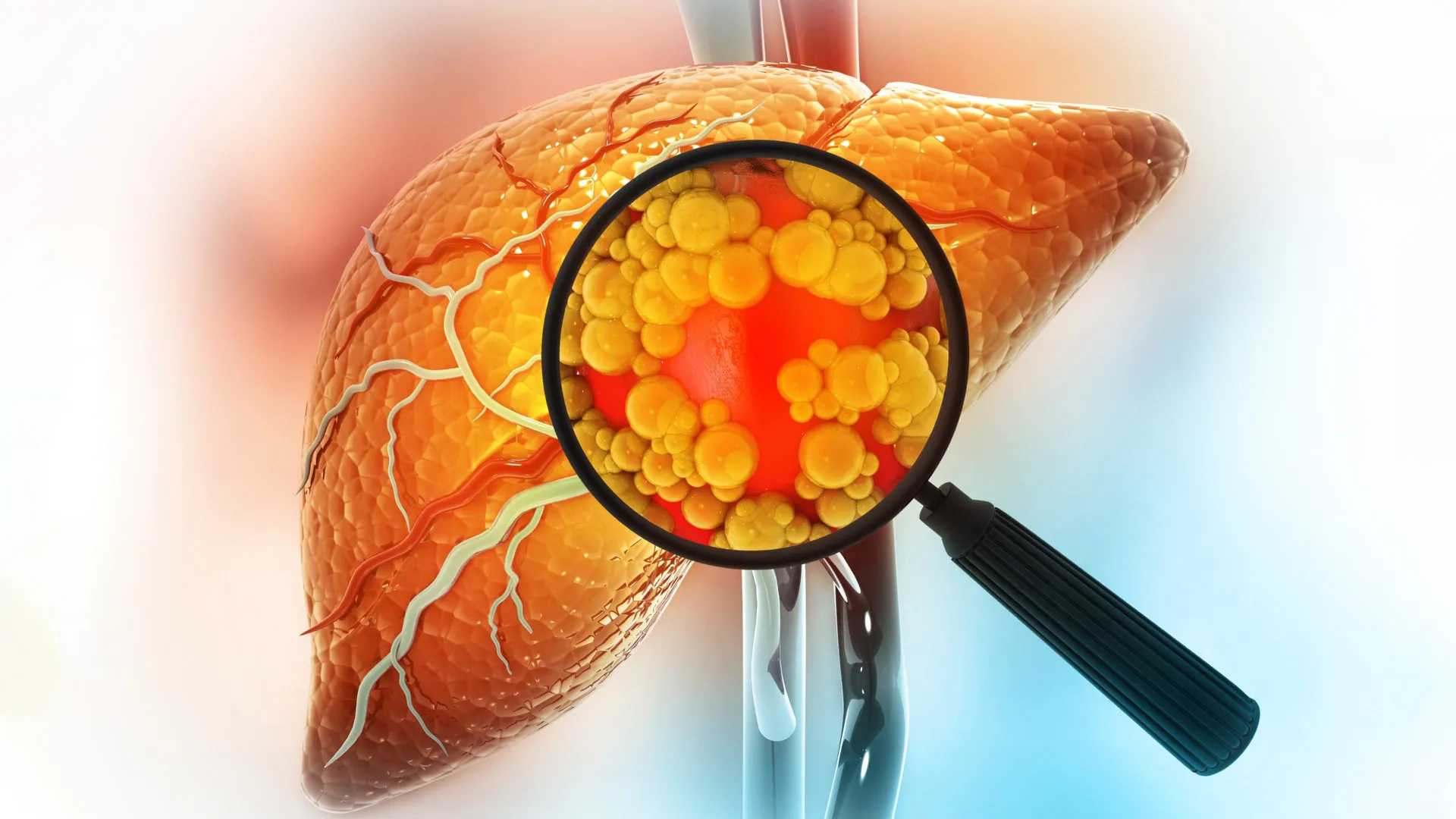
This paradigm-shifting revelation carries profound clinical implications for millions of individuals suffering from metabolic dysfunction-associated steatohepatitis (MASH), the aggressive and advanced manifestation of non-alcoholic fatty liver disease (NAFLD). While modern pharmacological interventions—including emerging incretin-based therapies—have dramatically improved outcomes by reducing overall body mass and hepatic steatosis, residual liver inflammation frequently persists. This persistent low-grade immune activation continues to drive hepatocellular damage, culminating in cirrhosis, liver failure, and hepatocellular carcinoma.
By detailing how GDF15 naturally combats hepatic injury through a distinct biological axis, this research opens the door to a new generation of combination therapies. These future treatments could simultaneously tackle the drivers of metabolic syndrome while directly neutralizing the tissue-destroying inflammatory cascades central to end-stage liver pathology.
Detailed Chronology: Unraveling the GDF15-Liver Axis
The path to this discovery represents a triumph of multi-disciplinary scientific inquiry, merging advanced molecular biology, sophisticated murine disease models, and cutting-edge spatial transcriptomics.
The Experimental Framework and MASH Models
To rigorously test whether GDF15 possesses direct therapeutic benefits for advanced liver disease, the McMaster research team—led by senior author Professor Gregory Steinberg and first author Dr. Dongdong Wang—constructed preclinical models designed to replicate the complex histological and metabolic landscape of human MASH. MASH is notoriously difficult to model accurately, as it involves a toxic synergy of lipid accumulation, lipotoxicity, oxidative stress, chronic immune cell infiltration, and progressive extracellular matrix deposition (fibrosis).
Utilizing an array of genetic, pharmacological, genomic, and spatial transcriptomics methodologies, the team tracked the real-time cellular and molecular shifts occurring within hepatic tissue upon systemic administration or endogenous induction of GDF15. Spatial transcriptomics, in particular, proved vital, as it allowed researchers to map gene expression changes within their precise physical context inside the architecture of the diseased liver.
The Neuroendocrine Signaling Cascade
The most surprising revelation of the investigation was the precise mechanism by which GDF15 exerts its hepatoprotective effects. It was previously assumed that any secondary improvements in liver health stemming from GDF15 treatment were merely downstream consequences of weight loss and decreased systemic adiposity. However, when researchers decoupled weight loss from GDF15 exposure in their models, the hormone’s anti-inflammatory and anti-fibrotic properties remained fully intact.
Tracing the upstream drivers of this protection revealed an intricate neural pathway:
- Central Reception: GDF15 acts upon specific receptors located within the central nervous system (predominantly in hindbrain regions associated with metabolic control).
- Neural Transmission: This activation relays neural signals through the autonomic nervous system.
- Endocrine Response: The neural signal commands peripheral endocrine structures to prompt the release of physiological glucocorticoids—the body’s endogenous steroid hormones responsible for regulating metabolic homeostasis, immune surveillance, and stress responses.
- Hepatic Reprogramming: These glucocorticoids travel to the liver, where they interact with resident and infiltrated immune cells, actively halting inflammatory cytokine production.
Cellular Reprogramming and Fibrotic Suppression
At the microscopic level, the downstream consequence of this brain-to-liver signaling is nothing short of cellular reprogramming. Using advanced spatial technology, Dr. Dongdong Wang and his colleagues observed that GDF15-mediated pathways actively de-escalate the liver’s immune response.
Instead of exacerbating or permitting chronic immune-mediated injury, the cascade forces pro-inflammatory macrophages and other immune cells to transition into a quiescent, protective phenotype. Concurrently, the activation of hepatic stellate cells—the primary drivers of scar tissue production—is significantly blunted. By calming the immune system and shifting local cellular environments, GDF15 directly impedes the accumulation of extracellular matrix proteins, slowing the progression of hepatic fibrosis even in the presence of continuous metabolic stress.
Supporting Context & Metrics: The Global Burden of MASH
To contextualize the magnitude of McMaster University’s discovery, one must examine the staggering epidemiological and clinical landscape of metabolic dysfunction-associated steatohepatitis (MASH).
The Scale of the Crisis
- Global Prevalence: Non-alcoholic fatty liver disease (NAFLD) and its inflammatory subset, MASH, affect an estimated 25% to 30% of the global adult population, mirroring the worldwide rise in obesity, type 2 diabetes, and metabolic syndrome.
- The Progression Pipeline: While simple steatosis (fatty liver) is often benign, a significant percentage of patients progress to MASH, characterized by persistent lobular inflammation and hepatocyte ballooning.
- End-Stage Complications: Unchecked MASH inexorably leads to hepatic fibrosis (scarring), progressing through stages F1 to F4 (cirrhosis). Cirrhosis dramatically elevates the risk of life-threatening complications, including portal hypertension, variceal bleeding, ascites, liver failure, and primary liver cancer (hepatocellular carcinoma).
Limitations of Current Weight-Loss Interventions
Over the past decade, the advent of incretin mimetics (such as GLP-1 and dual/triple receptor agonists) has revolutionized metabolic medicine. These drugs have demonstrated unprecedented success in promoting weight loss and clearing intrahepatic fat.
However, clinical data consistently reveals a frustrating limitation: while systemic weight loss alleviates early-stage steatosis, a substantial cohort of MASH patients exhibit persistent, low-grade hepatic inflammation despite achieving target weight loss milestones. This residual inflammation can continue to drive fibrogenesis silently, meaning that weight management alone is occasionally insufficient to halt the march toward cirrhosis.
It is precisely this clinical blind spot that makes the McMaster discovery so revolutionary. By identifying an endogenous pathway that suppresses inflammation independently of weight loss, researchers have unearthed a molecular strategy designed to close the therapeutic gap left by current anti-obesity medications.
Official Statements and Expert Perspectives
The implications of this study extend far beyond basic academic endocrinology, signaling a potential shift in how pharmaceutical developers will approach metabolic and hepatic disorders moving forward.
Professor Gregory Steinberg on Expanding Horizons
"Our findings show that GDF15 does much more than regulate appetite and body weight," asserted Professor Gregory Steinberg, senior author of the study, professor in McMaster University’s Department of Medicine, and co-director of the Centre for Metabolism, Obesity and Diabetes Research (MODR).
Highlighting the physiological novelty of the mechanism, Steinberg continued:
"We discovered that GDF15 activates a natural brain-to-liver signaling pathway that helps suppress liver inflammation and reduce fibrosis. This changes how we think about the hormone and suggests it may be part of the body’s own defense system against chronic liver injury."
Steinberg, who also serves as an executive member of NexusHealth at McMaster and chief scientific officer, shareholder, and co-founder of Espervita Therapeutics, emphasized the therapeutic synthesis this enables. In recent preclinical research, Steinberg’s team has worked on specific drug candidates targeting advanced liver disease. He contrasts those pharmaceutical interventions with this latest physiological insight:
"Current therapies largely focus on reducing body weight and liver fat. Our work suggests there may be value in combining those approaches with therapies that directly target inflammation. By understanding how the body naturally protects the liver, we can identify new opportunities to develop more effective treatments for people living with MASH."
Dr. Dongdong Wang on Cellular Transformation
Dr. Dongdong Wang, first and corresponding author of the study and assistant professor in McMaster’s Department of Medicine, emphasized the precision afforded by modern analytical tools in capturing these biological shifts.
"GDF15 helps reprogram liver cells to reduce inflammation and scarring by advanced spatial technology," Wang explained. "Instead of causing liver damage, GDF15 appears to help calm the liver’s immune system. It shifts immune cells into a more protective and less active state, helping reduce inflammation and prevent damage to the liver."
Wang’s insights underscore the paradigm shift: GDF15 is not merely a catabolic signal telling the organism to eat less; it is an active biochemical negotiator mediating tissue repair and immunological truce between the central nervous system and the viscera.
Future Outlook: The Next Frontier in MASH Therapeutics
The publication of this study in Cell Metabolism bridges two distinct epochs of metabolic research. In 2023, Steinberg and Wang published groundbreaking work demonstrating that GDF15 plays a critical role in maintaining energy expenditure—preventing the metabolic slowdown that typically sabotages long-term weight loss efforts. Now, with the 2026 revelation of its anti-inflammatory, neuro-endocrine axis, GDF15 is recognized as a multi-functional guardian of metabolic and hepatic homeostasis.
Implications for Drug Design
The identification of this brain-to-liver anti-inflammatory pathway provides a clear roadmap for medicinal chemists and pharmacologists:
- Targeted Biologics: Future therapeutics can be engineered to selectively activate the specific neural circuits or peripheral glucocorticoid-mediated pathways discovered by the McMaster team, bypassing the nausea or emetic side effects historically associated with supraphysiological GDF15 administration.
- Combination Regimens: The most promising clinical trajectory lies in the synthesis of current weight-loss and fat-reducing agents (such as incretin therapies) with novel molecules designed to trigger the GDF15 anti-inflammatory axis. This dual-pronged strategy would simultaneously clear metabolic fat depots and extinguish the embers of chronic hepatic inflammation.
- Biomarker Discovery: A deeper understanding of the natural neuro-endocrine defense system against chronic liver injury may yield novel clinical biomarkers to track MASH progression and evaluate real-time therapeutic efficacy in human trials.
Collaborative Foundation
The success of this research highlights the power of cross-sector academic and industrial collaboration. The study featured critical contributions from collaborators Rune E. Kuhre and Sebastian B. Jørgensen of Novo Nordisk A/S, with Novo Nordisk providing essential research support and supplying the GDF15 hormone used throughout the investigation. Financial backing from the Natural Sciences and Engineering Research Council of Canada (NSERC), the Canadian Institutes of Health Research (CIHR), and Diabetes Canada ensured the rigorous, multi-modal execution of the project.
As translational research moves forward, the McMaster University team’s findings stand as a monument to the complexity of human physiology—proving that the human body possesses sophisticated, innate defenses against its most stubborn metabolic diseases, and offering renewed hope for millions facing the advanced stages of liver failure.