




Executive Overview
In the ongoing global battle against one of humanity’s most persistent and complex adversaries—cancer—breakthroughs often emerge from unexpected places. For decades, oncological research has relied heavily on traditional laboratory models, primarily murine (mouse) subjects, in which tumors are artificially induced or genetically engineered in controlled environments. While these methods have yielded vital treatments, they occasionally fall short of capturing the intricate, spontaneous progression and metastasis of human cancers.
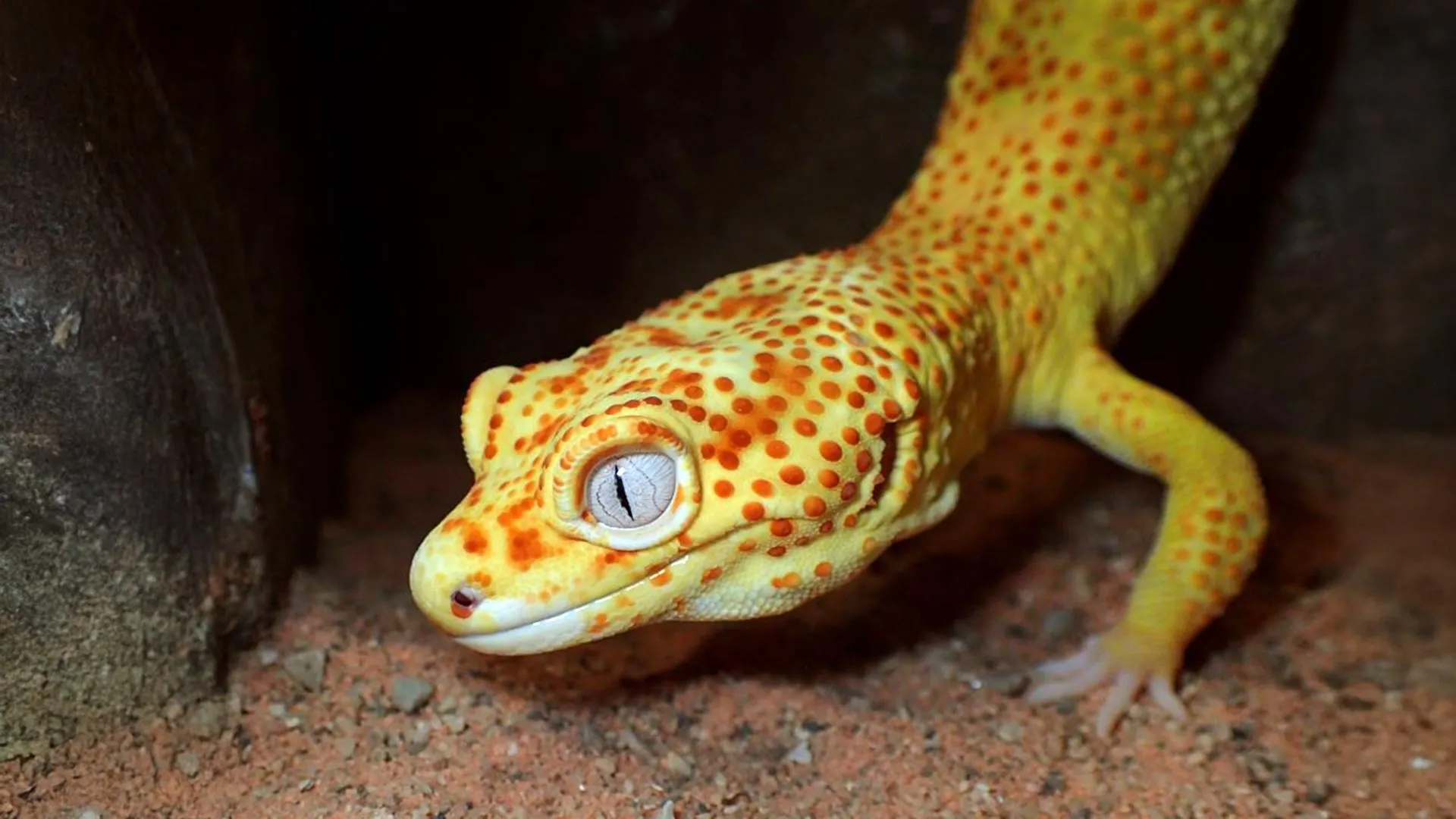
Now, an international team of researchers has turned their gaze toward an unlikely source: a vibrant, highly sought-after pet reptile known as the "lemon frost" leopard gecko. Characterized by its brilliant white and yellow pigmentation, this specific morph possesses a biological quirk that has both troubled breeders and electrified the scientific community. Up to 80% of lemon frost geckos naturally develop aggressive, malignant tumors at a relatively young age—a stark contrast to other reptiles, such as turtles and tortoises, which exhibit an extraordinary, near-total resistance to the disease.
Published in the prestigious journal BMC Biology, a landmark study led by the University of Nottingham has mapped the genetic architecture behind this high cancer susceptibility. By deploying advanced whole-genome sequencing and computational software typically reserved for human medical diagnostics, the researchers discovered that the genetic pathways driving tumor formation in these geckos closely mirror those found in human cancers.
This discovery positions the lemon frost gecko as a groundbreaking natural model for oncology. Unlike laboratory models that require artificial intervention, these reptiles develop cancer spontaneously and suffer from frequent metastasis under natural conditions. By examining why certain species are profoundly vulnerable while others remain resilient, scientists believe they can unlock novel evolutionary strategies for cancer prevention, early detection, and targeted treatment—underscoring, once again, the profound medical value of global biodiversity.
Detailed Chronology: From Pet Trade Anomaly to Global Scientific Breakthrough
The Origin of the Lemon Frost Morph
The story of the lemon frost gecko begins not in a sterile university laboratory, but within the commercial enclosures of the exotic pet trade. Several years ago, a spontaneous genetic mutation occurred within a large captive breeding colony of leopard geckos (Eublepharis macularius). The resulting reptiles displayed a striking, highly marketable aesthetic: a brilliant, luminous combination of icy white and vivid yellow scales that immediately captivated reptile enthusiasts and commercial breeders.
As the morph grew in popularity, however, breeders began to notice a deeply concerning and sorrowful pattern. A vast majority of these visually striking geckos—approximately 80%—began developing severe dermatological and internal malignancies. These were not benign fatty lumps or localized cysts; they were aggressive, rapidly growing tumors that frequently metastasized, spreading from their original sites to other parts of the body and severely compromising the animals’ health and lifespan.
Recognizing the Scientific Opportunity
While commercial breeders struggled with the health implications of the mutation, evolutionary biologists and veterinary oncologists recognized a unique natural phenomenon. In the wild and in standard captive populations, cancer rates among reptiles vary wildly. While chelonians (turtles and tortoises) possess exceptional, evolutionarily refined mechanisms to suppress tumor growth, the lemon frost gecko stood out as an extreme outlier of vulnerability.
Recognizing the potential to study cancer progression in a non-traditional vertebrate model, an international consortium of scientists was formed. Spearheaded by Dr. Ylenia Chiari from the School of Life Sciences at the University of Nottingham, the research team brought together experts from diverse institutions, including PhD researcher Brandon Hastings (University of Nottingham), Dr. Scott Glaberman (University of Birmingham), Dr. Tony Gamble (Marquette University), Dr. Robert Ossiboff (University of Florida), alongside Virginia Gazziero and Dr. Giulio Caravagna from the University of Trieste.
Genomic Investigation and Discovery
To decode the biological mechanisms driving the lemon frost phenotype and its associated cancers, the team embarked on an intensive genetic analysis. Utilizing whole-genome sequencing, the researchers compared DNA samples extracted directly from the animals’ tumors with healthy tissue samples harvested from the same individuals.
The sequencing revealed a recurring, highly specific set of genetic mutations exclusively present within the tumor tissue. Crucially, many of these altered genes and their corresponding biological pathways were already well-documented in human oncology. The discovery that a reptile shares core molecular pathways of carcinogenesis with mammals bridges a vast evolutionary gap, confirming that the fundamental mechanics of cancer development are conserved across deep evolutionary lineages.
Furthermore, the team successfully adapted sophisticated genomic software programs—originally written and optimized to analyze human cancer genomes—to interpret the gecko’s genetic data. This methodological breakthrough proved that human-centric computational tools can be successfully cross-applied to diverse, non-model organisms, opening up entirely new avenues for comparative medicine.
Supporting Context & Metrics: Comparative Oncology and Biodiversity
Comparative Oncology: Why the Tree of Life Matters
Comparative oncology is an emerging discipline that studies naturally occurring cancer across different species to better understand the disease in humans and veterinary patients. For years, medical research has been constrained by a narrow band of model organisms. While mice, rats, and fruit flies have provided immense foundational knowledge, they do not fully replicate the physiological complexity, environmental variables, or longevity found in humans—nor do they capture the broad evolutionary adaptations to cancer found across the animal kingdom.
The natural world presents a fascinating paradox regarding cancer:
- Peto’s Paradox: According to statistical reasoning, animals with larger bodies and longer lifespans (such as elephants and whales) should have a significantly higher risk of developing cancer than smaller, short-lived animals, simply because they possess vastly more cells undergoing cell division. Yet, empirical evidence shows that cancer rates do not correlate with body size or lifespan across species. Large animals have evolved robust, multi-layered tumor-suppression mechanisms (such as multiple copies of tumor suppressor genes like TP53).
- The Reptilian Spectrum: Among reptiles, vulnerability to cancer is exceptionally diverse. Chelonians (turtles, tortoises, and terrapins) are renowned for their longevity and remarkably low incidence of tumors, suggesting they possess highly efficient cellular repair and immune-surveillance systems. Conversely, the lemon frost leopard gecko represents the opposite end of the spectrum—a hyper-susceptible biological system where a single genetic mutation cascades into widespread oncogenesis.
Key Metrics of the Lemon Frost Study
- Tumor Penetrance: Approximately 80% of lemon frost leopard geckos develop aggressive tumors, making it one of the most reliable models of spontaneous cancer in non-mammalian vertebrates.
- Metastatic Rate: Unlike localized benign growths, the tumors in lemon frost geckos frequently metastasize, allowing researchers to study the entire lifecycle of cancer—from initiation and evolution to secondary site colonization.
- Cross-Species Genomic Alignment: Whole-genome sequencing identified multiple mutated genes and pathways that directly overlap with human cancer genomics, validating the gecko as a translationally relevant model.
- Collaborative Global Footprint: The research united experts across six major academic and research institutions spanning the United Kingdom, the United States, and Italy.
Official Statements and Expert Insights
The implications of this research extend far beyond herpetology, offering a philosophical and methodological shift in how medical science approaches disease. The study’s leading minds have articulated the profound significance of these findings through official statements:
"By studying why some animals are so susceptible to cancer while others are remarkably resistant, we hope to uncover the different ways species have evolved to deal with cancer. Specifically, this gecko could become an incredible model in cancer research because tumors appear naturally at a relatively early age. Together, these natural strategies could inspire new ways of preventing, detecting, and treating cancer in humans."
— Dr. Ylenia Chiari, School of Life Sciences, University of Nottingham
Dr. Chiari emphasizes the unique advantage of studying spontaneous, early-onset tumors. In traditional rodent models, researchers must expose subjects to carcinogens or genetically engineer them to develop specific cancers. In contrast, the lemon frost gecko provides an organic, living laboratory where oncogenesis unfolds naturally, mirroring the environmental and internal pressures faced by human patients.
"Overall, our paper demonstrates the importance of looking across the tree of life in search of answers that are needed to better understand diseases that can have a profound impact on human life, such as cancer. Methodologically, it also highlights that the variety of genomic software programs developed to analyze human cancers can be adapted to provide meaningful insights in diverse organisms."
— Brandon Hastings, PhD Researcher, University of Nottingham
Brandon Hastings highlights the cross-disciplinary power of modern bioinformatics. By proving that algorithms designed for human oncology can decode reptile genomes, the research team has lowered the barrier to entry for studying non-traditional model organisms, paving the way for a broader, more inclusive genomic revolution.
"We often look inward to solve human problems, but every species has something to teach us. By studying both animals that are vulnerable to cancer and those that resist it, we have far greater power to understand the disease itself. This is one of the many reasons why protecting biodiversity is so important."
— Dr. Scott Glaberman, University of Birmingham
Dr. Glaberman’s perspective introduces an urgent conservation-oriented message. Beyond its immediate medical applications, this research serves as a powerful reminder that global biodiversity is an irreplaceable library of biological solutions. Every animal species—whether hyper-resistant like the tortoise or vulnerable like the lemon frost gecko—holds evolutionary blueprints shaped by millions of years of natural selection. Preserving biodiversity is not only an ecological necessity but a medical imperative.
Future Outlook: What the Gecko Means for the Future of Human Medicine
As the scientific community digests the findings published in BMC Biology, the trajectory of comparative oncology is shifting into high gear. The identification of the lemon frost gecko as a viable, naturally occurring cancer model opens up several critical pathways for future research and medical development:
1. Advancing Early Detection and Biomarker Discovery
Because lemon frost geckos develop tumors at a relatively young age and with high predictability, researchers now have an unprecedented opportunity to track the earliest cellular changes that precede visible tumor formation. By identifying early genetic and proteomic biomarkers in these geckos, medical scientists can refine screening protocols for human patients, catching malignancies at their nascent, most treatable stages.
2. Decoding Metastasis and Tumor Evolution
One of the most lethal aspects of human cancer is metastasis—the ability of cancer cells to break away from a primary tumor, travel through the bloodstream or lymphatic system, and colonize distant organs. Because lemon frost gecko tumors frequently metastasize under natural conditions, researchers can study the precise molecular mechanisms that enable cancer cells to survive migration and establish secondary colonies. Understanding these pathways could lead to targeted therapies designed to block metastasis in human cancer patients.
3. Expanding the Boundaries of Comparative Medicine
The success of this study demonstrates that researchers must look beyond standard laboratory animals. Future research initiatives will likely screen other vertebrate and invertebrate species with extreme phenotypic traits—such as extreme cancer resistance in naked mole-rats or cetaceans, and high susceptibility in specialized captive morphs—to build a comprehensive map of how different branches of the tree of life manage oncogenesis.
4. The Intersect of Conservation and Human Health
Ultimately, the lemon frost gecko narrative reinforces a vital truth: human health is inextricably linked to the health of the natural world. As human activity continues to threaten global ecosystems, countless species—and the unique biological adaptations they harbor—risk being lost before science has the chance to learn from them. By championing biodiversity conservation, humanity preserves not only majestic ecosystems and delicate habitats, but potentially the very biochemical keys needed to conquer our most devastating diseases.