





Executive Overview
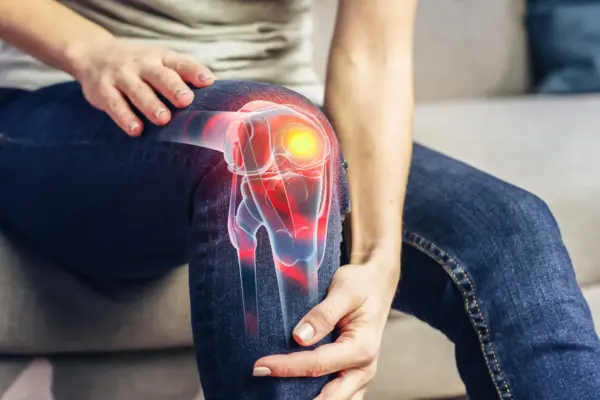
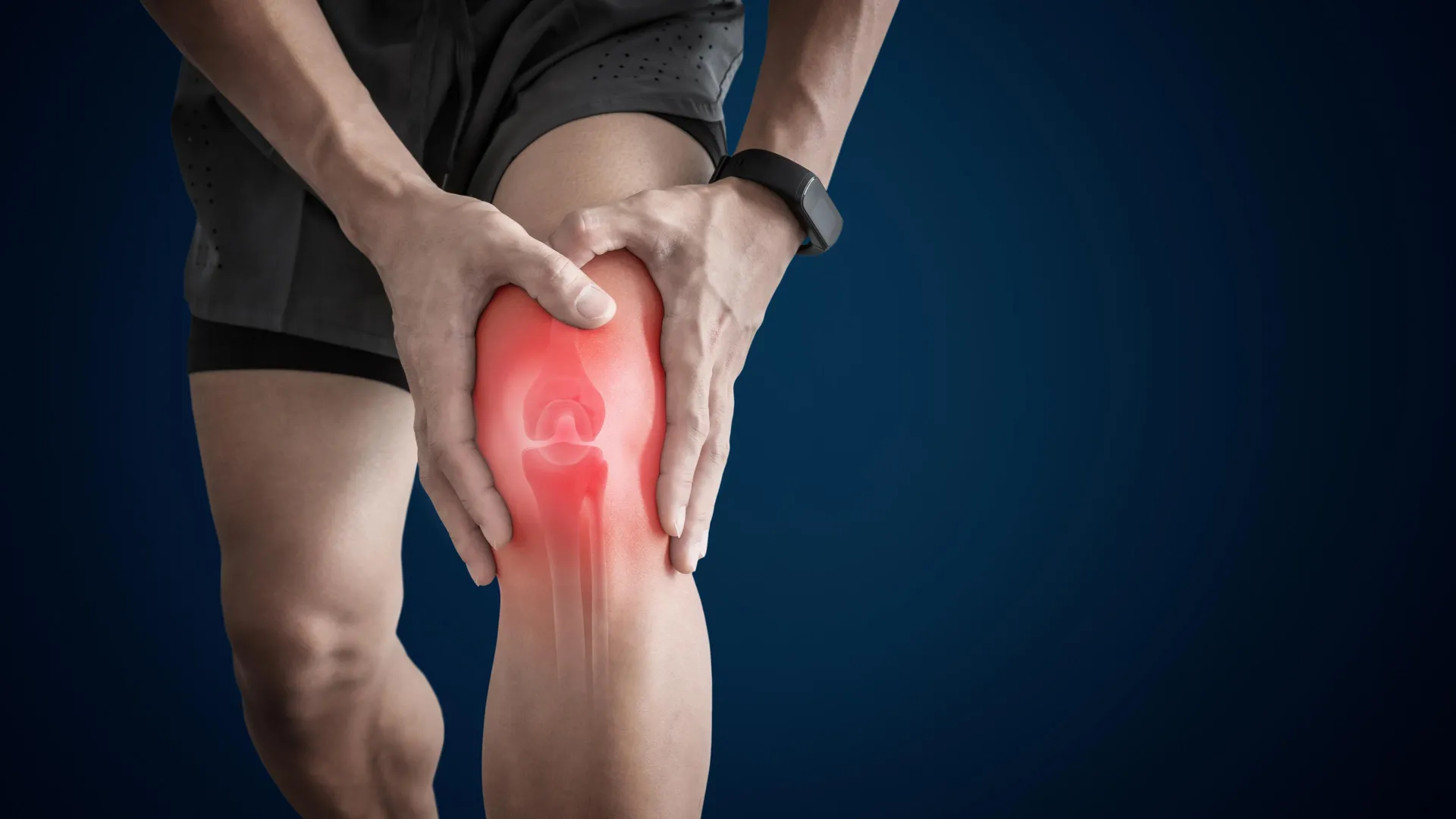
Knee osteoarthritis (OA) remains one of the most pervasive and debilitating conditions facing aging populations globally, affecting hundreds of millions with chronic pain, joint stiffness, and diminishing mobility. For decades, the medical community has relied heavily on a standard array of interventions: pharmacological pain management—often burdened by adverse side effects ranging from gastrointestinal distress to cardiovascular risks—and structured physical therapy regimens that, while clinically effective, suffer from notoriously high patient attrition rates.
However, a groundbreaking clinical trial conducted by researchers at the University of Nottingham and published in the journal Nutrients introduces an entirely novel therapeutic paradigm. The INSPIRE clinical trial has demonstrated that a simple, daily dose of inulin—a natural prebiotic dietary fiber harvested from sources such as chicory root and Jerusalem artichokes—can significantly reduce pain, improve physical function, and heighten overall pain thresholds in individuals suffering from knee osteoarthritis.
Beyond pain reduction, the trial revealed fascinating physiological markers associated with prebiotic supplementation. Participants taking inulin exhibited stronger overall grip strength, reduced systemic sensitivity to pain, and elevated levels of beneficial short-chain fatty acids, notably butyrate, as well as the gut hormone glucagon-like peptide-1 (GLP-1). Most notably from a public health and adherence perspective, the inulin regimen boasted an exceptionally low dropout rate of just 3.6%, compared to a 21% attrition rate among participants assigned to a digital physiotherapy exercise program.
These findings suggest that targeting the gut microbiome may offer a highly accessible, safe, and easily maintainable intervention that bypasses the compliance barriers of traditional lifestyle programs. As medical science increasingly recognizes the complex cross-talk between the gastrointestinal tract, the nervous system, and musculoskeletal health—often referred to as the "gut-muscle-pain axis"—this research opens exciting new pathways for managing chronic inflammatory conditions and enhancing physical resilience in older adults.
Detailed Chronology of the INSPIRE Clinical Trial
To understand the weight of these findings, it is essential to examine the design, execution, and progression of the INSPIRE trial. Designed as a rigorous, randomized controlled study, the research was structured to evaluate both the independent and combined effects of dietary supplementation and digital physiotherapy on knee osteoarthritis management.
Study Design and Participant Cohort
The six-week randomized controlled trial enrolled a cohort of 117 adult participants, all of whom had clinically confirmed symptomatic knee osteoarthritis. The primary objective was to observe how modulating the gut microbiome via prebiotics, alongside or compared against structured movement, influenced subjective pain scores, objective physical function, and systemic biomarkers.
To parse out the specific mechanisms and comparative efficacy of the interventions, the researchers divided the 117 participants into four distinct parallel arms:
- The Inulin Group: Participants who received a daily dose of inulin prebiotic fiber.
- The Digital Physiotherapy (PSE) Group: Participants assigned to a structured, digital physiotherapy-supported exercise program.
- The Combination Group: Participants who received both the daily inulin supplement and the digital physiotherapy program.
- The Placebo Group: A control cohort receiving an inactive matching substance.
Intervention and Administration
Participants in the inulin arms integrated the chicory-derived dietary fiber seamlessly into their daily nutritional routines—often mixing it into morning beverages or yogurt. Inulin functions as a classic prebiotic; unlike digestible carbohydrates, it passes through the upper gastrointestinal tract largely unaltered until it reaches the large intestine. Here, it acts as selective nourishment for beneficial resident microflora.
Simultaneously, the physiotherapy cohorts engaged in prescribed movement routines delivered via digital platforms, designed to strengthen the musculature surrounding the knee joint, improve range of motion, and enhance biomechanical stability.
Key Clinical Observations at Week Six
At the conclusion of the six-week intervention period, researchers evaluated changes across multiple clinical endpoints. Both the inulin-supplemented participants and those undergoing digital physiotherapy demonstrated independent reductions in knee osteoarthritis pain. However, the qualitative and quantitative improvements diverged in notable ways:
- Pain Sensitivity and Neurological Processing: Only the participants in the inulin-receiving groups experienced a measurable reduction in overall pain sensitivity. This metric, evaluated through quantitative sensory testing, reflects how efficiently the central and peripheral nervous systems detect and process painful signals, indicating that prebiotic intervention may alter systemic pain perception at a neurological level.
- Grip Strength and Muscle Biomarkers: A standout secondary finding was that participants taking inulin showed significant improvements in overall grip strength—a standard proxy for overall systemic health, functional aging, and muscle vitality.
- Adherence and Attrition Disparities: The most striking divergence between the modalities lay in participant retention. While the inulin supplement experienced a minuscule dropout rate of just 3.6%, the digital physiotherapy program saw 21% of its assigned participants drop out before study completion. This vast gap underscores a foundational hurdle in chronic disease management: patient adherence. While exercise is undeniably beneficial, getting patients to maintain rigorous physical routines over time remains a persistent clinical challenge, whereas mixing a flavorless fiber into breakfast requires minimal behavioral friction.
Supporting Context & Metrics: The Science of the Gut-Muscle-Pain Axis
To fully appreciate why a dietary fiber supplement can influence joint pain and muscle strength in the lower extremities, one must examine the complex biological ecosystem of the human gut microbiome and its systemic reach.
[Inulin Prebiotic Fiber]
       │
       ▼ (Fermented by gut bacteria in the colon)
[Short-Chain Fatty Acids (SCFAs)] ──> Including Butyrate (Anti-inflammatory)
       │
       ▼
[Elevation of GLP-1 Hormones] ──> Linked to Pain Regulation & Muscle Health
       │
       ▼
[Clinical Outcomes]
  • Reduced Knee Pain & Sensitivity
  • Enhanced Grip Strength & Resilience
  • Exceptionally High Patient Compliance (3.6% Dropout)
The Microbiome as an Endocrine and Neurological Organ
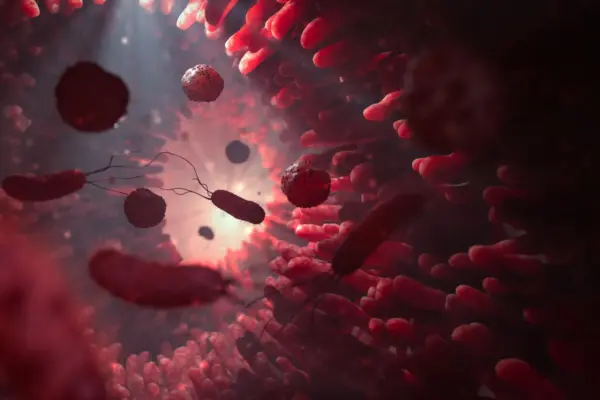
The human gastrointestinal tract houses trillions of microorganisms—bacteria, fungi, and viruses—collectively known as the gut microbiome. Far from being passive bystanders in digestion, these microbial communities act effectively as a virtual endocrine organ. They synthesize vitamins, metabolize xenobiotics, train the immune system, and produce bioactive signaling molecules that travel via the bloodstream to interact remotely with distant organs, including the brain, joints, and skeletal muscles.
When humans consume prebiotic fibers like inulin, these complex carbohydrates are fermented by specific strains of beneficial bacteria (such as Bifidobacteria and Lactobacilli). This fermentation process yields valuable metabolic byproducts known as short-chain fatty acids (SCFAs), with acetate, propionate, and butyrate being the most prominent.
The Mechanism of Butyrate and Systemic Inflammation
Butyrate plays a particularly critical role in human physiology. Beyond serving as the primary energy source for the epithelial cells lining the colon, butyrate possesses potent anti-inflammatory and immunomodulatory properties.
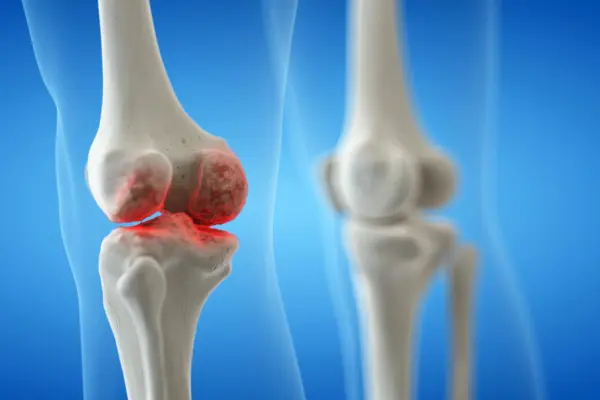
Osteoarthritis, long mischaracterized as merely "wear-and-tear" joint degeneration, is now understood to involve low-grade, systemic inflammation. Inflammatory cytokines circulate through the bloodstream, exacerbating cartilage breakdown, increasing synovial inflammation, and heightening the sensitivity of sensory nerve endings within and around the joint capsule. By stimulating the production of butyrate and other SCFAs, daily inulin consumption helps suppress systemic inflammatory pathways, thereby dampening the biochemical signals that drive joint pain.
Unraveling the GLP-1 Connection
A particularly exciting biomarker discovery in the INSPIRE trial was the marked elevation of glucagon-like peptide-1 (GLP-1) among participants receiving inulin. Traditionally recognized for its role in glucose homeostasis and satiety—and famously targeted by modern metabolic and weight-loss pharmacotherapies—GLP-1 receptors are also expressed in neural and musculoskeletal tissues.
The study revealed a direct statistical link between increased GLP-1 levels and improvements in participant grip strength. This suggests a previously underappreciated cross-talk mechanism: the gut-muscle-pain axis. By nourishing specific microbial populations, the introduction of dietary prebiotics appears to stimulate gut hormone pathways that not only assist in pain modulation but also support muscle health and physical resilience. This intersection has profound implications not only for osteoarthritis management, but for understanding how nutritional science can combat age-related muscle wasting (sarcopenia) and systemic frailty.
Official Statements & Expert Perspectives
The publication of the INSPIRE trial results has drawn widespread attention from leading academic researchers, clinical specialists, and public health organizations. The implications of utilizing a safe, inexpensive dietary intervention to manage a major global disability have resonated across the medical community.
Dr. Afroditi Kouraki, lead author of the study from the School of Medicine at the University of Nottingham, emphasized the practical, everyday implications of the research:
"This study raises the exciting possibility that a simple dietary change—adding a fiber supplement to your breakfast or yogurt—could meaningfully reduce pain and improve physical function. Our findings suggest that targeting gut health with a prebiotic supplement is a safe, well-tolerated, and effective way to reduce pain in people with knee osteoarthritis. The very low dropout rate compared to the exercise group is also encouraging from a public health perspective—people were able to fit this supplement easily into their daily lives."
Senior author Professor Ana Valdes, also from the School of Medicine at the University of Nottingham, highlighted the broader physiological implications of the findings regarding human aging:
"The link we observed between GLP-1 and grip strength is particularly intriguing and points to a broader gut-muscle-pain axis that warrants further investigation. This could have implications not just for osteoarthritis, but for understanding how gut health influences ageing and physical resilience more broadly."
Public health and patient advocacy organizations have similarly welcomed the research as a validation of holistic, multifaceted approaches to chronic disease. Professor Lucy Donaldson, Director of Research at Arthritis UK, contextualized the findings within the lived reality of millions of patients:
"The pain of arthritis can severely impact quality of life. Our recent lived experience survey showed that six in ten people are living in pain most or all of the time due to their arthritis. Researchers are starting to explore the role of the gut microbiome in our experience of pain. This exciting preliminary research highlights how diet and physiotherapy can act in different ways to have benefits for people with arthritis. We know a variety and balance of healthy foods, including fiber, and regular physical activity matter, and we’re glad to be supporting research that explores how they work to help people with arthritis."
Future Outlook: Translating Microbiome Science into Clinical Practice
As the medical community digests the outcomes of the INSPIRE clinical trial, the conversation naturally shifts toward what comes next. While the results are undeniably promising, researchers and clinicians emphasize that these findings represent an important foundational step rather than an immediate standalone cure.
Toward Larger, Long-Term Trials
The six-week duration and 117-participant cohort of the INSPIRE trial were intentionally structured to establish initial proof of concept, safety profiles, and biomarker shifts. However, validating these findings for broad clinical recommendation will require larger, multi-center randomized controlled trials spanning six months to multiple years.
Future studies must address several lingering clinical questions:
- Microbial Profiling: Identifying precisely which baseline microbiome compositions predict the most favorable therapeutic response to inulin. Personalized nutrition models could soon allow clinicians to test a patient’s microbiome and tailor prebiotic interventions accordingly.
- Optimal Dosing: Determining the optimal daily dosage of inulin required to maximize butyrate production and GLP-1 stimulation without inducing mild gastrointestinal side effects, such as bloating or flatulence, which can occasionally accompany sudden increases in fiber intake.
- Synergistic Protocols: Because the trial examined both inulin and physiotherapy—and noted that each operated via distinct mechanisms—future protocols may successfully combine personalized dietary prebiotics with tailored, low-barrier exercise movements to achieve maximal synergistic relief for joint pain sufferers.
A Paradigm Shift in Chronic Disease Management
Ultimately, the INSPIRE trial exemplifies a broader, paradigm-shifting movement within modern medicine: the recognition that chronic, degenerative conditions traditionally managed strictly at the site of pathology (such as the cartilage of the knee joint) may be profoundly influenced by systemic, whole-body networks like the gastrointestinal microbiome.
For the hundreds of millions of individuals worldwide who navigate the daily burden of knee osteoarthritis, the prospect of managing pain not merely through pharmaceutical masking or grueling exercise regimens, but by nourishing the microscopic ecosystem within their digestive tracts, offers a new horizon of hope. As research continues to map the intricate contours of the gut-muscle-pain axis, the humble breakfast fiber supplement may soon transition from a general wellness recommendation into a cornerstone of evidence-based rheumatological care.