




Executive Overview
As the global population ages, researchers face a persistent biological hurdle: the natural, gradual degradation of the human immune system, a process known as immunosenescence. While medical advancements have produced life-saving vaccines for everything from seasonal influenza to novel pathogens like SARS-CoV-2, their efficacy frequently diminishes among older populations. For millions of seniors, a standard vaccination does not guarantee robust protection, leaving them disproportionately vulnerable to severe illness, hospitalization, and death.
However, recent findings published in the journal Aging Cell offer a promising glimpse into a potential dietary solution. A naturally occurring polyamine compound called spermidine—found both within human cells and in everyday foods such as wheat germ, mushrooms, and aged cheeses—may help combat the biological signs of immune system aging. According to a new pilot trial led by researchers at the Max Delbrück Center and the University of Oxford, daily supplementation with spermidine successfully improved vaccine responses in a subset of older adults characterized by poor immunological memory and high rates of cellular senescence.
While the study is small, involving just 40 participants, its implications are far-reaching. By targeting the fundamental cellular housekeeping mechanisms that fail as we grow older, spermidine could pave the way for safe, accessible adjunct therapies that enhance vaccine efficacy in aging populations. This report provides an in-depth look at the mechanics of immunosenescence, the design and outcomes of the Oxford-led clinical trial, the biochemical pathways involved, and the necessary next steps before this natural compound can be recommended for widespread clinical use.
Detailed Chronology: From Cellular Decline to Clinical Trial
To understand the significance of the recent Aging Cell study, one must trace the timeline of how the research evolved from basic cellular biology to a targeted clinical trial involving human volunteers.
The Biological Problem: Immunosenescence
For decades, immunologists have observed that the human immune system undergoes a predictable, degenerative remodeling over time. T cells and B cells—the frontline defenders that recognize and remember foreign pathogens—become sluggish and less adaptable. In older adults, the thymus gland shrinks, drastically reducing the production of naive T cells capable of mounting defenses against novel threats.
When an older adult receives a vaccine, their aging immune cells often fail to proliferate efficiently, produce fewer high-affinity neutralizing antibodies, and display signs of chronic, low-grade systemic inflammation (often referred to as "inflammaging"). During the COVID-19 pandemic, this vulnerability became starkly apparent. Despite multiple rounds of vaccination, a significant minority of older individuals failed to mount protective antibody titers, placing them at continuous risk.
Pinpointing the Target: Spermidine and Autophagy
Years prior to the recent clinical trial, researchers began investigating spermidine for its profound effects on longevity and cellular health in model organisms. Produced naturally by human cells, spermidine’s primary claim to fame in molecular biology is its ability to induce autophagy.
Autophagy (literally meaning "self-eating") is the body’s native recycling and waste-disposal system. Inside cells, damaged organelles, misfolded proteins, and metabolic debris accumulate over time. Autophagy sweeps away this cellular garbage, breaking it down into reusable building blocks. Unfortunately, as humans age, autophagic efficiency plummets. Cellular debris builds up, leading to DNA damage, mitochondrial dysfunction, and ultimately, cellular senescence—a state where damaged cells stop dividing but refuse to die, lingering in tissues and spewing inflammatory signals.
Dr. Katja Simon, Group Leader of the Cell Biology of Immunity lab at the Max Delbrück Center, and Dr. Ghada Alsaleh, Associate Professor at the Nuffield Department of Orthopaedics, Rheumatology & Musculoskeletal Sciences (NDORMS) at the University of Oxford, hypothesized that restoring autophagic flux via spermidine supplementation might rejuvenate aging immune cells and restore their responsiveness to vaccines.
The Clinical Trial Design
To test this hypothesis, Simon, Alsaleh, and their multidisciplinary team—which included collaborators from the Oxford Vaccine Group (such as Drs. Paul Klenerman, Teresa Lambe, and Lucy Jones) alongside Owen B. Spiller from Cardiff University—recruited a cohort of 40 healthy adults aged 65 and older.
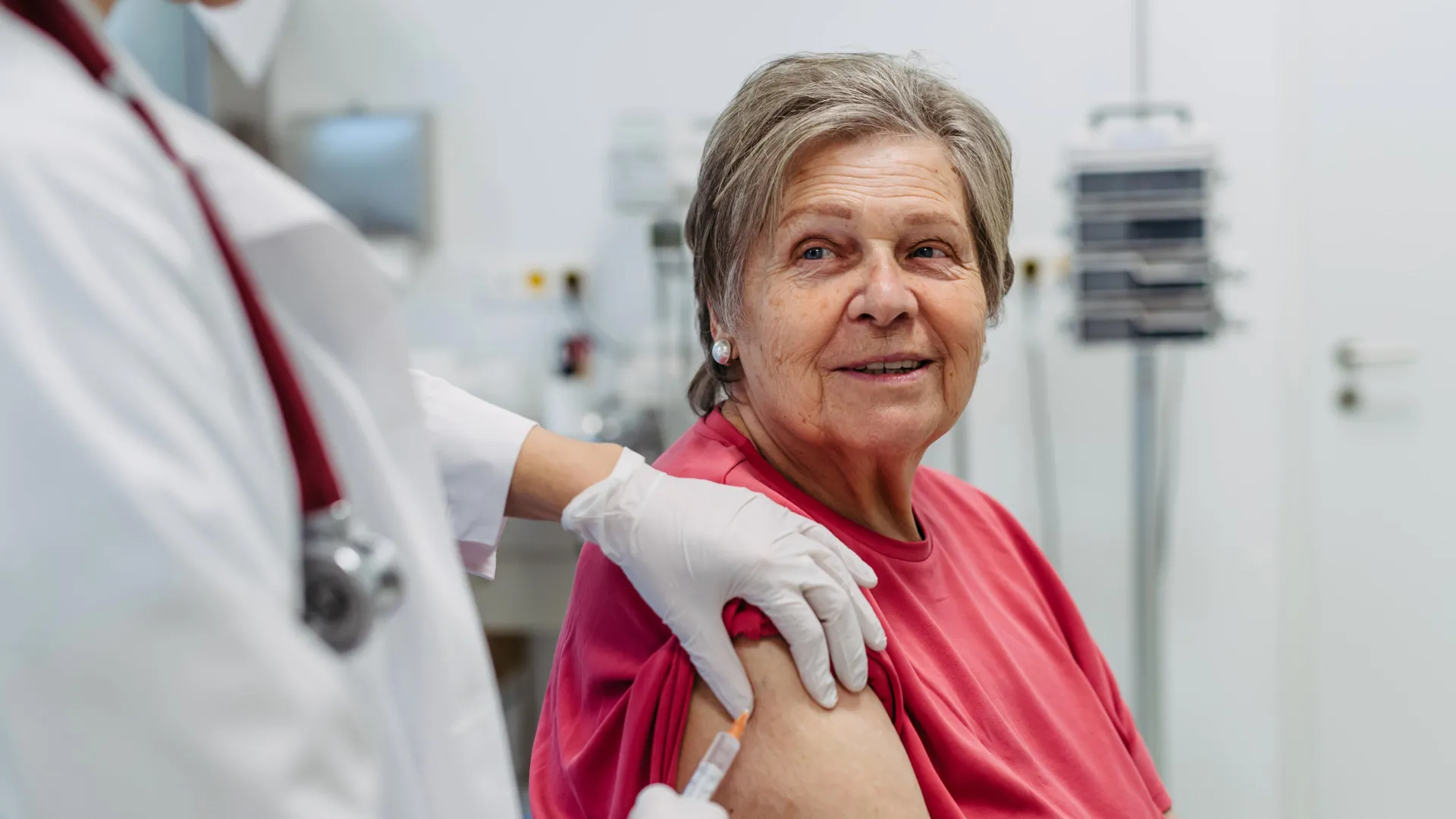
The timing of the trial was meticulously structured around the participants’ routine healthcare schedules. Shortly after receiving their third COVID-19 vaccination, the participants were randomly assigned to ingest either a daily six-milligram dose of spermidine or a placebo for a duration of 13 weeks.
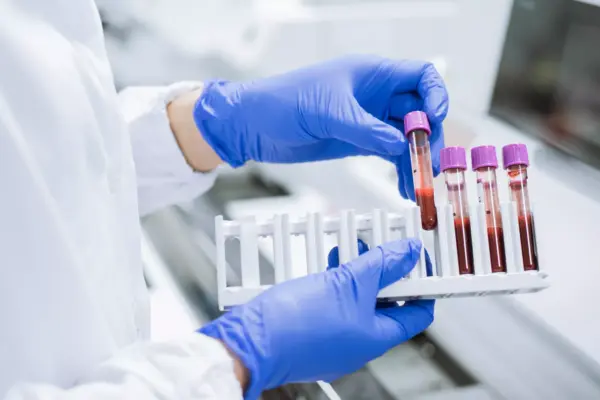
Blood samples were drawn at multiple intervals to monitor antibody titers, neutralization capabilities against emerging SARS-CoV-2 variants, and cellular biomarkers associated with DNA damage, senescence, and autophagy.
Discovery of the "Nonresponder" Phenotype
As the trial data was unblinded and analyzed, a distinct bifurcation emerged among the elderly participants. Approximately 25% of the cohort (one-quarter of the participants) were classified as vaccine "nonresponders" or weak responders. Even after three doses of the COVID-19 vaccine, these individuals produced critically low antibody titers.
Laboratory analysis of their immune cells revealed a stark biological signature: extensive DNA damage, high concentrations of molecular markers linked to cellular senescence, and profoundly depressed autophagic activity. It was precisely within this vulnerable subgroup that the administration of spermidine produced transformative results.
Supporting Context & Metrics
| Metric / Parameter | Detail / Finding |
|---|---|
| Study Size | 40 healthy human participants |
| Age Demographic | Adults aged 65 years and older |
| Intervention | 6 milligrams of oral spermidine daily vs. placebo |
| Intervention Duration | 13 weeks |
| Primary Vaccination Context | Post-third dose of COVID-19 mRNA vaccination |
| Key Biological Target | Autophagy upregulation and reduction of cellular senescence |
| Safety Profile | Highly tolerable; zero adverse side effects reported |
| Key Finding | Substantial improvements in antibody titers and neutralizing activity among baseline nonresponders |
Dietary Sources of Spermidine
While the trial utilized a standardized, highly purified oral supplement of six milligrams, spermidine is readily available through everyday nutrition. For individuals seeking to incorporate the compound into their diets organically, rich sources include:
- Wheat Germ: One of the most concentrated natural sources of polyamines.
- Mushrooms: Particularly varieties like shiitake and maitake.
- Aged Cheeses: Parmesan, cheddar, and manchego undergo fermentation processes that elevate spermidine concentrations.
- Legumes and Soy Products: Soybeans, peas, and lentils.
- Whole Grains: Brown rice and whole-wheat products.
Despite its presence in the human diet, endogenous synthesis and dietary intake often decline with age, making supplementation an attractive strategy for therapeutic interventions.
Official Statements and Expert Insights
The collaborative nature of this research brought together world-class immunologists, vaccinologists, and clinical trial experts from leading academic institutions across Europe. Their published findings and public statements provide essential context regarding the potential and limitations of the study.
Dr. Ghada Alsaleh of the University of Oxford emphasized the paradox of elderly vaccination responses and why targeted interventions are desperately needed:
"Many older adults respond well to vaccines," Alsaleh explains. "কিন্তু some do not develop strong protection, even after repeated vaccination. Biological aging of immune cells may be one reason why this happens. Our findings suggest that spermidine could help restore aspects of immune function in this group."
Addressing the preliminary nature of the findings and mapping out the necessary trajectory for future research, Dr. Katja Simon of the Max Delbrück Center highlighted the imperative for larger-scale investigations:
"This study was designed as a pilot trial and involved a relatively small number of participants," says Simon. "Larger studies will be needed to determine whether spermidine can consistently improve vaccine responses and whether similar effects are seen with other vaccines, such as those used against seasonal influenza."
Independent immunologists not directly affiliated with the study have praised the mechanistic approach of targeting autophagy rather than merely attempting to stimulate exhausted immune cells through brute-force cytokine signaling. By clearing out cellular refuse and lowering the burden of senescent T cells, spermidine appears to reset the biological clock of the immune system just enough to allow standard antigenic stimulation to take proper hold.
Future Outlook: Translating Pilot Data into Clinical Reality
While the results published in Aging Cell represent an exciting leap forward in gerontology and immunology, researchers and clinicians urge measured optimism. The transition from a 40-person pilot trial to global clinical recommendations requires navigating several critical milestones.
1. Expanding Cohort Sizes and Demographics
A sample size of 40 participants, while sufficient to demonstrate safety and detect clear directional trends in biological markers, is too small to establish universal efficacy. Future trials must scale up to hundreds—or thousands—of participants across diverse demographic, geographic, and socioeconomic backgrounds. Furthermore, researchers must determine whether the benefits observed in older adults translate equally across different biological sexes and individuals with complex multi-morbidity profiles.
2. Cross-Pathogen Efficacy Testing
The current trial focused exclusively on responses following a third dose of a COVID-19 vaccine. However, the foundational mechanisms of immunosenescence affect humoral and cellular responses to a wide array of pathogens. Immediate research priorities include testing spermidine supplementation in conjunction with:
- High-dose seasonal influenza vaccines, which already struggle with reduced efficacy in octogenarians and nonagenarians.
- Pneumococcal conjugate vaccines, critical for preventing deadly pneumonia in older adults.
- Shingles (Herpes Zoster) vaccines, where waning cell-mediated immunity leaves seniors vulnerable to painful reactivation events.
3. Optimizing Dosage and Formulation
The six-milligram daily dose utilized in the trial proved safe and well-tolerated, with zero reported adverse events. Nevertheless, pharmacokinetics research is needed to determine the optimal dosage curve. Is a higher dose more effective, or is there a plateau beyond which additional spermidine yields no further autophagic benefit? Additionally, researchers must explore whether time-released formulations or dietary pairing can enhance bioavailability.
4. Regulatory and Public Health Implications
If larger randomized controlled trials corroborate these findings, the integration of spermidine into geriatric medicine could take several forms. It could be formulated as an over-the-counter nutraceutical specifically marketed for older adults during vaccination seasons, or it could be developed into a pharmaceutical-grade adjuvant prescribed weeks prior to receiving annual inoculations.
For an aging global society constantly threatened by mutating respiratory viruses and waning vaccine protection, the prospect of rejuvenating the immune system from the inside out using a naturally occurring compound is nothing short of revolutionary. As Dr. Simon and her colleagues prepare for the next phase of clinical trials, the medical community watches closely, hopeful that this simple molecular key might unlock long-lasting resilience for the immune systems of tomorrow.