










Executive Overview
Childhood trauma leaves more than just emotional echoes; it etches a permanent, physical blueprint into the very architecture of the developing human brain. For decades, clinicians and neuroscientists have documented a grim statistical reality: individuals who endure severe stress during their formative years—such as abuse, domestic violence, neglect, or household substance abuse—face a drastically elevated risk of developing anxiety, severe depression, and other debilitating mood disorders later in life. Yet, the precise molecular mechanics translating fleeting psychological trauma into permanent psychiatric vulnerability have remained elusive.
Now, a groundbreaking collaborative study published in the journal Neuron by researchers at the Washington University School of Medicine in St. Louis and Princeton University has illuminated this missing biological link. The investigation reveals that early-life adversity fundamentally alters how brain cells package their DNA, effectively priming the neural machinery to overreact to future life stressors.
By pinpointing a specific enzyme—SETD7—as a primary driver that physically reorganizes the cellular epigenome, the research team has unlocked a concrete biological target for future psychiatric interventions. With over half of the global population experiencing some form of childhood adversity, this discovery moves the medical community one step closer to transforming abstract psychotherapy into targeted, mechanism-driven therapeutics capable of shielding vulnerable minds before lifelong mental illness takes root.
Detailed Chronology & Scientific Discovery
To comprehend how a traumatic childhood translates into adult anxiety, one must look deep within the microscopic machinery of the brain. For years, scientists recognized that early environmental stressors could alter gene activity, but the exact sequence of molecular dominoes remained hidden. The recent study published on August 7 in Neuron bridges this knowledge gap by detailing the step-by-step biological cascade triggered by early developmental trauma.
Zeroing In on the Dopamine Center
The collaborative research team, spearheaded by neuroscientists at WashU Medicine and Princeton, began by focusing their investigative lenses on a critical neurological hub: the ventral tegmental area (VTA). This region is densely populated with neurons responsible for producing dopamine, the neurotransmitter fundamentally vital for processing rewards, motivation, and environmental stimuli.
When an individual experiences acute or chronic stress, these dopamine-producing neurons can become abnormally hyperactive. Over time, this chronic over-activation dysregulates the brain’s reward-processing circuitry, laying the physiological groundwork for the emergence of anxiety and depressive disorders in adulthood. However, the team wanted to know what happened inside these neurons at the genetic level to sustain this hyper-reactivity long after the initial stressor had passed.
The Epigenetic Slinky: Unraveling DNA Packaging
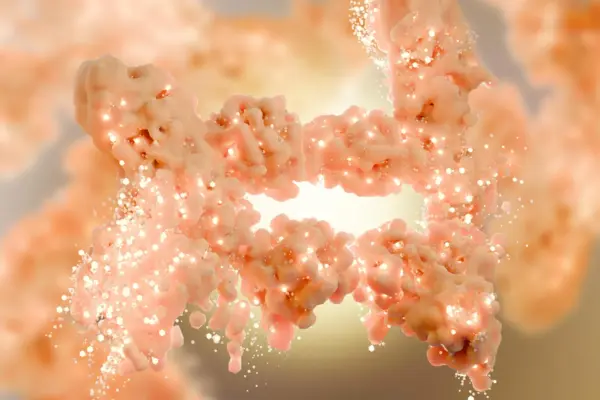
To answer this, the researchers examined the epigenome housed within these VTA dopamine neurons. Dr. Catherine Jensen Peña, an assistant professor at the Princeton Neuroscience Institute and co-corresponding author of the study, employed an intuitive metaphor to explain the mechanics of the epigenome: imagine the DNA inside a cell as a coiled Slinky toy.
This genetic Slinky is tightly wound around structural proteins known as histones. When the structure is compressed tightly, the genes nestled within are physically inaccessible to the cell’s transcriptional machinery; they remain switched off, dormant, and silent. Conversely, when the structure loosens and opens up, the underlying genes become exposed, making it exponentially easier for the cell to activate them in response to environmental cues.
The Culprit: SETD7 and the H3K4me1 Marker
Through comparative analysis, the researchers discovered that young mice exposed to early-life stress exhibited abnormally elevated levels of an enzyme called SETD7 within their dopamine-producing neurons, contrasting sharply with mice raised in stable, low-stress environments.
SETD7 acts as a molecular architect with a specific job: it adds a chemical marker known as H3K4me1 to the histone proteins surrounding the DNA. This specific tag functions like a crowbar, forcing the genetic Slinky to unwind and open up. By loosening this structural packaging, SETD7 makes stress-response genes exceptionally easy to switch on, rendering the brain cell hyper-reactive to any subsequent environmental challenge.
To prove causality rather than mere correlation, the research team engineered a clever experiment. They artificially increased SETD7 levels in young mice that had not experienced any early-life stress. As these animals matured into adulthood, their VTA dopamine neurons independently developed the exact same open DNA packaging structure observed in traumatized mice. Crucially, these animals began to display heightened anxiety and exaggerated stress responses, mirroring the behavioral phenotype of early-life trauma survivors.
Halting the Molecular Scar
Having demonstrated that SETD7 overexpression is sufficient to induce stress vulnerability, the scientists tested the inverse intervention. They manipulated the brains of mice subjected to early-life stress to block SETD7 from depositing its characteristic H3K4me1 chemical tags.
The results were astonishing. By preventing the enzyme from doing its work, the researchers kept the DNA packaging tightly closed. This intervention successfully protected the mice from developing heightened stress sensitivity later in life. Even when these treated mice were exposed to acute stress during adulthood, they behaved remarkably like unstressed control animals: they maintained healthy social behaviors, engaged in normal exploratory activity, and kept their dopamine neuron firing rates entirely within baseline parameters.
Supporting Context & Metrics: The Global Scale of Early Adversity
The clinical implications of this discovery are vast, underscored by epidemiological data revealing the staggering ubiquity of childhood trauma. According to international public health metrics, more than 50% of children worldwide experience at least one form of early-life adversity (often categorized under Adverse Childhood Experiences, or ACEs), which include physical or emotional abuse, household dysfunction, substance abuse by family members, violence, or severe neglect.
The Cumulative Dose Effect of Trauma
Public health research consistently demonstrates a dose-dependent relationship between childhood trauma and adult morbidity. While experiencing a single adverse event can leave psychological marks, the threshold where systemic vulnerability skyrockets typically sits at four or more adverse events. Individuals who surpass this threshold face a drastically amplified risk for a constellation of chronic health conditions, spanning from cardiovascular disease and autoimmune disorders to treatment-resistant depression, substance use disorders, and generalized anxiety.
+-------------------------------------------------------------------------+
|                  THE CASCADE OF CHILDHOOD ADVERSITY                     |
+-------------------------------------------------------------------------+
  [ Early-Life Stress: Abuse, Neglect, Household Dysfunction ]
                              │
                              ▼
  [ Elevated Levels of SETD7 Enzyme in VTA Dopamine Neurons ]
                              │
                              ▼
  [ Deposition of H3K4me1 Chemical Marker on Histones ]
                              │
                              ▼
  [ DNA Structure Unwinds ("Genetic Slinky" Opens) ]
                              │
                              ▼
  [ Stress-Response Genes Permanently Primed for Hyper-Reactivity ]
                              │
                              ▼
  [ Adult Onset: Heightened Vulnerability to Anxiety & Depression ]
+-------------------------------------------------------------------------+
The Economic and Societal Toll
Beyond the profound human suffering, the societal costs associated with untreated mood disorders rooted in childhood trauma run into the hundreds of billions of dollars annually, encompassing direct medical expenditures, lost workplace productivity, and long-term disability support. For generations, modern psychiatry has approached these conditions through downstream symptom management—deploying selective serotonin reuptake inhibitors (SSRIs) and talk therapy after anxiety or depression has fully manifested.
The identification of SETD7 shifts the paradigm. By exposing the physical, subcellular lesion left by trauma, this study opens the door to upstream pharmacological interventions that could theoretically intercept the epigenetic tagging process before chronic psychiatric disorders take root.
Official Statements & Expert Perspectives
The collaborative nature of the study—bridging the biochemical expertise of Washington University with the neuroscience framework of Princeton—has yielded profound insights praised by leaders in the field.
Dr. Meaghan Creed, PhD, associate professor of anesthesiology at WashU Medicine and co-corresponding author of the study, emphasized the tangible nature of the discovery:
"We have uncovered a new biological process linking experience of early-life adversity to this long-term vulnerability to mental illness," Dr. Creed stated. "This finding reveals a physical scar left by trauma experienced during development inside brain cells, providing scientists with a concrete biological target to develop new treatments and interventions."
Echoing these sentiments, Dr. Catherine Jensen Peña of the Princeton Neuroscience Institute highlighted the historical blind spots that have hindered psychiatric drug development for decades:
"There are currently no treatments for what early-life stress does to the brain, partially because we have not had a clear picture of what molecular mechanisms to target," noted Dr. Peña. "This work is exciting because it reveals a clear mechanism, and also helps explain why the impact of stress is both latent and broad."
Dr. Peña also pointed toward the hopeful horizon of combined psychological and biological support structures:
"Additionally, if we can step in with supportive care, therapy, or social resources to buffer children during those sensitive windows of development, we may be able to protect the epigenome—preventing the genetic slinky from locking into an open position and perhaps giving the developing brain a chance to build natural resilience."
Future Outlook: Translating Epigenetic Discoveries into Clinical Therapies
As the scientific community digests these findings, the race is on to translate murine models into viable human therapeutics. While manipulating epigenetic enzymes in laboratory mice provides profound causal proof, moving these interventions to human clinical trials requires navigating complex biological landscapes.
The Pharmacological Frontier: Inhibiting SETD7
The immediate pharmacological objective involves designing selective, blood-brain-barrier-penetrant inhibitors of the SETD7 enzyme. If chemists can successfully develop a small-molecule drug that safely inhibits SETD7 activity during or immediately following windows of severe trauma, clinicians might possess an acute "antidote" to early-life adversity. Administered alongside psychological first aid, such a therapeutic could prevent the permanent opening of the genetic Slinky, neutralizing the biological priming mechanism before it manifests as adult psychopathology.
The Convergence of Social Support and Molecular Protection
Importantly, the researchers stress that pharmacology is only half of the equation. Epigenetic markers are inherently dynamic; they respond to environmental enrichment just as readily as they respond to trauma. This plasticity suggests that robust social support systems, secure attachment figures, cognitive behavioral interventions, and enriched developmental environments can naturally buffer the developing brain.
When children receive timely psychosocial care, these positive environmental inputs may trigger counter-regulatory enzymes that close the chromatin structure, stabilizing the epigenome and fostering natural resilience. The molecular data validates what social workers and pediatricians have long argued: early intervention is not merely a supportive luxury, but a biological imperative that alters cellular destiny.
Conclusion
The study published in Neuron represents a monumental leap forward in our understanding of mental health and neurobiology. By mapping the pathway from early-life trauma to SETD7-mediated epigenetic modification, WashU Medicine and Princeton researchers have demystified the shadow that childhood adversity casts over adult life. The discovery transforms our understanding of trauma from an abstract psychological burden into a measurable, physical alteration of cellular architecture—and in doing so, points the way toward a future where the scars of the past can finally be erased at their very root.