






Executive Overview
The COVID-19 pandemic served as an unprecedented stress test for global healthcare systems, forcing medical institutions to rapidly adopt innovative technologies to maintain continuity of care while minimizing infection risks. Among the most transformative pivots was the widespread integration of digital tools in pathology. What began as a temporary, emergency workaround to keep diagnostic pipelines flowing quickly evolved into a resilient, highly efficient pillar of everyday clinical care. By leveraging high-resolution digital imaging and secure cloud infrastructure, pathologists were able to safely review slides, analyze complex cellular structures, and collaborate across vast geographic distances without stepping foot in a physical laboratory.
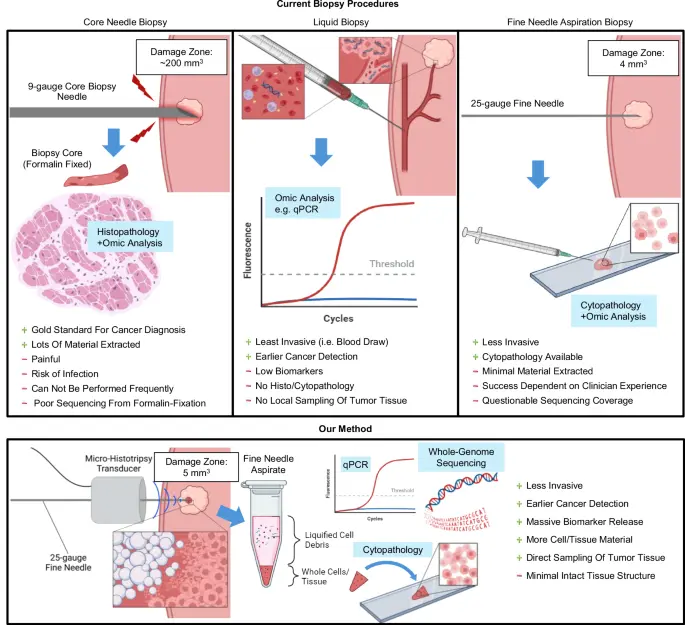
Yet, as healthcare systems look toward a modernized future, they face a jarring regulatory roadblock. Recent shifts in regulatory guidance have begun to restrict the continued use of these remote digital workflows, setting up a sharp collision between modern clinical innovation and legacy oversight. At the center of this brewing conflict is cytopathology—the meticulous examination of individual patient cells under a microscope to detect abnormalities, malignancies, and pre-cancerous conditions, most notably in routine Pap smear screenings for cervical cancer.
While laboratories invested heavily in robust digital infrastructure, multilayered cybersecurity frameworks, and strict internal governance to ensure remote diagnostics matched—or even exceeded—the safety of traditional microscopy, outdated regulatory interpretations threaten to dismantle these gains. This investigative report examines how emergency measures became clinical mainstays, why legacy oversight is inadvertently undermining high-quality patient care, and what the future holds for digital pathology as clinicians, regulators, and policymakers grapple with the realities of a modern workforce.
Detailed Chronology: From Emergency Pivot to Everyday Care
The 2020 Catalyst: Emergency Flexibilities and the Rise of Remote Pathology
When SARS-CoV-2 brought global travel and traditional workplaces to a standstill in early 2020, pathology laboratories faced an immediate crisis. Social distancing mandates, staff quarantines, and hospital overcrowding threatened to paralyze diagnostic workflows. In response, regulatory bodies—recognizing the existential threat to routine screening and cancer diagnosis—enacted temporary regulatory flexibilities.
These emergency waivers permitted pathologists and cytotechnologists to work remotely. For the first time, digital cytology review—examining whole-slide images and digital cytological preparations from home offices—was granted provisional authorization. Laboratories scrambled to procure secure monitors, establish encrypted virtual private networks (VPNs), and validate digital scanners to ensure that diagnostic integrity was preserved outside the hospital walls.
The Evolution into Mainstream Clinical Operations
What was initially conceived as a short-term band-aid soon revealed systemic advantages that far outlived the acute phase of the pandemic. Pathologists realized that digital workflows eliminated geographic bottlenecks. Subspecialty experts who were previously isolated to major academic medical centers could now consult on complex cases in rural or under-resourced community hospitals within minutes rather than days.
Furthermore, laboratories discovered that remote capabilities vastly improved operational resilience. When winter illness surges or local staffing shortages threatened to create diagnostic backlogs, remote-enabled staff could continue processing and reviewing cases safely from home. Recognizing these enduring benefits, healthcare institutions began treating remote digital pathology not as an emergency contingency, but as a permanent upgrade to their operational architecture. Billions of dollars were invested in end-to-end digital pathology ecosystems, secure governance frameworks, and continuous quality assurance protocols to embed remote diagnostics into the daily fabric of patient care.
The Regulatory Rollback and Current Impasse
Despite years of proven clinical safety, efficiency, and widespread institutional adoption, the regulatory landscape has recently shifted in the opposite direction. Citing the expiration of pandemic-era declarations or relying on rigid interpretations of legacy statutes written decades before the advent of whole-slide imaging, regulatory authorities have begun rolling back the flexibilities that enabled remote cytopathology.
These new restrictions effectively criminalize or penalize routine remote review, demanding that pathologists return to physical microscope benches housed strictly within designated, accredited laboratory spaces. The sudden pivot back to legacy oversight has left healthcare leaders, clinical directors, and patients bewildered, exposing a dangerous disconnect between rigid administrative rules and the dynamic realities of 21st-century medicine.
Supporting Context & Metrics: The Case for Digital Cytology
Workforce Shortages and Geographic Disparities
To understand why the restriction of remote digital pathology is so damaging, one must examine the current state of the medical workforce. Healthcare systems across the globe—and particularly in the United States—are grappling with severe shortages of qualified pathologists and cytotechnologists. An aging population with rising cancer incidence rates has led to an unprecedented volume of diagnostic requests, while the pipeline of incoming laboratory professionals struggles to keep pace.
Geographic distribution compounds this crisis. While major metropolitan centers and elite academic medical institutions often enjoy concentrations of subspecialty expertise, rural and community hospitals face chronic recruitment droughts. Patients in these underserved regions frequently experience delayed diagnoses because their tissue and cellular samples must be physically shipped across states to reach an appropriate specialist.
Remote digital cytopathology effectively neutralizes geography as a barrier to care. A cytotechnologist or pathologist working remotely can seamlessly access queues from multiple regional hubs, balancing workloads dynamically and ensuring that a patient in a remote clinic receives the exact same standard of review as someone treated in a premier urban cancer center.
Clinical Accuracy and Technological Validation
A common reservation among legacy regulators is the fear that digital images may lack the diagnostic fidelity of traditional glass slides viewed through a physical microscope. However, extensive clinical research conducted throughout the pandemic has systematically debunked this concern.
Modern whole-slide imaging (WSI) and digital cytology platforms undergo rigorous validation studies mandated by professional bodies such as the College of American Pathologists (CAP). These studies consistently demonstrate high concordance rates between digital remote reviews and traditional microscopy. Furthermore, digital tools introduce distinct advantages:
- Enhanced Collaboration: Pathologists can instantly share high-resolution tiles with global peers for second opinions on ambiguous cellular atypia.
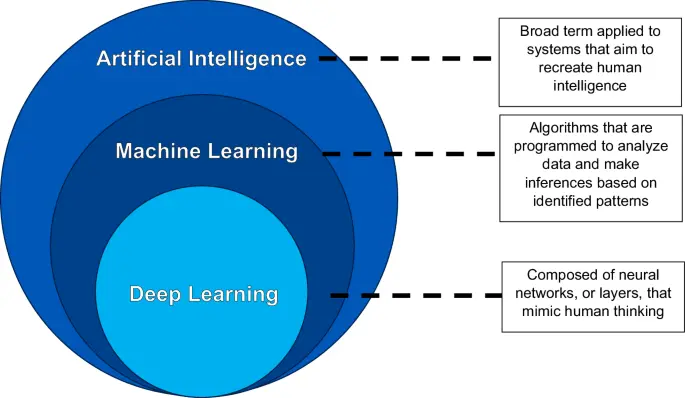
- Algorithmic Assistance: Digital slides pave the way for artificial intelligence (AI) and machine learning overlay tools that can pre-screen Pap smears or flag suspicious cellular clusters, reducing human fatigue errors.
- Auditability: Digital workflows create comprehensive audit trails of every pan, zoom, and annotation made during a review, enhancing quality control and legal defensibility.
Official Statements and Institutional Perspectives
The clash between modern clinical practice and legacy oversight has ignited intense debate among medical societies, institutional leaders, and frontline practitioners.
Dr. Jochen K. Lennerz, a leading voice in molecular pathology and digital diagnostics, notes the profound irony of the current regulatory environment:
"During the height of the pandemic, digital tools proved that modern medicine is no longer tethered to a physical room. Laboratories built secure, resilient frameworks that improved turnaround times and patient access. Restricting these tools now based on outdated, legacy oversight is not just an administrative regression—it actively compromises patient care by ignoring the proven safety and efficacy of modern digital workflows."
Hospital administrators and laboratory directors echo these sentiments, emphasizing the financial and operational whiplash caused by regulatory reversals. Having invested heavily in HIPAA-compliant cloud architectures, specialized ergonomic home workstations, and continuous validation protocols, institutions are now told that these systems—which successfully processed millions of remote cases safely—must be scaled back or abandoned.
Conversely, traditionalists and certain regulatory compliance officers argue that legacy frameworks were designed with patient safety and chain-of-custody as non-negotiable anchors. From this perspective, physical laboratory spaces offer controlled environments where environmental variables, instrument calibration, and data security can be monitored directly by laboratory directors under explicit Clinical Laboratory Improvement Amendments (CLIA) or international equivalents. Regulators worry about potential vulnerabilities in home networks, unverified display monitors, and the difficulty of enforcing physical site inspections across dozens of home offices.
However, digital health advocates counter that these concerns, while valid in the early days of computing, are entirely solvable through modern endpoint security, mobile device management (MDM) software, and remote hardware certification—making blanket bans an obsolete solution to a managed risk.
Future Outlook: Navigating the Path Forward
The confrontation over remote digital pathology is a microcosm of a broader, systemic challenge facing modern healthcare: how to regulate rapidly evolving technologies through administrative frameworks built for the analog age. If medicine is to benefit from the digital revolution, regulatory paradigms must evolve in tandem with clinical innovation.
1. Modernizing Regulatory Frameworks
Regulators and professional societies must collaborate to transition from location-based oversight to capability- and quality-based oversight. Instead of dictating where a pathologist must sit, regulations should focus on how the digital environment is secured, how equipment is calibrated, and how diagnostic accuracy is continuously validated. Establishing standardized certifications for remote home workstations would satisfy safety concerns without sacrificing workforce flexibility.
2. Embracing Hybrid Healthcare Models
The future of pathology is hybrid. Just as telemedicine has permanently transformed primary care, psychiatry, and radiology, digital pathology must be integrated into the standard operating model of modern laboratories. Embracing this shift will allow institutions to attract and retain top-tier talent through flexible work arrangements, mitigating burnout and stabilizing the pathology workforce against future public health shocks.
3. Integrating Artificial Intelligence and Automation
As digital slide repositories grow, they lay the foundation for advanced AI integration. Future regulatory policies must accommodate the synergy between remote human expertise and automated pre-screening algorithms. By allowing qualified pathologists to oversee AI-assisted diagnostic pipelines from distributed locations, healthcare systems can dramatically scale their diagnostic throughput, catching abnormalities earlier and saving countless lives.
Conclusion
The lessons learned during the COVID-19 pandemic should not be discarded at the altar of administrative rigidity. Remote digital pathology has proven itself to be a secure, accurate, and indispensable tool for overcoming workforce shortages and bridging geographic healthcare divides. For policy-makers, the mandate is clear: update legacy oversight to reflect the realities of modern digital medicine, or risk stranding patient care in the past.