






Executive Overview
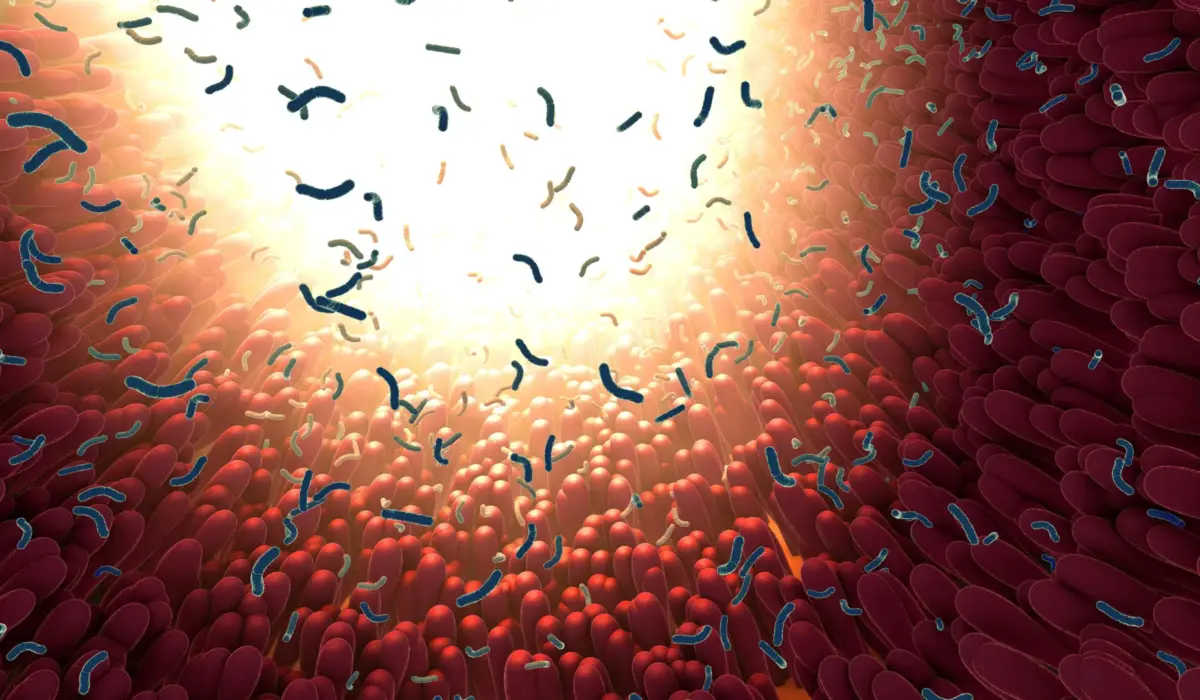
In the intricate ecosystem of the human gastrointestinal tract, a quiet conversation takes place continuously between our biology and the trillions of microorganisms that call our bodies home. For years, scientists have understood that diet plays a foundational role in modulating this relationship. Specifically, when gut bacteria ferment the dietary fiber found in fruits, vegetables, grains, and legumes, they produce vital byproducts known as short-chain fatty acids (SCFAs). Among these, butyrate has long been celebrated for its potent anti-inflammatory properties and its capacity to maintain a healthy gut environment.
However, a critical physiological paradox has long puzzled immunologists and gastroenterologists: a vast proportion of butyrate produced in the gut is rapidly absorbed and metabolized by intestinal epithelial cells (IECs). This rapid consumption leaves very little free butyrate to directly reach and influence the underlying immune cells that police the mucosal barrier. How, then, does a compound that is consumed almost immediately at the surface exert profound, systemic, and long-lasting anti-inflammatory control deeper within the tissue?
A groundbreaking study published in Nature Communications by a team of researchers at Northwestern Medicine provides a compelling answer. The investigation reveals that butyrate does not merely trigger a fleeting, transient reaction. Instead, it leaves a durable molecular and epigenetic imprint on the cells lining the intestine—effectively "training" the intestinal epithelial cells to retain a biological memory of the microbial signal.
Led by senior and co-corresponding author Yingzi Cong, PhD, the Stanley Gradowski Professor of Gastroenterology, along with first and co-corresponding author Tianming Yu, PhD, research assistant professor of Medicine, the research demonstrates that this microbial metabolic memory promotes immune tolerance and protects against inflammatory bowel disease (IBD)-like conditions long after the active presence of butyrate has ceased. By upregulating a specific enzymatic pathway and generating a signaling molecule known as N1-acetylspermidine, the intestinal lining acts as a long-term custodian of immune health. This discovery fundamentally shifts our understanding of the intestinal epithelium, transforming it from a simple, short-lived physical barrier into an active, memory-retaining player in human immunology.
Detailed Chronology & Scientific Discovery
To unravel how transient exposure to a microbial metabolite can yield durable physiological protection, Dr. Yu, Dr. Cong, and their interdisciplinary team embarked on a rigorous experimental journey, tracking the metabolic and immunological cascades triggered by butyrate.
1. Tracing the Post-Exposure Immune Response
The investigation began by questioning whether the effects of butyrate vanish the moment the compound is cleared from the system. To test this hypothesis, the researchers administered butyrate via drinking water to a cohort of laboratory mice for a strictly controlled period. Following this exposure window, the treatment was completely withdrawn.
Remarkably, when researchers analyzed the animals two weeks after the butyrate supplementation had ended, they discovered that CD4+ T-cells—crucial arbiters of the adaptive immune system—were still producing significantly elevated levels of Interleukin-10 (IL-10). IL-10 is a premier anti-inflammatory cytokine essential for dampening excessive immune responses and maintaining mucosal homeostasis.
2. Testing Resilience Against Colitis
The team next sought to determine whether this lingering biochemical signature translated into tangible physical protection. They subjected the post-treatment mice to a chemically induced model of colitis, a condition mimicking the severe tissue damage, inflammation, and weight loss characteristic of human inflammatory bowel diseases.
The results were striking. Compared to control mice that had never received the butyrate treatment, the pre-conditioned mice exhibited extraordinary resilience. They suffered significantly less weight loss, maintained lower concentrations of systemic and local inflammatory markers, and developed markedly reduced tissue damage in the colon. Further analysis confirmed that this protective shield was entirely dependent on functional IL-10 signaling pathways.
3. Isolating the Mechanism from the Microbiome
Because introducing dietary or chemical elements to the gut can inadvertently alter the composition of the resident microbiome—making it difficult to isolate the true driver of an immune response—the researchers performed control experiments using germ-free mice. These specialized animals are born and raised in sterile environments completely devoid of microorganisms.
Even in the absence of a live microbiome, oral butyrate treatment successfully established a persistent, immune-regulating environment characterized by heightened IL-10 production. This crucial finding proved that the lasting protective effect is driven directly by the host’s interaction with the metabolite itself, rather than by secondary shifts in bacterial populations.
4. Decoding the Epithelial-T-Cell Crosstalk
With the systemic and microenvironmental effects documented, the team shifted their focus upstream to the intestinal epithelial cells (IECs) that form the physical border between the body’s interior and the lumen of the gut.
When laboratory-cultured IECs were exposed to butyrate and their conditioned medium was subsequently introduced to both mouse and human T-cell cultures, the medium triggered a powerful surge in IL-10 production. This indicated that the epithelial cells were not just passive filters; upon processing butyrate, they were actively manufacturing and secreting immunoregulatory factors capable of instructing downstream T-cells.
5. Identifying the Molecular Messenger: N1-Acetylspermidine
Utilizing advanced metabolomic profiling to search for the specific molecules carrying this signal, the researchers identified a primary candidate: N1-acetylspermidine. Mechanistic assays revealed that butyrate acts on IECs to induce sustained transcriptional and epigenetic activation of Sat1, an acetylpolyamine biosynthetic enzyme.
This sustained epigenetic marking ramps up the production of N1-acetylspermidine. When secreted by the epithelial cells, N1-acetylspermidine plays a direct, instrumental role in driving CD4+ T-cells to upregulate IL-10. While other unidentified metabolites may also contribute to the phenomenon, the discovery of the butyrate-Sat1-N1-acetylspermidine axis provides the first clear biochemical blueprint for how microbial metabolites establish durable inter-cellular communication.
Supporting Context & Metrics
To appreciate the gravity of these findings, it is helpful to examine the broader landscape of mucosal immunology, microbiome science, and the epidemiology of inflammatory bowel diseases.
The Burden of Inflammatory Bowel Disease (IBD)
Inflammatory bowel conditions, including Crohn’s disease and ulcerative colitis, affect millions of individuals worldwide. Characterized by chronic, relapsing inflammation of the gastrointestinal tract, IBD stems from an aberrant immune response directed against the harmless microbes that inhabit the gut, coupled with a breakdown in mucosal tolerance. Current therapeutic strategies primarily rely on broad immunosuppressive drugs, biologics, and anti-inflammatory agents that carry significant risks of side effects and loss of efficacy over time. Therapies that can restore the body’s natural immune tolerance—such as harnessing the host’s innate metabolic memory—represent a paradigm shift in gastroenterology.
The Power of Dietary Fiber and Short-Chain Fatty Acids
Dietary fiber has long been lauded for its health benefits, yet modern Western diets are notoriously deficient in fiber content. When dietary fibers reach the large intestine intact, anaerobic bacteria ferment them into short-chain fatty acids, principally:
- Acetate: Involved in lipid synthesis and central metabolism.
- Propionate: Known for hepatic gluconeogenesis and immunomodulatory effects.
- Butyrate: Serves as the primary energy source for colonocytes (cells of the colon lining) while acting locally as a histone deacetylase (HDAC) inhibitor, altering gene expression to suppress inflammation.
| SCFA Component | Primary Gut Function | Immunological Impact |
|---|---|---|
| Acetate | Energy substrate, systemic distribution | Mild immunomodulation via G-protein coupled receptors |
| Propionate | Hepatic lipid and glucose regulation | Suppresses inflammatory cytokine expression |
| Butyrate | Primary fuel for colonocytes; epigenetic modifier | Enhances mucosal barrier integrity and drives IL-10 production via epithelial signaling |
The Paradigm Shift: Redefining Epithelial Memory
Historically, textbooks described the intestinal epithelium as a rapid-turnover barrier. Because IECs are constantly shed and replaced every three to five days, immunologists assumed these cells could only mount short-term, immediate responses to luminal stimuli.
The Northwestern study challenges this dogma by demonstrating that transient metabolic exposure can leave an epigenetic and transcriptional trace—specifically through the persistent activation of genes like Sat1. This establishes a form of "cellular memory" previously thought exclusive to specialized adaptive immune cells like memory T and B cells.
Official Statements & Expert Perspectives
The research team emphasizes that these findings open entirely new vistas in nutritional immunology and therapeutic design.
Reflecting on the initial motivations behind the project, first and co-corresponding author Tianming Yu, PhD, research assistant professor of Medicine in the Division of Gastroenterology and Hepatology, noted:
"Our laboratory has long been interested in how the gut microbiota regulates immune responses at intestinal mucosal surfaces. Short-chain fatty acids (SCFAs), which are produced by gut bacteria during the fermentation of dietary fiber, are known to have anti-inflammatory effects in the intestine."
Addressing the long-standing mystery of how butyrate exerts its influence despite being rapidly consumed by surface cells, Dr. Yu explained:
"A large proportion of butyrate in the gut is rapidly absorbed and metabolized by intestinal epithelial cells (IECs), which limits the amount of free butyrate that can directly reach underlying immune cells. This led us to ask whether butyrate might act through IECs to regulate intestinal immunity."
Summarizing the core discovery regarding post-treatment persistence, Dr. Yu stated:
"We found that oral butyrate treatment induces a sustained immunoregulatory response in the intestine, characterized by increased IL-10 production in CD4+ T-cells and protection from intestinal inflammation even after butyrate treatment is stopped. This effect was also observed in germ-free mice, suggesting that butyrate can establish a lasting intestinal environment that does not depend on continuous microbial stimulation."
Detailing the mechanics of the epithelial-immune interaction, Dr. Yu added:
"We further found that conditioned medium from butyrate-treated IECs strongly induced IL-10-producing CD4+ T-cells in both mouse and human T-cell culture systems. Mechanistically, we found that butyrate acts on IECs and induces sustained transcriptional and epigenetic activation of Sat1, an acetylpolyamine biosynthetic enzyme, which promotes production of the metabolite N1-acetylspermidine."
Highlighting the conceptual evolution of the intestinal barrier, Dr. Yu concluded:
"The significance of this work is that it identifies a mechanism by which a microbiota-derived metabolite can create durable epithelial T-cell crosstalk. The intestinal epithelium is often viewed as a short-lived barrier that responds rapidly to luminal stimuli. Our findings suggest that it can also retain a lasting imprint of a microbial metabolite signal, effectively ‘training’ the IECs to maintain immune tolerance over time."
Looking toward translational applications in human medicine, Dr. Yu outlined the lab’s upcoming objectives:
"One important next step is to determine how this epithelial metabolic pathway operates in human intestinal disease, especially in patients with inflammatory bowel disease. We are interested in testing whether the butyrate-Sat1-N1-acetylspermidine pathway is altered in human IECs and whether it correlates with immune regulation or disease activity. Many studies have focused on how inflammation can leave harmful memory in epithelial cells, but our findings suggest that beneficial microbial metabolites may also establish protective epithelial programs."
Future Outlook & Clinical Implications
The publication of this study in Nature Communications marks a major milestone in microbiome research, yet it also sets the stage for a robust array of future investigations. As the medical and scientific communities digest these insights, several key trajectories for future research and therapeutic development are taking shape.
1. Translating Findings to Human Clinical Populations
The immediate scientific priority is to validate whether the butyrate-Sat1-N1-acetylspermidine axis operates identically in human tissues. Researchers plan to analyze intestinal biopsy samples from patients suffering from Crohn’s disease and ulcerative colitis to determine whether this specific metabolic pathway is impaired or silenced. Establishing a direct correlation between deficient epithelial memory pathways and disease severity could pave the way for novel diagnostic biomarkers.
2. Broadening the Metabolite Catalog
While N1-acetylspermidine successfully accounts for a significant portion of the immunoregulatory activity observed in the study, it does not fully explain every facet of the epithelial-mediated response. Future metabolomic and proteomic screens will likely uncover a broader spectrum of post-biotic signaling molecules manufactured by trained epithelial cells, expanding our understanding of the chemical lexicon shared between diet, microbes, and host tissue.
3. Novel Therapeutic Interventions and Dietary Strategies
Over the long term, these findings could redefine how physicians approach nutritional therapy in inflammatory and autoimmune conditions. Rather than relying solely on broad anti-inflammatory medications, future interventions might utilize targeted post-biotics—such as N1-acetylspermidine derivatives or synthetic small molecules designed to safely activate Sat1 transcription in the intestinal lining. Additionally, personalized dietary recommendations tailored to an individual’s specific microbiome profile could be deployed to deliberately induce and sustain protective epithelial memory programs.
By proving that the gut lining can remember the benefits of a healthy diet long after the fiber has been digested, this Northwestern Medicine study bridges a critical gap in immunological science. It underscores the profound truth that our dietary choices do more than fuel our bodies in the moment—they write enduring protective instructions into the very fabric of our cellular biology.