











Executive Overview
In a significant stride for nutritional immunology and oncology, a collaborative research team spanning Trinity College Dublin and University College Dublin (UCD) has uncovered compelling evidence that a common, commercially available dietary supplement can fundamentally reprogram the immune systems of mice to mount a more robust defense against cancer. Published in the peer-reviewed scientific journal Cell Reports, the study demonstrates that incorporating yeast beta-glucan into the diet successfully trains early-stage immune cells within the bone marrow. This dietary intervention triggers long-lasting, enhanced anti-tumor responses—a phenomenon known as "trained immunity"—even in the face of obesity-induced immune suppression.
Obesity is a well-documented global health crisis that severely impairs immune function, rendering the body less capable of recognizing and destroying malignant tumors. Furthermore, clinical observations have long puzzled oncologists and immunologists alike: when individuals lose weight, certain immune system defects persist, creating a lingering vulnerability to disease. The new Irish study reveals that dietary yeast beta-glucan not only counteracts active obesity-driven immune dysfunction but also effectively reverses these long-term immune memory defects that stubbornly linger post-weight loss.
Led by Dr. Frederick Sheedy, Associate Professor in Immunology in Trinity’s School of Biochemistry and Immunology, and Professor Helen Roche, Professor in Nutrigenomics at the UCD School of Public Health, Physiotherapy and Sports Science and Director of the UCD Conway Institute, the research shifts the paradigm of how trained immunity can be induced. Historically, achieving this level of cellular reprogramming required invasive clinical injections. By proving that oral delivery via a standard diet is sufficient to achieve profound immunological changes, this work lays the groundwork for translational human trials. Because the specific yeast beta-glucan utilized in the research—Wellmune™, provided by the Kerry Group—is already a food-grade, commercially available supplement with a proven safety profile, the transition from murine models to human clinical studies could proceed with unprecedented speed. If replicated in human populations, this accessible dietary strategy could soon serve as a powerful, low-cost adjunct to traditional cancer therapies such as chemotherapy and immunotherapy, while simultaneously improving vaccine efficacy and resistance to chronic infections.
Detailed Chronology of the Research
The genesis of this groundbreaking study lay in a fundamental question regarding the malleability of the innate immune system. For decades, conventional immunological dogma held that only the adaptive immune system possessed memory—the capacity to mount a faster and stronger response upon subsequent exposure to a pathogen. However, recent scientific advances have established that innate immune cells, such as macrophages and natural killer cells, can also be "trained" or reprogrammed via epigenetic and metabolic alterations, leading to heightened defensive capabilities.
Dr. Anna Ledwith, a postdoctoral researcher in Professor Roche’s research group and the primary author of the study, sought to determine whether this training could be initiated not through potent pharmaceutical injections, but through a simple, orally consumed dietary supplement: yeast beta-glucan.
Phase I: Experimental Design and Dietary Interventions
To test this hypothesis, the research team designed a controlled murine study. Laboratory mice were placed on either a standard diet or a high-fat diet designed to induce obesity and metabolic dysfunction. Across both dietary cohorts, subsets of the mice had their feed supplemented with yeast beta-glucan over a sustained period ranging from four to 12 weeks.
Throughout this feeding window, the researchers closely monitored metabolic parameters, but the core objective was to observe the developmental trajectory of immune cells originating in the bone marrow. The team wanted to know if consuming the yeast-derived compound could systematically alter hematopoietic stem cells—the precursor cells responsible for generating all blood and immune cells—thereby instilling a permanent, heightened state of readiness.
Phase II: The Oncology Challenge
Following the dietary supplementation phase, the researchers challenged the animals’ immune systems by introducing various types of aggressive cancer cells. The experimental models included malignancies corresponding to colorectal cancer, skin cancer (melanoma), and breast cancer.
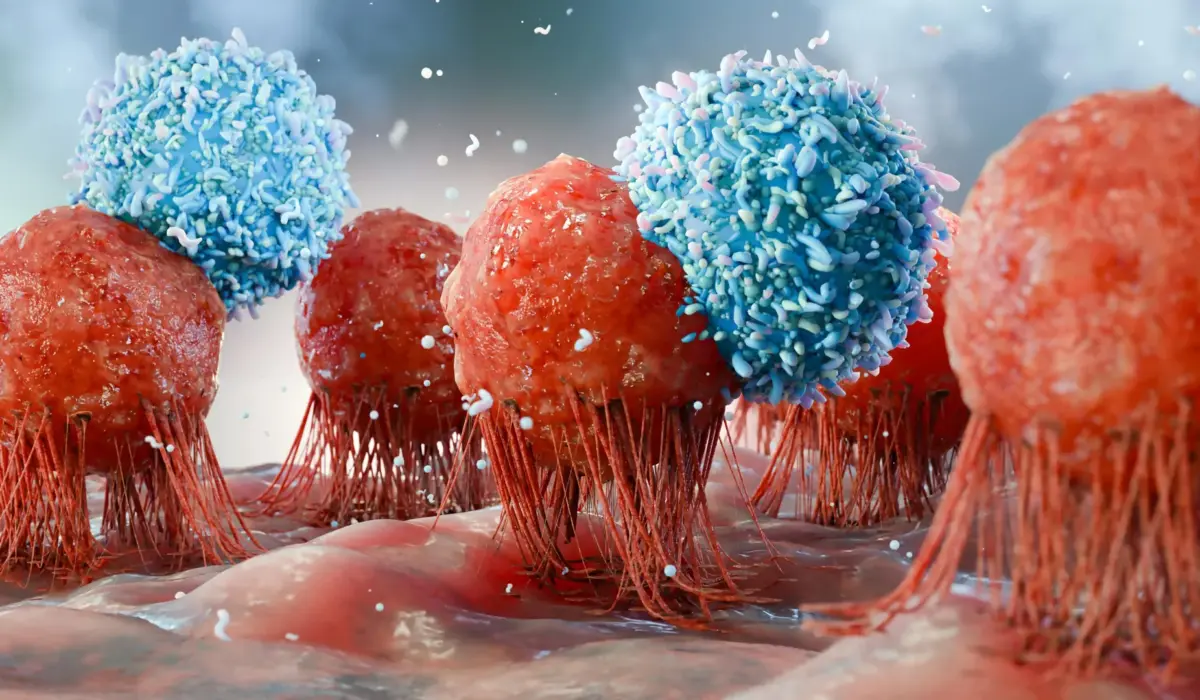
In control mice fed a high-fat diet without the supplement, the tumors grew aggressively, confirming the well-established immunosuppressive effects of obesity. However, in the cohort receiving the yeast beta-glucan-supplemented diet, the narrative changed dramatically. Even among the obese mice, the introduction of the supplement catalyzed a potent anti-tumor response. The immune cells that developed from the reprogrammed bone marrow stem cells demonstrated an enhanced ability to infiltrate tumor microenvironments and suppress cancer progression.
Phase III: Investigating Post-Weight-Loss Persistence
One of the most innovative dimensions of the Trinity-UCD study involved investigating the permanence of obesity-induced immune defects. Clinicians have long observed that individuals who successfully lose weight often retain an increased susceptibility to certain diseases, as the immune system retains a "memory" of the inflammatory, obese state.
To test whether yeast beta-glucan could erase this pathological imprint, the researchers subjected a group of obese mice to a dietary reversal program, returning them to a standard diet to facilitate weight loss, followed by the administration of the yeast supplement. The results were striking: the dietary intervention successfully reversed the long-term immune memory defects that typically persist post-weight loss, restoring baseline innate immune competence and validating the supplement’s therapeutic versatility.
Supporting Context & Metrics: The Global Burden of Obesity and Cancer
To fully appreciate the clinical significance of the Trinity College Dublin and UCD findings, one must examine the staggering global metrics surrounding obesity and oncological disease.
The Intersecting Crises of Obesity and Immunology
According to the World Health Organization (WHO), worldwide obesity has nearly tripled since 1975. In recent years, public health data indicates that over one billion people globally are living with obesity. Beyond its well-documented links to cardiovascular disease, type 2 diabetes, and musculoskeletal disorders, obesity is now recognized by the International Agency for Research on Cancer (IARC) as a definitive causal factor for at least 13 distinct types of cancer, including breast, colorectal, uterine, kidney, and pancreatic cancers.
The biological mechanism driving this susceptibility lies in chronic, low-grade systemic inflammation. Adipose (fat) tissue is not merely a passive storage depot for energy; it is an active endocrine organ. In states of obesity, fat tissue undergoes pathological remodeling, secreting pro-inflammatory cytokines (such as tumor necrosis factor-alpha and interleukin-6) and recruiting macrophages that infiltrate the tissue. This chronic inflammatory milieu compromises the functional capacity of innate immune cells. Neutrophils, macrophages, and dendritic cells become blunted in their responsiveness, failing to efficiently recognize, engulf, and destroy nascent tumor cells.
The Challenge of Persistent Immune Memory
Compounding the problem is the phenomenon of immunological hysteresis—the persistence of immune dysfunction long after body mass index (BMI) has been successfully reduced. When an individual suffers from obesity over an extended period, the hematopoietic stem cells residing in the bone marrow undergo epigenetic modifications. These alterations dictate that subsequent generations of immune cells are born with an impaired phenotype.
Traditional weight loss interventions—whether through caloric restriction, bariatric surgery, or pharmacotherapy like GLP-1 receptor agonists—frequently fail to fully rewrite this bone marrow programming. Consequently, even post-bariatric patients may remain at an elevated long-term risk for certain cancers and infections compared to individuals who have never been obese. The ability of dietary yeast beta-glucan to directly reprogram these bone marrow stem cells, as demonstrated in the Trinity-UCD trials, represents a vital pharmacological and nutritional bridge over this persistent clinical gap.
The Profile of Yeast Beta-Glucan
Beta-glucans are naturally occurring polysaccharides found in the cell walls of bacteria, fungi, yeast, algae, and plants such as oats and barley. However, the structural configuration of beta-glucans dictates their biological activity. Yeast-derived beta-glucans, specifically those featuring a $beta$-(1,3)/$beta$-(1,6)-glucan backbone, are exceptionally potent immunomodulators.
Unlike plant-based beta-glucans, yeast beta-glucans are readily recognized by specific pattern-recognition receptors on the surface of innate immune cells—most notably Dectin-1 and complement receptor 3 (CR3). Upon binding, these receptors trigger intracellular signaling cascades that prime the immune cell, upregulating its antimicrobial and anti-tumor effector functions without inducing a dangerous, full-scale systemic inflammatory shock. Furthermore, because yeast beta-glucans possess an established GRAS (Generally Recognized As Safe) status and are commercially available as food additives, they represent an ideal candidate for rapid translational research.
Official Statements and Expert Insights
The collaborative nature of this research brought together leading minds in immunology and nutrigenomics, uniting the academic rigor of Trinity College Dublin with the metabolic expertise of University College Dublin.
Dr. Anna Ledwith, postdoctoral researcher within Professor Roche’s research group and first author of the published study, highlighted the foundational hypothesis driving the investigation:
"We wanted to investigate whether a common dietary supplement, yeast beta-glucan, could reprogram early-stage immune cells in the bone marrow to produce long-lasting, enhanced anti-tumor immune responses."
Detailing the scope of the animal trials, Dr. Ledwith noted the multi-faceted nature of the experimental challenges:
"Mice were fed a standard or high-fat diet supplemented with yeast beta-glucan for 4–12 weeks, and then their immune system was challenged by different types of cancer cells: colorectal, skin, and breast cancer. The study also tested whether yeast supplementation could overcome immune dysfunction caused by obesity and whether protective effects persist after weight loss."
Professor Helen Roche, Professor in Nutrigenomics at the UCD School of Public Health, Physiotherapy and Sports Science and Director of the UCD Conway Institute, emphasized the historical novelty of achieving trained immunity via oral consumption rather than clinical injection:
"This is the first demonstration that dietary delivery of yeast beta-glucan is sufficient to induce trained immunity through reprogramming of bone marrow stem cells. Previous research required injections."
Underscoring the clinical implications for metabolic health, Professor Roche added:
"Crucially, this dietary intervention restores anti-tumor innate immunity in obese mice and reverses long-term immune memory defects that persist even after weight loss, a major unmet clinical challenge."
Looking toward the horizon of clinical translation, Dr. Frederick Sheedy, Associate Professor in Immunology in Trinity’s School of Biochemistry and Immunology, outlined the clear pathway toward human trials:
"This research paves the way for dietary intervention studies in people living with obesity, chronic infections, and other immunocompromised populations. The yeast beta-glucan used, Wellmune™, from Kerry Group, is already food-grade and commercially available, facilitating rapid clinical trials."
Dr. Sheedy concluded with an optimistic vision of how nutritional science might soon integrate with standard oncology care:
"Ultimately, a simple dietary supplement could help boost the immune system’s cancer-fighting ability, complementing existing treatments such as chemotherapy and immunotherapy, with the potential to improve vaccine responses and resistance to infection."
Future Outlook: Translating Murine Discoveries to Human Medicine
As the scientific community digests the findings published in Cell Reports, the conversation immediately turns to translation: Can these remarkable anti-tumor and immune-restorative effects observed in murine models be successfully replicated in humans?
Designing Human Clinical Trials
The bridge between bench science and bedside medicine is notoriously difficult to cross, yet the Trinity-UCD research team is uniquely positioned to accelerate this journey. Because the active agent utilized in the study—Wellmune™, a proprietary yeast beta-glucan manufactured by the Kerry Group—is already cleared for human consumption as a dietary supplement, regulatory hurdles for safety testing in clinical trials are substantially lower than those for de novo pharmaceutical compounds.
Plans are currently underway to design randomized, controlled human clinical trials involving cohorts of individuals living with obesity, metabolic syndrome, and chronic infections. These trials will evaluate whether daily oral supplementation with standardized doses of yeast beta-glucan can induce epigenetic reprogramming of circulating monocytes and bone marrow progenitors in humans, mirroring the cellular changes documented in the Irish study.
Complementary Oncology and Prophylactic Health
If human trials confirm the efficacy of dietary yeast beta-glucan training, the clinical applications could extend far beyond oncology:
- Adjunct to Immunotherapy and Chemotherapy: Modern cancer treatment relies heavily on immunotherapies—such as immune checkpoint inhibitors—which release the brakes on the adaptive immune system. However, if a patient’s innate immune system is severely compromised by obesity or age, these therapies may underperform. A dietary supplement that shores up innate immunity could act as a vital synergistic partner, increasing tumor infiltration and responsiveness.
- Combating Chronic Infections: Immunocompromised populations, including the elderly and those with metabolic disorders, are perpetually vulnerable to severe viral and bacterial infections. Trained immunity provides broad-spectrum, non-specific protection that could enhance primary immune defense mechanisms, reducing hospitalization rates.
- Enhancing Vaccine Efficacy: Obesity is known to impair antibody and cellular responses to standard vaccinations (as observed during annual influenza and global COVID-19 vaccination campaigns). Inducing trained immunity via targeted supplementation could optimize vaccine uptake and long-term immunological memory in vulnerable demographics.
Methodological Caveats and Next Steps
While the scientific community remains enthusiastic, the researchers and independent oncologists emphasize that caution is warranted. Animal models provide invaluable mechanistic insights, but human physiology is vastly more complex, influenced by genetic diversity, environmental exposures, varying baseline diets, and concurrent pharmacological regimens.
Future human studies must carefully determine optimal dosing, duration of supplementation, and the long-term safety of sustained innate immune activation. Additionally, researchers will need to monitor whether heightened immune training could theoretically exacerbate autoimmune conditions, ensuring that therapeutic immune enhancement remains balanced and targeted.
Conclusion
The collaborative breakthrough by researchers at Trinity College Dublin and University College Dublin marks a pivotal moment in nutritional immunology. By demonstrating that an accessible, yeast-based dietary supplement can rewrite bone marrow programming, restore anti-tumor immunity in obese models, and erase persistent post-weight-loss immune defects, this study bridges the gap between diet and cellular destiny. As the research transitions toward human clinical trials, the medical community moves closer to a future where a simple, daily dietary addition could empower the human body to better defend itself against some of its most formidable biological challenges.